English
 русский
 Français
 Español
 Deutsch
Carton Folder Gluer Machines: Technology, Applications, and Manufacturer Insights

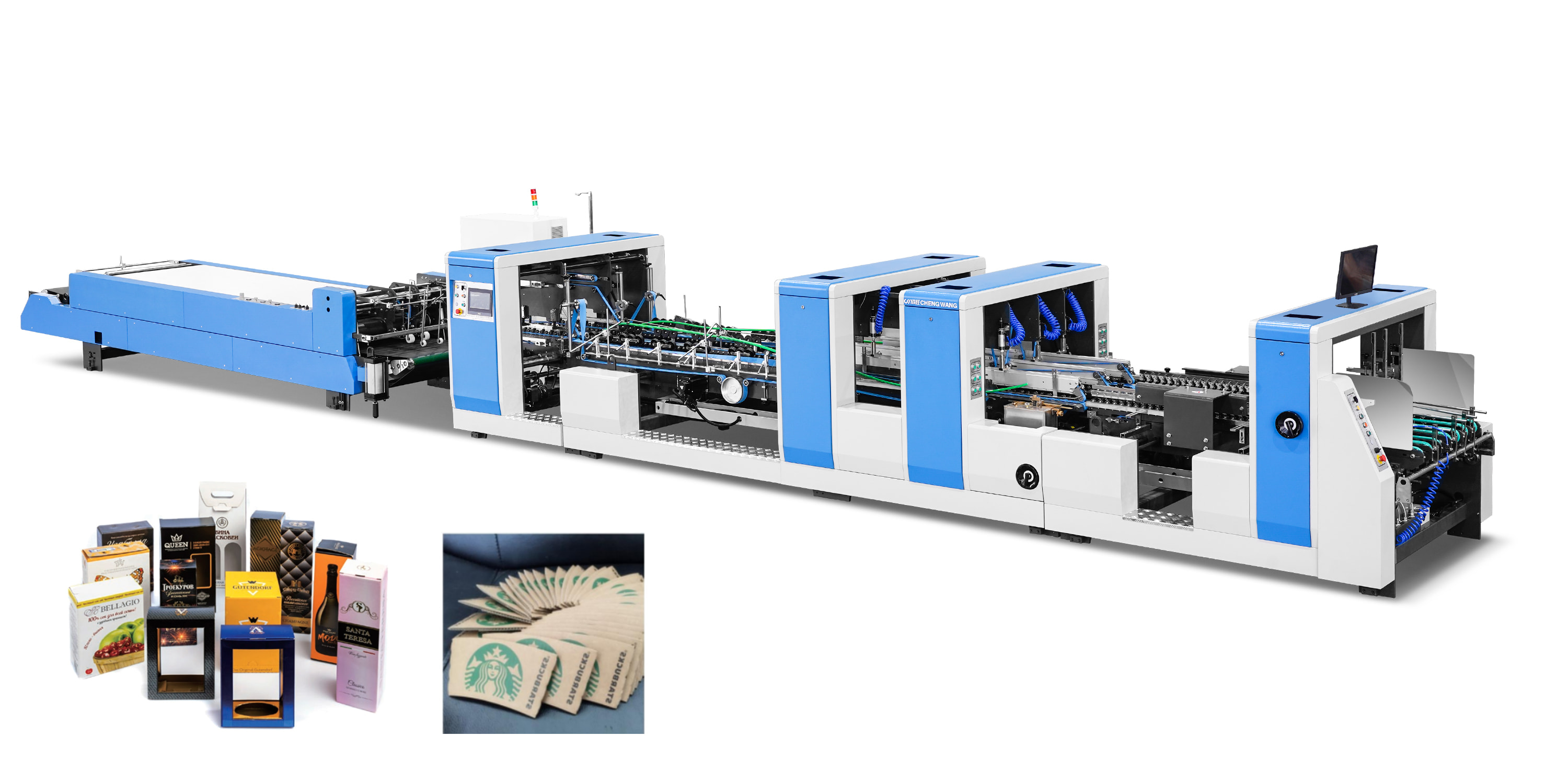
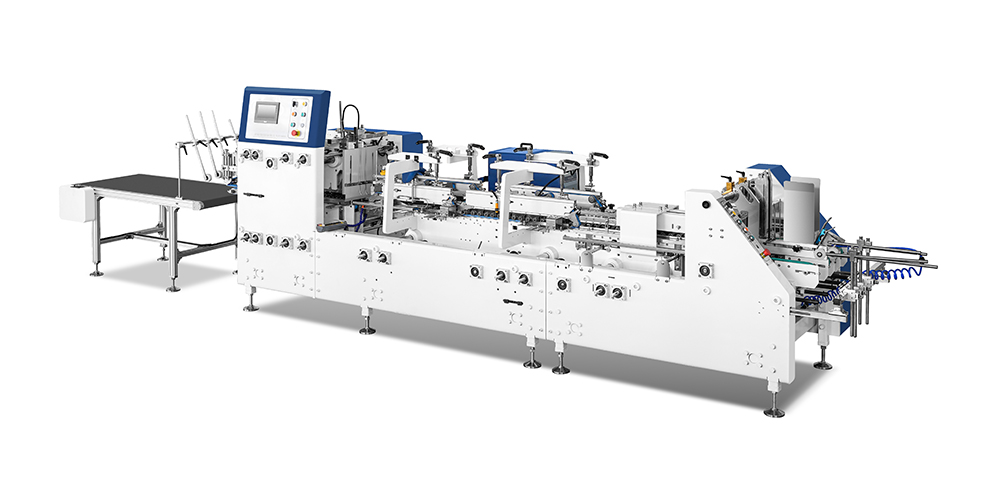
The carton folder gluer machine is a specialized piece of equipment designed for the automated folding and gluing of carton blanks. Typically, these machines feature a series of automated feeding, folding, and glue application stations, allowing for continuous production of cardboard boxes with minimal manual intervention. A typical machine includes mechanisms for blank feeding, fold alignment, precise adhesive application, and stacking of finished boxes. The versatility of the carton folder gluer enables its use in producing a variety of packaging formats, including two-fold, four-fold, lock-bottom, and multi-corner cartons. These machines are widely employed across packaging sectors for both paperboard and corrugated materials, depending on the complexity and durability requirements of the end product.
Specialized manufacturers, such as Zhejiang Chengwang Intelligent Packaging Equipment Co., Ltd., play a crucial role in supplying these machines for global markets. By integrating mechanical engineering, automation, and material expertise, manufacturers are able to deliver systems that meet both production efficiency and quality standards. Facilities like Chengwang combine machining, assembly, and quality control processes within a single factory environment, ensuring consistency and reliability in production. This integration also facilitates customization for different box sizes and styles, while maintaining precision in fold angles, glue application, and overall structural integrity of the boxes.
The purpose of this article is to examine the materials, mechanical systems, design considerations, manufacturing processes, supply chain dynamics, application segments, regulatory and environmental context, and technological innovations associated with the carton folder gluer machine sector. By analyzing these aspects, a comprehensive understanding of the current state and evolving trends in the industry can be developed.
Materials and Mechanical Systems
The construction of a carton folder gluer machine involves a combination of structural materials, mechanical components, and electrical systems. The main frame is generally made from welded steel or machined structural elements, providing the rigidity necessary to maintain precise alignment of folding stations and conveyance systems. Guide rails, rollers, and belts are selected for durability, low friction, and wear resistance. The machine's glue application system consists of nozzles, reservoirs, pumps, and heaters, which are calibrated to apply adhesive accurately and consistently to a variety of substrates.
Mechanical components include motors, shafts, gears, bearings, and actuators, which work together to coordinate blank feeding, folding, and glue application. Advanced machines employ servo-driven systems for precise motion control, ensuring synchronous operation of multiple folding stations. Sensors and cameras are often integrated to monitor blank positioning, fold accuracy, and glue placement in real time, allowing for immediate correction of misaligned blanks or adhesive errors.
Electrical and control systems, including PLCs (Programmable Logic Controllers), HMIs (Human-Machine Interfaces), and distributed control modules, provide centralized management of machine operations. These systems regulate speed, timing, and sequence of folding and gluing actions, while also monitoring safety interlocks and emergency stops. The combination of mechanical precision and automated control ensures that carton folder gluer machines can maintain high throughput without sacrificing quality.
Design Considerations
Designing a carton folder gluer machine involves addressing multiple variables related to box geometry, material characteristics, production speed, and operational safety. Manufacturers must consider the range of carton sizes and thicknesses the machine will process, adjusting folding stations, conveyors, and glue application points accordingly. Machines designed for corrugated board require stronger feed and folding mechanisms, while cardboard boxes may necessitate gentler handling to prevent creasing or tearing.
Ergonomics and accessibility are also important in design. Maintenance access to folding stations, glue lines, and conveyors must be straightforward to minimize downtime during part replacement or servicing. Modular design allows for flexibility, enabling operators to switch between different box styles with minimal adjustments. In some configurations, fold stations can be removed or repositioned, allowing the same machine to handle both two-fold and lock-bottom boxes.
Safety considerations are integrated into the machine's design. Guards, interlocks, and emergency stops are strategically placed to protect operators, while compliance with international machinery safety standards ensures that machines meet regulatory requirements in export markets.
Manufacturing Process
The production of a carton folder gluer machine involves several stages, starting with raw material procurement and component fabrication. Steel and other structural materials are cut, machined, and welded to form the machine frame. Components such as guide rails, rollers, gears, and shafts are precision-machined to maintain alignment and smooth operation. Electronic modules, sensors, and control systems are procured from qualified suppliers and tested before integration.
Assembly of the machine begins with the installation of the frame, followed by folding stations, conveyors, and glue application units. Each subsystem is aligned and tested individually before being integrated into the complete machine. Electrical wiring, PLC installation, and sensor calibration are performed to ensure accurate communication between mechanical and control systems. Once assembled, trial runs are conducted using sample blanks to verify fold quality, glue placement, throughput, and stacking accuracy.
Quality assurance is a continuous process throughout manufacturing. Dimensional checks ensure that folding stations and conveyors maintain precise tolerances. Glue application is monitored for consistency, and sensors are tested to verify correct operation. After final assembly and inspection, the machine may undergo a Factory Acceptance Test (FA
Supply Chain and Logistics
The production of carton folder gluer machines depends on a complex supply chain involving raw material suppliers, component manufacturers, and logistics providers. Steel and mechanical components are often sourced locally within the Zhejiang region, reducing lead times and supporting rapid production schedules. Electronic modules, including sensors, motors, and control systems, may be sourced both domestically and internationally, depending on quality and specification requirements.
Logistics management is critical, as these machines are typically large and require careful handling during transport. Crating, shipping, and installation at customer sites must be coordinated to minimize damage and ensure operational readiness. After-sales support, including spare parts, consumables, and technical assistance, forms an essential part of the supply chain, ensuring continuous operation of the machines in diverse industrial environments.
Application Segments
Carton folder gluer machines are utilized across multiple packaging segments. In the retail sector, they produce gift boxes, cosmetic cartons, and specialty packaging. In e-commerce operations, automated folding and gluing enable high-throughput processing of shipping boxes. Food and beverage packaging often requires machines capable of handling sturdier substrates and producing lock-bottom boxes for stacking and distribution. The machines are also used for specialty or multi-corner boxes, which require precise folding and adhesive application to maintain structural integrity.
The choice of machine type is influenced by production volume, substrate type, and required box complexity. High-speed machines with servo-driven folding stations are employed for large-scale production, while smaller or modular machines are suitable for custom or short-run operations. Flexibility in machine configuration allows operators to switch between different box styles efficiently.
Regulatory and Environmental Context
Manufacturers of carton folder gluer machines must comply with a range of safety and environmental standards. Safety requirements include machine guarding, emergency stop mechanisms, and operator training, while export compliance may involve adherence to CE or ISO standards. Energy efficiency and environmental considerations are increasingly important, with attention to reducing power consumption, minimizing glue waste, and managing production scrap.
Some machines are designed to work with eco-friendly adhesives and recyclable substrates, reflecting industry trends toward sustainability. Integration of energy-saving motors, regenerative drives, and optimized mechanical design contribute to lower environmental impact over the machine’s lifecycle.
Technological Innovation
Technological developments in carton folder gluer machines focus on automation, process reliability, and adaptability. The use of PLCs, servo motors, and real-time sensors allows for precise fold alignment and glue application. Predictive maintenance and monitoring systems reduce downtime, while modular design enables quick adaptation to different box types and sizes.
Digital modeling and simulation tools are increasingly employed to optimize machine performance. Virtual testing of blank feeding, fold sequences, and adhesive distribution allows manufacturers to identify potential issues before physical assembly. The integration of Industry 4.0 concepts facilitates remote monitoring, data collection, and process optimization, supporting more efficient and reliable production.
Application Segments and Operational Considerations for Carton Folder Gluer Machines
Carton folder gluer machines are integral to the modern packaging industry, providing automated folding and adhesive application for a wide range of box types and production volumes. These machines are employed across multiple sectors, each with unique operational requirements, substrate characteristics, and output expectations. Understanding the application segments of these machines helps in selecting the appropriate configuration and optimizing workflow.
Retail-Ready Packaging
In retail applications, folder gluer machines are commonly used for the production of gift boxes, cosmetic boxes, and other premium cardboard packaging. These applications often prioritize the visual quality of the final product, requiring precise folding, clean glue lines, and consistent alignment of edges. Machines used in this segment must accommodate variable box sizes, handle delicate substrates with care, and maintain high repeatability to meet brand standards. Precision in fold angles and adhesive application is essential to preserve the aesthetic appeal and structural integrity of the boxes.
E-Commerce Packaging
The rise of e-commerce has significantly increased the demand for automated packaging solutions. Carton folder gluer machines designed for e-commerce fulfilment centers focus on high-volume processing of shipping cartons and retail-ready boxes. These machines emphasize throughput, efficiency, and minimal operator intervention. Automatic feeding systems, synchronized folding stations, and precise glue application allow for continuous operation with minimal downtime. Flexibility in handling multiple box sizes and quick changeovers is critical to accommodate the variety of products shipped in e-commerce operations.
Food and Beverage Packaging
In the food and beverage industry, folder gluer machines serve as secondary packaging equipment for bottles, cans, and other packaged goods. These applications demand machines capable of producing structurally robust boxes that can withstand stacking and transport stresses. Fold accuracy and adhesive strength are critical to ensure box integrity, while the machine must operate reliably under continuous production conditions. Some applications may require specialized glue types or adjustments to accommodate moisture-resistant or coated paperboard materials.
Lock-Bottom Corrugated Cases for Logistics and Distribution
Although primarily associated with cardboard box folding, the folder gluer family extends to machines capable of processing lock-bottom corrugated cases used in logistics and distribution. These machines operate at higher throughput rates and handle heavier substrates compared to standard cardboard box machines. Engineering considerations include reinforced folding mechanisms, stronger adhesive application systems, and more robust stacking conveyors. Operators must balance machine speed with folding precision to maintain box integrity while achieving desired production volumes.
Custom and Niche Packaging
Folder gluer machines also accommodate custom and niche packaging applications, including stereo boxes, corner-locking boxes, and high-finish boxes used in luxury goods sectors. These applications often require specialized modules, adjustable fold stations, and precise glue deposition systems. The flexibility of the machine allows for short-run production and rapid changeovers, supporting the creation of complex box designs without compromising production efficiency.
Operational Implications
Selecting an appropriate carton folder gluer machine involves a careful evaluation of throughput requirements, substrate type, automation level, machine footprint, and operator availability. High-volume operations benefit from fully automated systems with advanced servo controls and integrated monitoring, while smaller or custom-focused operations may prioritize flexibility and modularity. Machines capable of handling a range of substrates and fold styles can accommodate changing production demands and reduce the need for multiple machine types.
The operational considerations highlighted in these application segments illustrate how machine choice directly impacts production efficiency, product quality, and workflow optimization. By analyzing the requirements of retail, e-commerce, food and beverage, logistics, and custom packaging sectors, stakeholders can make informed decisions regarding machine configuration, layout, and capabilities.
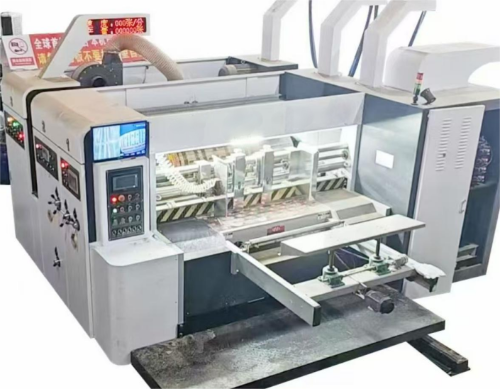
Why Choose Chengwang Machines over Other Manufacturers
In the context of carton folder gluer machines, the choice of manufacturer can significantly influence operational efficiency, product quality, and adaptability to various packaging segments. As discussed, folder gluer machines are deployed across retail, e-commerce, food and beverage, logistics, and custom packaging sectors, each with distinct performance requirements. Selecting a manufacturer with robust engineering capabilities and flexible machine configurations ensures that these diverse operational needs are effectively addressed.
Integrated Engineering and Production Capabilities
Zhejiang Chengwang Intelligent Packaging Equipment Co., Ltd. demonstrates comprehensive integration of mechanical, electrical, and control system engineering. Machines are produced within a unified factory environment where structural fabrication, folding station assembly, glue application systems, and control electronics are coordinated under a single production workflow. This integration reduces alignment errors, enhances consistency in folding and gluing accuracy, and enables tighter quality control. In comparison, manufacturers that rely heavily on external component suppliers may encounter variability in part tolerances or assembly precision, which can affect the reliability of high-throughput operations.
Flexibility and Adaptability in Machine Design
Chengwang machines are engineered to handle a broad range of substrates and box configurations. Adjustable folding stations, modular conveyors, and configurable glue application units allow the machine to accommodate cardboard, corrugated materials, and complex box designs such as lock-bottom or multi-corner constructions. This level of adaptability supports both high-volume production and short-run custom orders. In sectors such as luxury packaging or e-commerce, where size variation and rapid changeovers are frequent, machine flexibility is a critical factor in maintaining operational efficiency without compromising box quality.
Automation and Process Reliability
High-speed and high-precision folding and gluing operations require synchronization of multiple mechanical subsystems. Chengwang machines incorporate PLC-based control, servo motors, and real-time sensors to monitor blank positioning, fold accuracy, and glue deposition. Automated detection and correction mechanisms reduce errors, minimize waste, and ensure consistent output across production runs. Manufacturers with less advanced control systems may experience greater variation in folding precision or adhesive placement, particularly at higher operating spee
Maintenance and Operational Considerations
The design of Chengwang machines emphasizes maintainability and uptime. Modular folding stations, easily replaceable rollers and belts, and accessible control panels simplify routine maintenance. This approach is particularly beneficial for facilities that operate continuously or across multiple shifts, where extended downtime can have significant operational and financial implications. Other manufacturers with more complex or less accessible designs may require longer service times or specialized technical support for maintenance tasks.
Compliance and Safety Standards
Chengwang machines are engineered to comply with relevant safety and operational standards, including machine guarding, emergency stop systems, and international export requirements. Adherence to these standards ensures safe operation, reduces the risk of workplace incidents, and supports the use of these machines in global markets. Compliance with safety and regulatory standards also facilitates integration into existing production lines without extensive modifications.
Support for Evolving Industry Requirements
The packaging industry is experiencing rapid changes, including the increased use of e-commerce, demand for sustainable materials, and the need for shorter production runs. Chengwang’s approach incorporates modularity, digital monitoring, and adjustable machine settings to respond to these trends. The ability to adapt to new substrates, optimize glue application for eco-friendly adhesives, and integrate monitoring systems enables facilities to maintain efficiency and product quality as market conditions evolve. Manufacturers with less flexible platforms may struggle to respond to such changes without significant modifications or new equipment investments.
Selecting a manufacturer for carton folder gluer machines involves evaluating engineering integration, design flexibility, automation reliability, maintenance accessibility, safety compliance, and adaptability to evolving industry requirements. Within this context, Zhejiang Chengwang Intelligent Packaging Equipment Co., Ltd. demonstrates capabilities that address the operational needs of diverse packaging applications, from retail-ready and e-commerce boxes to food, beverage, and custom packaging sectors. These factors collectively support consistent performance, product quality, and operational efficiency in high-demand production environments.
Recommended Products
Focus on providing high-quality folder-gluing equipment to customers around the world.



No.3888, Jiangnan Avenue, Nanbin Street, Ruian City, Wenzhou City, Zhejiang Province, China







Privacy Policy Copyright © Zhejiang Chengwang Intelligent Packaging Equipment Co., Ltd.
High Speed Folder Gluer Factory