English
 русский
 Français
 Español
 Deutsch
How a Carton Folding Gluing Machine Works in Modern Packaging Production

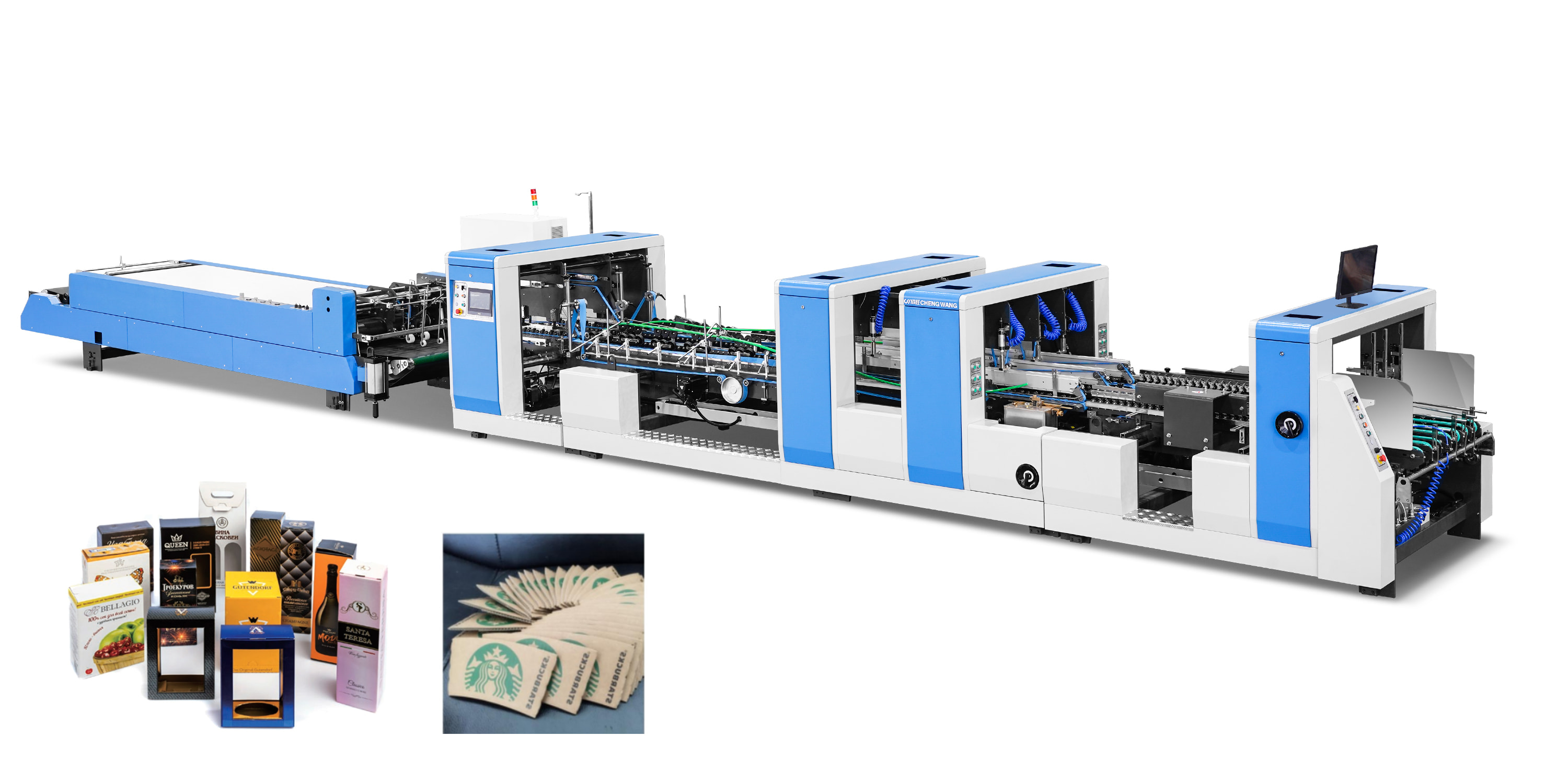
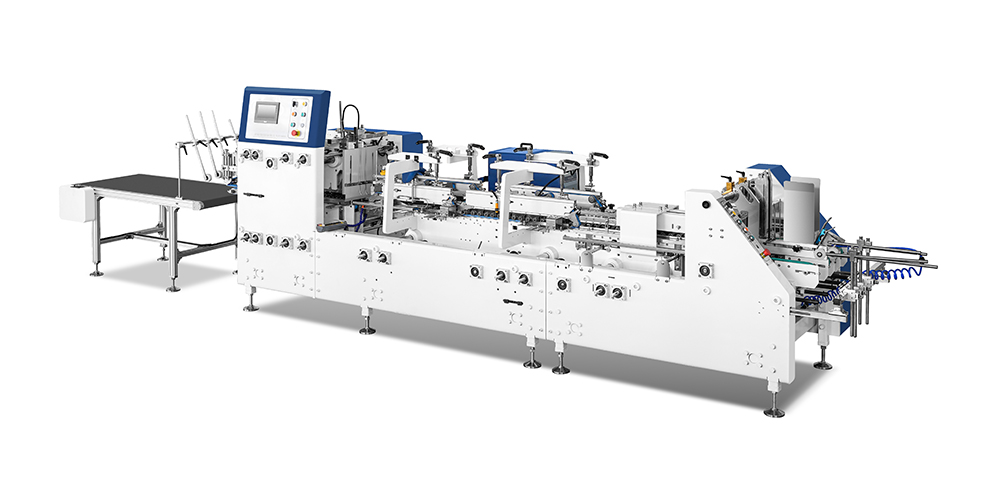
In the evolving world of packaging, the Carton Folding Gluing Machine represents the intersection of craftsmanship and precision engineering. It transforms flat sheets into sturdy, beautifully finished cartons ready for filling, transport, or display. This technology has redefined how packaging lines operate, improving consistency, saving time, and maintaining quality across every production cycle. Understanding its working process reveals how automation reshapes efficiency in packaging industries worldwide.
From Sheet to Carton – The Journey Begins
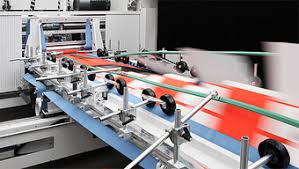
The process starts with the feeding stage, where sheets of paperboard or corrugated material are loaded into the system. The feeder automatically aligns each blank, ensuring equal spacing and smooth entry into the production path. This precision eliminates overlap and guarantees uninterrupted operation. Belts and adjustable guides coordinate perfectly to keep each sheet steady, preparing it for the next step.
Once the feeding system engages, the pre-folding section initiates the shaping process. Here, subtle creases are bent along predefined lines to prepare the sheet for final folding. This controlled action reduces tension on the paper fibers and avoids cracking, resulting in cleaner edges and more accurate geometry. Adjustable scoring tools allow for versatile use across diverse packaging designs, from compact retail boxes to large shipping cartons.
Precision in Motion – Folding with Accuracy
When the pre-folding is complete, the main folding sequence begins. Conveyor systems and mechanical arms gently guide each panel into position, following the scoring lines made earlier. Dual-belt systems maintain constant pressure to ensure alignment and prevent deformation. At this moment, the flat sheet takes on its recognizable box shape, with corners and flaps meeting precisely as intended.
Folding accuracy is vital for durability. A carton that folds uniformly can resist pressure, stack safely, and preserve the contents inside. This phase showcases the mechanical harmony of the system—each component moves in perfect rhythm, guaranteeing uniform structure without requiring manual correction.

Adhesive Application – The Heart of the Process
Next comes the gluing stage, the defining moment of the entire sequence. Specialized glue systems apply adhesive exactly along the designated seams. Some machines use fine nozzles for controlled spraying, while others employ glue wheels for broader contact. The type and amount of adhesive vary depending on material density and intended carton use.
Consistency is key here. Over-application leads to waste and uneven surfaces; too little glue weakens the bond. Automatic adhesive controllers regulate flow, ensuring each joint adheres firmly without excess residue. The result is a neat, strong bond that maintains its hold even under handling and stacking conditions.
As the glue sets, the folded sheets move through compression belts. Gentle but steady pressure allows the adhesive to cure and form a reliable seal. Within moments, the flat board becomes a functional carton—secure, uniform, and ready for stacking.
Intelligent Efficiency – The Value of Automation
The introduction of automation revolutionized the packaging industry. Machines like this reduce repetitive labor while improving production speed. Operators can monitor the process through digital interfaces that adjust speed, glue volume, or fold alignment in real time. This flexibility ensures seamless transitions between different carton sizes or styles, supporting both small custom runs and large-scale orders.
Automation also enhances product consistency. Because mechanical movements are precisely timed, every carton emerges identical in dimension and finish. This reliability minimizes material waste and shortens production cycles, allowing companies to meet high-demand schedules with confidence.
Versatility and Adaptability Across Industries
One of the most impressive features of this system is its ability to adapt to various materials. Whether handling thin paperboard for cosmetic packaging or thick corrugated sheets for shipping containers, the machine maintains stable operation. Adjustable rollers, variable pressure settings, and adaptable folding guides allow quick setup for new product lines without lengthy downtime.
This adaptability extends beyond material handling. Packaging designers benefit from the system’s flexibility to experiment with structure, closure styles, and custom die cuts. That creative freedom gives businesses the opportunity to enhance their brand image through distinctive, reliable packaging forms.
Sustainability Through Precision
Sustainability has become a central focus in packaging innovation. Modern folding and gluing systems help reduce waste by applying adhesives only where needed and optimizing sheet utilization. These machines support eco-conscious manufacturing by enabling recyclable and biodegradable materials to be processed efficiently.
By refining glue application and minimizing energy consumption during operation, packaging facilities can achieve cleaner production with reduced environmental impact. This eco-aligned efficiency resonates with global market trends that favor sustainable manufacturing and responsible resource management.
Maintenance and Operational Reliability
To keep production stable, regular maintenance is essential. Cleaning adhesive systems and conveyor belts prevents buildup that could interfere with smooth operation. Lubrication of mechanical parts maintains steady movement, while calibration checks ensure consistent accuracy. Because the system is designed for accessibility, most maintenance procedures can be performed quickly, reducing downtime and keeping workflow uninterrupted.
Reliable construction also contributes to long service life. With proper care, the machinery can run continuously under demanding schedules, preserving consistent output quality and minimizing replacement costs.
The Human Touch in a Digital Process
Even with automation, skilled operators remain integral to success. Monitoring machine parameters, adjusting settings, and inspecting finished cartons ensures quality control at every step. User-friendly control panels simplify management, displaying data such as glue temperature, speed, and material alignment.
This cooperation between human insight and digital precision represents the essence of modern manufacturing: intelligent systems guided by expertise. It ensures that technology supports creativity rather than replacing it, maintaining craftsmanship within efficiency.
A Seamless Integration of Technology and Design
Every phase—from feeding to stacking—demonstrates how mechanical precision and thoughtful engineering merge to create harmony in packaging production. The process emphasizes reliability, adaptability, and streamlined performance. Each completed carton stands as proof of this coordination: clean edges, aligned flaps, and a professional finish suitable for any product type.
Manufacturers benefit not just from faster production but from greater consistency, reduced waste, and simplified workflow management. The machine’s modular design allows for customization based on production requirements, enabling packaging businesses to respond to shifting market needs quickly and effectively.
The Role of Modern Packaging Equipment
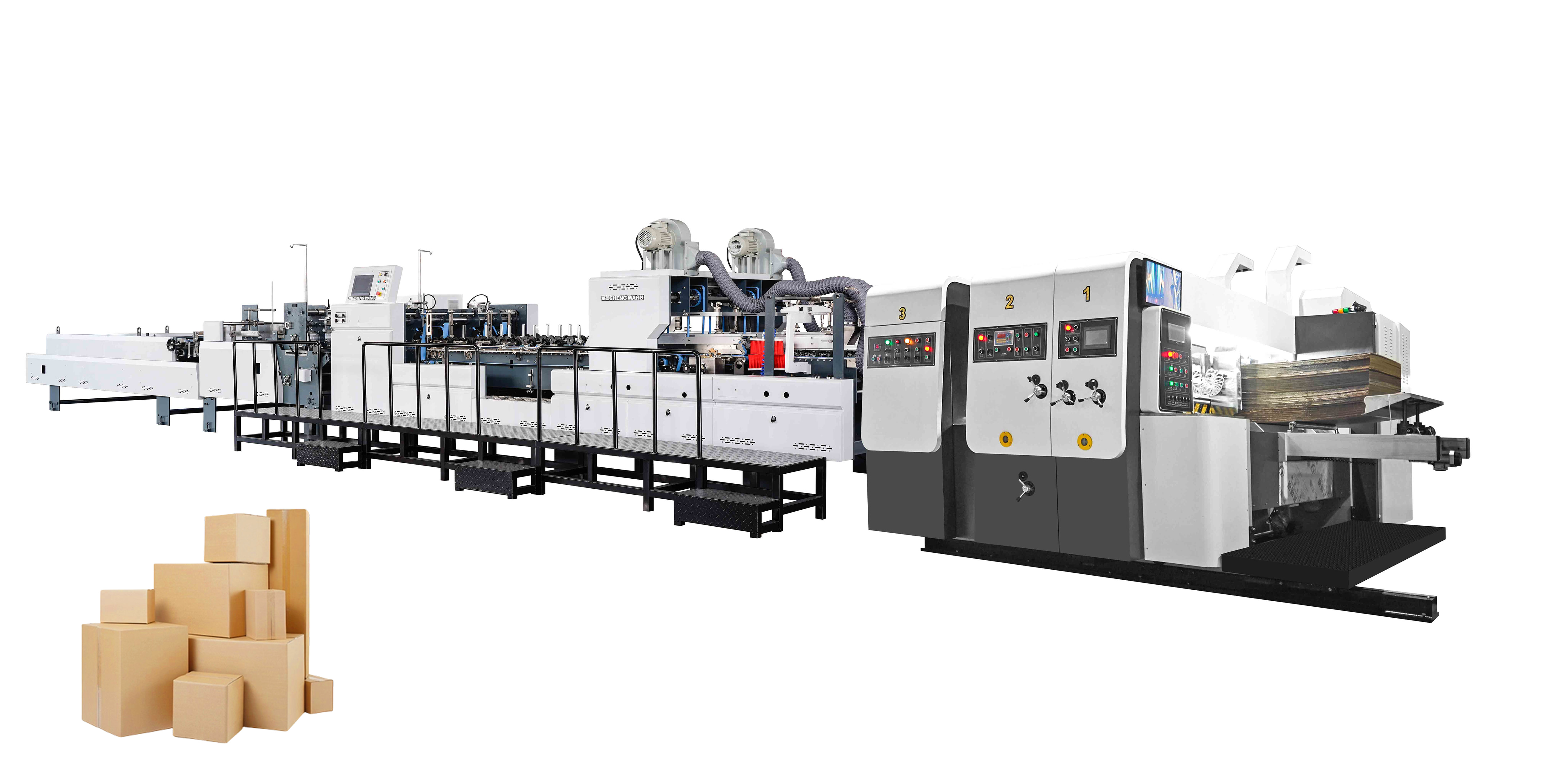
This equipment has become more than a production tool—it’s a strategic asset. By combining mechanical control with intelligent operation, it gives packaging enterprises a foundation for scalability and innovation. It brings balance between precision and adaptability, ensuring packaging lines can evolve alongside market demands.
Through the integration of advanced folding systems, consistent adhesive delivery, and automated stacking, the packaging process becomes smoother, safer, and more cost-efficient. These improvements not only raise operational output but also strengthen brand reliability through the quality of each finished carton.
Driving the Future of Packaging
As industries continue to evolve, the importance of reliable packaging machinery grows alongside. Folding and gluing systems provide the structure that keeps products secure, visually appealing, and efficiently manufactured. Their design reflects the future of production—automated, precise, and sustainable.
The packaging field is moving toward a smarter, greener, and more efficient future. Integrating such systems ensures that manufacturers stay aligned with modern standards while meeting diverse customer expectations.
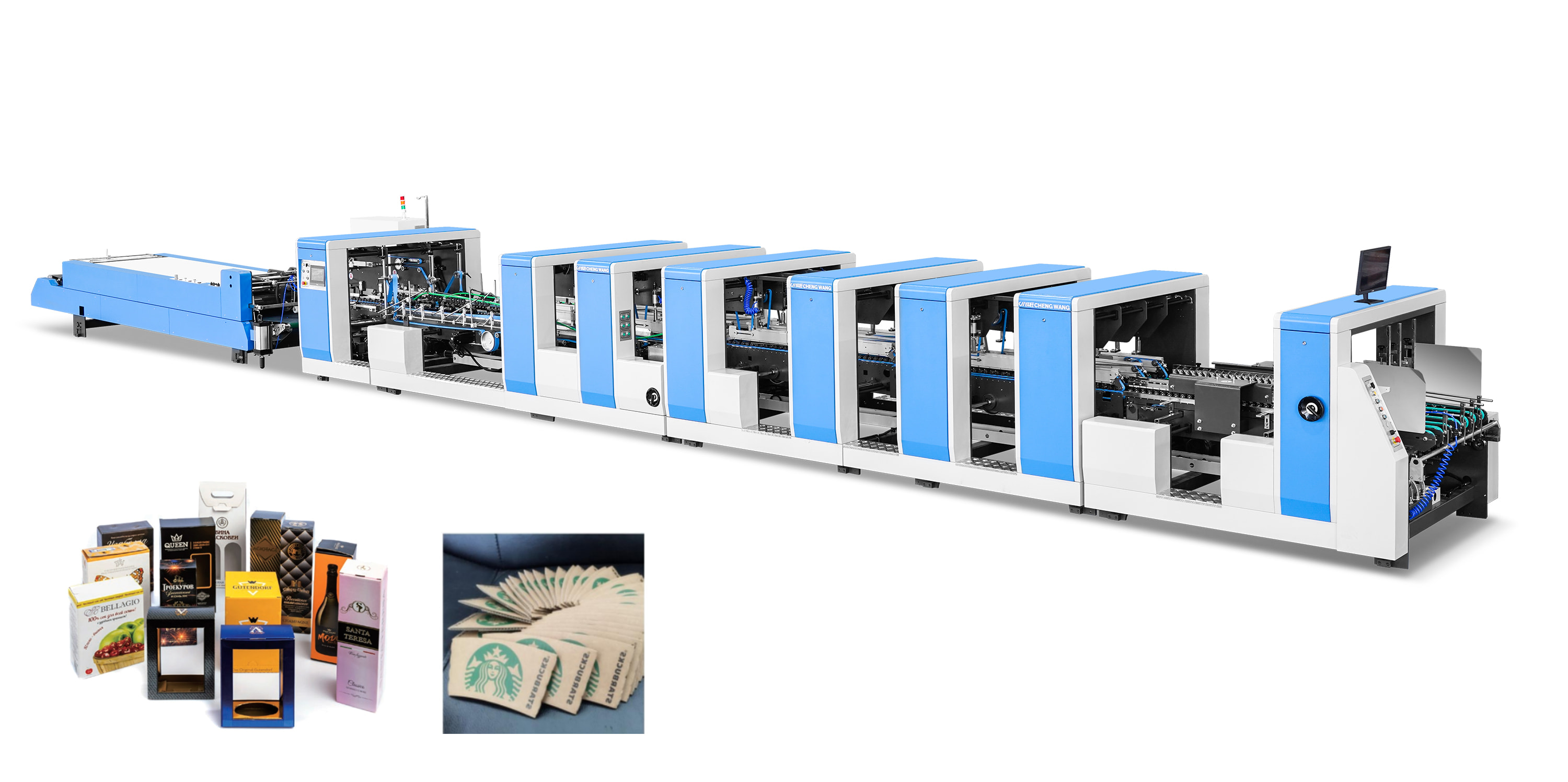
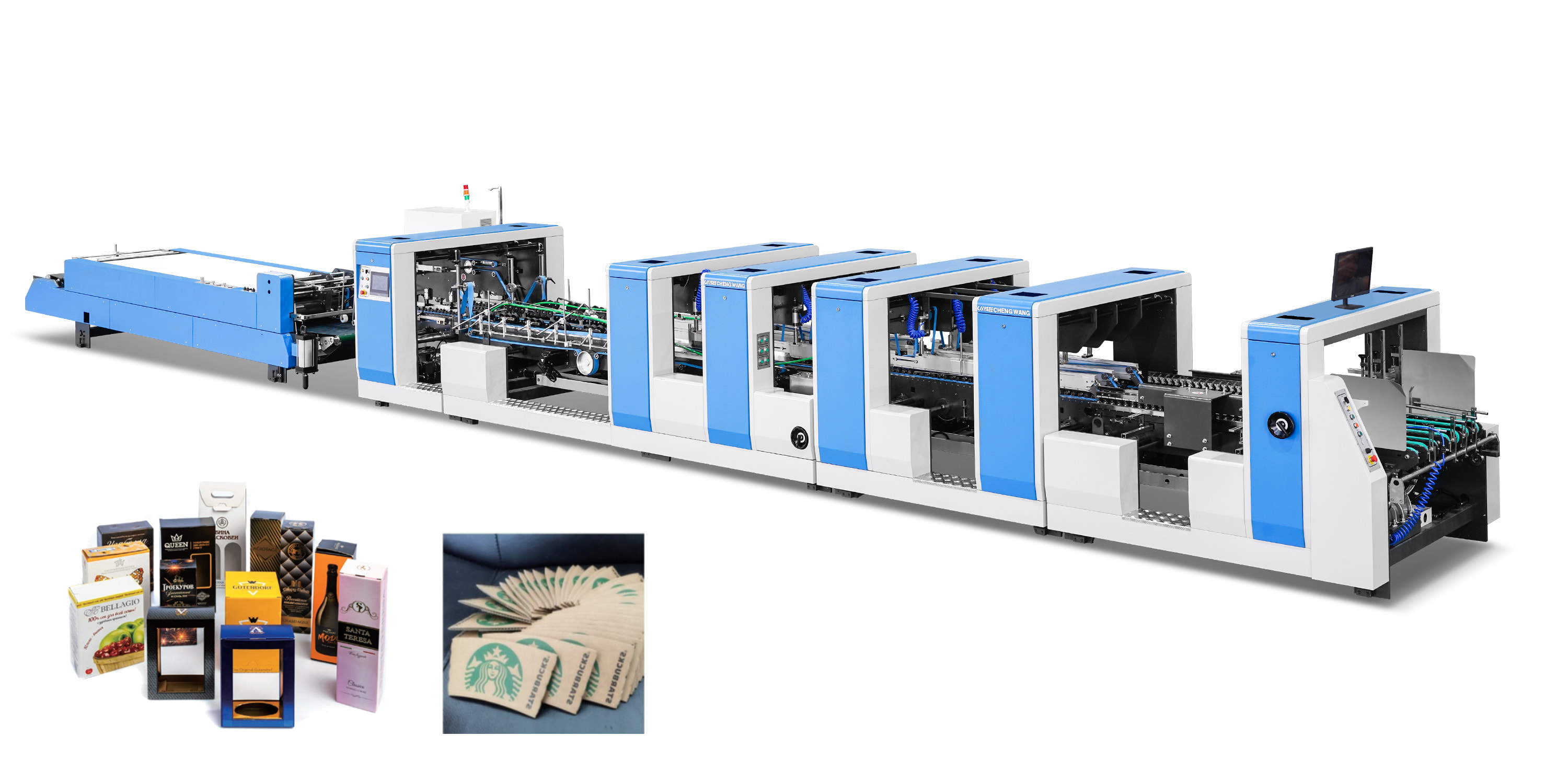
By combining innovation, accuracy, and dependable operation, the Carton Folding Gluing Machine remains at the heart of contemporary carton manufacturing. It delivers balance between speed and precision, helping producers maintain consistent performance while reducing operational strain. For companies seeking to enhance their packaging capabilities and strengthen their production efficiency, collaborating with cenwan provides a trusted path toward achieving sustainable growth and advanced automation in every packaging line.
Recommended Products
Focus on providing high-quality folder-gluing equipment to customers around the world.



No.3888, Jiangnan Avenue, Nanbin Street, Ruian City, Wenzhou City, Zhejiang Province, China







Privacy Policy Copyright © Zhejiang Chengwang Intelligent Packaging Equipment Co., Ltd.
High Speed Folder Gluer Factory