English
 русский
 Français
 Español
 Deutsch
Choosing the Right Automatic Gluing Machine for Your Workshop
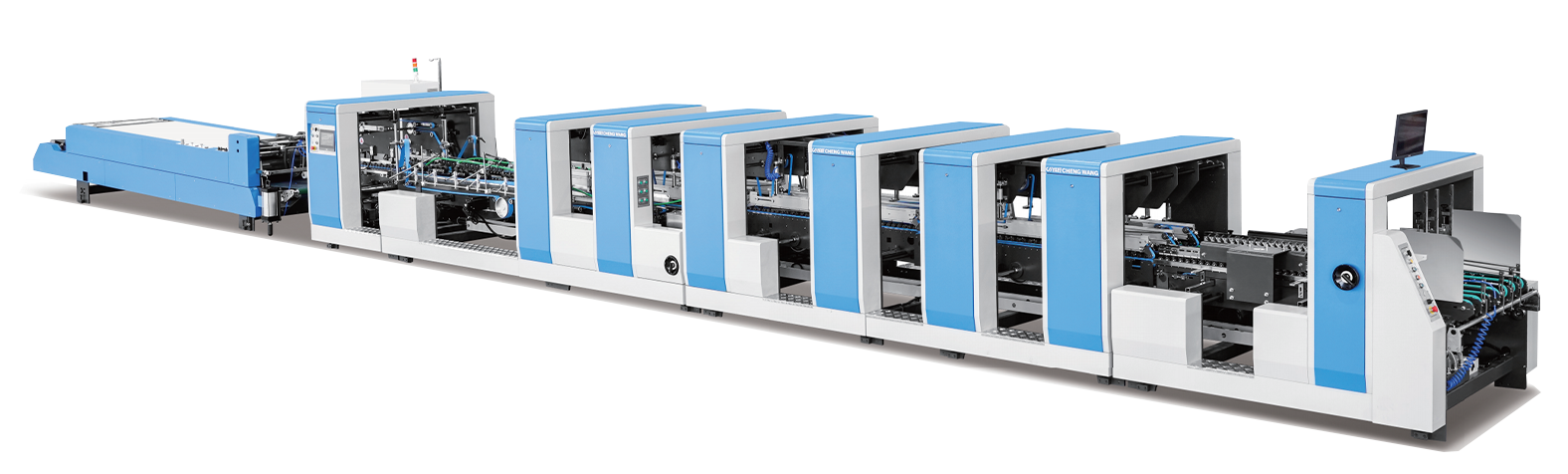
In workshops that handle paper, cardboard, or other sheet materials, gluing is one of the most frequent and repetitive tasks. Whether for assembling packaging, binding laminated sheets, or preparing craft products, achieving a consistent and precise glue line can significantly affect both the appearance and strength of the final item. Over time, the demand for greater precision and speed has led to the growing use of automatic gluing machines in small and medium-sized production spaces.
An automatic gluing machine automates the process of applying adhesive to flat or pre-folded materials. It ensures uniform glue distribution, reduces waste, and allows operators to manage multiple pieces at once. Choosing the right machine, however, involves more than simply matching dimensions. Each workshop has unique needs in terms of materials, space, and production volume. This article explores the essential considerations for selecting a suitable automatic gluing machine, offering a practical framework for decision-making based on real manufacturing principles rather than promotional claims.
Understanding the Basics of Automatic Gluing Machines
Automatic gluing machines are designed to apply adhesive consistently to flat surfaces such as paperboard, corrugated cardboard, or laminated sheets. In a typical setup, sheets are fed into the machine, glue is applied through rollers or nozzles, and the pieces are then pressed or folded for bonding.
Most machines share three main subsystems:
- Feeding System – Moves the sheets from a stack into the gluing section. Belt or roller feeders ensure steady alignment, which is crucial for preventing mis-gluing.
- Gluing System – Applies adhesive using either a roller system (for uniform layers) or a nozzle/spray system (for precise lines). The type of glue and viscosity directly influence performance.
- Delivery and Pressing Section – Collects and compresses glued sheets to secure adhesion while drying.
Automatic systems differ from manual ones by providing controlled speed, even glue coating, and the ability to handle large quantities with reduced fatigue. While industrial lines can process thousands of sheets per hour, smaller models suitable for workshops generally range from 20 to 60 meters per minute in running speed. This moderate pace balances control and output for small-batch production.
Assessing Your Workshop's Needs
Before deciding which machine to purchase, it is essential to evaluate how and where it will be used. A workshop that glues small packaging boxes requires a very different setup from a craft studio assembling laminated displays.
Production Volume:
- If you produce a few dozen items per day, a compact tabletop or entry-level automatic unit is sufficient.
- For continuous or small-scale batch production (hundreds of sheets daily), a floor-standing unit with continuous feeding is more practical.
Available Space:
- Check the footprint of the machine — many automatic gluers are between 1.5 to 3 meters in length.
- Allow space for material in-feed, operator movement, and storage of glued items.
Material Compatibility:
- Different machines handle various thicknesses. Paperboard up to 4 mm thick is common, while corrugated sheets may require stronger feeding and pressure rollers.
- Coated materials or glossy finishes need special glue rollers or adjustable pressure to prevent slipping.
Power and Safety:
- Most workshop-scale machines run on 220–380V, depending on region and motor configuration.
- Safety covers, emergency stops, and non-slip platforms are worth prioritizing.
Operator Skill:
- Look for an interface that matches your team’s technical familiarity. Simple digital control panels or analog knobs can both be effective depending on usage frequency.
By reviewing these factors early, you can narrow your options to machines that truly fit your daily workflow instead of over-investing in unnecessary capacity.
Key Features to Look For
Understanding each functional component helps identify what truly matters in everyday operation.
Feeding Mechanism
Continuous belt feeding ensures consistent flow. Side guide rails and vacuum suction systems improve alignment, particularly for thin sheets.
Gluing Unit
- Hot Melt Glue Systems: Ideal for fast bonding and coated materials, but require precise temperature control.
- Cold Glue Systems: Water-based adhesives are common for paper and cardboard; easier to clean but slower to cure.
- Adjustable glue thickness and width help adapt to different project types.
Pressure Section
After gluing, the material passes through pressing rollers to remove air bubbles and secure adhesion. Consistent pressure prevents uneven bonding.
Control System
Machines may feature speed controls, digital displays, or basic start-stop interfaces. Even simple controls should allow adjustment of feeding speed and glue amount.
Maintenance Accessibility
Easy removal of rollers and open design around glue tanks simplifies cleaning — especially important when using water-based adhesives prone to buildup.
Safety Design
Look for emergency stops and guard covers. These features minimize risk when working with moving rollers and hot adhesives.
Each of these elements contributes to performance consistency. While advanced models include sensors for alignment or temperature, even basic setups can perform well when maintained properly.
Understanding Technical Specifications
Machine datasheets often list detailed parameters. Knowing what they mean prevents confusion when comparing models.
- Speed: Measured in meters per minute or sheets per hour. A moderate pace (30–50 m/min) is practical for workshop environments.
- Sheet Size Range: Defines the maximum and minimum material dimensions the machine can handle.
- Material Thickness: Usually 0.1–4 mm for most paper or light cardboard.
- Glue Application Width: Adjustable via roller settings; commonly between 5–50 mm depending on the model.
- Power Requirements: 2–5 kW is typical for mid-range machines.
- Weight and Dimensions: Heavier frames (200–400 kg) improve stability during operation.
These figures don’t determine quality by themselves but help confirm if a model aligns with your space, material, and energy setup.
Comparing Different Types of Automatic Gluing Machines
Workshops may encounter several categories of gluing machines:
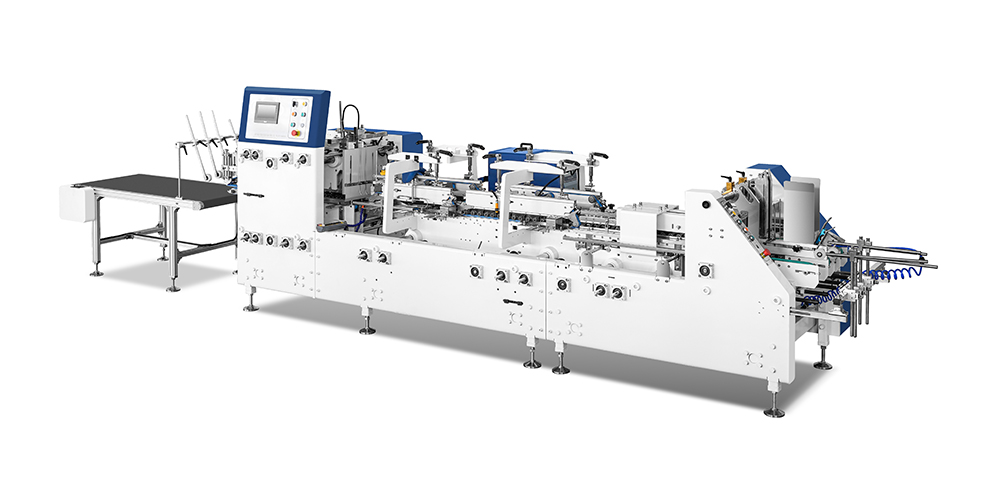
- Side Gluing Machines: Designed for applying glue along one edge — common in folder and carton work.
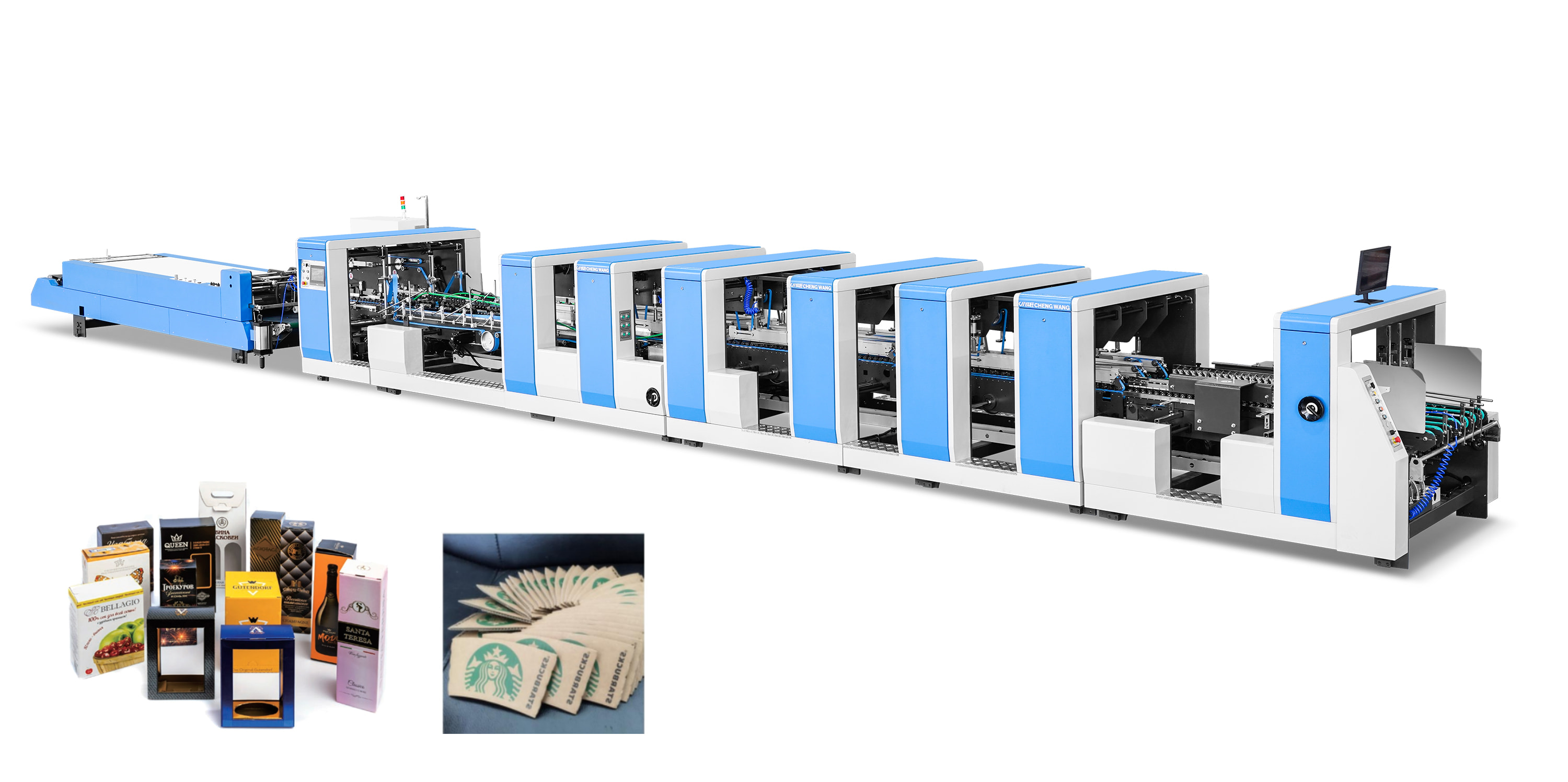
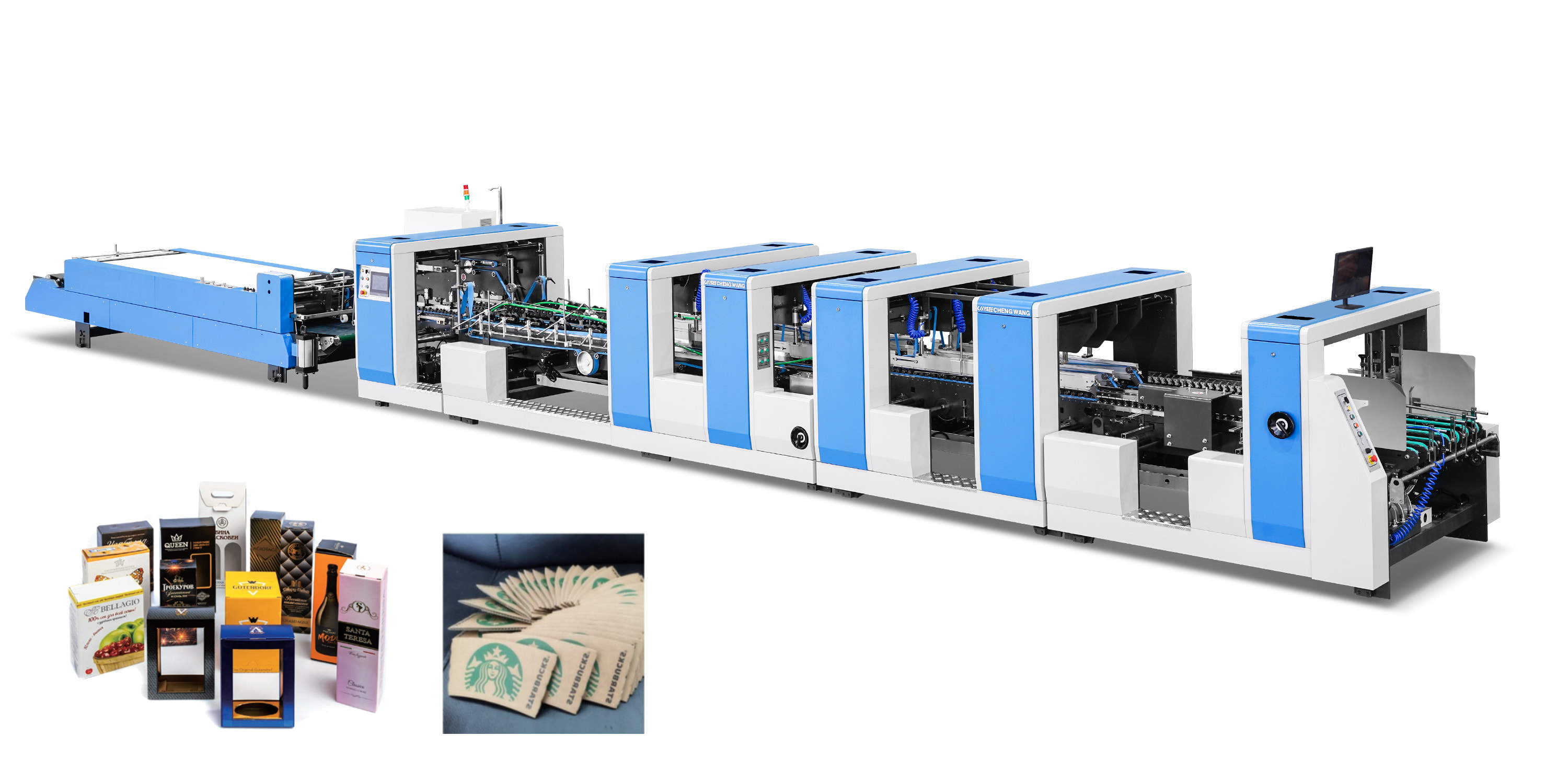
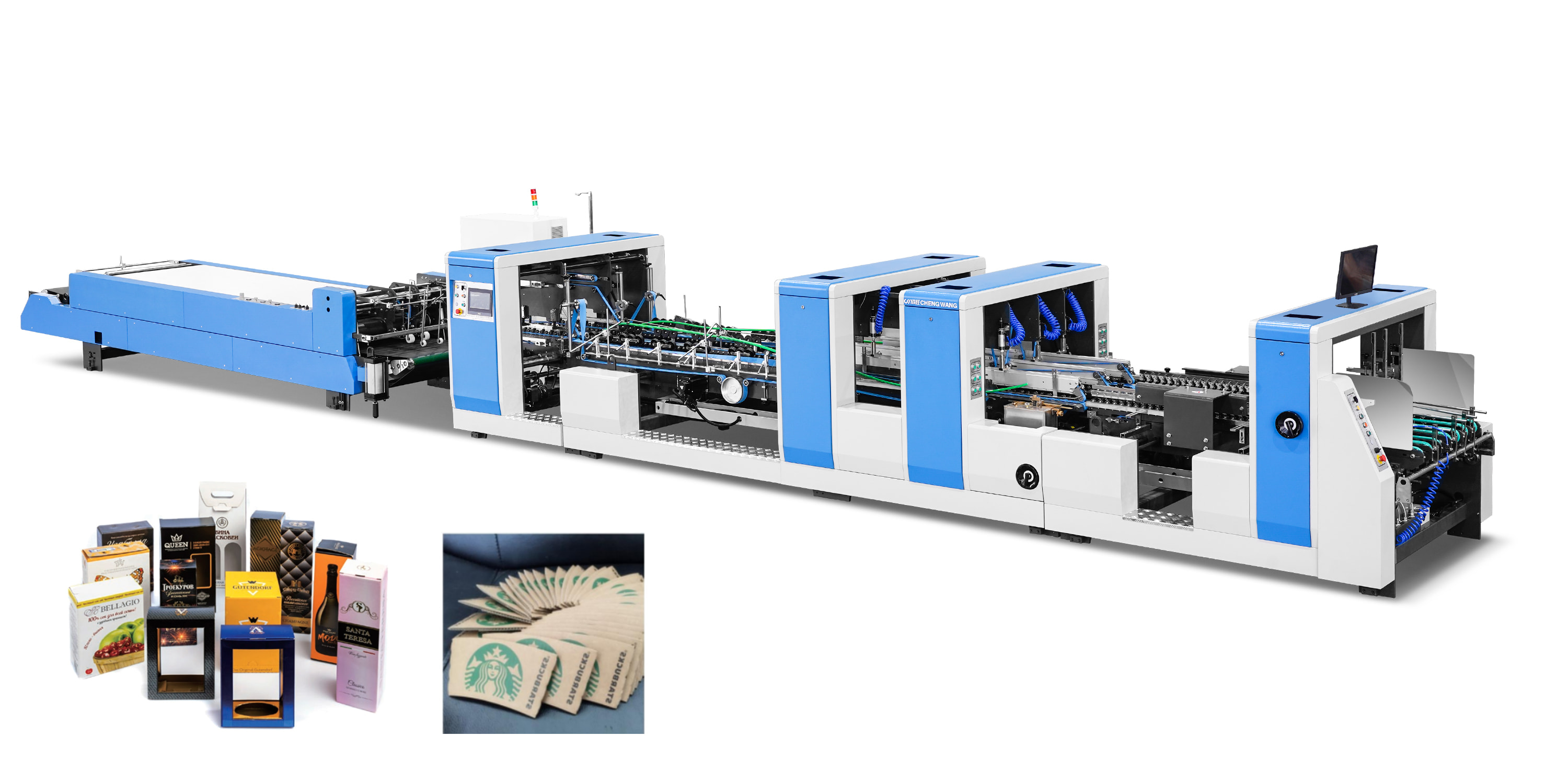
- Folder-Gluer Machines: Combine folding and gluing in one process, suitable for forming boxes.
- Crash-Lock Bottom Gluers: Used for folding cartons with pre-locked bottoms; more complex but efficient.
- Multi-Purpose Gluers: Adaptable to different materials; ideal when workshop projects vary in shape or size.
Each type supports specific packaging styles, so choosing based on your regular product form saves setup time and maintenance effort.
Evaluating Long-Term Usability and Maintenance
Routine care determines how long your investment remains productive.
- Cleaning: Glue tanks and rollers should be cleaned after each session to prevent dried residue.
- Lubrication: Bearings and chains require periodic oiling for smooth motion.
- Inspection: Check alignment and roller wear regularly — uneven glue lines often result from worn components.
- Replacement Parts: Selecting a model with easily sourced rollers, belts, or sensors ensures less downtime.
- Operator Safety: Staff should always power off the machine before cleaning or adjusting components.
Proper upkeep reduces glue waste and mechanical strain, extending the operational life significantly.
Balancing Budget,Quality,and Functionality
Cost is not only about purchase price. Consider:
- Operating Costs: Electricity, adhesive consumption, and maintenance materials.
- Durability: Steel frames and precision bearings last longer than lightweight builds.
- Scale Appropriateness: Over-sized machines may consume unnecessary energy and space.
- Incremental Upgrades: Start with a simple gluer and expand automation later if production grows.
A well-chosen automatic gluing machine can operate reliably for years with only routine maintenance — a reasonable balance between investment and productivity.
Preparing for Installation and Integration
Before bringing a new machine into the workshop:
- Plan the layout so materials flow from storage to machine to finished goods without congestion.
- Ensure stable electrical supply and grounded wiring.
- Provide ventilation for hot glue systems or solvent adhesives.
- Train operators to monitor glue levels, speed, and pressure.
- Conduct test runs using sample materials to confirm consistency before full production.
Proper preparation ensures smooth integration without disrupting existing workflow.
Selecting the right automatic gluing machine is not about chasing the latest model but about understanding your own production patterns and material needs. Evaluating the size, adhesive type, operating speed, and maintenance requirements helps ensure that the equipment aligns with your daily processes and long-term goals.
Workshops that invest time in careful evaluation often find that even a modestly sized automatic gluer can bring remarkable consistency, save manual effort, and increase overall precision in everyday packaging or craft assembly tasks.
For readers interested in exploring further technical details, specifications, and examples of automatic gluing machines designed for small-scale or workshop applications, the Cenwanmachine website offers comprehensive product information and practical guidance on configuration and use. Visiting cenwanmachine can provide an informed next step for those considering integrating automated gluing into their daily workflow.
Recommended Products
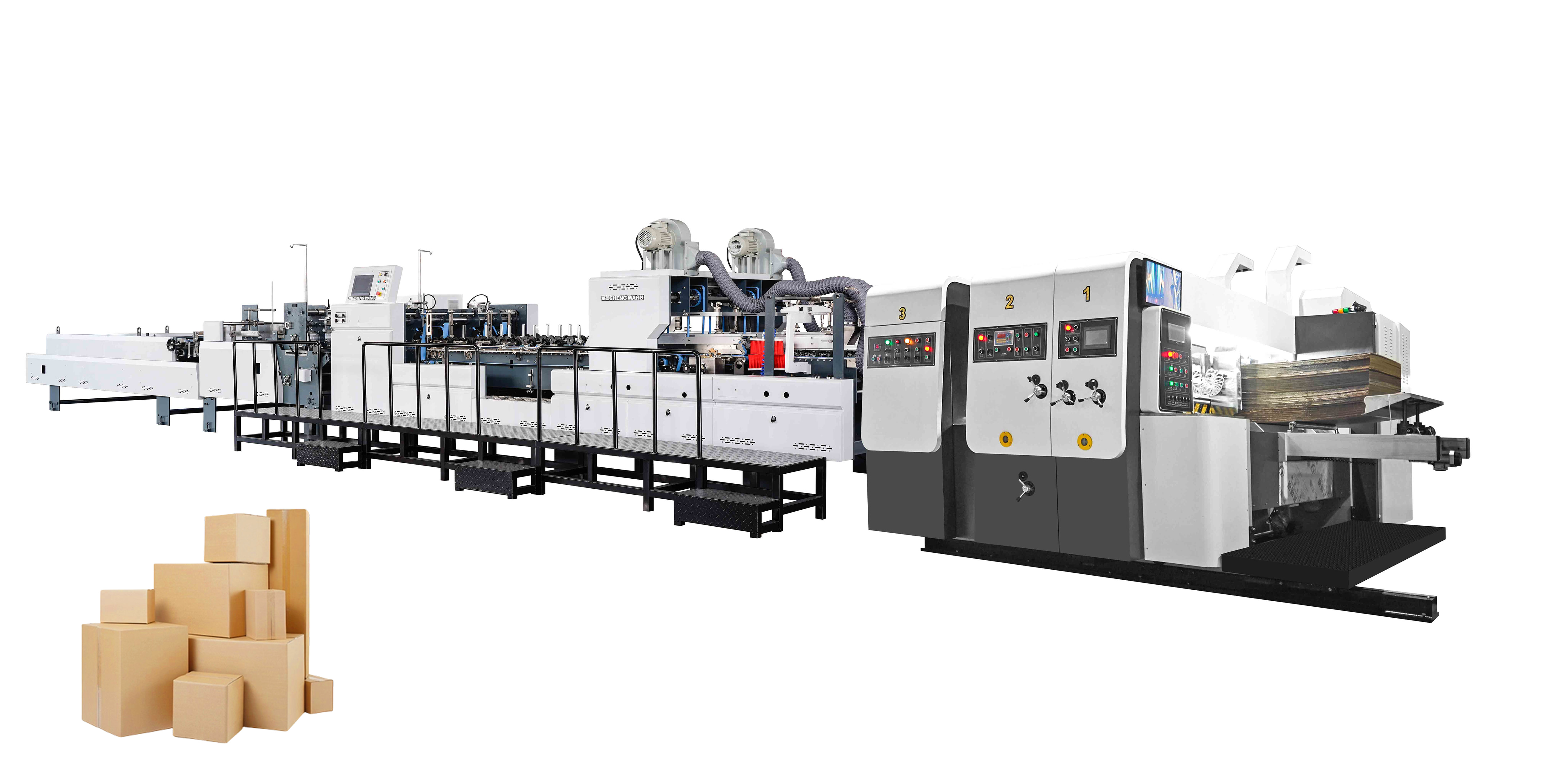
Focus on providing high-quality folder-gluing equipment to customers around the world.



No.3888, Jiangnan Avenue, Nanbin Street, Ruian City, Wenzhou City, Zhejiang Province, China







Privacy Policy Copyright © Zhejiang Chengwang Intelligent Packaging Equipment Co., Ltd.
High Speed Folder Gluer Factory