English
 русский
 Français
 Español
 Deutsch
Could Folder Gluer Machine Manufacturers Reframe Packaging Production
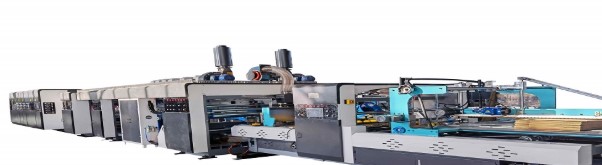
As demand for flexible, efficient packaging rises, the makers of converting equipment are attracting fresh attention. Inline systems that combine printing, creasing, cutting, folding and gluing in a continuous flow are central to modern case and carton production — and the businesses that supply those systems play a decisive role in how packaging lines are designed and operated.
A convergence of printing and converting
The contemporary line that transforms flat board into finished cases brings several previously separate operations together. By integrating flexographic printing stations ahead of converting modules, production can deliver finished, branded cases without interrupting the run for offline printing. This inline philosophy shortens lead times and reduces touchpoints between print and finishing.
- Why integration matters
- Integration reduces the number of passes a blank must make through different machines, which can lower the chance of misregistration and reduce handling errors.
- Operators gain the ability to align print and cut precisely, enabling tighter visual outcomes for color and layout.
- For short to medium runs, inline workflows provide predictable output that supports promotional or seasonal jobs.
Key sections that define a line
Most continuous converting lines include several recognizable areas that together define productivity and flexibility.
- Feeding and blank preparation
A stable feed stage squares and presents board consistently, which is essential for accurate downstream operations. Proper feeding reduces the likelihood of misfeeds and maintains print registration as the material moves through the line.
- Multiple print stations
Printing stations are placed while the board remains flat so each color or graphic element can be applied in sequence. Consistent ink delivery and reliable registration across these stations are central to achieving a crisp printed surface that requires no secondary processing.
- Creasing, cutting and optional die-cutting
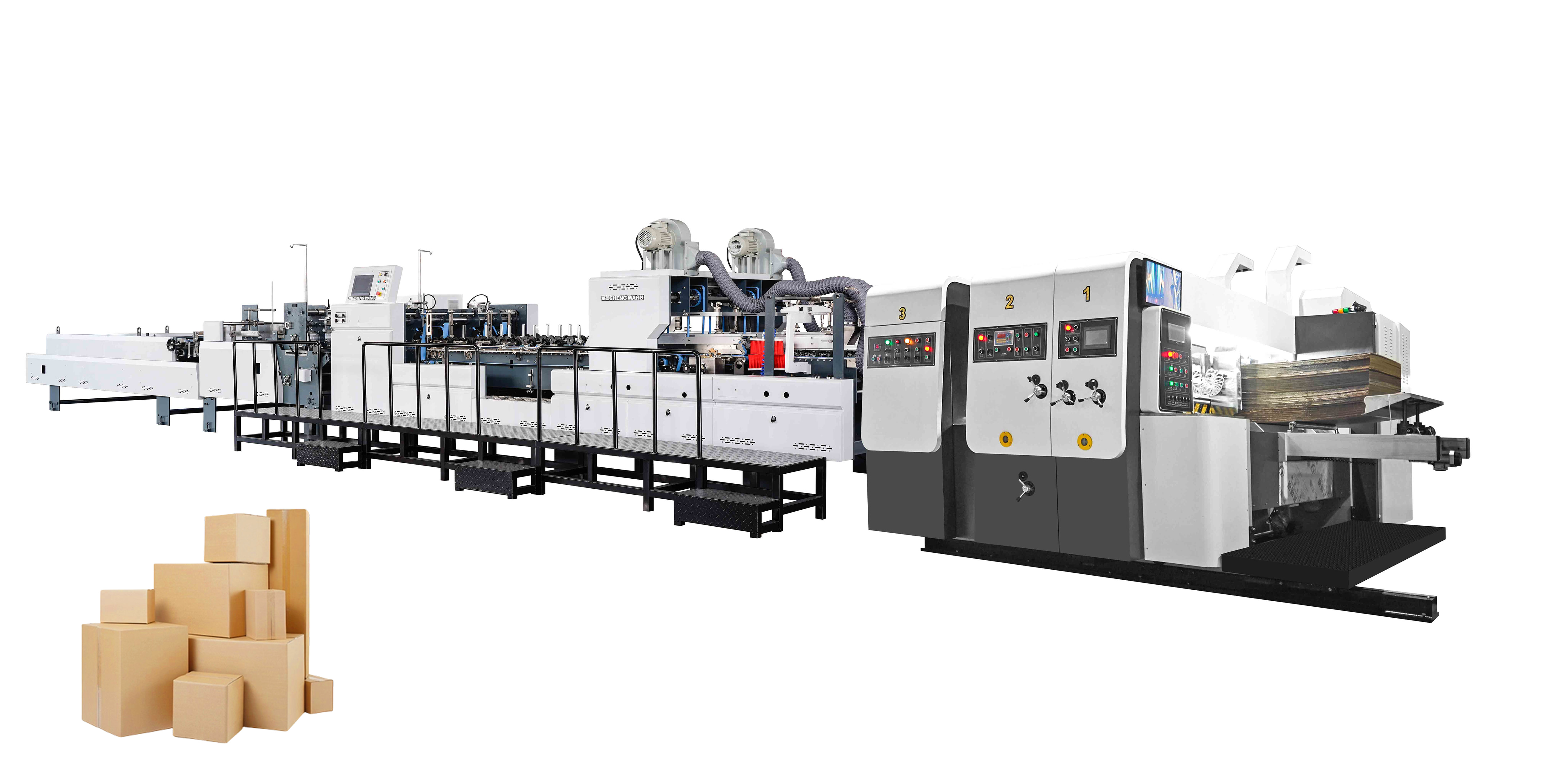
After printing, the blank travels through creasing and slotting modules that form fold lines and cut openings. For specialized shapes or windows, an inline rotary die module can produce complex geometry without breaking the continuous flow.
- Folding, gluing and stacking
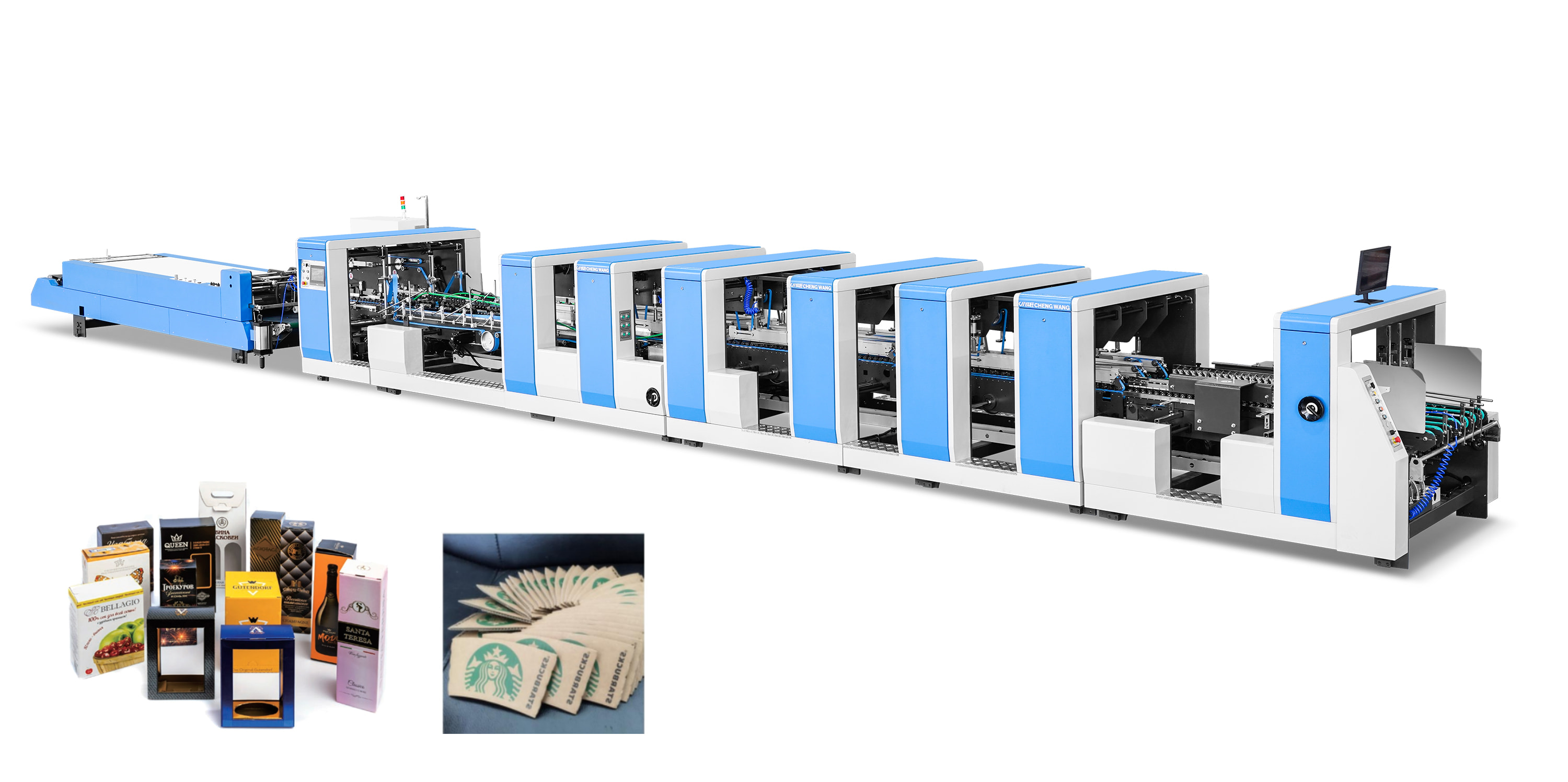
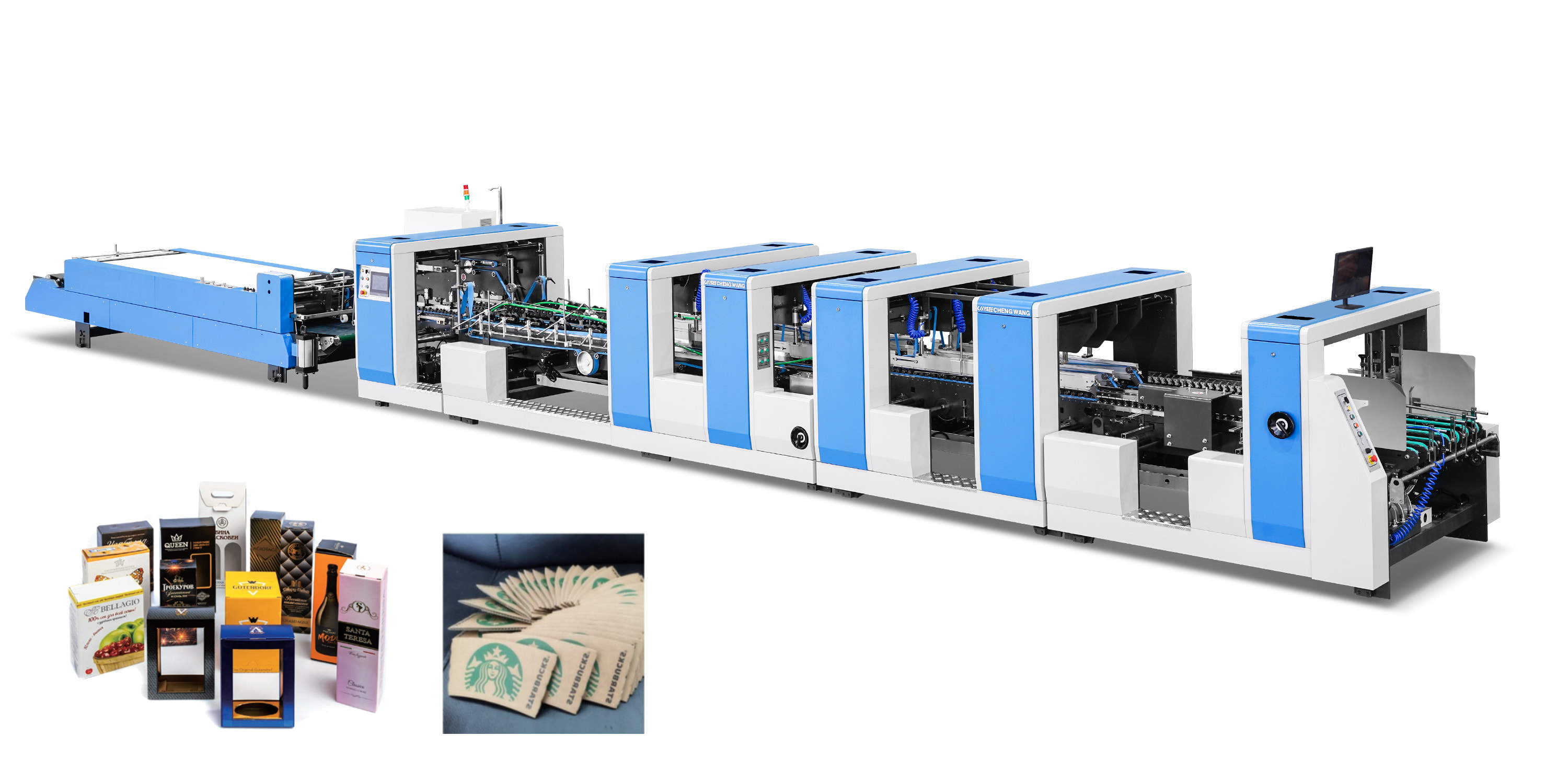
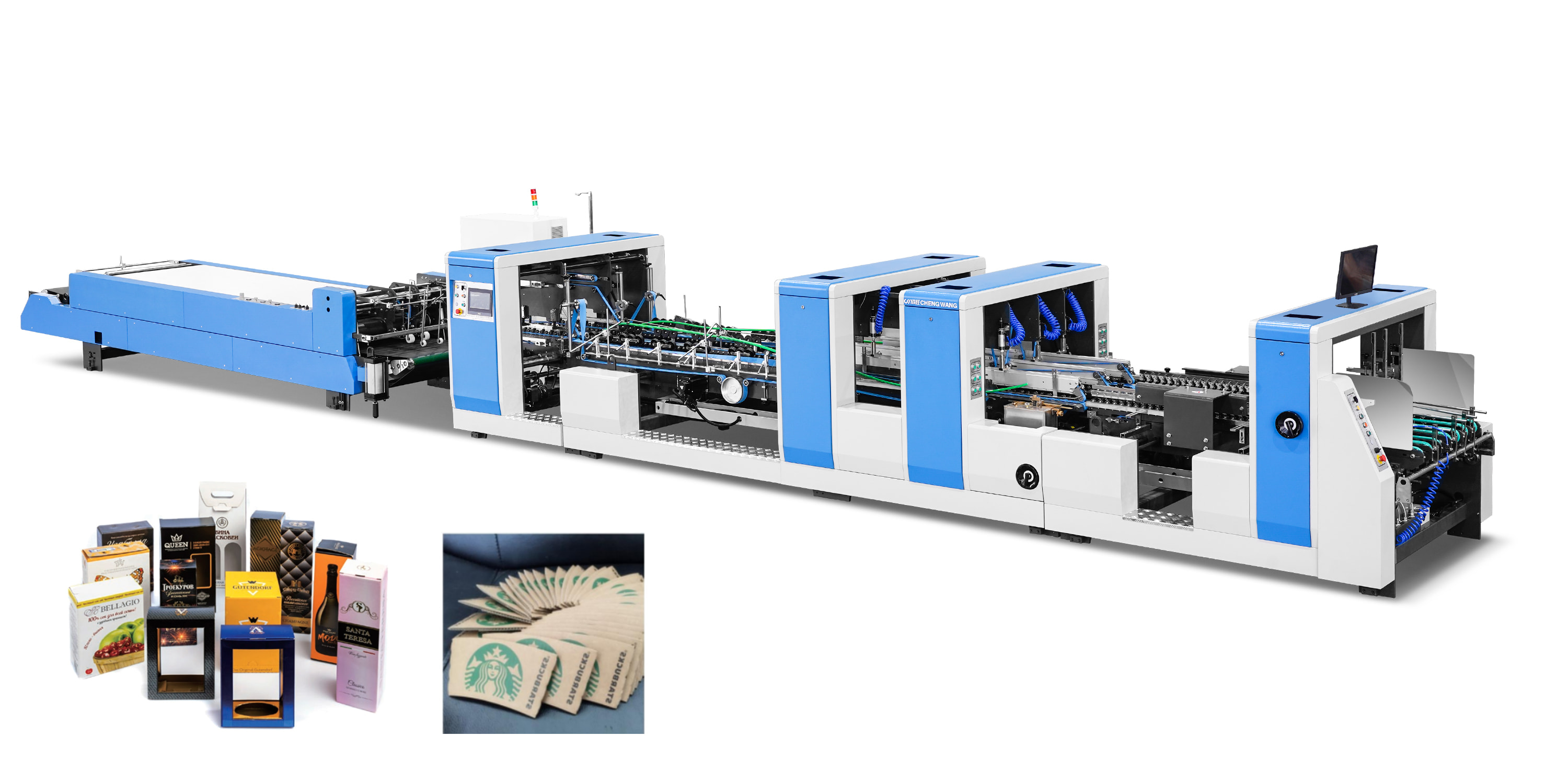
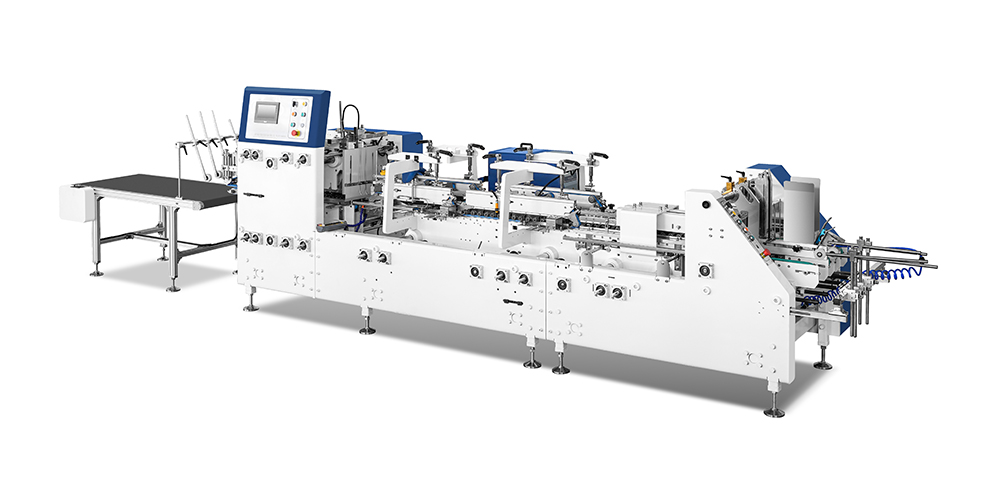
The folder-gluer area applies adhesive to a glue tab and folds the blank into a box form, finishing the conversion. Completed units are then collected and stacked according to pack quantity, ready for downstream handling or palletizing.
What that means in operation
Decisions made by Folder Gluer Machine Manufacturers influence the ease of set-up, the repeatability of jobs, and how quickly a line can change between product types. Equipment features that support simple changeovers, reliable registration, and consistent adhesive application directly affect throughput and waste levels.
- Practical effects on scheduling and cost
Faster changeovers allow more jobs to be scheduled within a shift, improving responsiveness to market demands.
Improved registration quality reduces spoiled material and lowers net material cost per job.
Consistent folding and gluing reduce rework and customer complaints related to packaging performance.
Quality control along a continuous line
Running printing and converting inline concentrates potential error sources but also concentrates opportunities for inspection. Inline visual checks and routine in-process sampling help detect color drift, misalignment, or creasing errors early so adjustments can be made before substantial waste accumulates.
- Where to focus inspection
Print density and registration across colors.
Accuracy of creases and cut lines relative to the printed image.
Adhesive placement and fold integrity during the folder-gluer stage.
Material and tooling choices
Different board types behave differently during printing, creasing, and folding. Selecting appropriate tooling and matching it to substrate properties ensures clean folds and consistent print reproduction. Manufacturers that produce adaptable tooling systems make it easier for converters to switch between board grades without extensive setup time.
- Material handling considerations
Thicker or more rigid boards need different fold handling than lightweight substrates.
Certain finishes or coatings on boards affect ink adhesion and may change drying or set times.
Tooling geometry can be tuned to reduce material stress and avoid cracking on creases.
Safety, maintenance and operator training
High-throughput lines require disciplined maintenance and a trained workforce. Regular cleaning of ink systems, scheduled checks of cutting elements, and preventative maintenance on folding modules all contribute to uptime. Training programs that emphasize safe handling and quick changeover techniques also reduce downtime and improve consistency.
- Maintenance priorities
Keep ink delivery and metering systems clean and well-maintained.
Inspect creasing and cutting tools for wear before each significant job.
Calibrate folding and adhesive application regularly to maintain product integrity.
Economic and sustainability perspectives
Inline solutions can deliver operational benefits that translate to economic outcomes: lower labor for handling, reduced inventory of intermediate goods, and less waste when set up correctly. From an environmental angle, reducing spoilage and optimizing nesting of blanks contribute to resource efficiency. Converters and their equipment suppliers both have roles in finding balanced approaches that consider throughput, cost, and environmental footprint.
- Operational savings vs. capital planning
While integrated lines require upfront planning, they can lower per-unit handling costs over many runs.
The choice of inline vs. modular systems should reflect production mix, run lengths, and facility layout.
Core components and operational tips
| Component | Role in the line | Operational tip |
|---|---|---|
| Feeding and squaring | Presents blanks consistently to the line | Verify feed alignment at job start to prevent register drift |
| Print stations | Apply each color or graphic element | Monitor ink metering and color balance frequently |
| Creasing and cutting | Create fold lines and slots for assembly | Inspect tooling for wear and adjust pressure for substrate |
| Optional die-cut | Produce windows or special shapes inline | Run a short test to confirm registration before full production |
| Folder-gluer | Apply adhesive and form the box | Check adhesive coverage and fold sequencing during initial run |
| Stacking/discharge | Collect and bundle finished cases | Match stack heights to downstream handling capabilities |
Where manufacturers influence outcomes
Folder Gluer Machine Manufacturers determine much of the practical capability of a line through design choices: the method of ink metering, the approach to tooling changeover, the control systems for registration, and the configuration of folding modules. These choices shape how a converter can respond to market demands and how quickly an operator can bring a new job to quality output.
- Collaboration across the supply chain
Close collaboration between converters, equipment makers and material suppliers helps align expectations. When tooling and substrate behavior are discussed up front, equipment settings and job profiles can be pre-validated, reducing ramp-up time on production days.
Moving the Industry Forward
As converters look to deliver high-quality printed cases with predictable lead times, the role played by equipment suppliers gains strategic weight. The features and service models offered by Folder Gluer Machine Manufacturers influence line efficiency, quality consistency, and the ability to adapt to new packaging styles. For teams planning upgrades or new installations, consulting suppliers and testing options in the context of real job mixes helps create practical, long-lasting solutions — and for those seeking examples and further information, resources such as Zhejiang Chengwang Intelligent Packaging Equipment Co., Ltd. can provide visual references and specification guides to support planning.
Recommended Products
Focus on providing high-quality folder-gluing equipment to customers around the world.



No.3888, Jiangnan Avenue, Nanbin Street, Ruian City, Wenzhou City, Zhejiang Province, China







Privacy Policy Copyright © Zhejiang Chengwang Intelligent Packaging Equipment Co., Ltd.
High Speed Folder Gluer Factory