English
 русский
 Français
 Español
 Deutsch
How Corrugated Box Gluer Machine Improves Box Assembly
Box making rarely stops at one step. Cutting, folding, gluing, and collecting all need to stay in line with each other, otherwise the whole flow becomes uneven. Once order size grows or styles change more often, manual handling starts to feel slow and hard to keep steady.
Packaging work also tends to repeat the same motion many times. A worker may place one box after another, adjust alignment, apply adhesive, then press the folded sections together. That rhythm can hold for a small batch, yet it becomes harder to keep in balance when production keeps moving through the day.
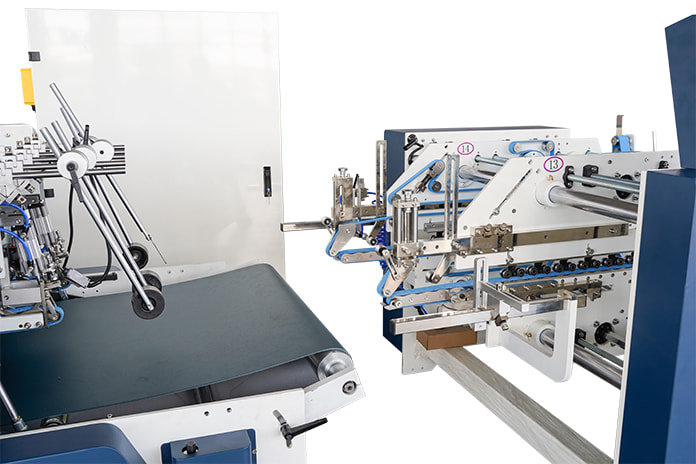
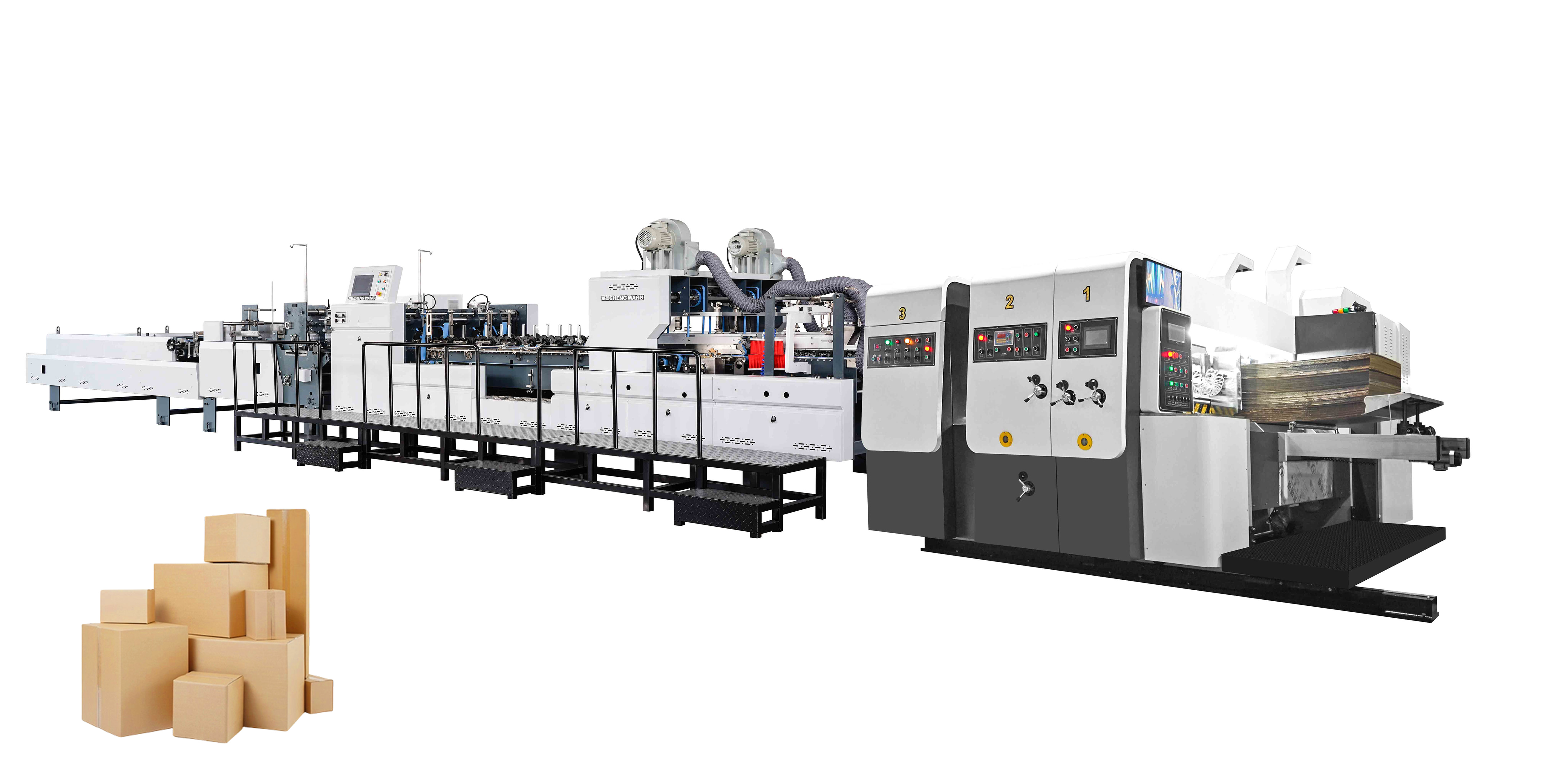
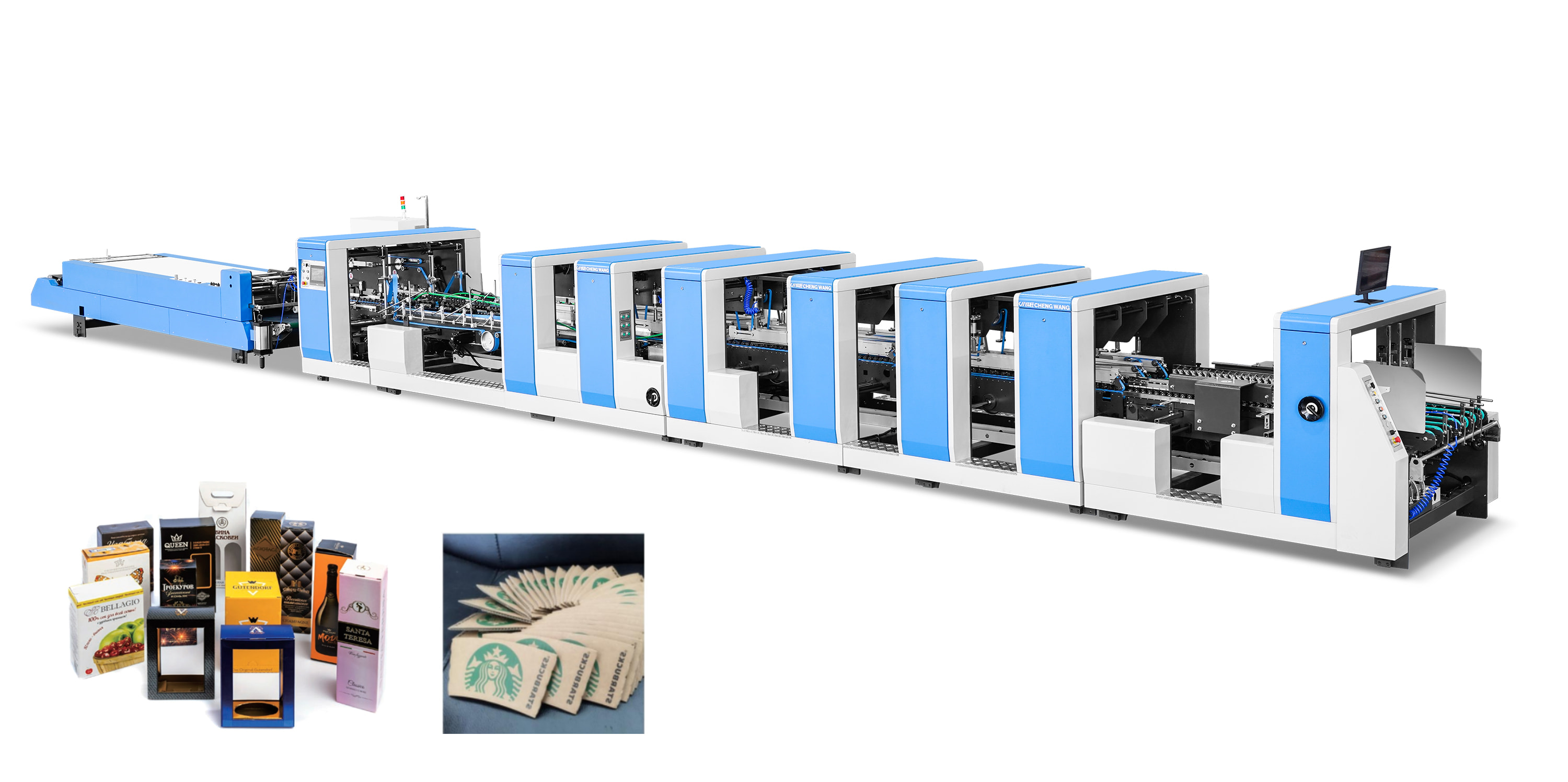
A Corrugated Box Gluer Machine fits into that kind of work by bringing feeding, folding, and gluing into one connected process. Instead of treating each stage separately, the machine keeps the material moving in a set path, which makes box assembly easier to organize.
Common reasons for using gluing equipment include:
- smoother handling during repeated box making
- less manual repositioning between steps
- better control of the folding path
- steadier daily production flow
Packaging materials are not always the same. Some are light and flexible, while others feel thicker and need a firmer folding action. Box style also changes the way assembly has to be handled. Because of that, equipment choice usually depends on the real working situation rather than one fixed rule.
When the assembly process is arranged well, each stage supports the next. Material enters in order, adhesive goes to the right place, folding happens without too much adjustment, and finished boxes move out with fewer interruptions.
How Does A Corrugated Box Gluer Machine Support The Assembly Process
Box assembly works best when each action follows the one before it. Material has to enter in a stable position, glue has to reach the right area, and folding has to happen without pushing the sheet out of line.
Feeding begins the process. If the material is off position at this stage, later steps usually need more correction. A stable feed gives the following section a better starting point.
Adhesive application comes next. The amount and location of glue affect how well the folded sections hold together. Too much adhesive may create unnecessary buildup, while too little can leave the connection weak or uneven.
Folding changes the flat material into a box shape. During that step, movement and alignment need to work together. Once the folding path stays steady, the finished box is easier to form in a consistent way.
A basic box assembly flow often includes:
- material feeding and positioning
- adhesive placement
- folding and shaping
- box output and collection
Each step depends on the one before it. A shift in feed position may affect folding, and a change in adhesive placement may affect the way the box closes. That is why stable machine movement matters so much in daily packaging work.
A Carton Box Gluing Machine follows a similar working idea. Different machines may suit different packaging lines, yet the purpose stays close: help corrugated material move through the assembly process in a more organized way.
The equipment does not replace the whole packaging line. It connects part of the line into a simpler working sequence, which can make box assembly easier to manage during daily production.
What Factors Influence Gluing Quality During Box Production
Gluing quality depends on several working conditions rather than adhesive alone. Material condition, machine setting, and paper response all affect how the box comes together.
Corrugated paper behaves differently from one batch to another. Surface condition, stiffness, and storage state can all change how the material folds and how well adhesive holds after application. Because of that, preparation before production carries real weight.
| Production Factor | Influence On Assembly | Daily Attention |
|---|---|---|
| Material alignment | Affects folding position | Check feeding condition |
| Glue application | Influences section connection | Observe adhesive placement |
| Machine adjustment | Changes working response | Review settings regularly |
| Paper condition | Affects folding process | Prepare suitable materials |
Material alignment is one of the easier points to notice during work. When sheets enter in the right position, the following steps usually move with fewer interruptions. If the material keeps shifting, folding and gluing both become harder to hold in line.
Glue placement also needs regular checking. Adhesive has to reach the area that needs bonding, and the application needs to stay even enough for the box to hold its shape through the next stage.
Machine adjustment can change according to box size or material type. A setup that works for one run may need a different feel for another. Small changes in paper structure or folding line may ask for a different working setting.
Paper condition should not be ignored either. Material stored in poor conditions may fold differently, which often shows up later in the assembly step. A stable preparation habit usually helps the machine work in a calmer, more predictable way.
Why Does Equipment Layout Affect Production Flow
A packaging line works as a chain. When one section sits too far from the next or leaves too little room for movement, materials spend more time changing position than moving through production.
Layout planning affects how easily boxes travel between stages. It also affects how much space remains for operators to check, clean, and handle the equipment during normal use.
A few layout points usually matter:
- distance between working stages
- path for material transfer
- space for operator movement
- room for cleaning and inspection
When equipment sits in a practical position, production tends to feel less cramped. Materials move in a clearer path, and routine tasks become easier to manage.
Maintenance access matters as well. A machine placed in a tighter area may still run properly, yet cleaning adhesive sections or checking alignment can take more time.
A Corrugated Box Gluer Machine works better as part of a planned workflow rather than as an isolated unit. Its position affects how smoothly the line moves from feeding to folding to finished box output.
A packaging line usually stays easier to manage when equipment, material flow, and working space support each other instead of creating extra steps.
What Should Be Considered Before Choosing A Carton Box Gluing Machine
A packaging line usually looks simple from the outside, yet the actual setup often depends on small details that affect daily work. Box size, material thickness, folding pattern, and working space all influence how well a machine fits into the line.
Before choosing equipment, several practical points are usually checked:
- type of boxes being produced
- room available for installation
- working speed of the line
- ease of daily maintenance
Box style matters because different cartons do not move through the same process in the same way. Some fold with little resistance, while others need a firmer handling path. Equipment has to match that movement instead of forcing every box into one fixed setup.
Space around the machine also matters. A line that looks efficient on paper may become harder to use when there is little room for feeding, checking, or cleaning. Even a small gap around the working area can make a difference during daily operation.
Maintenance access should stay practical. Operators usually need to check adhesive areas, moving sections, and material paths during regular use. A machine that can be reached more easily tends to fit better into everyday work.
A Carton Box Gluing Machine is usually chosen by looking at the full packaging arrangement rather than only one machine feature. The machine has to sit naturally within the line, otherwise later steps may become harder to manage.
How Does Routine Maintenance Support Stable Operation
Packaging equipment works through repeated movement, so wear and residue can build up over time. Regular care helps keep the machine closer to its normal working condition and makes later adjustment less troublesome.
Routine maintenance often includes simple actions such as:
- cleaning adhesive areas
- checking material paths
- looking at moving sections
- reviewing machine settings
Adhesive residue is one of the common things that can collect during production. If it stays in place for too long, it may affect how smoothly the machine runs. Regular cleaning keeps those areas easier to inspect and use.
Material paths also deserve attention. Paper dust, scraps, or small leftover pieces may slow down movement if they are not cleared away. A cleaner path usually helps the material move in a steadier way.
Moving sections should be checked from time to time as part of daily management. Since the machine repeats the same actions again and again, small changes in movement can appear gradually. Early checking makes those changes easier to handle.
Machine settings may also need review when box styles or material conditions change. A setup that works for one order may need small adjustment for another. Keeping an eye on settings helps the machine remain closer to the current production need.
Maintenance does not need to be complicated to be useful. Small checks carried out regularly often help more than waiting for a problem to become obvious.
Why Is Production Coordination Important For Box Assembly
Box assembly does not happen as one isolated task. Each stage connects to the next one, so a change in feeding, folding, or gluing can affect the full process.
Material preparation influences feeding. Feeding influences folding. Folding influences the finished box shape. Once one step moves out of line, later steps usually need more correction.
A coordinated process often considers:
- movement between production stages
- timing between operations
- room for inspection
- connection with later packing work
When the line is arranged well, workers can follow the material flow without much unnecessary handling. That usually makes daily work easier to organize and observe.
A Corrugated Box Gluer Machine works as part of a wider packaging arrangement. Its role depends on how it connects with the rest of the line, not only on the gluing step itself.
Clear coordination between machines also helps workers handle the line more comfortably. A defined path for materials and a clearer position for each stage can reduce confusion during regular production.
Packaging lines often involve many small details. Material condition, machine adjustment, and operator handling all shape the final result. A smoother workflow usually comes from keeping those details connected.
How Are Box Gluing Machines Adapting To Changing Packaging Needs
Packaging needs continue to shift as box styles, material choices, and production arrangements change. Equipment has to stay practical while fitting a wider range of working situations.
Many packaging lines now look for flexibility. Different products may require different carton forms, so the equipment needs to adapt without making daily operation more difficult.
Areas that continue to receive attention include:
- flexible production arrangements
- easier machine adjustment
- practical maintenance design
- smoother connection with other equipment
Some production lines focus on repeated box assembly, while others need to shift between packaging forms more often. That difference changes the way equipment is selected and arranged.
Instead of relying only on machine capacity, many factories now pay more attention to how well the equipment fits into the complete workflow. A machine that matches the material path and the working space often becomes easier to manage during daily production.
A Corrugated Box Gluer Machine remains closely tied to real production needs. Box type, installation space, maintenance habits, and line arrangement all influence how well it fits into packaging work.
Box assembly usually runs more smoothly when equipment, materials, and operators support each other. Once those parts line up, the process becomes easier to organize and keep under control over time.
Recommended Products
Focus on providing high-quality folder-gluing equipment to customers around the world.



No.3888, Jiangnan Avenue, Nanbin Street, Ruian City, Wenzhou City, Zhejiang Province, China







Privacy Policy Copyright © Zhejiang Chengwang Intelligent Packaging Equipment Co., Ltd.
High Speed Folder Gluer Factory