English
 русский
 Français
 Español
 Deutsch
Is a High Speed Folder Gluer Changing How Packaging Lines Staff Their Floors
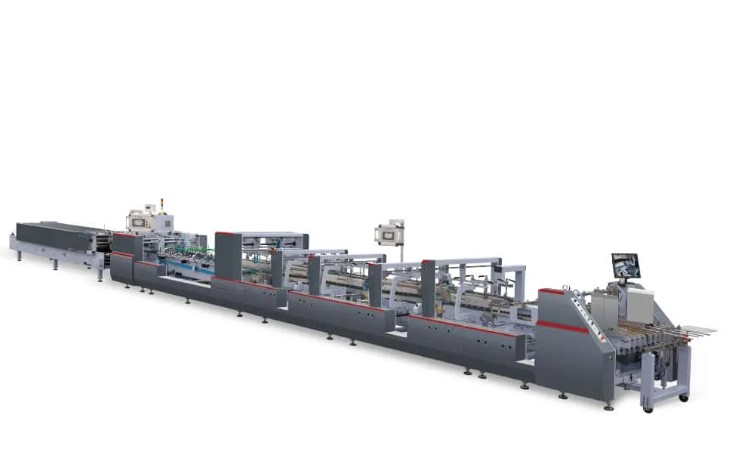
On many production floors that turn flat blanks into ready-to-ship cartons, managers and operators are asking a steady, practical question: how many people does it really take to run a modern line? The arrival of faster folder-gluers and tighter connections to packing equipment is nudging workflows toward leaner teams — but it has also sharpened the focus on who does the setup, who watches the run, and who handles the packing.
Where human work still matters
Automation handles the repetitive folding and gluing, yet it doesn’t erase the need for skilled hands. The real human work concentrates in a few places: the careful setup before a run, the quick responses when something goes wrong, and the task of turning finished boxes into packed cases. Those steps determine whether a run is smooth or full of stops.
A line supervisor summed it up on the floor: “You can automate a lot, but changeovers still need someone who knows the machine and can think on their feet.” That sort of on-the-ground knowledge continues to influence staffing decisions.
The setup bottleneck
Setting up a folder-gluer for a new format is where most time and attention go. It’s a practical, detail-driven job: guides must be aligned, adhesive paths checked, and a few trial blanks processed to confirm everything’s right. That initial stage can shape how long the run stays productive — get it right, and the rest of the shift runs more smoothly.
- Setup work reduces waste and repeated stoppages.
- Trial runs and adjustments are routine until consistent folding is achieved.
- Experienced operators bring predictable pacing to changeovers.
Companies that invest in training and well-documented setup procedures find they shorten the time between jobs and lose less material to errors.
Monitoring and quick fixes during production
Once the machine is running, the operator’s role becomes supervisory. That person watches for jams, responds to material inconsistencies, and tweaks settings as conditions change during a run. Because the folder-gluer automates the physical folding and adhesive application, hands-on intervention mostly happens when something unexpected occurs.
- Operators keep an eye on quality and react to anomalies.
- Fast troubleshooting helps avoid long stoppages.
- The machine does the repetitive work; people do the judgment calls.
In many plants, one trained operator is enough to manage a single machine through stable runs, with support on hand for more complex issues.
Packing: a different rhythm
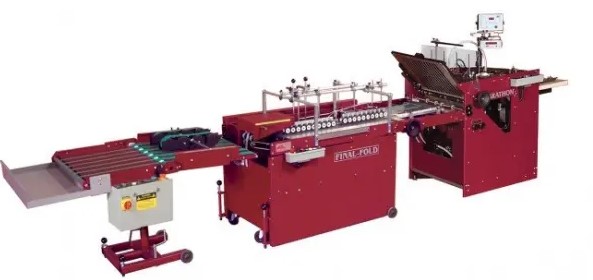
Packing completed cases is a separate activity with its own pace. In smaller shops the machine operator may help with packing when volumes allow. In larger facilities, packing is often handled by dedicated staff or by automated case-packing systems. The choice affects line balance: if packing is manual, extra hands are needed near the exit of the folder-gluer; if it’s automated, fewer people are tied up at that station but more technical skills are required to keep the automation running.
- Dedicated packers let the operator focus on machine performance.
- Automation reduces repetitive lifting but requires maintenance skills.
- Workflow decisions should reflect both volume and ergonomics.
Typical tasks, who usually does them, and why they matter
| Task | Who usually performs it | Why it matters |
|---|---|---|
| Setup and changeover | Skilled operator | Foundation for a reliable run; lowers scrap |
| Monitoring and quick fixes | Machine operator | Keeps production steady and mitigates faults |
| Case packing and stacking | Packing staff or automated system | Prepares product for shipping and maintains flow |
| Routine checks & basic maintenance | Operator + maintenance team | Prevents breakdowns and extends equipment life |
Training, cross-skilling and practical gains
Floor managers say the clearest productivity gains come from better training and cross-skilling. When operators know setup procedures thoroughly and can handle basic maintenance or packing tasks, lines stay flexible and resilient. It’s less about headcount and more about the breadth of skills on the floor.
- Training reduces dependence on single experts.
- Cross-trained staff cover shifts and reduce changeover delays.
- Simple checklists and standard tooling kits cut wasted time.
Even modest investments in operator capability pay dividends in uptime and fewer emergency calls to maintenance.
Where automation changes the picture
When a High Speed Folder Gluer is paired with automated packing downstream, the human role shifts again. Automation can lower repetitive manual handling and smooth throughput, but it also creates new needs: people who can maintain, program, and tune the automated systems. In other words, fewer hands may be needed for manual tasks, but different technical skills become more valuable.
- Automation trades manual tasks for supervisory and technical work.
- Integration planning matters: material flow and safety need attention.
- Hybrid setups — part manual, part automated — are common during transitions.
Operators who understand both the machine and the linked equipment are especially useful in these environments.
Practical steps floor teams are using now
Supervisors recommend three down-to-earth measures: standardize setup kits, use clear checklists for handoffs, and run short pilots when adding automation. These steps reduce the guesswork around changeovers and make staffing needs more predictable.
- Standardized tooling speeds changeovers.
- Checklists help with shift handoffs.
- Pilot tests reveal where automation actually helps.
Looking forward
What companies end up doing depends on volume, budget, and workforce goals. For many, a single well-trained operator plus packing support (either human or automated) strikes the right balance between cost and reliability. Others move further toward automation, trading manual labor for higher technical support needs.
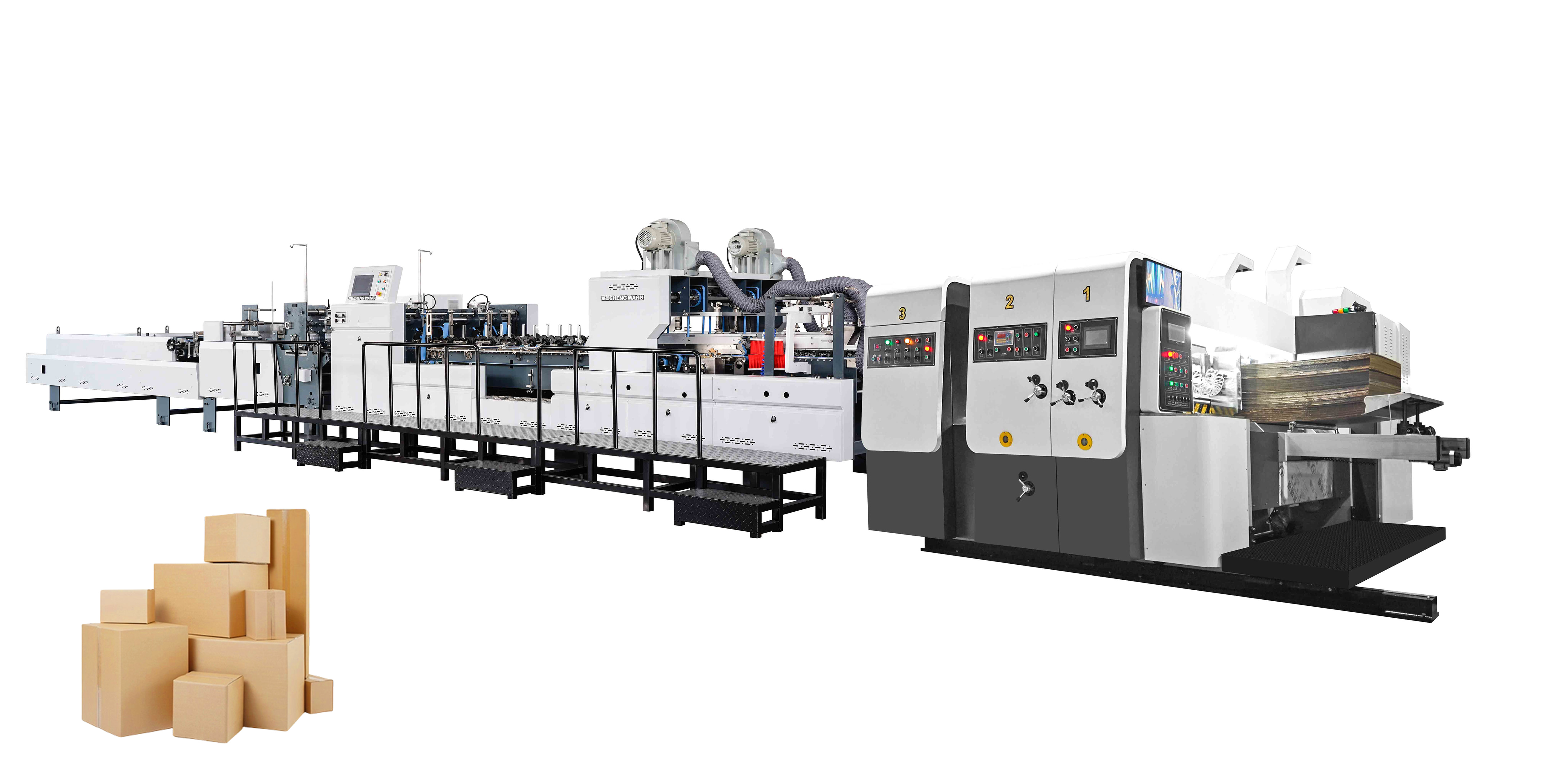
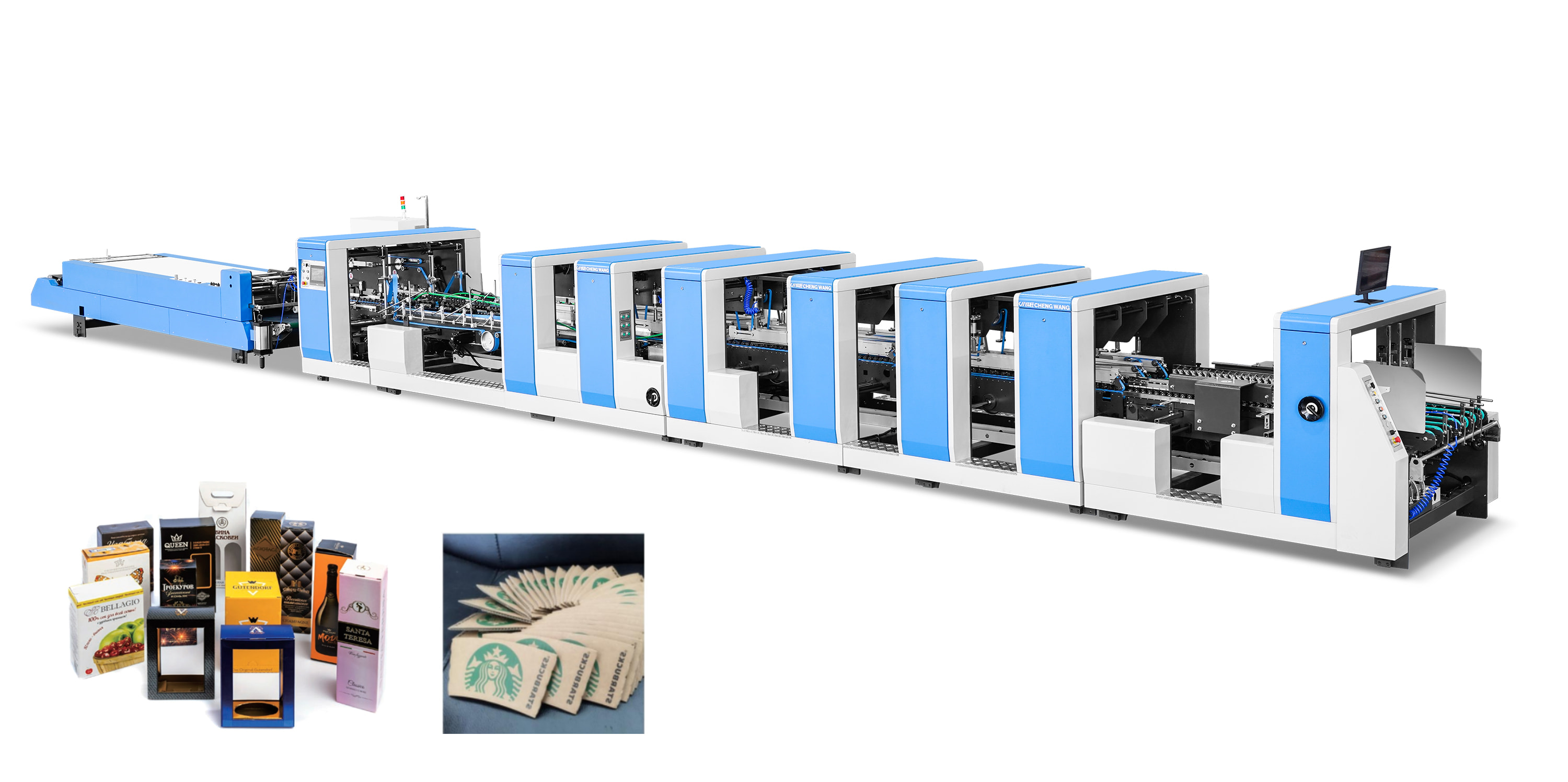
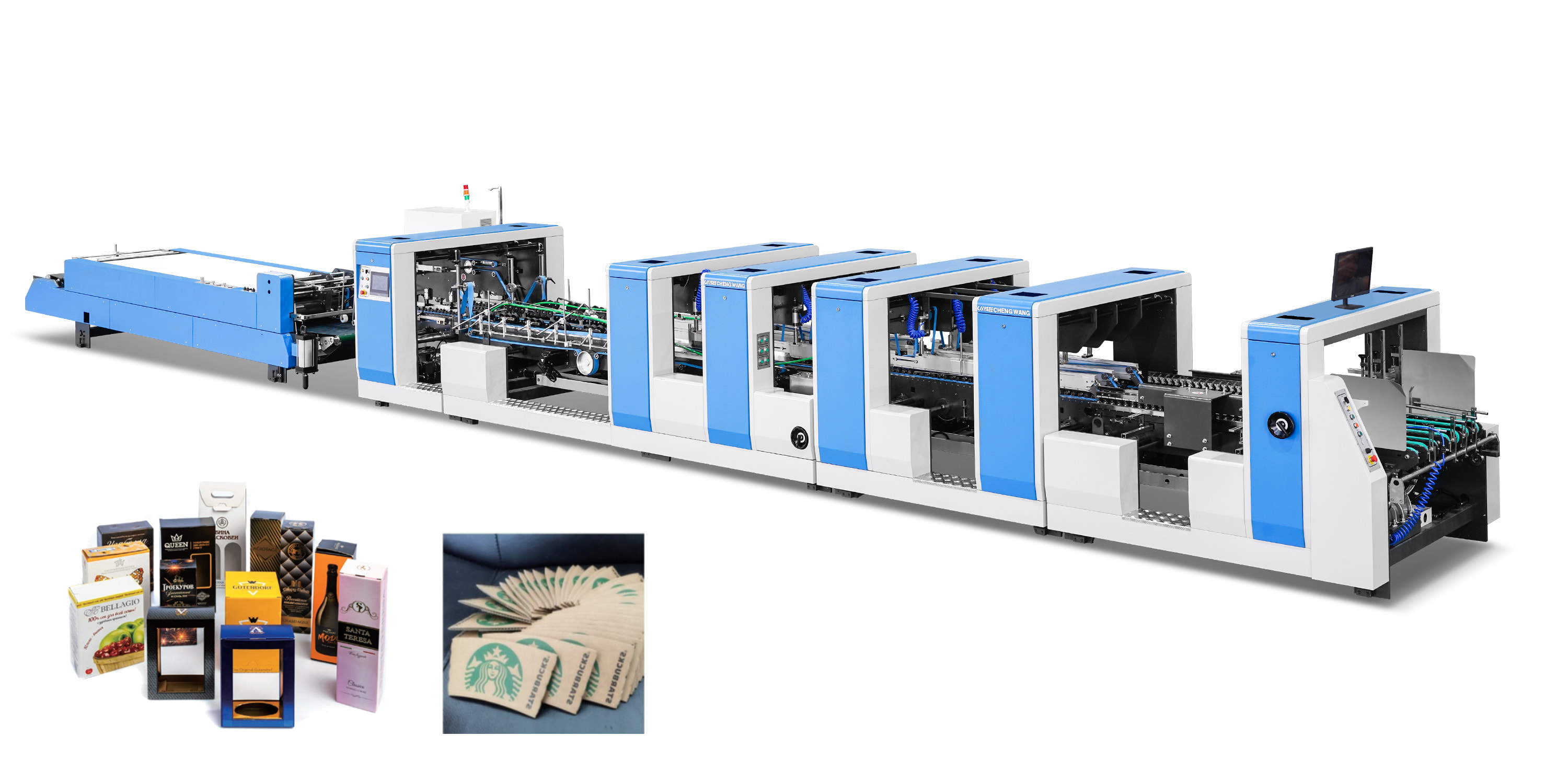
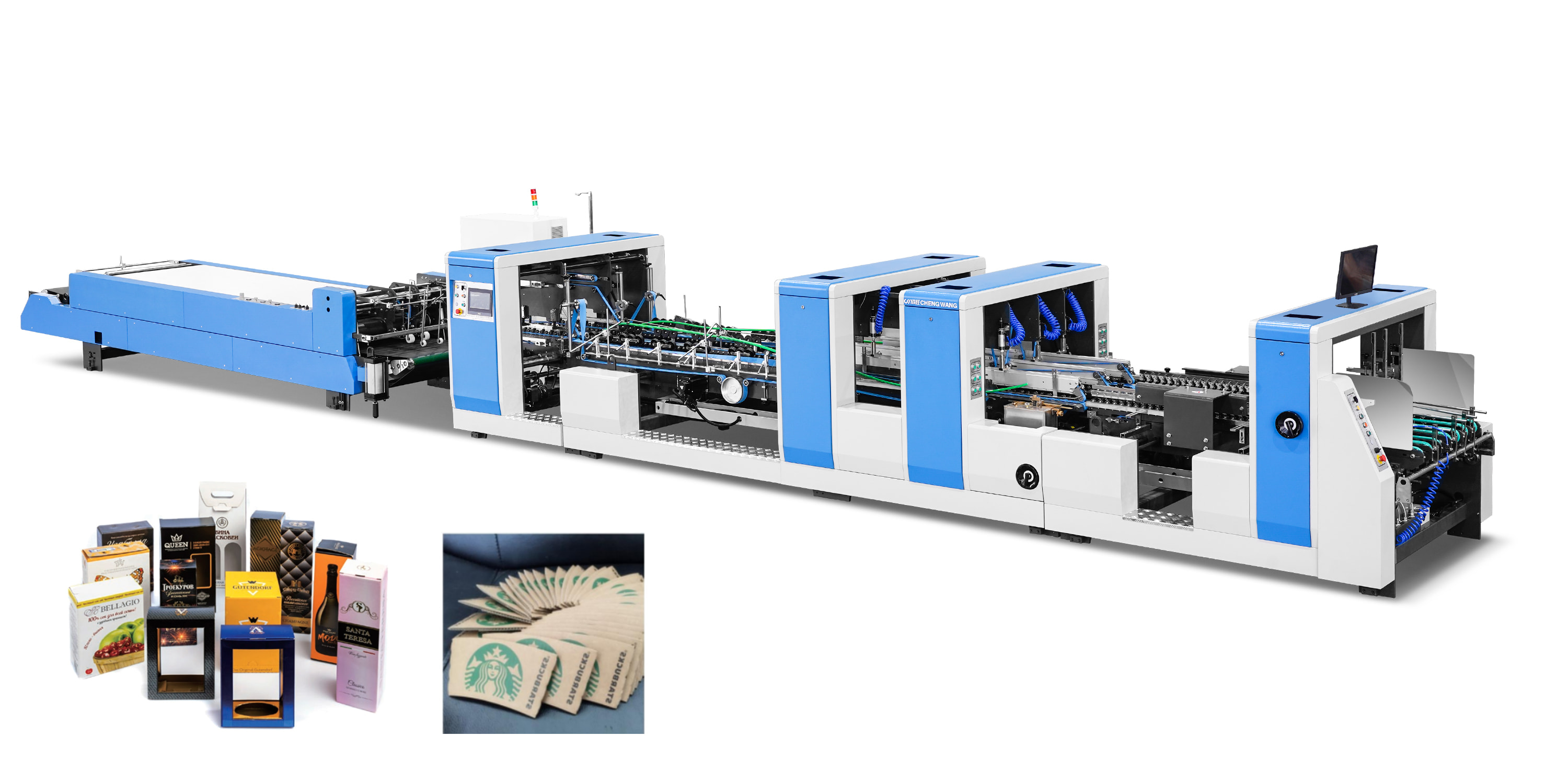
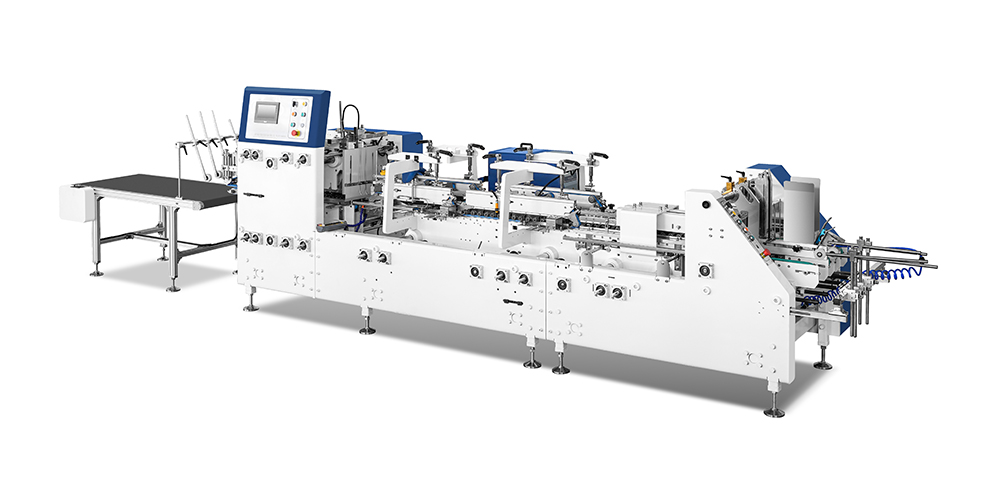
For examples of equipment and integration approaches, manufacturers and line managers often review supplier offerings such as Zhejiang Chengwang Intelligent Packaging Equipment Co., Ltd. — and then adapt the ideas to their own shop floor realities.
Recommended Products
Focus on providing high-quality folder-gluing equipment to customers around the world.



No.3888, Jiangnan Avenue, Nanbin Street, Ruian City, Wenzhou City, Zhejiang Province, China







Privacy Policy Copyright © Zhejiang Chengwang Intelligent Packaging Equipment Co., Ltd.
High Speed Folder Gluer Factory