English
 русский
 Français
 Español
 Deutsch
Production Quality Control in Carton Forming Equipment Manufacturing
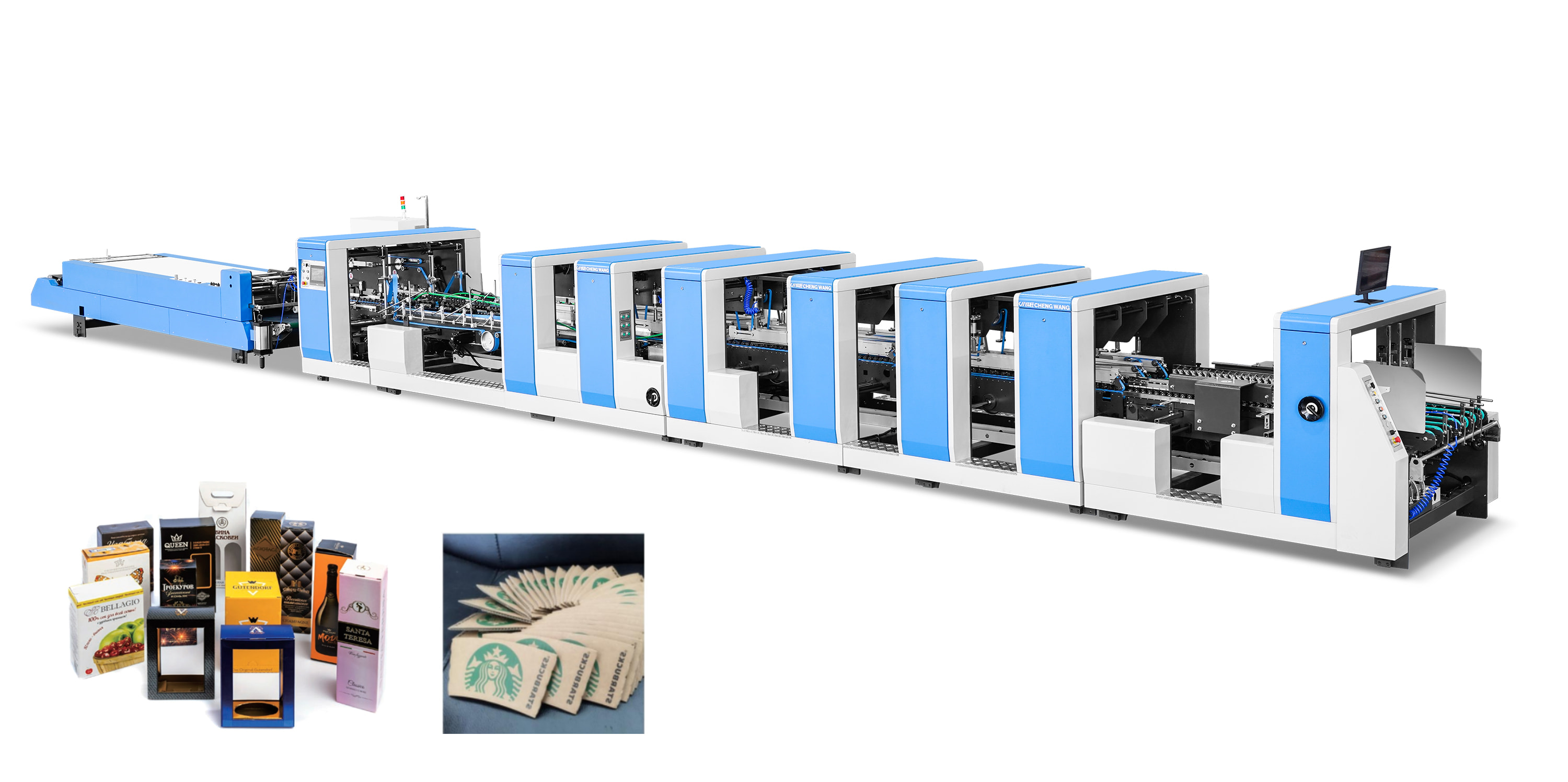
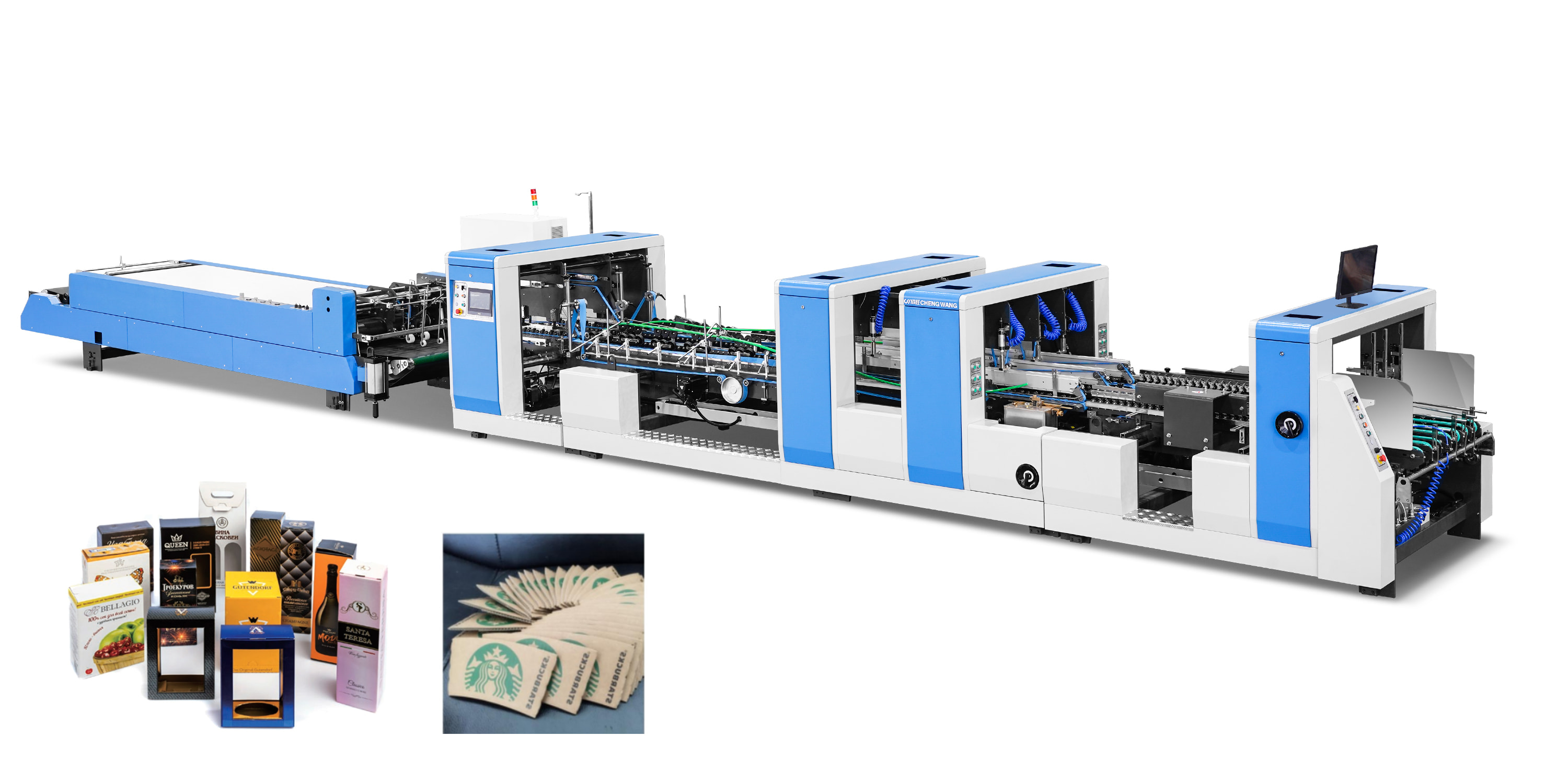
Two companies make automatic box folder machines. Company A has machines that rarely break down. Their customers are happy. Company B has machines with many assembly problems. Their customers face production stops. What is the difference? The key difference is their approach to quality control during manufacturing.
How can a factory move quality control beyond a simple final check? How can they build quality into every step of making a carton forming machine? The answer is a system. Production quality control is not one department's job. It is a company-wide system. It connects design, purchasing, machining, assembly, and testing. It uses standard procedures, constant checks, and continuous improvement. The goal is simple: make sure every machine that leaves the factory meets the exact design standards.
This article explains the five main areas of a good production quality control system for making automatic box folder equipment.
Part One: Controlling the Parts You Buy (IQC)
A great machine starts with great parts. You cannot build a precise machine with bad components.
First, work with good suppliers. Evaluate your suppliers. Check their technical skill, their quality systems, and their delivery history. Give them clear specifications. Tell them exactly what you expect for each part. Agree on how to handle parts that do not meet the standard.
When parts arrive, inspect them. Not every part needs the same level of check. Group parts by importance. Critical parts like servo motors or linear guides need a full check. Less critical parts might only need a sample check.
Use the right tools for inspection. Use calipers, micrometers, and hardness testers. For very precise parts, use a Coordinate Measuring Machine. Check dimensions, material type, and surface finish. Follow a scientific sampling plan to decide how many parts to check from a batch.
If you find bad parts, do not use them. Put them in a separate quarantine area. Tell the supplier. Work with them to find the root cause of the problem. Ask them for a corrective action plan. Keep records of which supplier sent which parts and their quality results. Use this data to rate your suppliers and make better choices in the future.
Part Two: Controlling the Manufacturing Process (IPQC)
Stop problems before they happen. Catch mistakes during the work, not after.
Identify the most important steps in making the machine. For an automatic box folder, welding the frame is critical. Control the welding current, voltage, and speed. Inspect the welds. Use X-ray or ultrasound to check for hidden flaws inside the weld. Machining is another key step. Control the cutting speed and tool wear. Check the first part made and check parts regularly during the run. Heat treatment is also important. Control the oven temperature and cooling rate. Test the hardness of the metal after treatment.
Make work standard and foolproof. Give every worker clear, visual instructions for their job. Make sure all fixtures and tools are checked and calibrated regularly. Design simple mistake-proofing devices. For example, use a sensor to confirm a part is installed before the machine can proceed. Use a torque wrench that beeps when the correct tightness is reached.
Inspect the process itself. Have quality inspectors walk the production floor regularly. They should check that workers follow the instructions. They should measure key dimensions on parts being made. They should record all this data. For very important measurements, use control charts. These charts show if the process is staying stable or starting to drift out of control.
Part Three: Controlling the Assembly
Precise assembly is what turns parts into a working machine.
Prepare for assembly properly. Keep the assembly area for precision parts clean. Before starting, check that all parts are available and are the correct version.
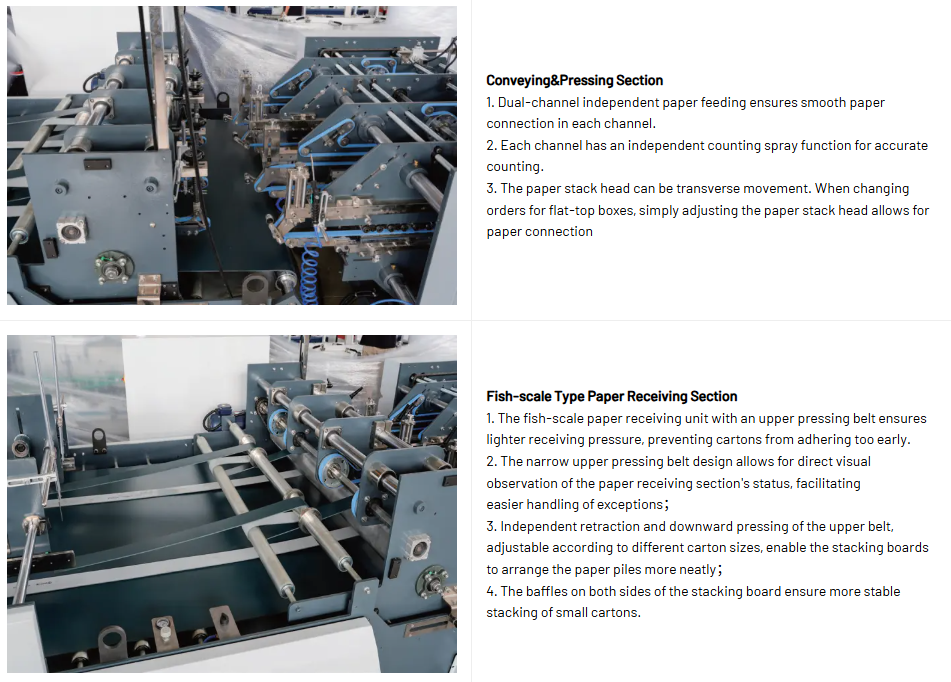
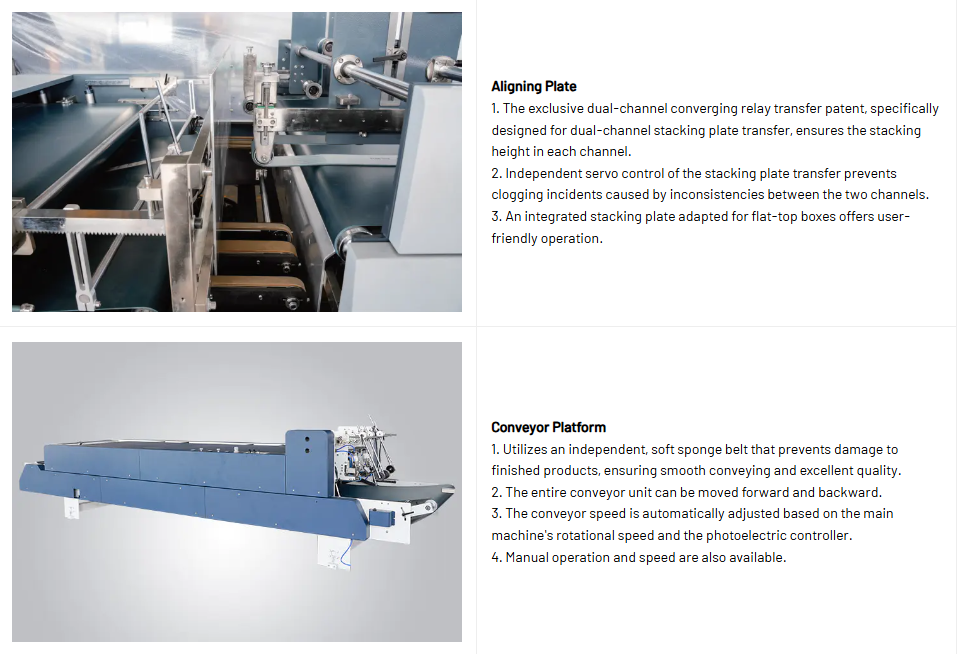
Control critical assembly steps carefully. Leveling the machine frame is the first foundation. Use a laser level to get it perfectly flat and square. Installing the drive system is next. Set the bearing clearance correctly. Set the gear mesh and belt tension exactly as specified. Installing air and electrical lines matters too. Check every connection for leaks or loose wires.
Inspect during assembly, not just at the end. Set clear checkpoints. For example, inspect the frame after it is welded and leveled. Inspect the drive system after it is installed. Only after passing the checkpoint should workers move to the next major step. Test functions as you go. Power up a servo motor after it is wired to see if it moves smoothly.
Part Four: Final Testing Before Shipment (FQC/OQC)
The last step is to test the complete machine as a whole.
Run the machine with no load first. Move it through its full range of motion at top speed. Listen for strange noises. Feel for vibration. Check if any parts get too hot. Test every safety feature. Make sure all emergency stops work immediately.
Then, run a production test. This is the most important test. Load the machine with real cardboard. Run it for hours at its rated speed. Count how many boxes it makes perfectly. Measure the finished boxes. Check their size, their fold angles, and their glue strength. Make sure everything matches the specification.
Create a complete record. The final test report should list every test, every setting, and every result. The lead inspector signs it. This report goes into the machine's permanent file along with records of its key parts and assembly checks. A manager from the quality department reviews everything. They give final approval for the machine to be shipped to the customer.
Part Five: Building a Culture of Quality
A system only works if people believe in it.
Train everyone. From the welder to the assembly technician, every worker must understand how their job affects the final machine's quality. Use clear examples and pictures. Show them what a good result looks like and what a bad result looks like.
Use data to improve. Collect information from all the quality checks. Look at the numbers for rejected parts, rework, and test failures. Find the biggest problems. Form a team from different departments to fix these problems. Use a simple cycle: Plan a fix, do it, check if it worked, then make it standard.
Listen to your customers. When a customer reports a problem, take it seriously. Find out why it happened in your factory. Use that information to change your process so it never happens again. Close the loop from the customer back to the production line.
For manufacturers of complex equipment, strong production quality control is the foundation of a good reputation. It turns a design on paper into a reliable machine on the factory floor. Doing this well takes time, discipline, and a culture that cares about details.
Building and running such a detailed system requires deep technical knowledge, strict management, and a true commitment to getting things right.
At CENWAN, this commitment is at our core. We treat production quality control as the most important part of making an automatic box folder. We control the torque on every bolt. We control the alignment of every guide rail. We test every function before a machine is packed. We know our customers are not just buying a machine. They are investing in years of dependable production for their own business. That is why our quality goal is clear: to make sure every CENWAN machine we deliver works perfectly from its first day on our customer's production line, helping them create maximum value.
Are you looking for a manufacturing partner who is serious about quality in every detail? Learn more about the CENWAN production quality system. Contact us to schedule a visit to our manufacturing facility. Or ask for our detailed quality control process documentation. See for yourself how a reliable, high-performance box forming machine is built.
Recommended Products
Focus on providing high-quality folder-gluing equipment to customers around the world.



No.3888, Jiangnan Avenue, Nanbin Street, Ruian City, Wenzhou City, Zhejiang Province, China







Privacy Policy Copyright © Zhejiang Chengwang Intelligent Packaging Equipment Co., Ltd.
High Speed Folder Gluer Factory