Reducing Material Waste with Advanced Carton Gluing Technology
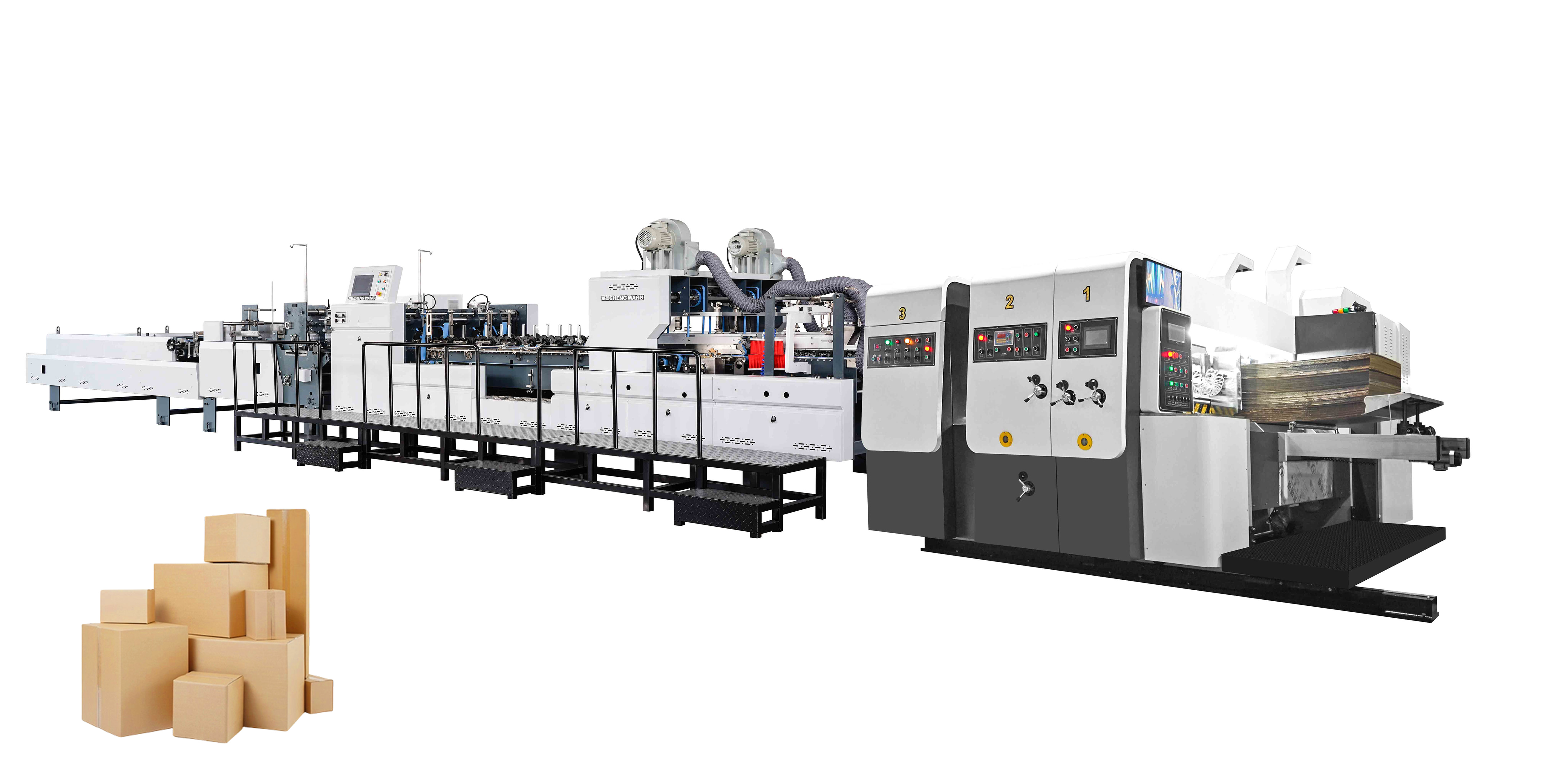
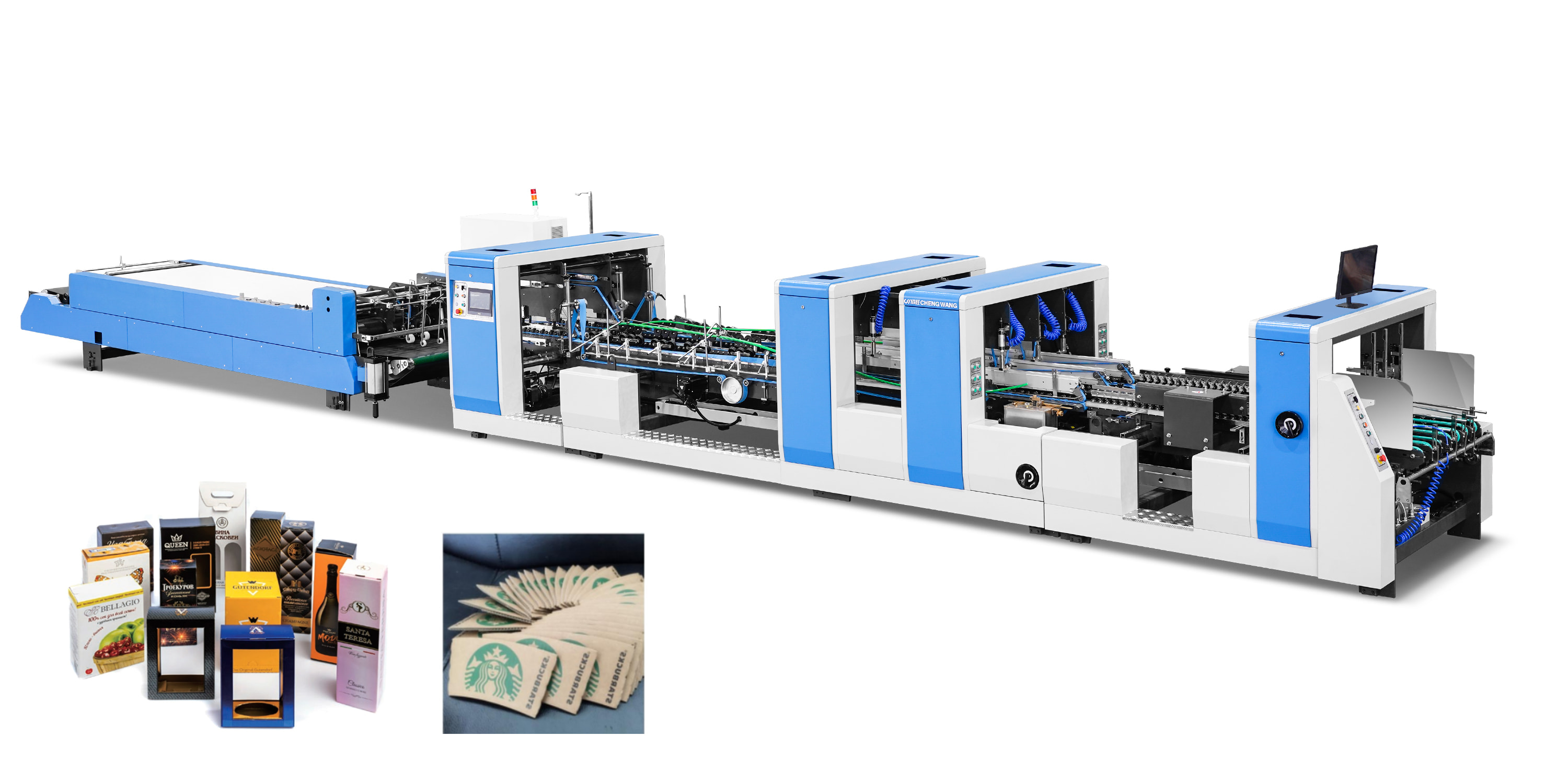
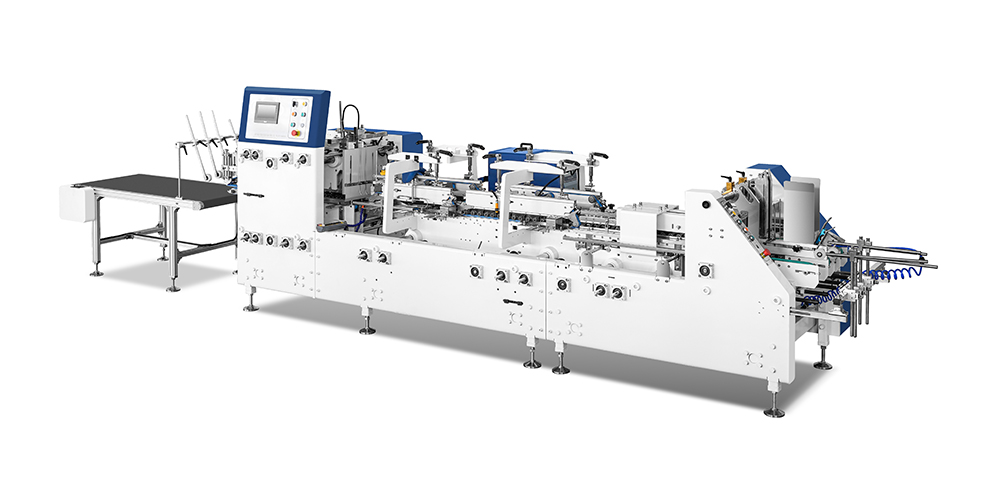
Material waste has always been a quiet—but expensive—shadow in the packaging industry. And when you’re working with large volumes of cartons, even small inefficiencies add up quickly. Many manufacturers began revisiting their processes once newer equipment like the Carton Folding Gluing Machine started offering better precision and more stable control. The interesting thing is that waste doesn't always come from big mistakes; a lot of it comes from tiny alignment issues, inconsistent glue lines, or machines that just aren't built for the fast, flexible production pace we see today. As technology evolves, the way factories handle folding and gluing has started to shift in a way that feels almost overdue.
The Growing Challenge of Waste in Carton Production
Packaging demand keeps climbing—e-commerce, retail, food delivery, cosmetics, you name it. With that growth comes the pressure to produce more cartons, faster, and with fewer errors. But traditional workflows bring their own set of problems.
You usually see waste coming from:
- Misfolded panels
- Over-gluing
- Paperboard cracking
- Manual adjustments gone wrong
- Setup scrap during job changes
Even in a well-run plant, waste is almost baked into the routine. And when margins are tight, that’s the last thing manufacturers want sitting on their balance sheet. This is where new folding and gluing technology starts to feel less like a bonus and more like a practical necessity.
Where Material Waste Really Comes From
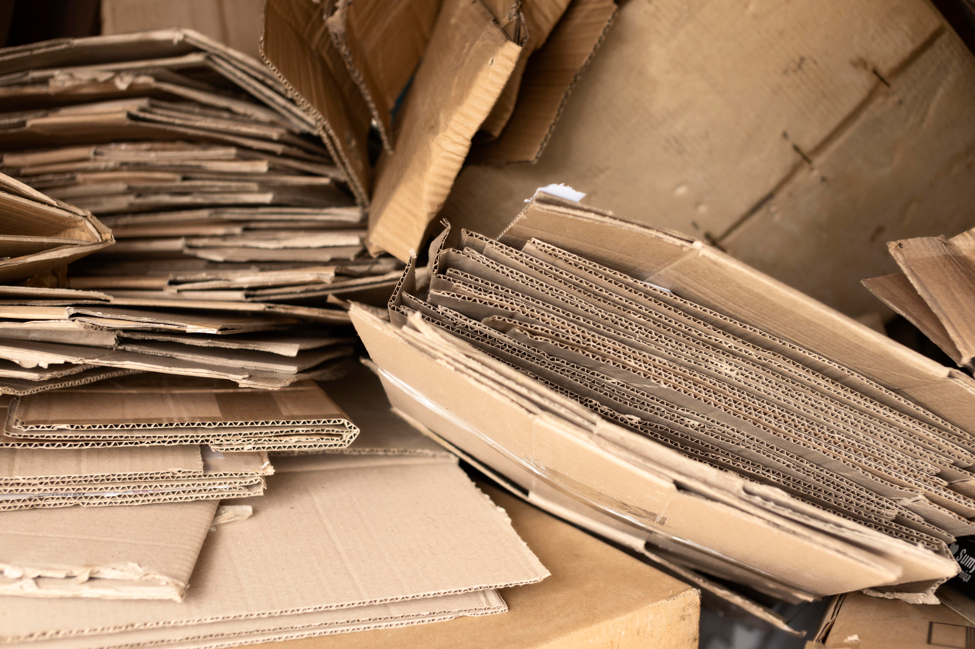
Before talking about how new tech reduces waste, it’s worth breaking down the usual suspects.
Misalignment and folds that just don’t land where they should
Sometimes the panels just refuse to fold exactly along the score lines. Even being off by a couple of millimeters can turn a whole carton into something you can’t really use. Older machines tend to struggle more with this because their guides and scoring setups aren’t as precise, and once the speed picks up, things can drift pretty easily.
Too much glue… or glue ending up somewhere it definitely shouldn’t be
Glue seems simple until it’s not. A little extra doesn’t look like a big deal at first, but it can turn into bulges, messy edges, or panels that don’t close the way they’re supposed to. Sometimes cartons even stick together in a stack—super annoying to deal with. A lot of this comes from machines that don’t control glue output very well, so you get more “surprises” than you’d like.
Inconsistent tension and machine wear
With older equipment, mechanical aging affects everything from belt tension to folding pressure. The result? More rejections.
Human-dependent adjustments
Manual adjustments can be great when the operator is highly skilled, but when shifts change or workloads vary, consistency often drops.
Setup scrap
Every time a machine is reconfigured for a new batch, several sheets are wasted just to test alignment and glue accuracy.
Put all of these together, and you can see why paperboard waste sometimes feels unavoidable.
How Advanced Gluing Technology Cuts Material Waste
Modern folding and gluing systems are designed with one quiet but important goal—reduce the errors that cause waste. They don’t try to reinvent the carton; they simply help produce it more cleanly, more consistently, and with less trial-and-error.
Precision-Controlled Folding
Servo systems, improved belt control, and more stable guiding tracks help panels fold exactly where they should. This kind of precision keeps the carton’s structure stable and reduces the chances of weak corners or creased edges.
Smarter Adhesive Application
Newer gluing systems use controlled glue heads that adjust flow automatically.
- They can handle:
- Thin, clean glue lines
- Dot gluing
- Accurate starting and stopping points
- Real-time flow correction
With better control comes fewer issues like glue spills or overuse. Over time, this alone can reduce a surprising amount of waste.
Sensor-Driven Feedback
A lot of the newer machines come with cameras or little sensors that catch a misalignment almost the moment it happens. Instead of letting the issue run wild for a couple hundred cartons, the system either tweaks itself or just stops the line before things get messy.
Catching a tiny mistake early saves you from ending up with a mountain of rejects later on.
Improved Feeding and Pre-folding
Feeding paperboard seems like the easy part, but one small misfeed can throw off the whole chain of steps that follow. The newer feeders are much steadier—they cut down on jams, bent corners, and those random friction marks that show up for no obvious reason. That alone makes the folding process feel more predictable.
Consistency During Long Runs
When a machine can hold its settings for hours without drifting, waste naturally goes down. No constant stopping. No endless little adjustments. And definitely fewer sheets getting tossed because something shifted halfway through the run.
Automation: The Quiet Partner in Reducing Waste
Automation isn’t only about speed. Half the time, it’s more about keeping things clean, steady, and repeatable.
Fewer human slip-ups
Automated calibration takes out a lot of the “I think this knob should go here” moments. Machines manage glue volume, folding pressure, and speed changes without the guesswork that comes with manual adjustments.
Actually knowing what’s going on
Some of the newer systems track data—how much glue gets used, where the rejects came from, how often something misfolds. Over time, you get a clearer picture of what keeps going wrong and why.
Faster switchovers
Switching from one carton style to another used to mean burning through a stack of scrap just to dial the alignment in. Automated setups do that much smoother, so changeovers waste far less material.
Making Better Use of Every Sheet
There’s also this less-talked-about part: modern folding and gluing setups help manufacturers squeeze more value out of each sheet of board.
Tighter tolerances
When folds hit exactly where they should, designers don’t need to build in as much “just in case” space. So you end up getting more cartons out of the same sheet.
Lighter board, fewer problems
Advanced machines can handle thinner material without tearing it or leaving weird bends. That saves on raw materials and even cuts down on shipping weight.
Cleaner edges, fewer cracks
Better tension control and smoother folding motions keep the board’s structure intact. Edges stay clean, and you’re not dealing with those random cracks that ruin the whole piece.
In short, every sheet goes a bit further, and the whole process feels more efficient because of it.
Environmental Benefits Beyond Waste Reduction
Even though most people upgrade folding and gluing machines because they want smoother production, the environmental perks kind of tag along on their own.
Lower energy use
A lot of newer systems run on motors that don’t pull as much power, and their heating setups are smarter too. The overall energy drop adds up over time, even if you’re not watching the numbers daily.
Less glue going to waste
Cleaner, more controlled glue application means you’re not dealing with extra adhesive—less to make, less to handle, and definitely less to toss out.
Cartons that recycle more easily
When a box isn’t overloaded with glue blobs and has neat seams, recycling plants can break it down without a fight.
So the environmental benefits are there—they just show up quietly in the background.
Practical Benefits for Manufacturers
These aren’t sales lines—just the things people actually notice when using more advanced equipment.
Lower unit cost
Cutting down on rejected pieces, saving glue, and squeezing more cartons out of each sheet naturally bring the cost per box down.
Production that feels more predictable
When machines stay consistent instead of drifting every couple hours, planning becomes less of a headache.
Less waste to deal with
Smaller trash piles mean fewer trips to disposal and less time spent sorting out the bad pieces.
Steady performance during long runs
This matters a lot for factories in food packaging, cosmetics, and e-commerce—places where volume isn’t just high, it’s nonstop.
Real-World Scenarios from the Industry
Here are a few everyday cases where the improvements really show:
Scenario 1: Food Packaging
Accurate folds keep lids and flaps tight, helping boxes pass compression tests without failing halfway through.
Scenario 2: E-Commerce Boxes
Better glue control keeps boxes from popping open after being tossed around in transit.
Scenario 3: Cosmetic Cartons
Customers buying premium products expect clean, crisp packaging. Smooth folding helps every box look like it belongs on the shelf.
Scenario 4: Multiline Factories
Faster changeovers mean less waste when switching from one carton run to another.
The Future of Waste Reduction in Folding and Gluing
As packaging plants keep moving toward smarter production, folding and gluing tech will probably lean even more into automation and precision.
- AI-based fold prediction
- Glue heads that adjust themselves mid-run
- Adhesives that are easier on the environment
- Systems designed to inch closer to zero waste
Factories today aren’t just making cartons—they’re part of a larger push toward cleaner, more thoughtful manufacturing.
Moving Toward Cleaner Production
Cutting waste in carton manufacturing isn’t a single breakthrough—it’s a mix of better controls, smarter machines, and steadier production behavior. With newer folding and gluing technology, manufacturers can use less material, avoid glue overloads, and get more good cartons from each sheet. As the industry keeps nudging itself toward sustainability, the equipment naturally evolves alongside that goal.
Many plants end up looking for partners who understand the technical side as well as the environmental pressures shaping packaging today. Cenwan has been around this field long enough that its work naturally aligns with these shifts—not as a big pitch, just as part of how the industry grows and moves forward.
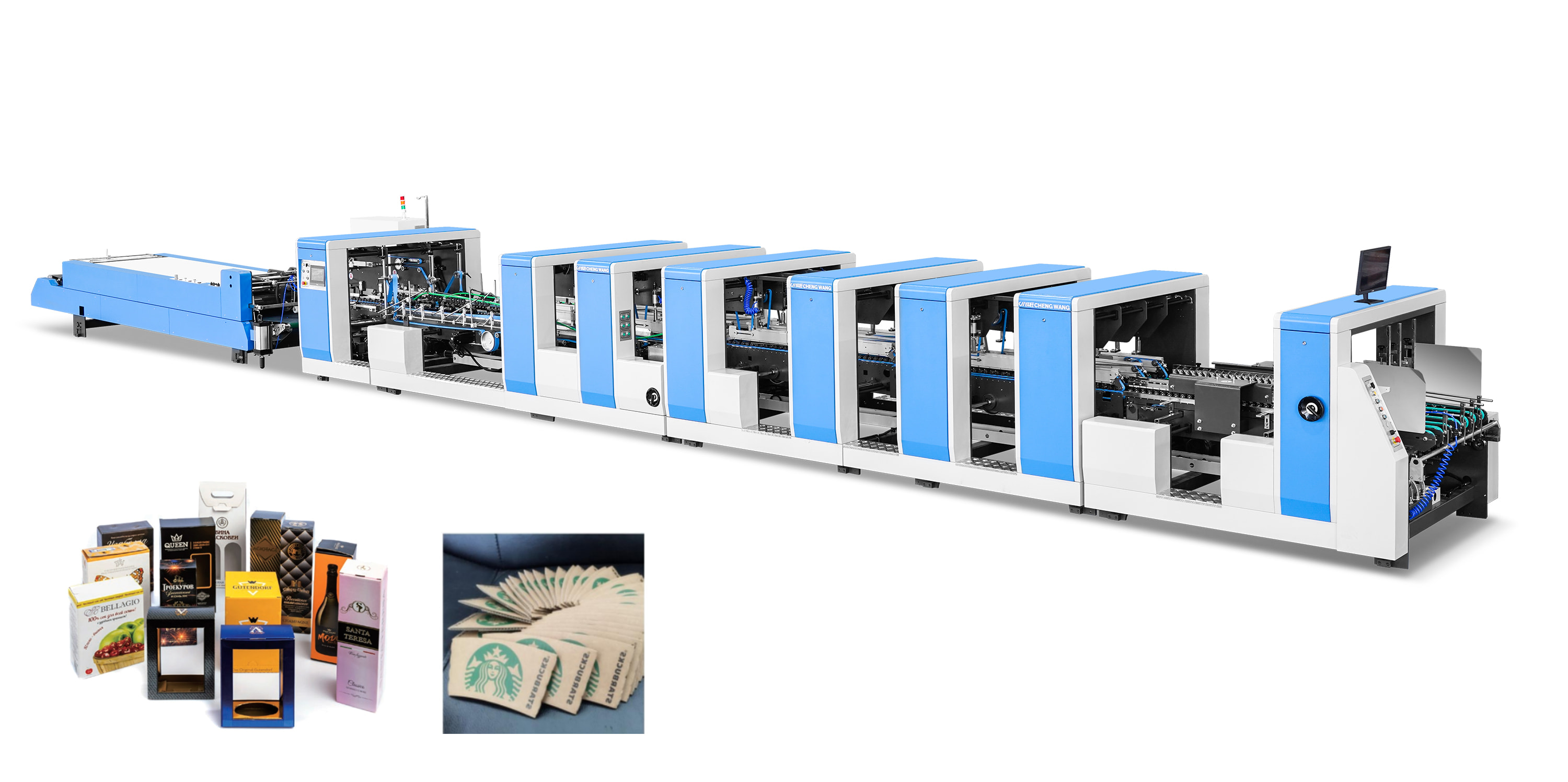
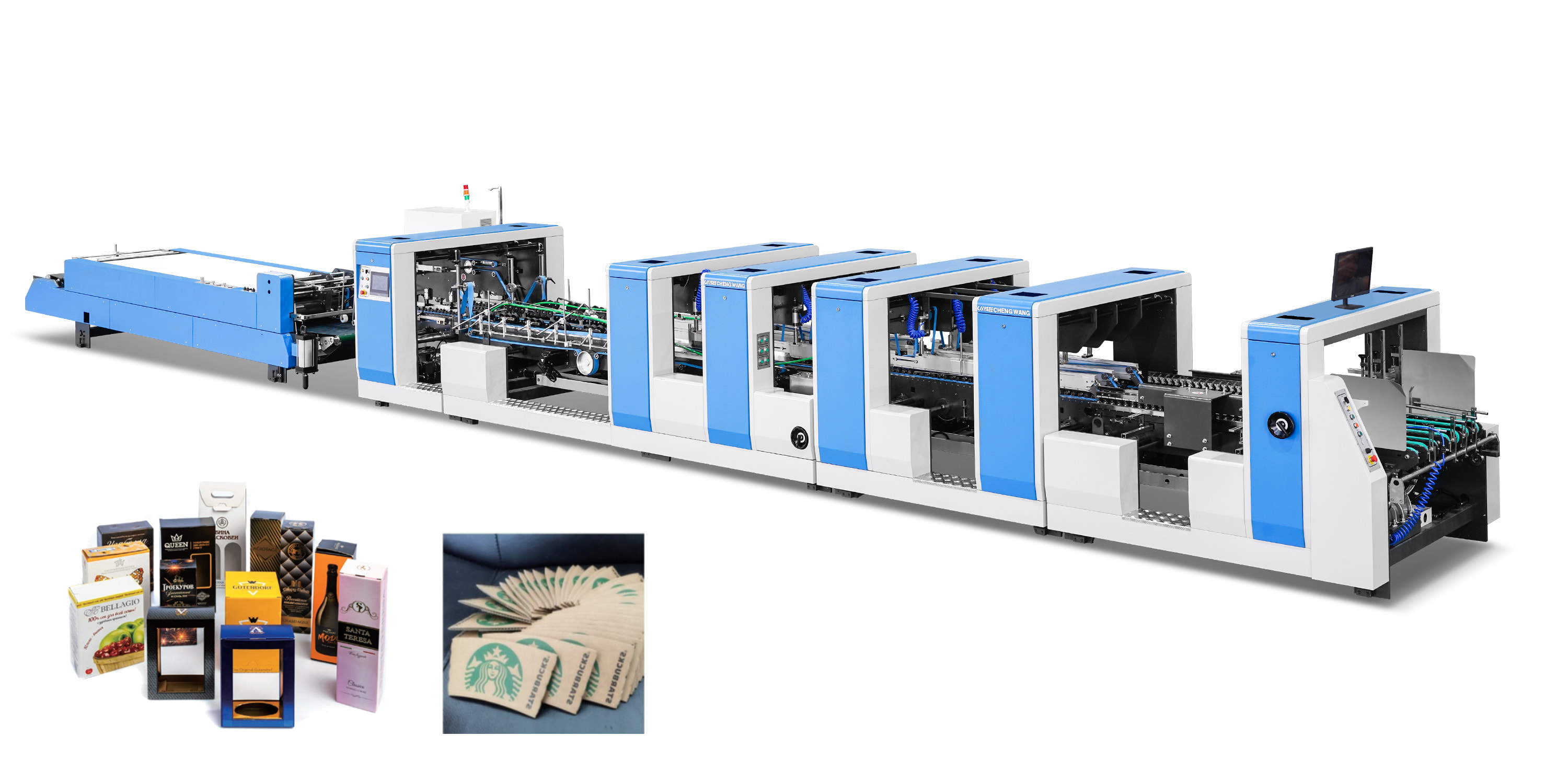
Recommended Products
Focus on providing high-quality folder-gluing equipment to customers around the world.



No.3888, Jiangnan Avenue, Nanbin Street, Ruian City, Wenzhou City, Zhejiang Province, China







Privacy Policy Copyright © Zhejiang Chengwang Intelligent Packaging Equipment Co., Ltd.
High Speed Folder Gluer Factory