English
 русский
 Français
 Español
 Deutsch
What Happens Behind the Scenes When Cardboard Becomes a Box?
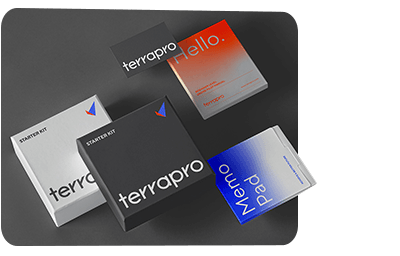
Think about the last time you unboxed a new pair of shoes, a grocery delivery, or a birthday gift. That cardboard box in your hands might have felt “ordinary”—but it’s actually the end product of careful engineering, smart machinery, and precise craftsmanship. What turns a flat sheet of cardboard into a sturdy container that protects your items? The answer lies in Folding and Gluing Machines (also called Carton Folding Gluing Machines)—the unsung heroes of packaging that work behind the scenes to keep our deliveries safe and our shelves stocked.
In a world where e-commerce sales hit $6.3 trillion globally in 2024, these machines aren’t just “nice to have”—they’re essential. Imagine trying to fold and glue thousands of boxes by hand every day to keep up with online orders: it’s impossible. Automation has transformed packaging from a slow, error-prone task into a fast, reliable process. Companies like Cenwan Machine design these machines to handle everything from simple shipping boxes to fancy retail cartons, ensuring every fold is straight, every glue spot is neat, and every box can stand up to the bumps of shipping.
By the end of this article, you’ll never look at a cardboard box the same way. We’ll break down how these machines work, why they matter for the packages you use daily, and even how to spot a “well-made box” (hint: it’s all in the folds and glue).
First: Not All Cardboard Is the Same—And Machines Have to Adapt
Before we dive into machines, let’s talk about the star material: cardboard. The type of cardboard used determines everything from how a box feels to how well it protects your items—and Folding and Gluing Machines have to be flexible enough to handle it all.
1. Corrugated Cardboard: The “Tough Guy” of Shipping
You’ve definitely felt this one—it’s the thick, ridged cardboard used for Amazon boxes, moving boxes, and packaging fragile items. What makes it strong? Layers: a wavy “flute” layer sandwiched between two flat outer layers. The flute (labeled B, C, or E) changes the box’s strength:
- B-flute: Small, tight waves—great for small boxes (like those holding electronics) because it’s strong but thin.
- C-flute: Medium waves—the most common choice for shipping boxes, balancing strength and flexibility.
- E-flute: Even smaller than B-flute—used for lightweight retail boxes (think cereal or cosmetic boxes) because it’s smooth and easy to print on.
Folding and Gluing Machines have to be gentle but firm with corrugated cardboard. If they fold too hard, they’ll crush the flutes (ruining the box’s strength); if they fold too softly, the crease won’t hold. Cenwan Machine’s machines, for example, use adjustable folding guides that adapt to different flute sizes—so the box stays strong after assembly.
2. Paperboard: The “Sleek One” for Retail
Paperboard is thinner and smoother than corrugated cardboard—you’ll find it in cereal boxes, candy boxes, and gift boxes. It’s easier to print on (hence all the colorful designs) but needs more careful handling: fold it too sharply, and it’ll tear. Machines for paperboard use softer rollers and precise pressure controls to keep the material intact while creating clean folds.
3. Die-Cut Cardboard: The “Custom One” for Unique Boxes
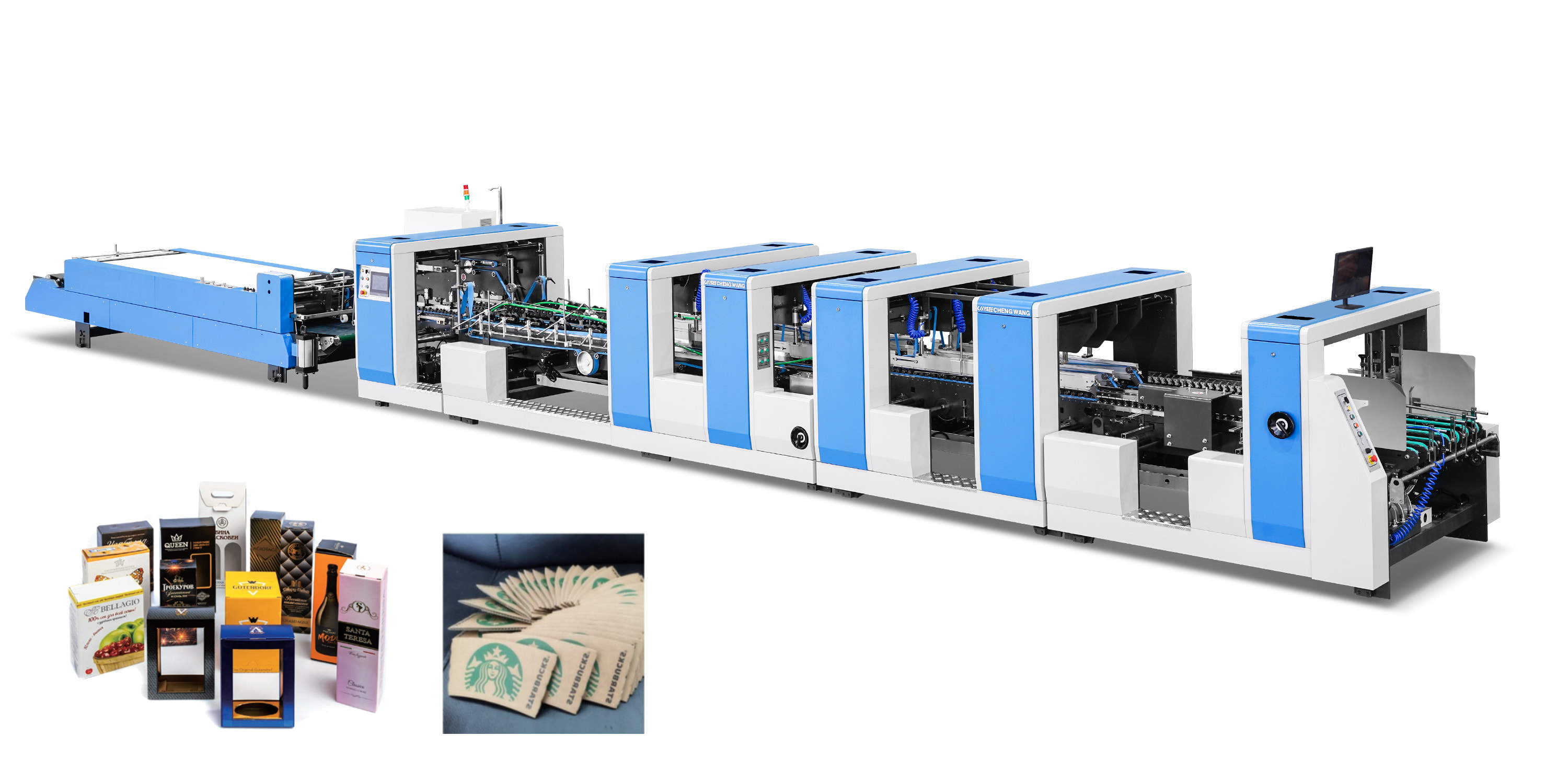
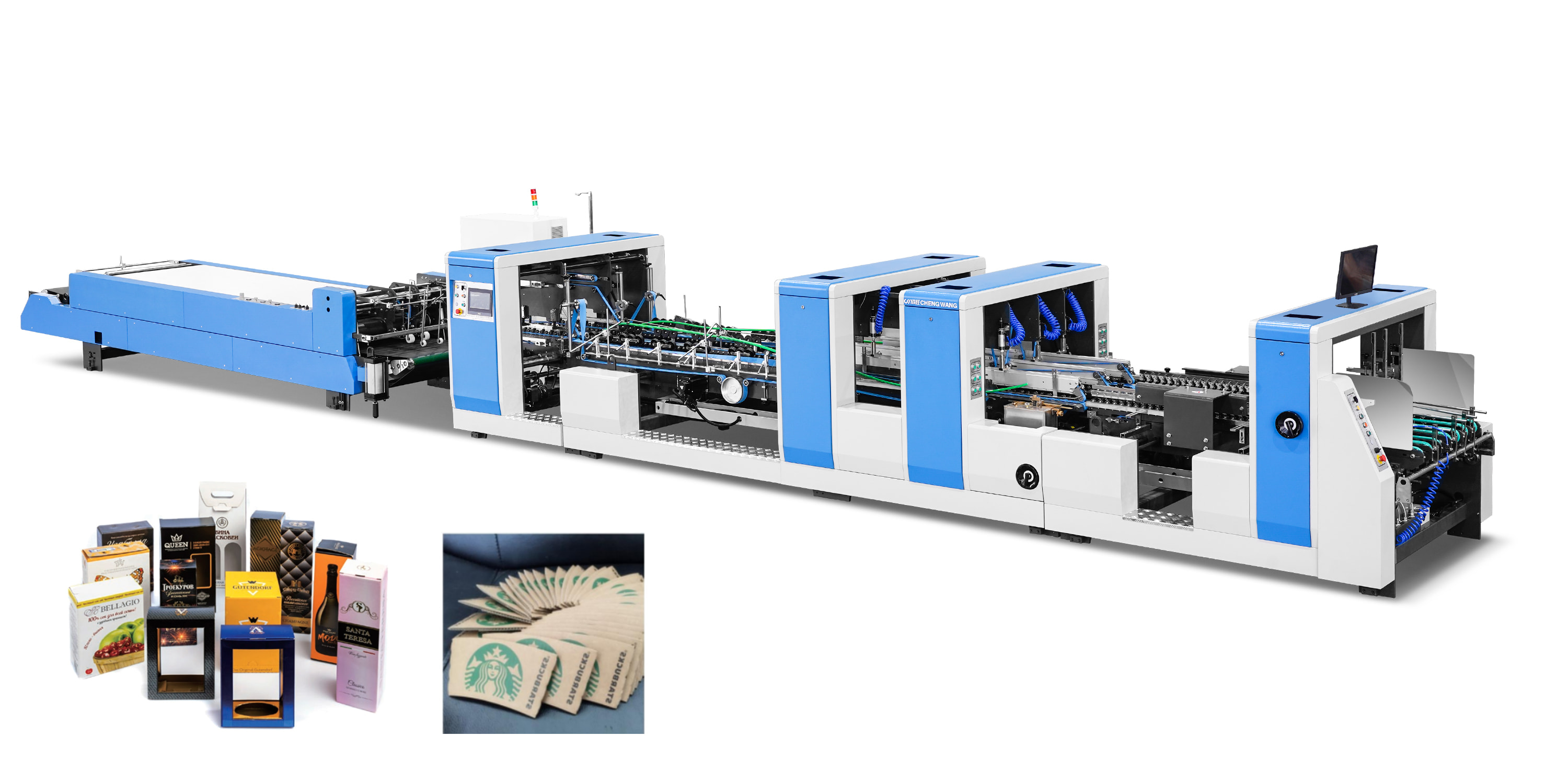
Ever gotten a box with a built-in handle, a window, or a weird shape (like a hexagonal gift box)? That’s die-cut cardboard. It’s pre-cut into specific shapes before it reaches the Folding and Gluing Machine, which then folds it into 3D boxes. These machines need ultra-precise alignment—if the fold is off by even a millimeter, the custom shape won’t fit together. Cenwan’s 4/6 Corner Automatic Folder Gluer uses servo motors (think “super precise little engines”) to make sure every die-cut piece lines up perfectly.
Why does this matter for you? Next time you get a box that feels “just right”—not too flimsy, not too bulky—you’ll know it’s because the machine was matched to the right cardboard. A box that tears easily? It might be paperboard being used for a job that needs corrugated—or a machine that couldn’t handle the material properly.
The Box Styles You Use Every Day (And How Machines Make Them)
Have you ever wondered why some boxes close with a “click” and others need tape? It’s all about the box style—and Folding and Gluing Machines are built to handle each one differently. Let’s break down the most common types you’ll see:
1. Regular Slotted Containers (RSC): The “Everyday” Shipping Box
This is the box you get for most online orders—think Amazon, Walmart, or your local bookstore. It has four flaps on the top and bottom that fold over each other, and it’s usually sealed with tape. RSC boxes are simple to make, but machines still need to get the folds right: if the flaps are uneven, the box won’t close properly, and your items might fall out.
Folding and Gluing Machines for RSCs use basic folding guides to crease the cardboard along pre-scored lines (those faint lines you see on flat cardboard sheets). The machine applies glue to the small “tabs” that hold the box’s sides together, then presses them to form a tight bond. The result? A box that’s quick to assemble and stackable—perfect for shipping.
2. Self-Locking Boxes: The “No Tape Needed” Ones
Ever opened a box that just “snaps” closed? That’s a self-locking box. It has flaps that fold into each other and stay closed without tape—great for gift boxes, shoe boxes, or small electronics. Making these boxes requires extra precision: the locks have to line up exactly, or the box will pop open.
Cenwan’s Full Servo Lock Bottom Folder Gluer is designed for this. It uses sensors to make sure each lock flap is folded at the right angle, then presses them into place so they stay closed. Next time you get a shoe box that doesn’t need tape, thank this type of machine.
3. Die-Cut Cartons: The “Fancy” Retail Ones
These are the boxes that look like they were made just for the product—think a laptop box with a foam insert, a cosmetic box with a window, or a subscription box with a custom design. Die-cut cartons are pre-cut into unique shapes, so the machine’s job is to fold them into 3D and glue the seams.
Machines for die-cut cartons need to be flexible. For example, a box with a window might have a separate plastic sheet that the machine has to attach before folding. Cenwan’s Multifunctional Heavy-duty Two-fold Folder Gluer can handle these extra steps, making it a favorite for brands that want eye-catching packaging.
4. Folding Cartons: The “Small But Mighty” Ones
These are the tiny boxes you see in grocery stores and pharmacies—think snack bars, toothpaste boxes, or pill bottles. They’re made from thin paperboard and fold flat when not in use (which saves space for stores). Folding and Gluing Machines for these boxes use gentle pressure to avoid tearing the paperboard, and they apply a small amount of glue to keep the seams closed.
The next time you pick up a snack bar, look at the box’s seams—if the glue is neat and the folds are straight, it’s a sign of a well-tuned machine.
How a Folding and Gluing Machine Works: Step-by-Step
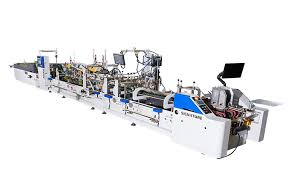
Let’s take a behind-the-scenes look at how these machines turn a flat cardboard sheet into a usable box. It’s like a tiny factory in one machine—here’s the play-by-play:
Step 1: Feeding the Cardboard
First, the machine gets its “ingredient”: flat cardboard sheets (called “blanks”). These blanks are loaded into a hopper (a big tray at the top of the machine). A feeding system—usually a set of rollers or belts—pulls the blanks into the machine one at a time. Sensors make sure each blank is aligned perfectly: if it’s off by even 1mm, the whole box will be lopsided.
Step 2: Folding the Cardboard
Next, the blank moves to the folding section. This is where the magic happens: small arms and guides push the cardboard along pre-scored lines to create the box’s shape. For an RSC box, the machine folds the sides up first, then the bottom flaps. For a self-locking box, it folds the lock tabs into place.
Cenwan’s machines use “adjustable guides” here—so if you want to switch from a small box to a large one, you just tweak the guides (no need to buy a new machine). This is why one machine can make hundreds of different box sizes.
Step 3: Applying the Glue
Now it’s time to make the box stick. The machine has a glue applicator—usually a small roller or nozzle—that applies adhesive exactly where it’s needed (like the tabs on the box’s sides or the seams of a die-cut carton). The glue is either hot melt (which dries fast) or water-based (better for paperboard).
The key here is “no waste.” The machine only applies as much glue as needed—too much, and it seeps through the cardboard (ruining the product inside); too little, and the box falls apart. Sensors check the glue level constantly to make sure it’s just right.
Step 4: Pressing and Bonding
After the glue is applied, the box moves to the pressing section. Rollers or belts squeeze the glued parts together to create a strong bond. For corrugated cardboard, this pressure has to be firm enough to hold the layers together but not so firm that it crushes the flutes. For paperboard, it’s gentler to avoid tearing.
Step 5: Outputting the Finished Box
Finally, the machine spits out the finished box! Industrial machines can do this at lightning speed—up to 10,000 boxes per hour. Smaller machines (for workshops or small businesses) might make 500 boxes per hour, which is still way faster than folding by hand.
Some machines even stack the boxes automatically—so by the end of the process, you have a neat pile of ready-to-use boxes, no manual stacking needed.
Why Automation Beats Manual Folding (For Everyone)
Before Folding and Gluing Machines existed, people folded boxes by hand. Imagine sitting at a table, folding cardboard with a ruler, applying glue with a brush, and stacking boxes one by one. It was slow, tiring, and full of mistakes. Automation changed everything—and not just for big factories. Here’s how it helps you (even if you don’t work in packaging):
1. Consistency: Every Box Is the Same
Manual folding means some boxes are a little bigger, some a little smaller, and some have glue drips. With machines, every box is identical. That’s why when you order three pairs of socks from the same store, the boxes are all the same size—no surprises.
Consistency also means safer shipping. A box that’s folded perfectly can hold more weight and resist tearing better than a lopsided one. Next time your package arrives intact, thank the machine’s consistency.
2. Speed: Keeping Up With E-Commerce
E-commerce grows every year—and we all expect fast shipping. A single worker can fold about 50 boxes per hour by hand. A mid-range Folding and Gluing Machine can make 2,000 boxes per hour. Industrial machines? Up to 10,000.
This speed means stores can keep up with orders. If you order a book on Monday and get it on Wednesday, it’s because a machine made the box quickly enough to get it shipped out.
3. Less Waste: Saving Money (and Trees)
Manual folding wastes a lot of cardboard—if you fold a flap wrong, you have to throw the whole blank away. Machines reduce waste by 30% (according to the Packaging Machinery Manufacturers Institute) because they fold precisely and use glue efficiently.
Less waste means lower costs for brands—which can translate to lower prices for you. It also means fewer trees cut down for cardboard—win-win.
4. Safer Workplaces
Folding boxes by hand is hard on the body. Workers spend hours bending, folding, and lifting—leading to back pain, carpal tunnel, and other injuries. Machines do the heavy lifting, so workers can focus on monitoring the machine (not repetitive tasks).
Machines also reduce exposure to glue, which can cause skin irritation or respiratory problems. Safer workers mean a more reliable supply chain—so your packages keep coming on time.
5. Small Businesses Can Compete
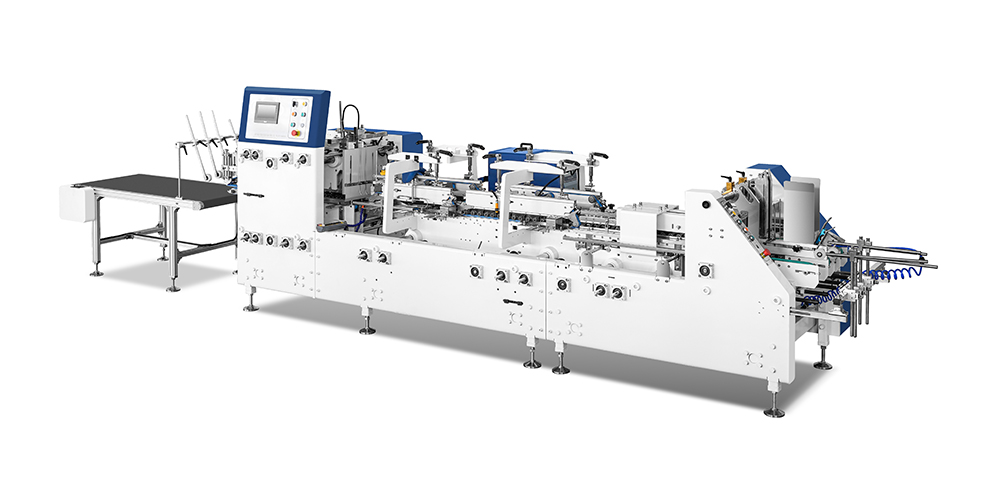
Automation isn’t just for big companies. Compact Folding and Gluing Machines (like Cenwan’s Full Automatic Two-fold Folder Gluer) are affordable for small businesses—think a local bakery, a handmade soap seller, or a small online store. These machines let small brands make professional-looking boxes that compete with big retailers.
Next time you buy a loaf of bread from a local bakery and it comes in a neat, sturdy box, chances are a small Folding and Gluing Machine made it.
Where You’ll Find These Machines (Spoiler: Everywhere)
Folding and Gluing Machines are in places you might not expect—they’re not just in big factories. Here are the real-world spots where these machines work hard every day:
1. E-Commerce Warehouses
Amazon, Shopify, and other e-commerce giants have entire rooms full of Folding and Gluing Machines. These machines make boxes on demand—so if you order a laptop, the warehouse can make a box that’s exactly the right size (no more wasting big boxes for small items). This is why some e-commerce packages feel “custom-fitted” to the product.
2. Grocery Stores and Food Factories
Cereal boxes, frozen food cartons, and bakery boxes are all made with Folding and Gluing Machines. These machines use food-safe glue and easy-to-clean parts (important for keeping food hygienic). For example, a cereal factory might use a machine that makes 5,000 boxes per hour—enough to keep up with the cereal production line.
3. Small Workshops and Local Businesses
A local candle maker, a handmade jewelry seller, or a craft brewery—all of these small businesses can use compact Folding and Gluing Machines. These machines fit in small spaces (some are the size of a desk) and make boxes that look professional. For example, a candle maker might use a machine to make small boxes with their logo on it—something that would be too expensive to outsource.
4. Logistics and Shipping Centers
UPS, FedEx, and postal services use Folding and Gluing Machines to make boxes for packages that don’t have their own. If you send a gift to a friend and don’t have a box, the shipping center can make one on the spot—fast and cheap.
How to Spot a “Well-Made Box”
Now that you know how Folding and Gluing Machines work, you can be a “box expert” next time you get a package. Here’s what to look for to tell if a box was made by a good machine (and will protect your items):
- Straight folds: The creases should be clean and even—no wiggles or uneven edges. If the folds are crooked, the machine’s guides were off.
- Neat glue spots: You shouldn’t see glue oozing out of the seams or dripping down the sides. A good machine applies just enough glue to hold the box together.
- Tight seams: The glued parts should be pressed firmly together—no gaps. A gap means the machine’s pressing rollers weren’t adjusted right.
- Stackable shape: If you put two boxes on top of each other, they should sit flat. If they wobble, the machine’s folding was off.
A box that has all these features? It was made by a well-tuned Folding and Gluing Machine—and it’s more likely to protect your items during shipping. A box that’s lopsided, has glue drips, or falls apart? It was either made by a poorly maintained machine or folded by hand.
The Future of Folding and Gluing Machines
Like all technology, Folding and Gluing Machines are getting better. Here are the trends that will shape the boxes of tomorrow:
1. Smarter Sensors and AI
Future machines will use AI and better sensors to catch mistakes before they happen. For example, a machine might use a camera to check if a cardboard blank is damaged—if it is, it’ll reject it automatically (no more bad boxes getting into the pile). AI will also optimize the machine’s speed and glue usage based on the material—so it’s always working at its best.
2. More Sustainable Machines
Sustainability is a big trend in packaging, and machines are keeping up. Future machines will use less energy (think energy-efficient motors) and work with recycled cardboard better. Some machines might even use plant-based glue (instead of chemical-based glue) to make boxes more eco-friendly.
Cenwan Machine is already working on this—their latest machines use 20% less energy than older models, and they’re designed to handle recycled corrugated cardboard (which is thinner and trickier to fold).
3. Smaller, More Flexible Machines
Small businesses need machines that can do more with less space. Future compact machines will be even smaller (some might fit on a countertop) but still make 1,000 boxes per hour. They’ll also be easier to adjust—so you can switch from a gift box to a shipping box in minutes.
4. Integration with Other Tools
The future points toward fully integrated packaging lines. Future machines will seamlessly work with other packaging tools—like label printers or foam insert machines. Imagine a system that forms a box, prints a shipping label directly onto it, and inserts a protective foam pad—all in one continuous, automated step. This level of integration will make packaging operations faster, more efficient, and less labor-intensive, especially for growing small businesses.
This vision of a streamlined, automated workflow is exactly what companies like Cenwan Machine are bringing to life. They are at the forefront, designing machines that are not only reliable and efficient but also built to integrate into the smarter packaging systems of tomorrow.
Next time you hold a cardboard box, take a moment to appreciate it. It’s not just a “container”—it’s the result of smart material choices, precise machine work, and careful engineering. The Folding and Gluing Machine that made it might be in a factory, a warehouse, or a small workshop—but it’s working hard to make sure your items arrive safe and sound.
Companies like Cenwan Machine are leading the way, making machines that are reliable, flexible, and efficient. Whether you’re a small business owner looking for a machine to make your boxes, or just a consumer curious about how things are made, understanding these machines helps you see the “hidden work” behind everyday items.
The next time you unbox a package and the box is perfect—straight folds, neat glue, strong seams—you’ll know exactly who to thank: the Folding and Gluing Machine that made it.
Ready to see this technology in action? Explore Cenwan Machine’s full line of advanced Folding and Gluing Machines and discover how they can optimize your packaging process: cenwan
Recommended Products
Focus on providing high-quality folder-gluing equipment to customers around the world.
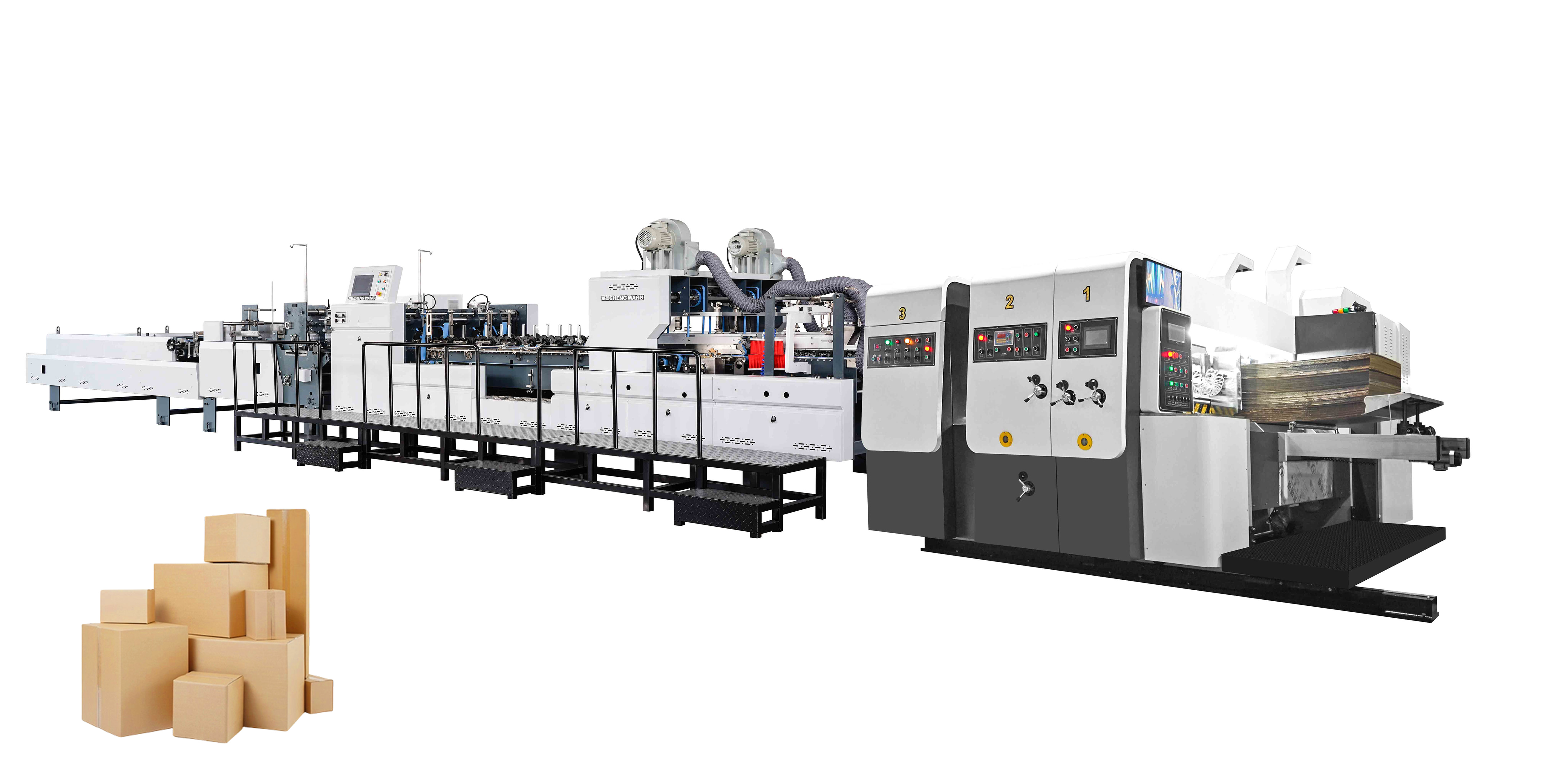

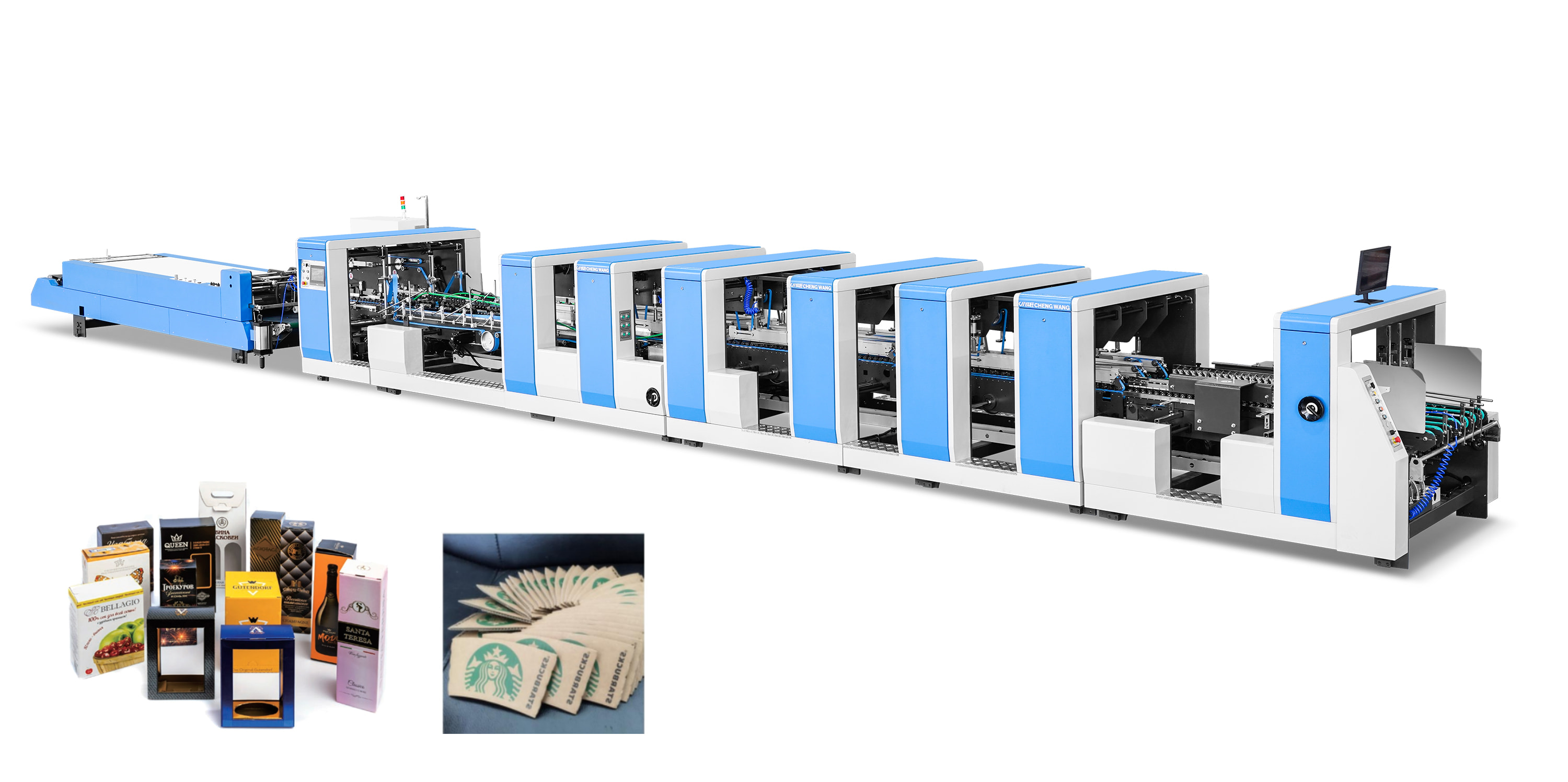


No.3888, Jiangnan Avenue, Nanbin Street, Ruian City, Wenzhou City, Zhejiang Province, China







Privacy Policy Copyright © Zhejiang Chengwang Intelligent Packaging Equipment Co., Ltd.
High Speed Folder Gluer Factory