English
 русский
 Français
 Español
 Deutsch
What Maintenance Tips Help Corrugated Box Gluer Machine Run Smoothly In Daily Use
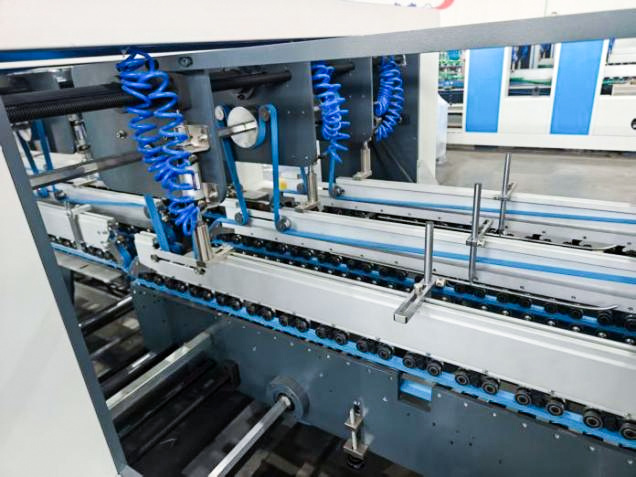
In a packaging workshop, box gluing usually sits near the final part of the production line. Sheets move in, fold into shape, receive adhesive, then travel out as finished boxes. When any section slows down or gets dirty, the effect shows up quickly in daily work. A small paper jam, a glue buildup, or a loose roller can change how the whole line behaves.
A Corrugated Box Gluer Machine works under repeated contact. Cardboard passes through guides, folding parts press the sheets into shape, and adhesive sections apply glue many times during the day. Dust from paper edges, leftover glue, and normal wear all collect little by little. Because of that, daily care is not only about fixing problems after they appear. It also helps the machine stay easier to run from one shift to the next.
In many workshops, operators notice the same pattern. A machine that looks fine at the start of the day can begin to behave differently after several hours of use. The reasons are usually simple: dust changes roller movement, glue dries in small corners, or folded sections lose smooth contact. Regular maintenance helps prevent those small changes from turning into production delays.
A Folder Gluer Factory often designs equipment with service access in mind because daily cleaning and inspection are part of real production life. When workers can reach key areas without moving too many parts, routine care becomes faster and more practical.
Why Does Daily Maintenance Matter For Corrugated Box Gluer Machine
Daily maintenance matters because box gluing depends on several actions happening in sequence. Feeding, folding, gluing, and delivery all need to stay aligned. When one part becomes dirty or slightly out of place, the next section may also begin to work less smoothly.
Paper dust is one of the common reasons for trouble. Corrugated board sheds tiny fibers at the edges. Those fibers collect on rollers, guides, and folding paths. Once buildup starts, sheets may not move as evenly, which can lead to uneven folding or weak glue contact.
Glue residue is another daily concern. Adhesive can dry on the parts that apply or guide it. If cleaning is delayed, hardened glue may affect the path of the board or change the way adhesive spreads. In practice, that can mean boxes leaving the machine with weak seams, excess glue marks, or inconsistent bonding.
Small checks during the day often prevent these issues from growing.
- Watch whether sheets enter the machine in a straight path.
- Look for glue marks near application points.
- Check whether folding parts press evenly.
- Notice any change in sound or movement.
- Remove loose paper waste before it gathers.
Operators who work with the same machine every day usually learn what normal movement feels like. That experience is useful. A slight vibration, a slower feed, or a different sound may point to dust buildup, loose parts, or a need for cleaning.
What Areas Need Regular Inspection On A Corrugated Box Gluer Machine
Different parts of the machine need different kinds of attention. Looking at every section in the same way is not very useful. Feeding parts, folding parts, glue sections, and transfer areas each face different wear patterns during normal use.
The feeding section usually needs the earliest attention. If cardboard enters at an angle or if dust gathers near guides, the board may not move evenly into the machine. That can affect the fold line later in the process.
Folding sections need inspection because repeated pressure and movement slowly change how the parts touch the board. If a folding guide is worn or dirty, the edge of the box may not settle into shape correctly.
Glue areas deserve regular cleaning because adhesive hardens with time. Dried glue does not only affect appearance. It may also change how the board meets the glued edge during the joining step.
Transfer areas and conveyor parts should also stay clear. Cardboard boxes need steady movement after gluing. When rollers or belts collect dust, transfer becomes less stable and the finished boxes may shift position.
| Maintenance Area | What To Check In Daily Use | Why It Matters |
|---|---|---|
| Feeding section | Dust, board alignment, guide condition | Helps sheets enter smoothly |
| Folding section | Pressure points, wear, movement path | Supports even folding |
| Glue section | Residue, application area, drying signs | Keeps adhesive flow steady |
| Transfer section | Roller condition, dust, movement speed | Helps boxes leave the machine cleanly |
| Control area | Connections, visible wear, response changes | Supports normal operation |
How Should Operators Clean A Corrugated Box Gluer Machine Properly
Cleaning should match the type of dirt found on the machine. Paper dust is light and easy to remove, while dried glue needs more care. A rough cleaning method can cause more problems than the dirt itself, so the process should stay gentle and organized.
A common habit in workshops is to clean the machine after the shift ends. That timing works well because residue has not yet built up too much, and workers can inspect the machine while parts are still fresh in memory from the day's work.
Useful cleaning habits include:
- Remove loose paper scraps before they gather around rollers.
- Wipe dust from feeding guides and folding paths.
- Check glue areas before residue hardens.
- Keep cleaning cloths and tools stored in one place.
- Avoid using force on delicate surfaces.
It also helps to clean with the machine stopped and safe to reach. When workers rush through cleaning during active production, they may miss buildup in small corners. A short, careful cleaning routine often saves time later because the machine stays easier to inspect.
What Maintenance Steps Help Keep Gluing Performance Stable
Glue performance depends on more than the glue itself. The condition of the application area, the cleanliness of related parts, and the flow of cardboard through the machine all affect how well the seam holds together.
A stable gluing section usually shows several signs. Glue spreads in a steady line. Box edges meet without shifting too much. Residue does not gather heavily around the application point. When those signs change, maintenance should focus on the glue area first.
Common checks include:
- Looking for dried adhesive near the application section.
- Confirming that glue reaches the intended area.
- Watching whether glue marks appear where they should not.
- Checking whether board edges line up before bonding.
- Cleaning after use so residue does not harden overnight.
Many production teams also keep a simple habit of checking the glue section at the start of the day. That quick glance often tells workers whether the machine needs light cleaning before full production begins.
A Folder Gluer Factory often understands these practical details during design and assembly. Machines that allow easier access to glue parts, feeding paths, and folding sections are simpler to care for during real daily use.
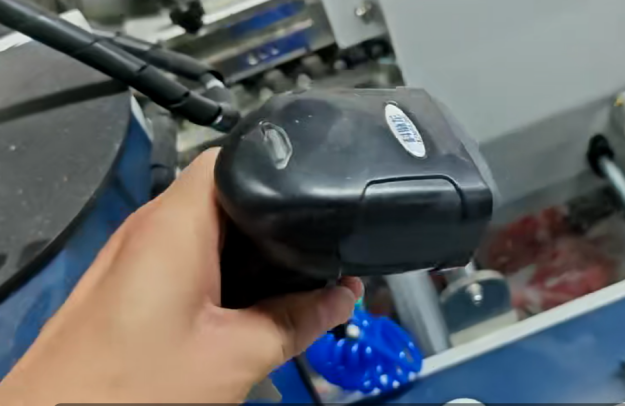
How Does A Folder Gluer Factory Consider Equipment Maintenance During Production
When a machine is used every day, maintenance becomes closely connected with how the equipment is designed and produced. A Folder Gluer Factory does not only focus on how a machine performs during operation. Practical use, cleaning access, and routine inspection are also important parts of equipment planning.
In a real packaging workshop, operators need to reach different areas regularly. Paper dust may collect near feeding paths, glue residue may remain around application sections, and moving parts may need occasional checking. A machine structure that allows easier access can make those tasks less time-consuming.
During production, several details can influence later maintenance work.
- Working sections should be easy to observe.
- Cleaning areas should not be difficult to reach.
- Common inspection points should be arranged clearly.
- Moving parts should allow regular checking.
- Maintenance work should fit normal production habits.
For example, glue sections usually need frequent attention because adhesive can change after staying on surfaces for a period of time. When operators can quickly check and clean those areas, small residue problems are easier to handle.
Feeding and folding sections also need practical attention. Workers often judge equipment condition by watching how cardboard enters, folds, and moves forward. Clear visibility helps them notice changes during normal production instead of waiting for a larger issue.
Experience from daily operation can also provide useful feedback. Operators often know which areas collect dust faster, which parts need more cleaning, and which adjustments require more attention. Such information can support improvements in future equipment planning.
What Daily Operating Habits Can Help Maintain Equipment Condition
Maintenance does not only happen after a machine stops running. Daily operation habits also influence how equipment performs over time.
A careful start-up process gives operators a chance to check the machine before full production begins. Loose material, leftover adhesive, or unusual movement can often be noticed during this stage.
During working hours, operators usually pay attention to simple signs.
- Does cardboard move through the machine smoothly?
- Does the folding process stay consistent?
- Does adhesive remain in the expected area?
- Are there new sounds from moving sections?
- Is paper waste collecting around important parts?
Those observations may seem small, yet they are closely connected with daily operation. Workers who spend time with the machine often notice changes earlier because they are familiar with normal working conditions.
Stopping the equipment properly is also part of maintenance. After production ends, removing leftover cardboard, cleaning glue-related sections, and checking visible parts can reduce preparation work for the next operation.
Operator habits also affect adjustment work. Making changes without understanding the reason may influence other sections. Careful adjustment and clear communication usually help avoid unnecessary changes.
How Can Regular Maintenance Support Corrugated Box Production
A Corrugated Box Gluer Machine depends on cooperation between several sections. Feeding, folding, gluing, and transportation all influence the final box condition. When one area becomes less stable, other steps may also be affected.
Regular maintenance helps keep daily production more predictable.
For example, a clean feeding section allows cardboard to enter with fewer interruptions. A well-maintained folding section helps keep box shapes more consistent. A clean glue area supports a smoother bonding process.
Maintenance tasks can be arranged according to production routines.
| Maintenance Timing | Common Checks | Practical Purpose |
|---|---|---|
| Before operation | Remove leftover materials and check visible parts | Prepare for daily work |
| During operation | Watch movement and adhesive condition | Notice unusual changes |
| After operation | Clean dust and glue residue | Keep working areas ready |
| Regular inspection | Review connections and moving sections | Maintain normal operation |
Many workshops do not treat maintenance as a separate activity. Instead, cleaning and checking become part of the normal working process. A few minutes spent on basic care may reduce the need for larger adjustments later.
Why Does Operator Experience Matter In Equipment Care
Equipment can provide movement, yet operators provide daily judgment. People who work with the same machine regularly often understand small differences that are difficult to notice from the outside.
A change in sound, a slight delay in movement, or a different folding result may indicate that a certain area needs attention. Early observation gives maintenance teams more information when checking the equipment.
For example, an operator may notice:
- A box edge does not fold as usual.
- Cardboard hesitates while passing through a section.
- Glue marks appear in a different position.
- A moving part sounds different from normal operation.
Such signs do not always mean a serious problem exists. They simply show that a closer inspection may be needed.
Communication between operators and maintenance staff also plays an important role. Operators understand daily production conditions, while maintenance workers focus on equipment adjustment and repair. Sharing observations helps both sides respond more accurately.
Keeping a machine in good working condition often comes from repeated small actions rather than occasional major work.
For a Corrugated Box Gluer Machine, useful habits include cleaning paper dust, removing adhesive residue, checking moving sections, and recording unusual conditions. Those actions fit naturally into daily production because they are connected with normal machine use.
Packaging production requires steady movement from one process to another. Cardboard needs to enter correctly, folds need to stay in position, and adhesive needs to connect the box parts properly. Regular care helps maintain those processes by keeping different sections working together.
A Folder Gluer Factory and equipment users both consider practical operation during the machine life cycle. Equipment structure, operator habits, and maintenance routines all influence daily performance.
When cleaning, inspection, and careful operation become regular habits, the machine becomes easier to manage. Maintenance then changes from a response to problems into a normal part of production work.
Recommended Products
Focus on providing high-quality folder-gluing equipment to customers around the world.



No.3888, Jiangnan Avenue, Nanbin Street, Ruian City, Wenzhou City, Zhejiang Province, China







Privacy Policy Copyright © Zhejiang Chengwang Intelligent Packaging Equipment Co., Ltd.
High Speed Folder Gluer Factory