English
 русский
 Français
 Español
 Deutsch
Are Workshops Ready to Embrace the Automatic Box Folder
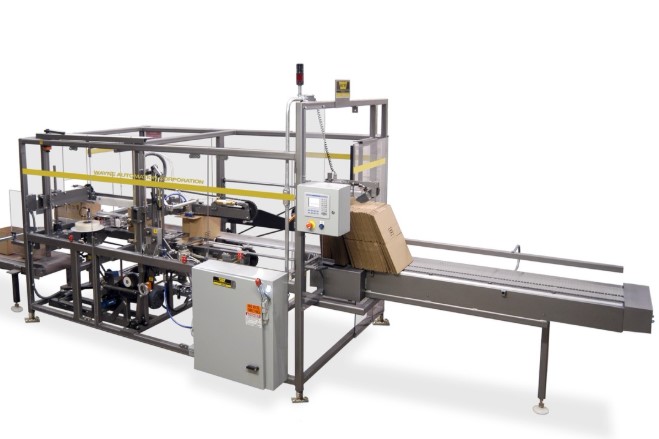
The names used for sheet metal folding machines tell a story about how the tools are used, who trained the operator, and how design changes over time reshape industry language. As manufacturers introduce more automated systems, one name that is drawing renewed attention is Automatic Box Folder. Industry conversations suggest that terminology now blends history, function, and technology — and that words matter when shops look for equipment, training, and parts.
A short history of names and why they persist
Language in any trade evolves slowly. Early workshop terms were practical and literal, reflecting what the machine did day after day. Over years, regional habits and the migration of workers from shop to shop created a patchwork of names. Each label highlights a feature or a common task, and that helps people communicate quickly on the shop floor.
- Box and pan brake emphasized the device’s ability to form boxes and shallow pans from flat material.
- Finger brake pointed to segmented clamps that leave gaps for tight bends.
- Hand brake signaled manual operation and simplicity.
- Bending brake or sheet metal brake served as broad, catch-all terms for machines that bend along a straight line.
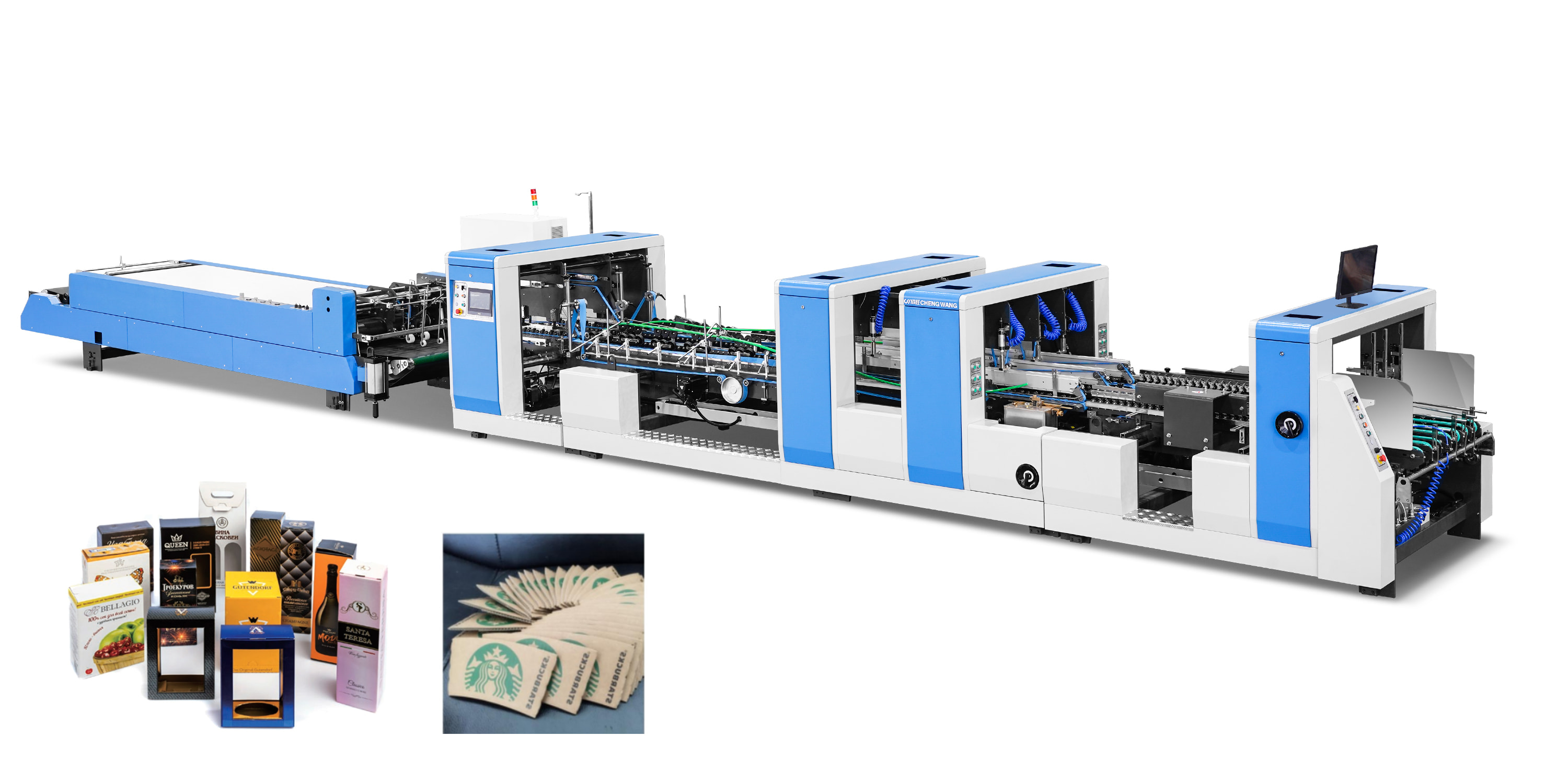
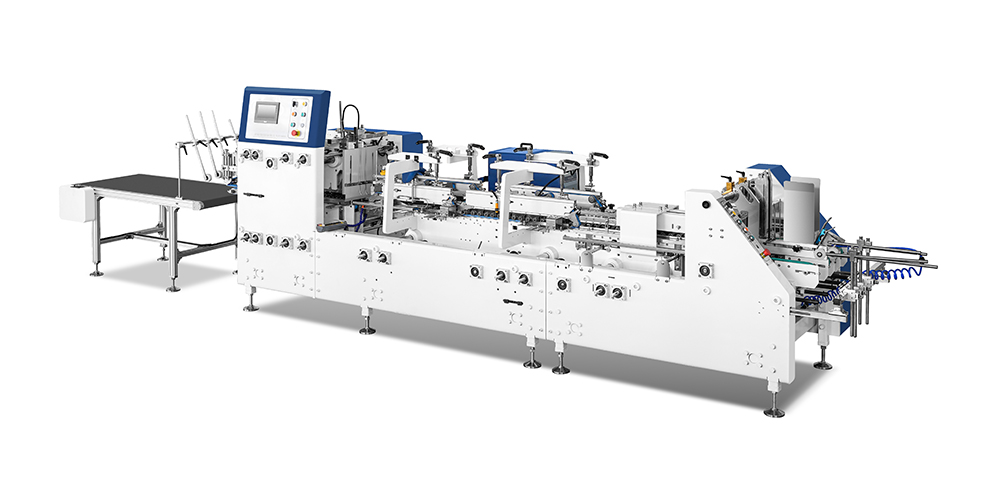
Now, as automation becomes more accessible, the phrase Automatic Box Folder appears in discussions to describe equipment that reduces repetitive manual steps while preserving the functions that gave older names their meaning.
What the names reveal about machine function
Names do more than identify tools; they advertise a machine’s strengths and constraints. When an operator asks for a finger brake, others infer that segmented clamping and fine control are priorities. When someone mentions a hand brake, the expectation is portability and straightforward use. The arrival of automated systems adds another dimension: workflow integration.
- Function-first names highlight the shapes the tool produces.
- Feature-first names highlight a distinctive mechanical attribute.
- Operation-first names highlight how the machine is controlled.
Within that mix, "Automatic Box Folder" signals both the type of component produced and the presence of automation in the folding process.
Design choices behind the labels
Although many labels overlap, they correspond to specific design choices that influence capability and use:
- Clamping style — Segmented clamps (fingers) allow gaps for complex bends; full-length clamps provide continuous support.
- Actuation — Manual handles imply direct operator force, while powered systems use assisted motion.
- Purpose — Terms like box, pan, or folder point to the typical product shapes the machine produces.
Names serve as shorthand for these choices, which is why precise vocabulary becomes important when ordering tooling, seeking parts, or describing a repair.
Training and local practice shape terminology
The words people use often come from mentors, classroom instructors, or the first shop where they apprenticed. That background frames expectations and influences searches for documentation or spare parts. Misalignment in vocabulary can complicate procurement and training, particularly when a facility transitions from manual equipment to systems that include automated folding steps.
- New operators adopt vocabulary from seasoned workers.
- Manuals and course materials reinforce certain names.
- Cross-shop communication benefits from shared definitions.
Why choosing the right name matters
Precision in language helps shops reduce mistakes. The right term makes it easier to match tooling, find instructional materials, and communicate with suppliers. When automation enters the mix, calling a machine by the correct term can clarify whether the unit integrates with other systems or simply offers assisted bending.
- Clear terminology streamlines sourcing and maintenance.
- Consistent naming improves training outcomes.
- Accurate descriptions reduce the risk of ordering incompatible parts.
Common names and roles
| Name | Typical use | Distinctive feature |
|---|---|---|
| Box and pan brake | Forming three-dimensional containers and shallow pans | Ability to create boxed shapes with segmented or full clamps |
| Finger brake | Small or irregular bends where gaps are needed | Removable or repositionable clamp segments |
| Hand brake | Portable, manual folding tasks | Simple operation with manual actuation |
| Automatic Box Folder | Repetitive folding tasks with reduced manual steps | Automation that speeds routine folds while maintaining shape control |
Practical guidance for shops and operators
When a shop considers new equipment or tries to locate documentation, a few practical steps reduce confusion:
- Describe the task you need done (shape, volume, and tolerance) rather than relying solely on a name.
- Ask for details about clamping style and control method (manual, assisted, or automated).
- Seek demonstrations or sample parts so you can verify that the machine produces the intended results.
These steps help bridge language differences and ensure the chosen machine fits the workflow.
Industry implications and adoption patterns
Adoption of automated folding systems has implications beyond the shop floor. When facilities integrate equipment that cuts manual steps, they also change training needs, safety procedures, and maintenance schedules. Terminology evolves alongside these shifts: a name that once implied a fully manual tool may now be used for a machine with automated features. Using a term like Automatic Box Folder signals an expectation that routine tasks can be handled with small amounts of programmed or assisted motion, and that operators will move toward oversight rather than constant manual force.
Balancing language, function, and choice
Words matter because they shape expectations. For fabricators, suppliers, and trainers, a shared vocabulary smooths transactions and improves outcomes. As newer systems enter shops, updating terminology to reflect function and control levels can prevent mismatches between need and equipment. When exploring options, describe the shapes, support, and level of automation you require, and seek advice from experienced practitioners when uncertainty remains. For further information on machine types and how automation changes folding workflows, consider resources that focus on product function and shop integration, such as cenwanmachine.
Recommended Products
Focus on providing high-quality folder-gluing equipment to customers around the world.



No.3888, Jiangnan Avenue, Nanbin Street, Ruian City, Wenzhou City, Zhejiang Province, China







Privacy Policy Copyright © Zhejiang Chengwang Intelligent Packaging Equipment Co., Ltd.
High Speed Folder Gluer Factory