English
 русский
 Français
 Español
 Deutsch
How Is the Box Folder Gluer Machine Changing Routine Packaging Workflows
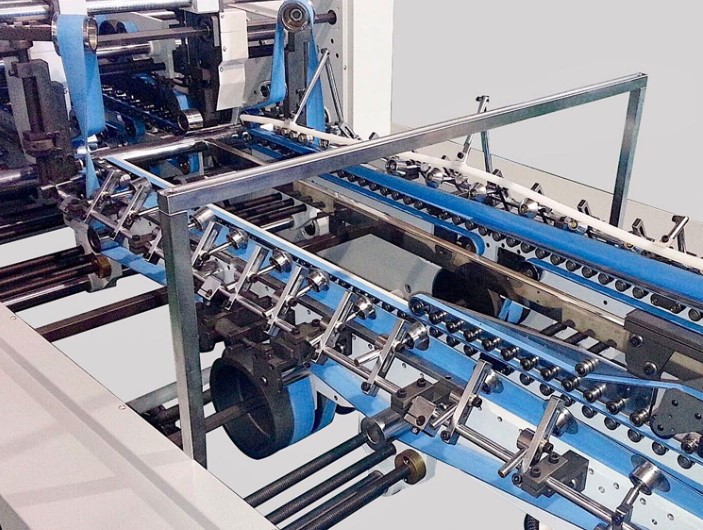
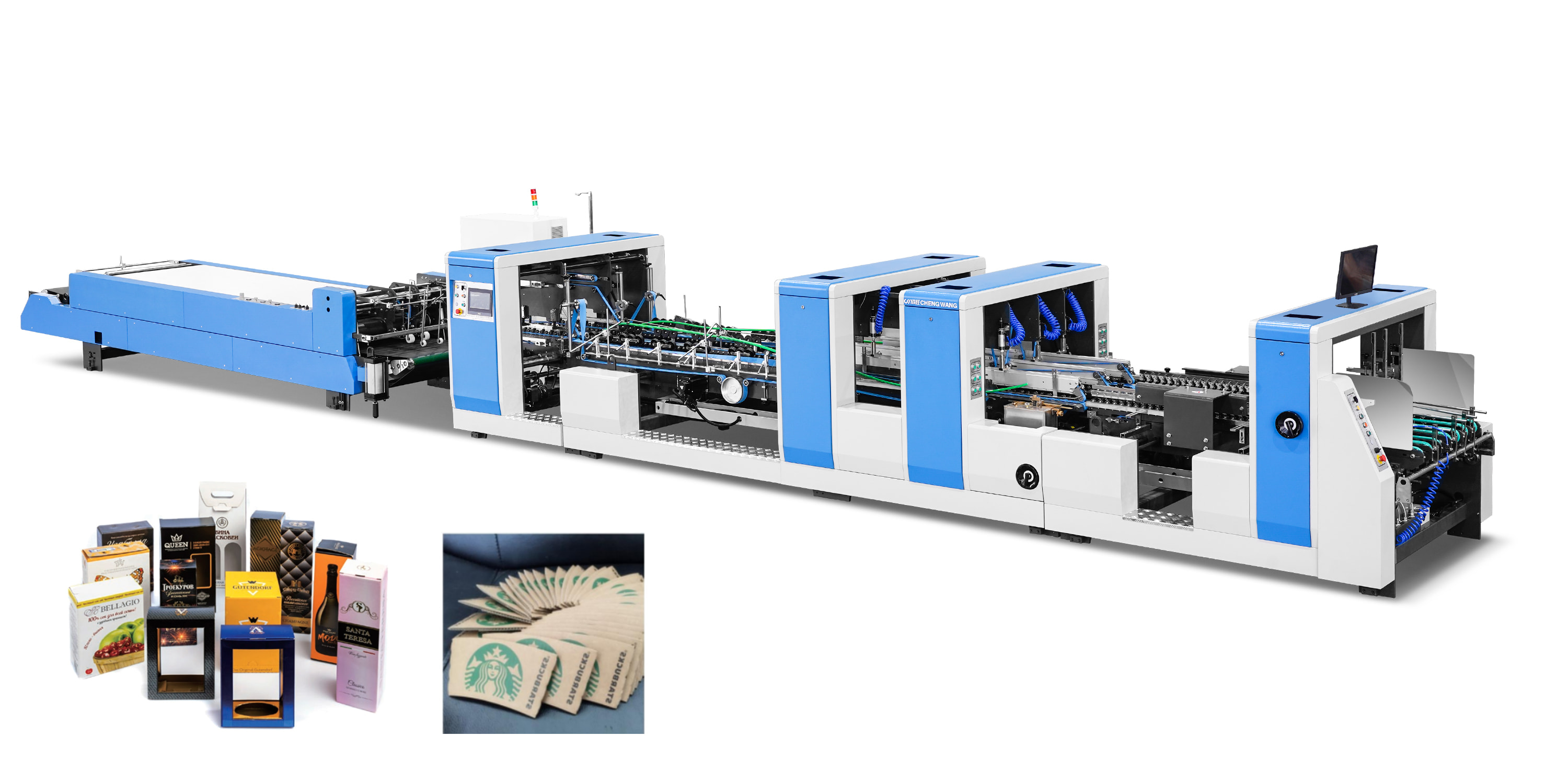
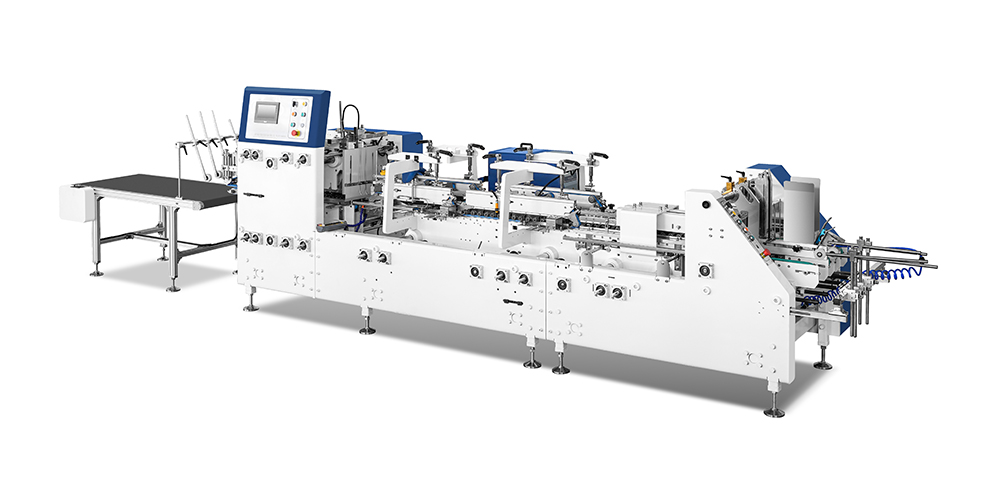
Packaging plants and converting shops are seeing steady shifts in how carton production is organized, and one piece of equipment often sits at the center of that change: the Box Folder Gluer Machine. As lines seek reliable steadiness rather than sporadic bursts of speed, operators and managers alike are re-examining the flow from flat blank to finished carton. The device’s role goes beyond folding and bonding; it establishes rhythm, enforces inline inspection, and creates predictable output that downstream stations can rely on.
A new narrative for a familiar task
When flat, creased blanks enter a production floor they begin a short, repeatable journey that must balance accuracy and throughput. Automated systems that fold and glue boxes have been deployed to reduce manual handling and to maintain consistent joint quality across long runs. In many facilities, the Box Folder Gluer Machine functions as the pivotal station that coordinates both mechanical actions and quality controls. It is no longer just a piece of metal that applies adhesive; it is a node in a connected workflow where timing, positioning, and pressure interact.
How the process is organized: five functional areas
The folding and gluing flow is commonly broken into five interlinked areas, each with a clear task. Understanding the role of every stage helps planners reduce waste and shorten changeover time.
Feeding
- Introduces single blanks into the system in a controlled cadence.
- Ensures orientation and separation to prevent overlaps that cause jams.
Sets the tempo for downstream operations.
Pre-folding
- Applies initial bends along score lines to align panels for later folds.
- Reduces strain on the material during final folding, preserving board integrity.
- Prepares complex tuck or lock features so they engage cleanly later.
Folding
- Completes the box’s geometric form by engaging side panels and flaps.
- Uses a combination of guides, belts, and rotating elements to secure edges.
- Coordinates with adhesive application to time the joint closure.
Transfer
- Moves partially formed cartons toward bonding and inspection zones.
- Acts as a buffer where defective or poorly registered units can be removed.
- Helps synchronize downstream devices such as erectors, sealers, or palletizers.
Delivery
- Applies and maintains the pressure needed for glue to set and for the joint to form.
- Stabilizes finished cartons and organizes them for packing or stacking.
- Reduces the chance that a freshly bonded seam will open during handling.
Functional Overview of Each Production Section
| Section | Core objective | Common handling elements |
|---|---|---|
| Feeding | Introduce & space blanks | Feed decks, separators |
| Pre-folding | Form preliminary creases | Pre-fold bars, folders |
| Folding | Shape box geometry | Folding stations, rotary hooks |
| Transfer | Buffer and inspect | Transfer belts, diverters |
| Delivery | Bond and stabilize finished cartons | Compression plates, conveyors |
Inline quality and the rise of early detection
Producers have learned that catching faults early saves time and material. Sensors placed along the line check registration, detect misfeeds, and monitor glue application. When a deviation is detected, a diverter or an ejector can remove the blank before it contaminates a run. By locating inspection points near transitions — for example between folding and transfer — operators avoid longer rejects and keep the line moving without frequent manual interventions.
Placement of sensors
- Photoelectric sensors confirm the presence and position of a blank.
- Mechanical feelers or proximity switches verify fold engagement at critical moments.
- Optional vision systems check glue bead placement and seam alignment.
Handling rejects without stopping the flow
- Diverters route defective units to a separate lane.
- Local collections gather rejects for later review, reducing interruption to the main stream.
- Operators can review reject logs to identify repeat causes and improve setup procedures.
Human roles and machine ergonomics
Automation does not remove the need for skilled personnel; it changes their focus. Rather than folding by hand, teams now manage setup, routine maintenance, and troubleshooting. The design of equipment emphasizes safe access to glue applicators and moving parts so that cleaning and adjustments can be done quickly and with low risk. Training focuses on quick changeovers, accurate alignment, and interpreting sensor feedback to maintain steady production.
Energy, material handling and environmental considerations
How blanks react to folding depends on the properties of the board and the quality of scoring. Lines are often adjusted to accommodate recycled or mixed-source substrates, and careful handling reduces cracking or delamination. Energy use is typically tied to conveyance and compression systems; balancing the pneumatic or motorized actions with required holding times reduces unnecessary consumption without compromising bond quality.
Modularity and flexibility for varying formats
Producers handle runs that vary in length and box style. A modular approach to the folding and gluing line enables quick reconfiguration for different formats. Interchangeable guides, adjustable holding fixtures, and programmable timing sequences allow teams to switch between carton styles with reduced downtime. The transfer area is often where format-specific elements are inserted or removed, because it serves as a convenient staging zone.
Data and line diagnostics
Data capture from feed counts, reject events, and pressure hold times supports diagnosis and planning. Recording short-term trends helps identify when maintenance is due or when a recurring mismatch in glue application needs vendor support. Visibility into these metrics aids planners in scheduling changeovers and in choosing run lengths that balance setup overhead with material efficiency.
Operational gains and common trade-offs
Integrating a folding and gluing station into a line brings a set of operational outcomes. On one hand, consistency in joint formation and reduced manual handling lower the incidence of rework. On the other hand, successful runs depend on stable upstream blank quality and thoughtful layout planning so that rejected cartons do not bottleneck adjacent equipment. Teams typically weigh the benefits of automation against the need for skilled setup and frequent monitoring during format changes.
A short checklist for commissioning and daily operation
- Verify feed orientation and consistent blank spacing before production begins.
- Confirm pre-fold settings so bends form cleanly at score lines.
- Calibrate pressure application in delivery to match the adhesive’s tack profile.
- Run a short trial and inspect a small sample at transfer for registration and glue coverage.
- Maintain clear records of rejects and interventions to support continuous improvement.
A tool for predictable production
The folding and bonding sequence is a predictable workflow when mechanical timing, sensor feedback, and operator procedures are aligned. As lines evolve, the Box Folder Gluer Machine will remain a central node where format changes, quality checkpoints, and pressure application intersect. For teams focused on predictable output and lower levels of manual handling, investing in consistent setup practices and effective inline inspection yields steady outcomes and clearer production planning. For further equipment guidance and planning resources, visit Zhejiang Chengwang Intelligent Packaging Equipment Co., Ltd..
Recommended Products
Focus on providing high-quality folder-gluing equipment to customers around the world.



No.3888, Jiangnan Avenue, Nanbin Street, Ruian City, Wenzhou City, Zhejiang Province, China







Privacy Policy Copyright © Zhejiang Chengwang Intelligent Packaging Equipment Co., Ltd.
High Speed Folder Gluer Factory