English
 русский
 Français
 Español
 Deutsch
Balancing Precision and Speed: The Art of Box Folder Gluer Machine Operation
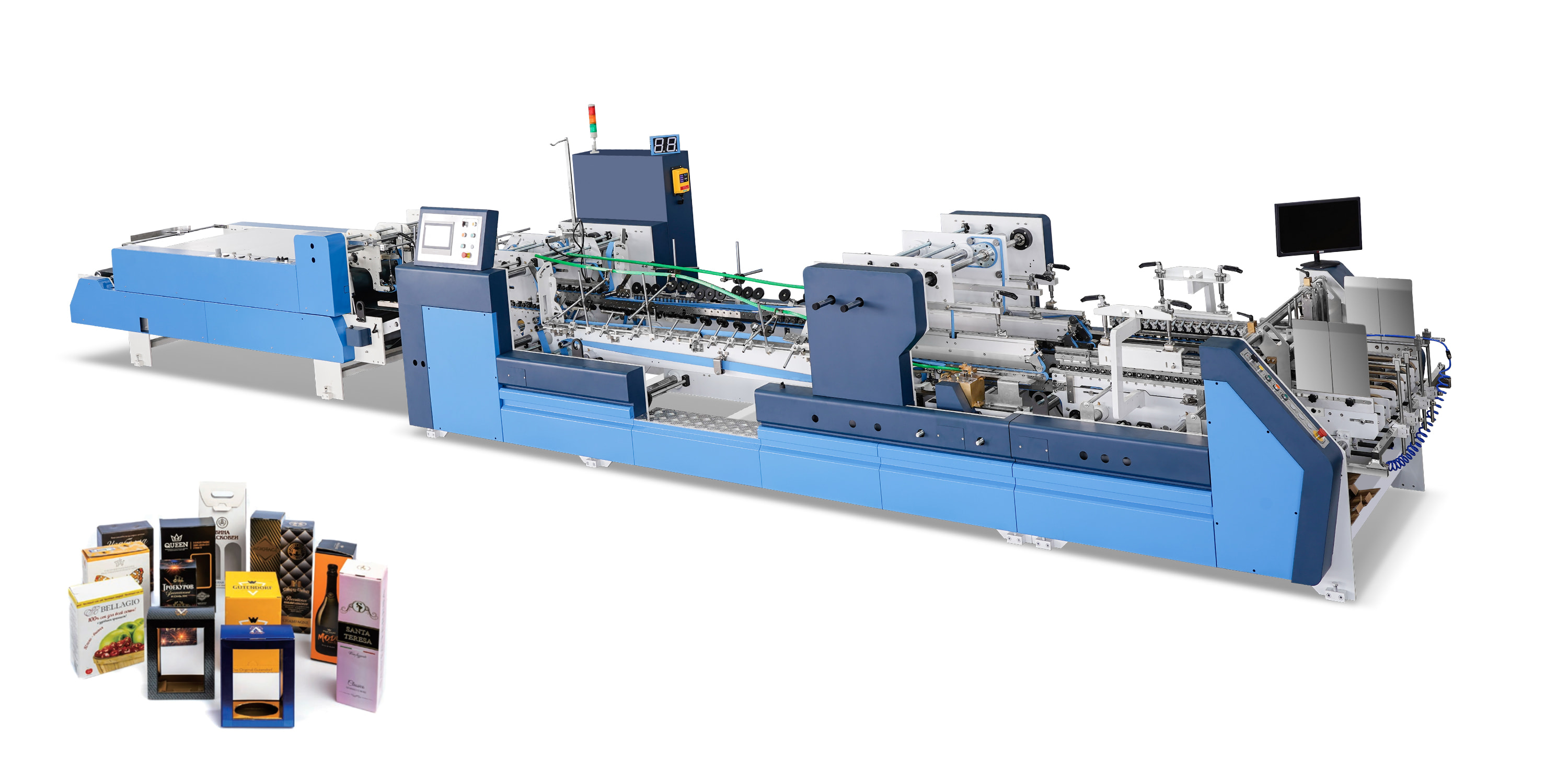
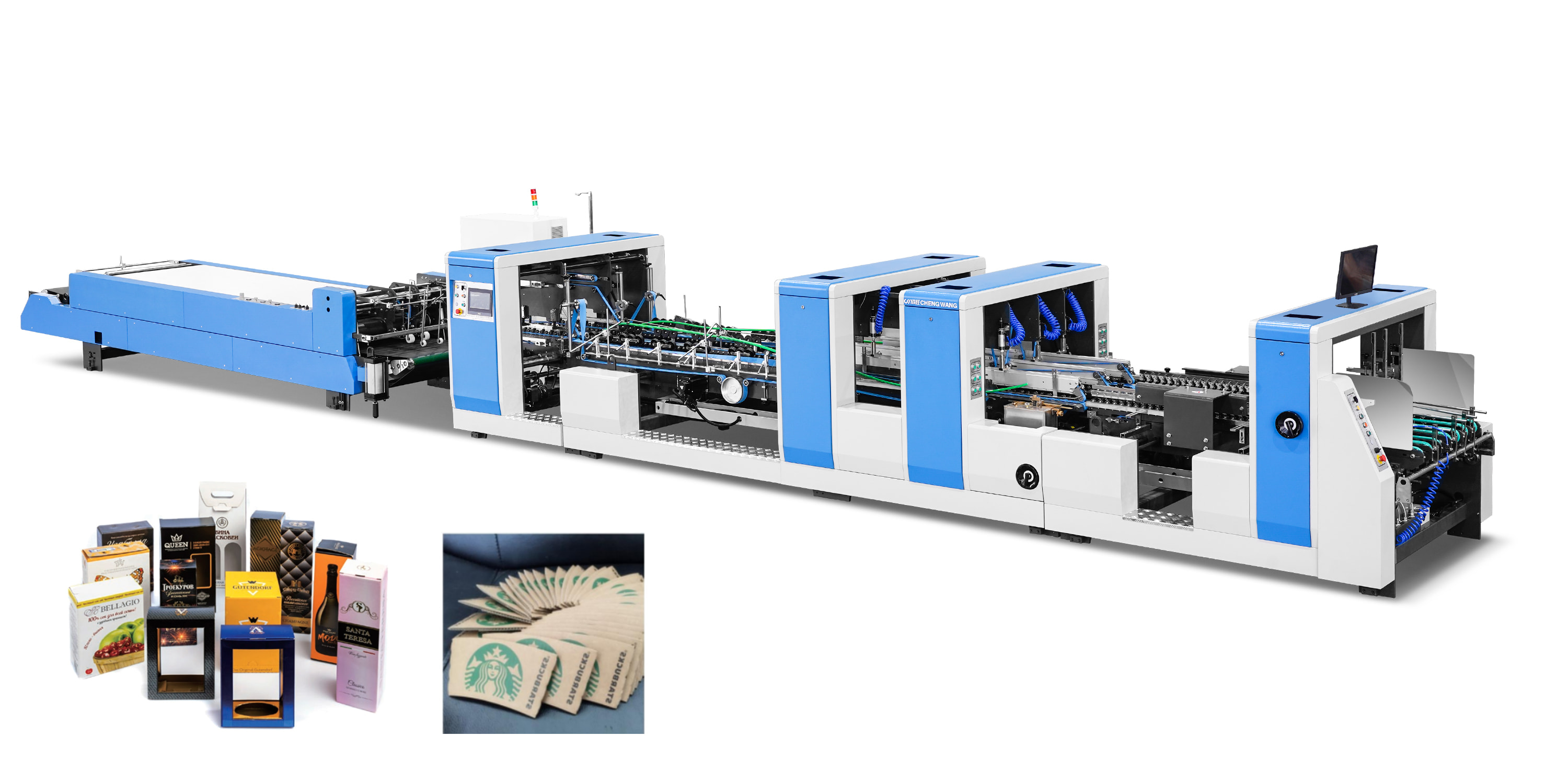
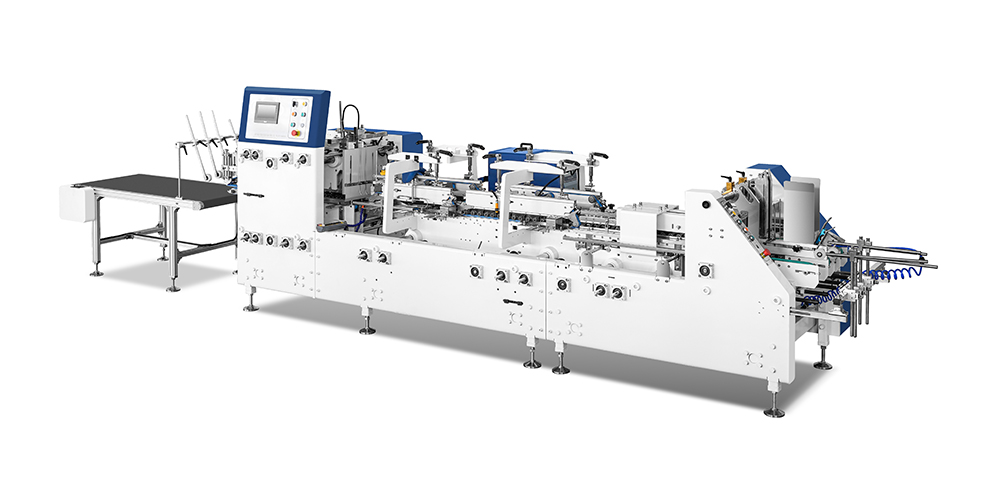
A Box Folder Gluer Machine sits at the heart of a modern packaging line. Its job sounds simple: take a flat, printed sheet of cardboard and turn it into a finished box. But the reality is far from simple. This machine must fold precise lines, apply glue in exact amounts, and press everything together perfectly. It must do this hundreds or thousands of times every hour. Every single box must be identical. This creates a constant challenge for the operator. The challenge is to balance two forces that often fight against each other: precision and speed.
Go faster, and you risk mistakes. Folds become crooked. Glue misses its mark. The machine jams. Slow down, and you lose money. Production falls behind. Orders ship late. The true skill of operating a Box Folder Gluer Machine lives in finding the sweet spot. It is the spot where the machine runs at its maximum reliable pace without sacrificing the quality of a single box. This is not just about pushing buttons. It is an art. It requires deep knowledge of the machine, the material, and the process.
Understanding the Machine's Language
A Box Folder Gluer Machine is not one tool. It is a sequence of stations that work together. The flat cardboard sheet, called a blank, enters the machine. First, it goes through scoring or creasing wheels. These wheels press a groove into the cardboard along the fold lines. This step is critical. If the score is too deep, the cardboard may tear. If it is too shallow, the fold will be weak and messy. The operator must adjust the pressure for each different box style and cardboard thickness.
Next, the blank moves to the folding section. Here, mechanical fingers, belts, or rails tuck the cardboard along the scored lines, creating the basic 3D shape. This is where speed becomes a problem. If the machine folds too fast, the cardboard can bounce or shift. It does not settle into place correctly. The operator must watch this section closely. They listen for the sound of a clean fold—a smooth, crisp snap—not the ragged sound of cardboard catching or tearing.
After folding, the box moves to the gluing unit. A small wheel or nozzle applies a line of glue to the correct flap. Too much glue oozes out and makes a mess. Too little glue and the box pops open later. The glue must be the right type for the material. It must dry at the right speed. The operator checks the glue pot temperature and viscosity regularly. They clean the glue nozzles to prevent clogs. A tiny dried speck of glue can ruin every box after it.
Finally, the folded and glued box goes through a compression section. Heavy belts or pads press the seams together firmly. This gives the glue time to set under pressure. The boxes come out the other end, finished. They are counted and stacked.
Every one of these stations has adjustments. Every adjustment affects the others. Changing the fold speed might mean you need to adjust the glue timing. Changing the cardboard stock means you need to reset the scoring pressure. The operator is like a conductor, making sure every section of the orchestra plays in harmony.
The Daily Battle: Material vs. Machine
The biggest variable is not the machine. It is the material it processes. Cardboard is not a perfect, uniform substance. It comes in different weights and thicknesses. It has a grain direction. Some cardboard is coated with a shiny laminate. Some has a slippery UV coating. All these factors change how it behaves in the Box Folder Gluer Machine.
A good operator learns to read the cardboard. They feel a sheet before feeding it. They notice if it is stiff or flexible. They know that humid weather can make cardboard softer. Dry weather can make it brittle. They adjust the machine settings to match the material in front of them. This is a tactile skill. It comes from experience, not a manual.
Then there are the box designs themselves. A simple straight-line box is one thing. A complex box with multiple folds and internal dividers is another. Each new design, called a setup, requires the operator to change the machine. They move guide rails. They change folding plates. They set new glue patterns. This process, called changeover, is where a lot of time is lost. A fast operator with deep knowledge can change the machine from making one box to making another in minutes. A slower operator might take an hour. This skill directly impacts how many different jobs the factory can run in a day.
The Human Factor: Attention and Adaptation
A Box Folder Gluer Machine can be automated, but it is not autonomous. It needs a human eye. The operator must watch for trends. If three boxes in a row have a slightly crooked fold, it is a signal. Something is drifting out of adjustment. The operator must catch this early and make a small correction. If they wait, they might have fifty bad boxes before the problem becomes obvious.
They also must solve problems on the fly. A common issue is a jam. A piece of cardboard gets caught in the folding section. The machine has sensors that will stop it. Now the operator must clear the jam carefully. They must find the torn piece. They must check for damage to the machine's parts. They must restart the machine without causing another jam. All this happens while the production clock is ticking.
The noise is constant. The pace is fast. The pressure to keep running is always there. A skilled operator develops a rhythm. They move with purpose. They check key points in a routine cycle. They listen to the machine's sounds. A change in pitch or rhythm can mean trouble. Their attention is their most important tool.
Finding the Balance Point
So how does an operator find the perfect balance between speed and precision? It starts with knowing the machine's limits. Every Box Folder Gluer Machine has a maximum speed rating. But the smart operator knows the practical maximum speed for the job they are running. This practical speed depends on the box design and the cardboard.
They begin a new job at a moderate speed. They watch the first hundred boxes come through. Are they perfect? If yes, they might increase the speed a little. They watch again. They look for the slightest hint of a problem—a tiny wrinkle, a minor glue splash. When they see that hint, they know they are at the edge. They slow down just enough to make the problem disappear. This is the balance point. It is different for every job.
They also balance quality with waste. When they start a new job, the first several boxes are often wasted. The machine needs to "warm up" and find its setting. A good operator minimizes this waste. They make precise adjustments quickly. They get the machine into perfect alignment with fewer test boxes. This saves material and time.
The Tools for Mastery
Modern machines help with this balance. Digital controls let operators save settings for each box design. They can recall a "recipe" with the touch of a screen. Servo motors can make fine adjustments automatically. Sensors can detect and eject a bad box. But the technology does not replace the operator. It gives them better tools. The operator still must interpret the data. They must decide when to use the automated settings and when to override them with manual skill.
Training is everything. A new operator learns from a senior one. They learn the tricks. They learn that a certain type of box always needs extra glue on the third flap. They learn that when the air is humid, they should reduce the glue amount by five percent. This knowledge is passed down. It becomes the factory's own operating manual, written in experience.
The Cost of Imbalance
Getting the balance wrong is expensive. Running too fast causes bad boxes. These boxes might fail when a customer tries to use them. This leads to returns, complaints, and lost business. It also wastes cardboard and glue. Running too slow wastes time and labor. It makes the factory less competitive. The operator's goal is to avoid both extremes. They must keep the machine in that productive, precise middle zone for as many hours a day as possible.
This constant balancing act defines the job. There is no finish line. Every new roll of cardboard, every change in the weather, every different box design resets the challenge. The operator must adapt every time.
The pursuit of this perfect balance is what drives innovation in the industry. Machine builders are always looking for ways to give operators more control, more data, and more reliability. They aim to build machines that are both incredibly fast and exceptionally accurate. A company that understands this deep need is Cenwan. The engineers at Cenwan design their Box Folder Gluer Machines with this operator's struggle in mind. Their machines provide the robust framework for speed, but also the fine-tuning controls and intuitive interface that allow a skilled operator to achieve true precision. For packaging managers who need their lines to perform at the highest level every day, looking at the solutions from Cenwan offers a clear path. Their equipment is built for the real world, where the art of operation meets the science of engineering.
Recommended Products
Focus on providing high-quality folder-gluing equipment to customers around the world.



No.3888, Jiangnan Avenue, Nanbin Street, Ruian City, Wenzhou City, Zhejiang Province, China







Privacy Policy Copyright © Zhejiang Chengwang Intelligent Packaging Equipment Co., Ltd.
High Speed Folder Gluer Factory