English
 русский
 Français
 Español
 Deutsch
Flexible Packaging Lines: Adapting High Speed Folder Gluer Machines for Short Runs and Custom Orders
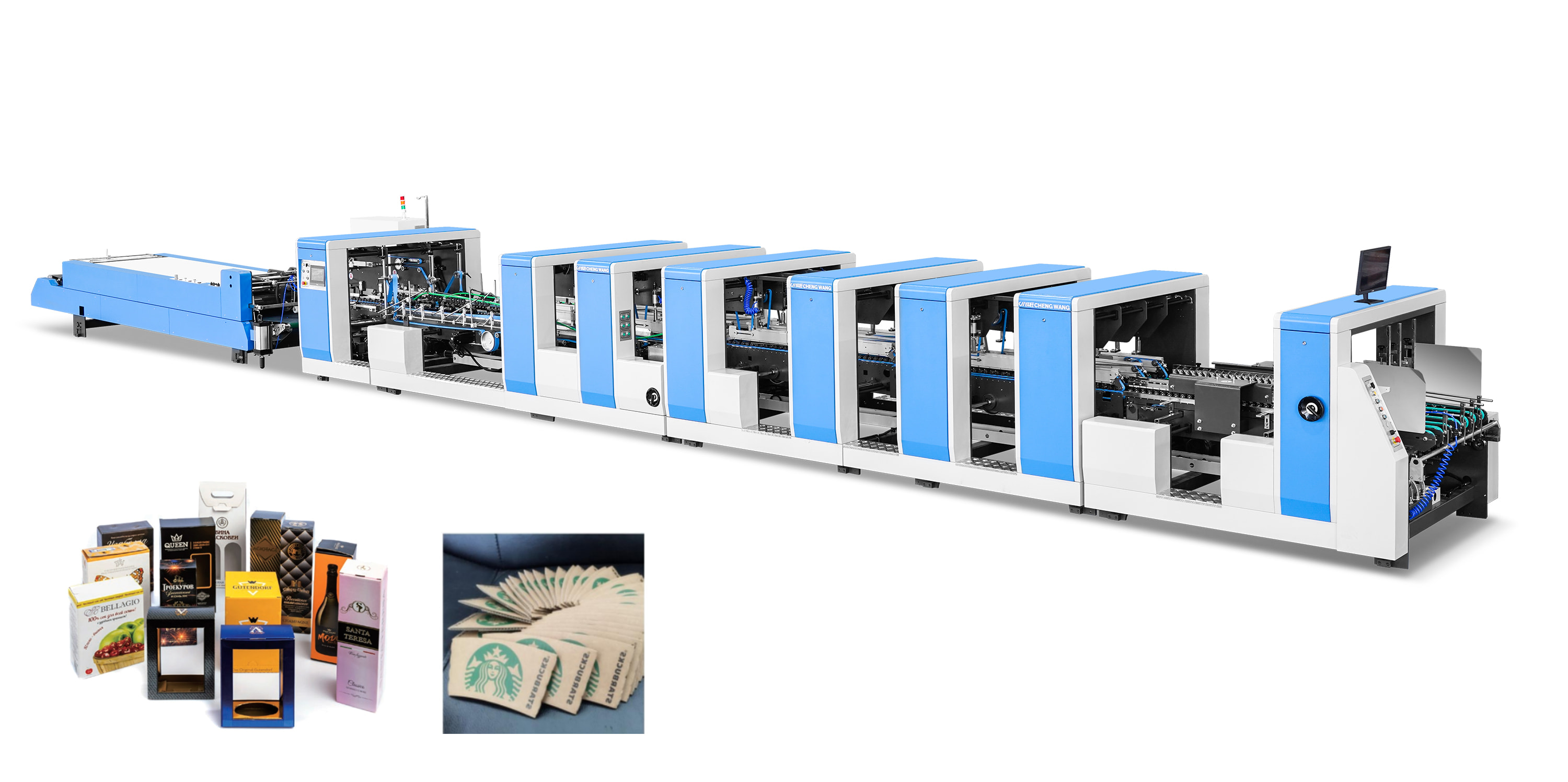
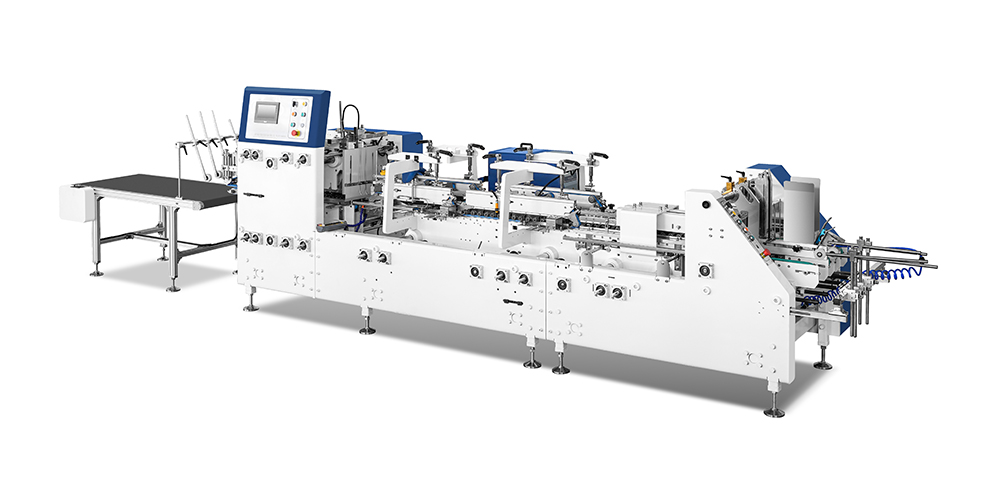
The packaging world is changing fast. Before, factories made millions of the same box. Long production runs were normal. This was good for machines built for speed and consistency. Today, online shopping and personalized products create new demands. Brands need many different box styles. They need smaller quantities of each style. They need changes quickly. This is called flexible packaging. It creates a big problem for traditional packaging lines. The High Speed Folder Gluer is a central machine in making cartons. It was designed for long runs at top speed. Now, it must also handle short runs and custom orders. This shift requires new thinking in machine design and operation.
The Problem: Speed vs. Flexibility
A standard High Speed Folder Gluer is a powerhouse. It can run at 500 meters per minute or more. It can make over 40,000 boxes in an hour. But, it has a weakness. Changing the machine from one box style to another takes time. Operators must use tools to adjust guides, folding arms, and glue applicators. This process can take 30 minutes, 60 minutes, or even longer. During this time, the machine makes nothing. For a long run of 500,000 boxes, this setup time is a small part of the total job. It is acceptable.
For a short run of 5,000 boxes, it is a disaster. The setup time might be longer than the production time. This makes small orders very costly and slow. Factories lose money on them. They also cannot respond quickly to customer requests. The need for flexibility fights directly with the design for pure speed.
The Goal: Reduce Changeover Time
The key to flexible packaging is not just raw speed. It is the combination of speed and fast changeover. The goal is to minimize the time the machine is stopped and being set up. This time is called "make-ready" time. If you can cut make-ready time from 60 minutes to 5 minutes, then short runs become practical. The overall efficiency of the machine goes up, even if it runs at a slightly lower top speed for some jobs.
Modern High Speed Folder Gluer machines solve this with new technology. The focus is on making every adjustment faster, simpler, and more accurate.
Solution 1: Digital Setup and Memory
Old machines need manual adjustment. New machines use computers and motors to do this work. This is the biggest change.
Think about the side guides that position the cardboard sheet. On an old machine, an operator turns a handwheel. They use a ruler to measure. On a new machine, the operator types the required measurement on a touchscreen. Small servo motors move the guides to the exact position. This is faster and has no measurement errors.
This applies to every adjustment. The folding arms, the glue pots, the feed table—all can be moved by motors. The machine’s computer remembers every position. This is called "recipe storage".
Here is how it works for a custom order. The operator makes the first box of a new style. They adjust the machine using the computer controls. They find the perfect settings. Then, they save all these motor positions as a "recipe" and give it a name, like "ProductX_SmallBox". The next time they need to make this box, they just select "ProductX_SmallBox" from the list on the screen. They press a button. All the motors move back to the saved positions automatically. The machine is ready in minutes. This technology turns a High Speed Folder Gluer from a rigid tool into a flexible one.
Solution 2: Quick-Change Modules
Some parts of the machine need more than just adjustment. They might need to be swapped out. For example, different box styles need different folding methods. A straight line box is simple. A complex 4-corner or 6-corner tray needs special folding attachments.
New machines are built with this in mind. They use a modular design. Key attachments are designed for quick changes. They use clamps and levers instead of bolts and tools. An operator can remove one folding module and attach another in a few minutes.
The same idea applies to the glue system. Some boxes need cold glue. Some need hot-melt glue for coated materials. Advanced machines allow you to change or clean the glue unit quickly. Some have dual systems ready to switch over. This modular approach means the machine can handle a wider variety of custom orders without long delays.
Solution 3: Smarter Feeding and Handling
Short runs often use special materials. It could be extra-thick cardboard for a luxury item. It could be thin, glossy paper for a retail box. Each material behaves differently in the machine.
A flexible High Speed Folder Gluer must handle them all. The feeding system is critical. It must pick up one sheet at a time, cleanly. Modern feeders use a mix of vacuum suckers, brushes, and belts. They can be adjusted easily for different paper weights and surface textures. This ensures the machine starts quickly with a new material and has few jams.
During folding, delicate or pre-printed materials need care. Advanced machines offer "soft-fold" options. Instead of a hard metal arm hitting the paper, belts or vacuum-assisted systems make the fold more gently. This protects the print and prevents cracking on coated stocks. This capability is essential for high-value custom orders where every box must be perfect.
Solution 4: Integrated Quality Control
In short runs, you cannot afford waste. The first 20 boxes after a changeover are often waste until the settings are right. Modern machines help reduce this.
Some have camera systems. A small camera looks at the first few boxes. It checks if the folds are straight and the glue is in the right place. It gives feedback to the operator on the screen. This helps them correct problems faster. It reduces the number of bad boxes at the start of a job.
Other machines connect directly to the front-end printer or design software. They can import the box dimensions electronically. This helps set up the machine faster and more accurately from the beginning. This link between digital design and physical production is a key part of handling custom work efficiently.
The Economic Benefit
Why do factories invest in these flexible machines? The reason is clear in the numbers.
Let us compare two scenarios.
Scenario A: Traditional Machine.
- Changeover time: 45 minutes.
- Run speed for a short job: 30,000 boxes per hour (slower due to cautious settings).
- Order quantity: 3,000 boxes.
- Production time: 6 minutes.
- Total job time: 45 min (setup) + 6 min (run) = 51 minutes.
- In 51 minutes, you make 3,000 boxes.
Scenario B: Flexible High Speed Folder Gluer.
- Changeover time: 5 minutes (using digital recipes).
- Run speed: 35,000 boxes per hour.
- Order quantity: 3,000 boxes.
- Production time: Just over 5 minutes.
- Total job time: 5 min (setup) + ~5 min (run) = ~10 minutes.
- In 51 minutes, you could complete five similar short jobs, making 15,000 boxes.
The difference is huge. The flexible machine uses time better. It allows the factory to accept many small, profitable orders. It turns the packaging line into a just-in-time service for clients.
Real-World Application
Think about an e-commerce company. They sell hundreds of different products. Each product needs a correctly sized box. They do not keep huge stocks of every box. They order small batches as needed. A packaging supplier with a flexible High Speed Folder Gluer can serve this client well. They can switch from making a small perfume box to a large shoe box quickly. They can run 2,000 of one style in the morning and 1,500 of another in the afternoon. Their machine is almost always producing, not being set up.
The same is true for seasonal promotions, limited editions, or regional product variations. The ability to adapt quickly is a competitive advantage.
The Future is Adaptive
The trend is clear. Packaging demand will become more fragmented, not less. The winning packaging companies will be those whose machines can adapt. The next step is even greater automation. We might see machines that can self-adjust using camera feedback. The operator loads a new pile of cardboard, selects the job, and the machine configures itself completely.
The core challenge remains the same: balancing the incredible productivity of a High Speed Folder Gluer with the agility needed for modern commerce. This requires continuous innovation in mechanical design, digital control, and process understanding.
This focus on practical, efficient solutions for real factory challenges drives the industry forward. Companies that prioritize this balance are leading the way. One such company is Cenwan. Cenwan has focused on engineering High Speed Folder Gluer machines that do not force a choice between speed and flexibility. Their designs incorporate the principles of fast digital setup and robust construction. This allows packaging businesses to tackle the growing market for short runs and custom orders without sacrificing their core productivity. For any operation looking to thrive in today’s diverse packaging landscape, exploring the capabilities offered by a company like Cenwan is a logical and necessary step.
Recommended Products
Focus on providing high-quality folder-gluing equipment to customers around the world.



No.3888, Jiangnan Avenue, Nanbin Street, Ruian City, Wenzhou City, Zhejiang Province, China







Privacy Policy Copyright © Zhejiang Chengwang Intelligent Packaging Equipment Co., Ltd.
High Speed Folder Gluer Factory