English
 русский
 Français
 Español
 Deutsch
Box Folder Gluer Machine: Redefining Efficiency in Modern Packaging
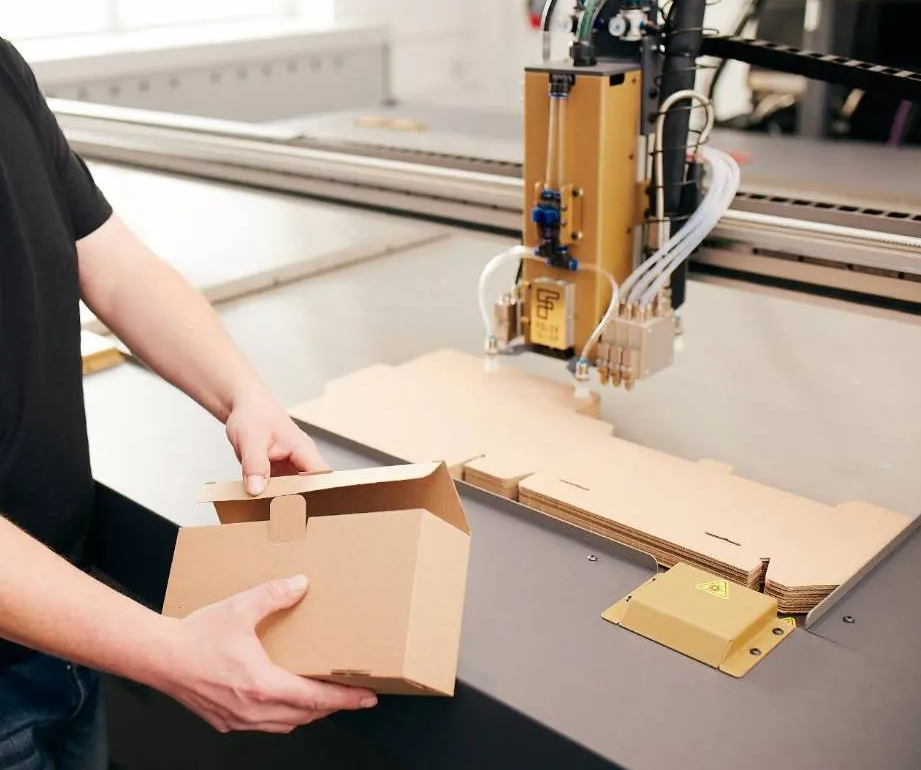
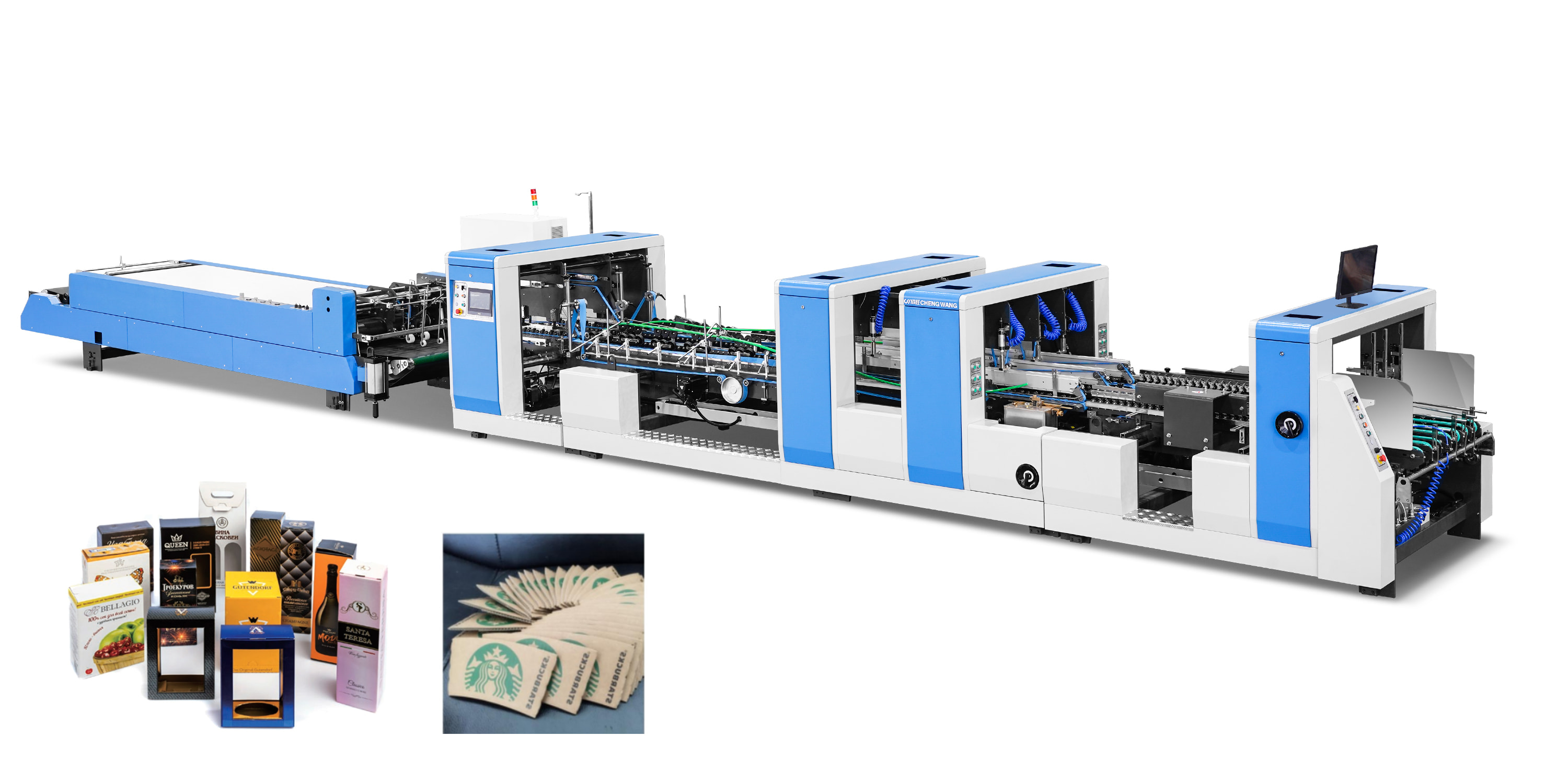
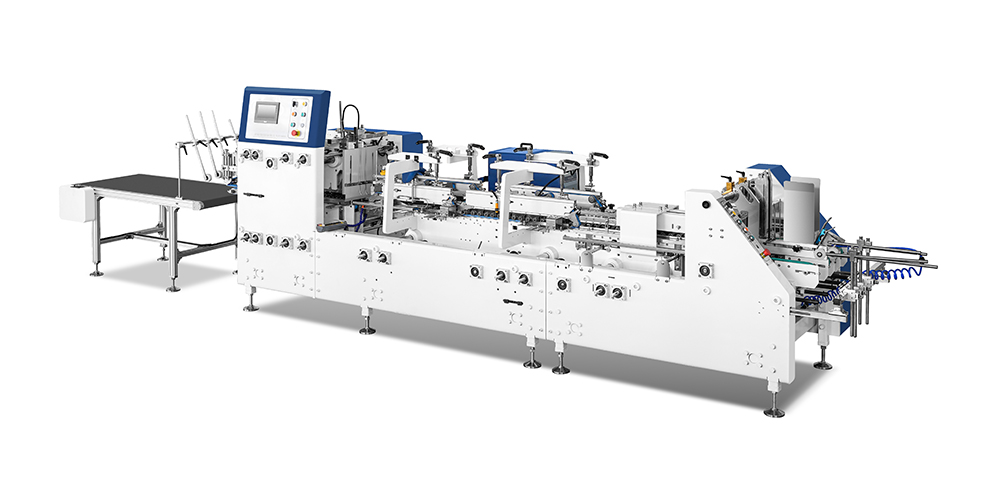
A Box Folder Gluer Machine plays a central role in the evolution of packaging automation. This advanced system folds, aligns, and bonds flat sheets into structured cartons ready for use across industries including food, beverages, cosmetics, healthcare, and electronics. It replaces manual assembly processes with a streamlined, precise workflow that saves time, enhances accuracy, and supports consistent product quality. The equipment embodies the fusion of mechanical craftsmanship and automation, providing manufacturers with the flexibility to handle multiple box types while maintaining stable production output.
Understanding the Role of Folding and Gluing Systems
In packaging operations, the transition from flat paperboard to functional containers requires a series of delicate mechanical movements. Folding, creasing, and bonding are essential to creating reliable shapes capable of withstanding transportation and handling pressures. A folding-gluing unit coordinates these motions with synchronized belts, rollers, and adhesive applications. The result is an output line that transforms raw sheets into packaging ready for filling and sealing.
The precision of this process determines how well cartons align, how edges adhere, and how overall dimensions remain uniform. Unlike manual folding or hand gluing, which depend heavily on human dexterity, a machine-based system ensures every cycle maintains exact parameters. This consistency directly affects downstream packaging quality, reducing rework and waste.
Key Functions and Workflow
The machine begins by feeding flat sheets from a stack into its main conveyor. Adjustable guides and folding rails direct the material through pre-determined paths. Depending on the box type—straight-line, crash-lock, or four-corner—the setup modifies accordingly. Glue is applied through precision nozzles or wheel systems that distribute adhesive in controlled patterns. The folded flaps are then pressed firmly to create tight seals, and finally, the boxes exit in finished form, stacked and ready for packing lines.
Every stage of this cycle emphasizes balance between speed and control. Sensors monitor alignment, while automatic feeders maintain continuous throughput. The technology adapts to varied materials including coated boards and lightweight corrugated fiberboards. This flexibility supports brands that require diverse packaging formats for different products.
Advantages of Automated Folding and Gluing
Investing in such equipment delivers clear benefits across production environments. Automation minimizes manual labor requirements, ensuring operators focus on supervision rather than repetitive handling. The steady motion reduces the risk of inconsistent gluing or inaccurate folds. Adhesive waste is minimized, energy consumption remains optimized, and maintenance intervals are predictable.
More importantly, the automation enables scalable production. As packaging demands shift with market cycles, adjustments to feeding speed or folding mechanisms can accommodate new product lines quickly. This adaptability helps businesses maintain supply continuity without compromising on quality standards.
Design Flexibility for Varied Packaging Needs
One of the defining features of a folding-gluing system is its ability to manage a broad spectrum of carton designs. From simple straight-line cartons for retail goods to multi-point configurations for specialty products, the machinery offers tooling options to match. Operators can change guides, plates, and belts to suit unique shapes.
This flexibility is especially valuable for packaging designers who continuously innovate. Experimenting with unconventional layouts or eco-friendly materials becomes feasible when equipment can adapt without extensive downtime. For instance, lightweight substrates or recycled fiberboards can be processed effectively with fine-tuned adhesive control, ensuring secure sealing without over-saturation.
Precision Engineering and Performance Stability
At the core of the machine lies its mechanical architecture. High-torque shafts, precision bearings, and synchronized drives contribute to consistent folding motion. Each component interacts seamlessly to maintain registration accuracy. The structural design minimizes vibration, ensuring that even delicate carton types maintain perfect symmetry.
The integration of digital monitoring and servo-driven adjustment systems further enhances stability. Real-time data feedback allows operators to tweak parameters instantly, guaranteeing repeatable outcomes throughout extended runs. The attention to detail in design and component selection reflects a commitment to both reliability and longevity.
Enhancing Production Efficiency and Workflow Continuity
An uninterrupted workflow defines modern packaging success. The folding-gluing system supports continuous feed and discharge cycles with minimal operator intervention. Intelligent feeders detect material position and automatically adjust alignment when inconsistencies appear. Downstream stackers organize finished units neatly for quick transport to filling stations.
Such seamless coordination between feeding, folding, gluing, and delivery reduces idle time and ensures the packaging department operates at steady capacity. By maintaining consistent rhythm, production planners can forecast timelines more accurately and meet delivery schedules with confidence.
Supporting Sustainable Manufacturing Goals
Sustainability has become an essential focus across packaging industries. Folding-gluing machines contribute by optimizing adhesive use, lowering waste, and allowing the processing of recyclable materials. Automated glue application systems prevent excess, while precise control over sheet handling minimizes rejects.
Moreover, the ability to process thinner yet durable paperboards enables resource savings without compromising strength. The equipment’s adaptability supports eco-conscious packaging solutions that align with modern brand objectives. Manufacturers seeking to reduce carbon footprints can rely on automation as part of their broader environmental strategy.
Operator Experience and Usability
While complex in function, modern systems prioritize user-friendliness. Touchscreen interfaces display parameter settings, operational status, and diagnostic alerts in real time. Intuitive controls simplify changeovers between different box formats. Operators can store and recall configurations to accelerate setup for recurring orders.
Ergonomic design ensures that components requiring manual access—such as adhesive tanks, folding belts, or sensor arrays—are easily reachable. This thoughtful approach not only increases safety but also reduces fatigue, promoting a better working environment.
Quality Assurance through Intelligent Control
Every finished carton must meet dimensional and adhesive strength criteria. The equipment incorporates multiple checkpoints to verify accuracy. Optical sensors confirm fold alignment, while adhesive monitoring systems check coverage consistency. Fault detection mechanisms automatically separate defective units from the main flow.
This built-in inspection capability reduces post-production checks and reinforces brand reliability. Consistent carton integrity reflects directly on consumer perception, emphasizing attention to detail and care in packaging presentation.
Integration with Modern Production Systems
In contemporary manufacturing ecosystems, communication between machines is vital. Folding-gluing systems can be integrated into centralized production lines, interacting with printing, cutting, and packing units. Through standardized control protocols, information regarding production speed, material consumption, and maintenance schedules can be shared across departments.
This connectivity enables efficient coordination between processes, ensuring materials move smoothly from one phase to another. Digital monitoring also supports predictive maintenance strategies, identifying potential wear or misalignment before it affects production.
Adaptation to Industry Trends
Packaging trends evolve with consumer expectations. Compact storage, eco-friendly materials, and customized branding influence how cartons are designed and assembled. Automated folding and gluing technologies respond quickly to these shifts. The capacity to modify dimensions, adjust adhesive types, or incorporate complex folds keeps manufacturers competitive in dynamic markets.
As brands pursue personalized packaging, the ability to produce shorter runs efficiently becomes essential. Automation allows for frequent design updates without extended setup times, enabling manufacturers to meet marketing demands rapidly.
Safety and Reliability in Operation
Ensuring operator safety remains a top priority. Protective covers, interlocking guards, and emergency stop circuits prevent accidental contact during motion. Automated adhesive systems reduce exposure to chemicals. Regular inspection routines maintain operational integrity.
The durability of construction materials ensures stable performance over prolonged use. Mechanical components are engineered for smooth operation under continuous load, while the electrical architecture minimizes overheating or overload risks. This robust structure forms the backbone of dependable packaging lines.
Maintenance and Long-Term Value
Routine maintenance preserves productivity and extends service life. Lubrication points, belt tension systems, and adhesive applicators are designed for quick access. Built-in monitoring notifies operators when servicing is due, minimizing unplanned downtime.
Over time, the value derived from reduced labor costs, lower waste, and consistent output far outweighs the initial investment. Companies gain measurable returns through efficiency and reliability, translating to improved customer satisfaction and stronger business performance.
Applications Across Diverse Sectors
The folding-gluing process supports numerous industries where carton packaging defines product presentation. In food packaging, it ensures freshness by creating secure enclosures. For cosmetics, precision folding enhances visual appeal and brand consistency. In electronics, robust carton assembly protects delicate components during transport.
These varied applications underline the versatility of the system. Manufacturers appreciate its ability to maintain uniform results across product categories, meeting different performance expectations while adhering to design aesthetics.
Innovation Driving Packaging Automation
Technological advancement continues to refine every aspect of folding and gluing systems. The focus on smarter sensors, faster setup, and cleaner adhesive management contributes to a future where packaging is both efficient and environmentally responsible. The growing use of modular components allows easy upgrades as production demands evolve.
Automation developers explore ways to enhance connectivity, integrate vision systems, and employ data-driven optimization. Each new iteration improves operational control, positioning the technology as a cornerstone of sustainable and flexible packaging manufacturing.
Economic Impact and Productivity Gains
Beyond technical features, the machine influences overall factory economics. Increased throughput lowers per-unit production cost. Predictable quality minimizes returns and strengthens supplier credibility. By aligning mechanical precision with automation intelligence, businesses can fulfill larger orders without proportional increases in labor.
The result is a scalable system that supports both small-scale custom packaging and high-volume manufacturing. As consumer markets diversify, this adaptability becomes essential for maintaining competitiveness.
Building a Foundation for Long-Term Growth
Adopting a folding-gluing solution signifies commitment to professional packaging standards. It represents a strategic investment toward efficiency, accuracy, and brand reliability. Whether applied in regional operations or global supply chains, the impact remains transformative.
A well-designed folding-gluing setup fosters collaboration between designers, engineers, and production teams. Through shared understanding of mechanical capabilities, creative packaging concepts can be realized without compromise. This synergy promotes continuous improvement and innovation within the packaging domain.
Supporting Brand Identity through Packaging Precision
Every packaged product communicates value through its presentation. Neat folds, consistent edges, and secure seals reflect craftsmanship and attention to detail. The folding-gluing system acts as the silent craftsman behind that presentation, turning creative vision into tangible form.
By ensuring every unit matches exact design specifications, it reinforces brand identity across all markets. Whether on retail shelves or in online deliveries, customers perceive quality through packaging accuracy. Thus, investing in reliable folding and gluing technology directly contributes to consumer trust.
As industries continue to automate, the folding-gluing process will remain essential. Future developments may focus on enhanced AI-based monitoring, adaptive glue systems, and energy-efficient drives. The direction points toward smarter, more sustainable production lines capable of handling growing customization needs.
This progression reflects a broader movement within manufacturing—combining precision mechanics with intelligent control for optimal results. Packaging, once a manual art, now stands at the intersection of creativity and automation science.
Final Reflection
The Box Folder Gluer Machine represents more than just a piece of industrial equipment; it embodies the evolution of packaging craftsmanship into a domain of precision, adaptability, and efficiency. Its influence reaches every product that requires safe, presentable, and reliable containment. From material optimization to sustainability alignment, it contributes to both operational success and environmental responsibility.
Cenwan continues to support global partners with machinery that integrates innovation, usability, and durability. By choosing technology that prioritizes precision and flexibility, packaging manufacturers can secure consistent performance and lasting value across their production lines.
Recommended Products
Focus on providing high-quality folder-gluing equipment to customers around the world.



No.3888, Jiangnan Avenue, Nanbin Street, Ruian City, Wenzhou City, Zhejiang Province, China







Privacy Policy Copyright © Zhejiang Chengwang Intelligent Packaging Equipment Co., Ltd.
High Speed Folder Gluer Factory