English
 русский
 Français
 Español
 Deutsch
How Corrugated Box Machines Work: Design and Operating Principles Explained

Key Takeaways About How Corrugated Box Machines Work
● Corrugated box machines turn kraft paper into sturdy boxes through a precise series of automated steps.
● The process starts with paper feeding, where large rolls of kraft paper are loaded into the system.
● The single facer unit heats and presses the inner paper layer to create flutes, the signature wavy pattern that adds strength.
● A glue system applies adhesive to the flute tips before bonding them with outer liner sheets.
● The bonded sheets pass through drying and pressing sections to form solid corrugated boards.
● In the cutting and creasing unit, the boards are shaped into the right sizes and folding lines are created.
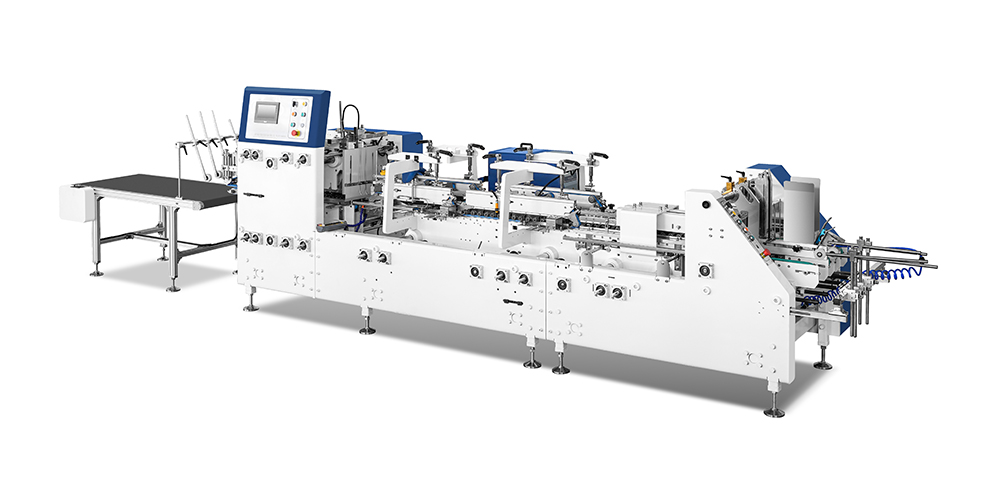
● The automatic folder gluer for corrugated box folds and glues the blanks to form complete boxes.
● The corrugated folder gluer machine ensures accurate alignment, firm bonding, and high-speed production.
● Automation plays a major role, sensors, PLC systems, and servo motors maintain precision, reduce human error, and boost speed.
● Finally, finished boxes are stacked, counted, and ready for shipping, maintaining consistency in every batch.
Corrugated boxes are everywhere, from the packages we receive at our doorstep to the cartons that protect goods during shipping. Behind their sturdy build and clean edges lies the efficiency of modern machinery.
In today’s packaging industry, the corrugated box folder gluer machine and automatic box gluing machine have become essential. These advanced systems combine precision, automation, and smart design to create durable packaging at high speed.
In this blog, we’ll walk you through how corrugated box machines work, what their main components are, and how automation continues to transform the packaging process.
What Is a Corrugated Box Machine?
A corrugated box machine is designed to turn simple kraft paper into strong, structured packaging material. It does this by corrugating, gluing, folding, and shaping layers of paper into boxes.
These machines are used in factories that produce shipping cartons, retail boxes, and other packaging types. Depending on production needs, you might find compact machines for small runs or full-scale automatic lines that produce thousands of boxes per hour.
A corrugated cardboard machine is built for both reliability and precision, ensuring that every box is uniform and ready for packing or printing.
Structure and Components of Corrugated Box Machines
Understanding the structure and components of corrugated box machines helps you appreciate their complexity. Despite their size, each part plays a specific role:
Paper Roll Stand: Holds and feeds the kraft paper rolls smoothly into the system.
Single Facer: Corrugates the inner layer by pressing it between heated rollers to form flutes.
Glue Unit: Applies adhesive to the tips of the flutes.
Liner Bonding & Drying: Joins layers together and dries them into a firm sheet.
Slitter & Cutter: Cuts the board into exact dimensions.
Folding & Gluing Section: Uses an automatic folder gluer for corrugated box assembly, folding the boards and gluing flaps perfectly in sync.
Each part works together to create boxes that are strong, precise, and visually clean.
Corrugated Box Machine Working Principle
The corrugated box machine working principle is based on heat, pressure, and timing. Here’s a simple step-by-step guide to how a box is made:
Feeding: Paper rolls are fed into the machine.
Heating and Corrugating: The middle layer is heated and shaped into waves or flutes.
Gluing: Glue is applied to the flute tips.
Bonding: Liner sheets are pressed onto the glued surface.
Drying: Heat helps the adhesive set quickly.
Cutting and Creasing: Sheets are cut and creased into required box sizes.
Folding and Gluing: The corrugated folder gluer machine takes over, folding panels into shape and sealing them firmly.
Stacking: Finished boxes are automatically stacked and counted.
The entire process is continuous and synchronized, ensuring fast production and minimal waste.
Design and Mechanism: Inside a Modern Folder Gluer
The design and mechanism of corrugated packaging equipment have evolved over time. Today’s folder gluers combine mechanical precision with digital control.
Conveyors, folding belts, and alignment systems work in perfect harmony. Each sheet passes through sensors that monitor speed and position. Servo motors control folding arms and glue heads to ensure every box is consistent.
In our systems, we design every module for stability and accuracy. Adjustable rollers, easy-access glue units, and touchscreen control panels help operators fine-tune settings with ease. This not only improves box quality but also reduces setup time during production changes.
Working Principle of Automatic Corrugated Box Machines
The working principle of automatic corrugated box machines revolves around automation and control. Sensors detect misalignment or feeding errors instantly. PLC-based software adjusts speed and tension automatically.
Automation also manages glue temperature, roller pressure, and moisture levels, factors that directly affect box strength.
For operators, this means less manual intervention and more consistent output. Even during high-speed production, the quality remains stable. This level of control represents how far the automation in the corrugated packaging industry has come.
Process of Folding and Gluing Corrugated Boxes
The process of folding and gluing corrugated boxes is the final and most crucial step. After the corrugated sheets are cut and creased, they move into the folding and gluing section.
Here's how it happens:
Feeding: Flat carton blanks are loaded onto the conveyor.
Folding: Belts and guide plates fold panels into shape with precision.
Gluing: Glue is applied automatically to the flaps.
Pressing: The folded box is pressed to bond the layers securely.
Delivery: Finished boxes exit the machine and are stacked neatly.
An automatic box gluing machine can perform this entire sequence quickly and flawlessly. The result is strong, perfectly aligned boxes that can be shipped flat or filled immediately.
Step-by-Step Guide to Corrugated Box Manufacturing Process
If you’re new to this field, here’s a simplified overview of the step-by-step guide to corrugated box manufacturing process:
Step 1: Prepare the paper rolls.
Step 2: Corrugate the inner layer using heat and rollers.
Step 3: Apply glue and attach outer layers.
Step 4: Cut, slit, and score the board.
Step 5: Fold and glue into box shapes.
Step 6: Inspect, stack, and pack for delivery.
This streamlined process is how most modern plants operate today, fast, efficient, and largely automated.
Automation and Efficiency: The Future of Corrugated Packaging
Automation has changed the packaging world forever. Machines now adjust themselves, detect errors, and even collect performance data.
In the corrugated packaging industry, automation reduces waste, improves consistency, and boosts safety. Systems can run longer hours with minimal downtime.
For manufacturers, that means higher productivity and lower operational costs. For customers, it means more reliable boxes delivered on time, every time.
We design our systems to adapt to these new standards, smart, stable, and built for long-term performance.
Maintenance Tips for Continuous Operation
A well-maintained machine can run for years with minimal issues. Here are some quick tips:
● Clean glue units daily to prevent clogging.
● Check alignment rollers for wear.
● Lubricate moving parts regularly.
● Monitor temperature and moisture controls.
● Replace worn belts on time.
Simple care and regular inspection can extend the life of your machine significantly.
Smarter Machines, Stronger Boxes
The working principle of automatic corrugated box machines combines precision engineering and intelligent automation. Every part, from the paper feed to the final folder gluer, works in sync to create reliable packaging.
With our corrugated folder gluer machine and automatic folder gluer for corrugated box systems, you can expect faster production, fewer errors, and consistent quality.
We continue to innovate and refine our machines to meet the changing needs of the packaging world.
If you’re ready to upgrade your production line with advanced, automated equipment, visit us at Cenwan. Let’s build packaging solutions that work smarter for you.
Frequently Asked Questions
1. What is a corrugated box machine?
A corrugated box machine is a production system that transforms kraft paper into durable corrugated sheets and folds them into boxes. It handles the entire process, from paper feeding and corrugating to cutting, folding, and gluing.
2. How does a corrugated box folder gluer machine work?
A corrugated box folder gluer machine takes pre-cut and creased sheets, folds them into box shapes, applies glue to the flaps, and presses them together. The machine ensures precision and consistency, even at high speeds.
3. What are the main components of a corrugated box machine?
The main parts include the paper roll stand, single facer unit, glue system, drying section, slitting and cutting unit, and the automatic box gluing machine. Together, these ensure smooth production and consistent box quality.
4. What is the working principle of automatic corrugated box machines?
The working principle of automatic corrugated box machines is based on controlled heat, pressure, glue application, and precise timing. Automation and sensors manage these factors to produce strong and perfectly aligned boxes.
5. How is automation changing the corrugated packaging industry?
Automation improves speed, reduces waste, and minimizes human error. Modern systems can automatically adjust glue flow, temperature, and cutting alignment, making production more efficient and cost-effective.
6. What is the process of folding and gluing corrugated boxes?
The process of folding and gluing corrugated boxes involves feeding carton blanks into the corrugated folder gluer machine, where belts and guides fold panels into shape and apply glue. The boxes are then pressed, dried, and stacked.
7. How do I choose the right corrugated folder gluer machine?
Consider your box type, production volume, available space, and automation needs. Features like adjustable belts, servo motors, and quick setup systems make a big difference in performance and flexibility.
8. What maintenance does a corrugated cardboard machine require?
Regular cleaning, lubrication, and calibration are essential. Check glue units, rollers, and folding belts frequently. Routine maintenance helps avoid downtime and keeps your corrugated cardboard machine running smoothly.
9. How long does a typical corrugated box machine last?
With proper care, a good-quality automatic folder gluer for corrugated box can last many years. Regular servicing and timely replacement of wear parts ensure consistent performance and extended lifespan.
10. Where can I learn more or get reliable corrugated packaging equipment?
You can explore our full range of advanced corrugated folder gluer machines and automated packaging solutions at Cenwan. We’re here to help you find the perfect setup for your production line.
Recommended Products
Focus on providing high-quality folder-gluing equipment to customers around the world.
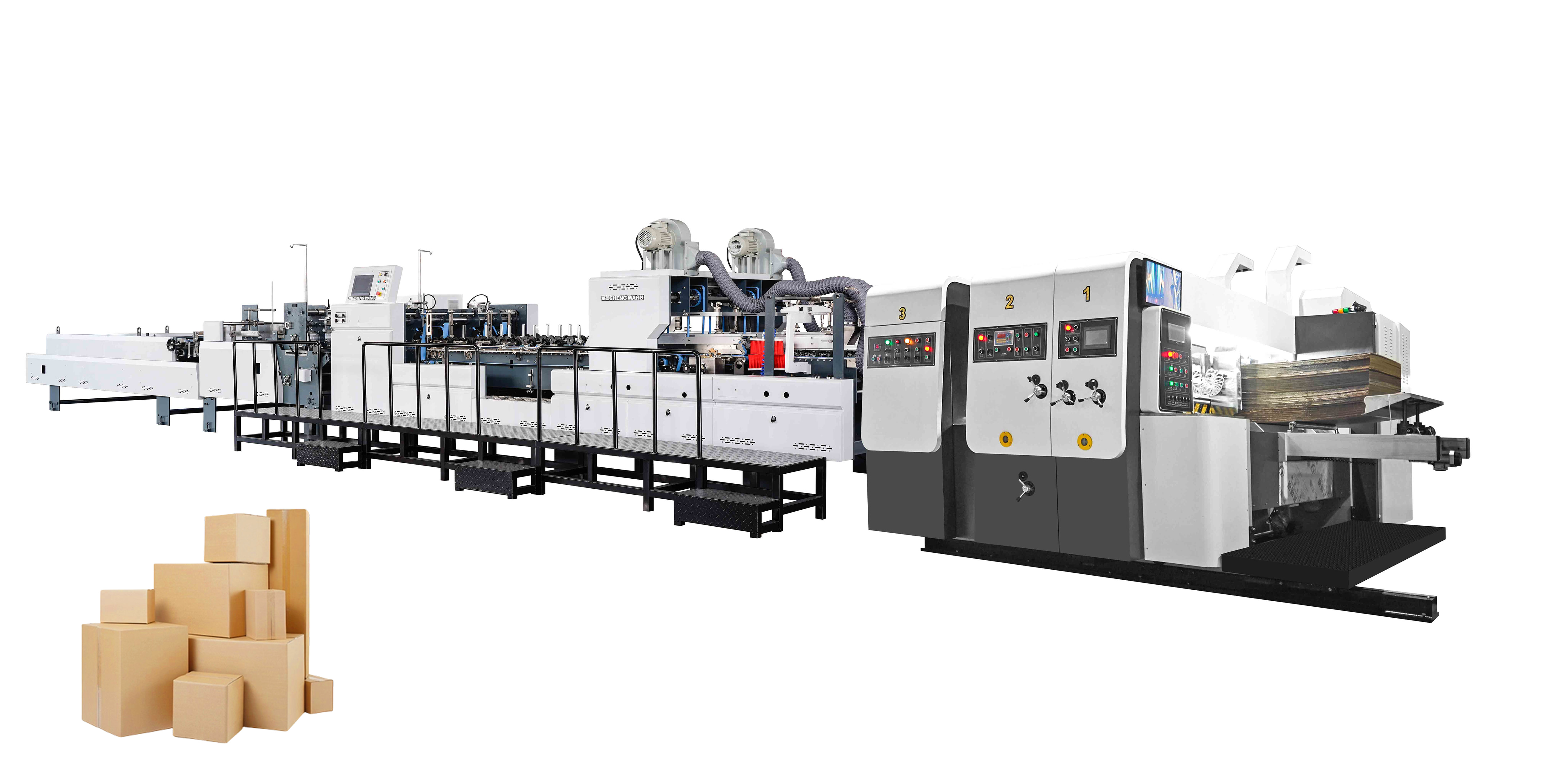

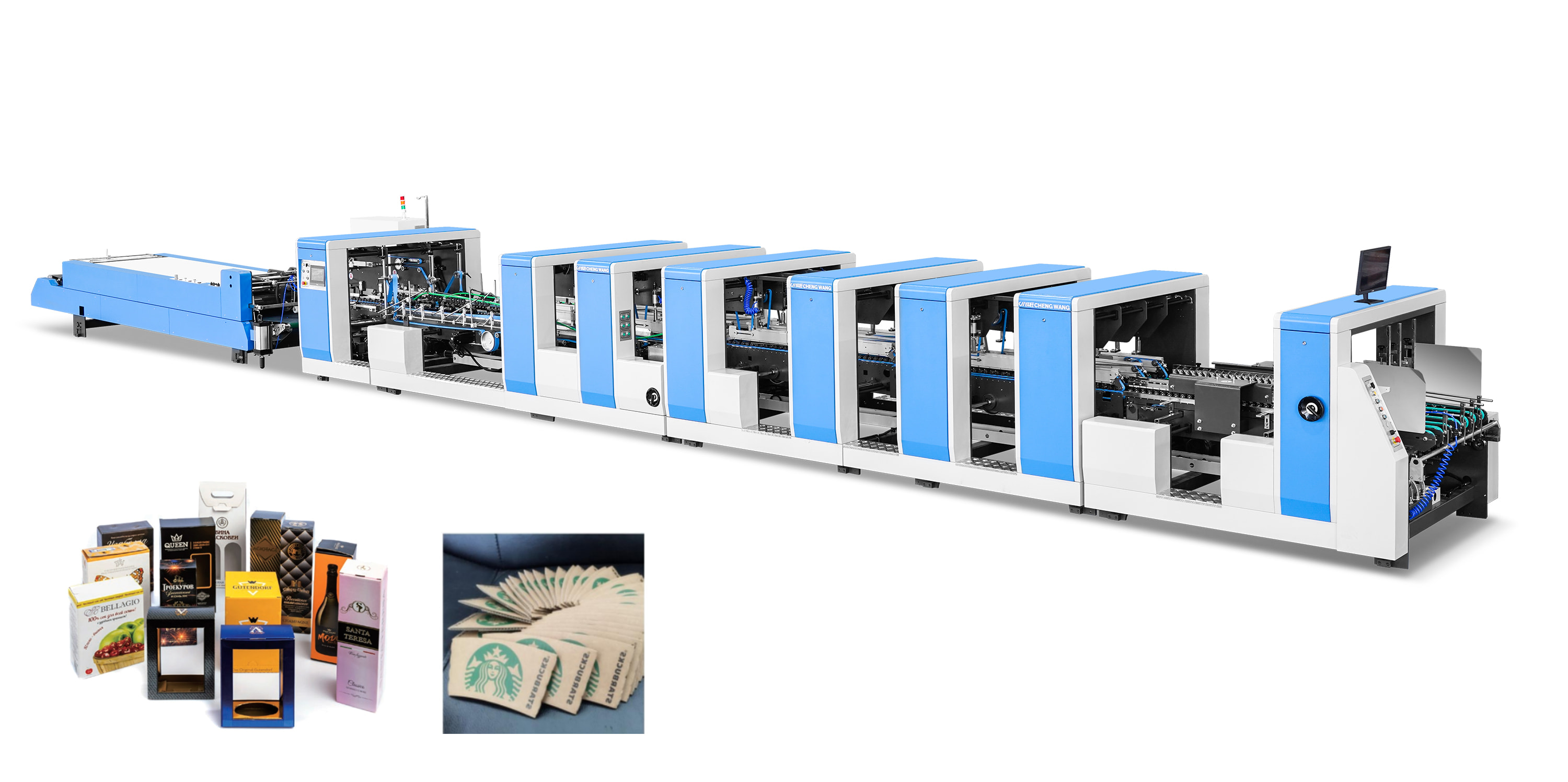
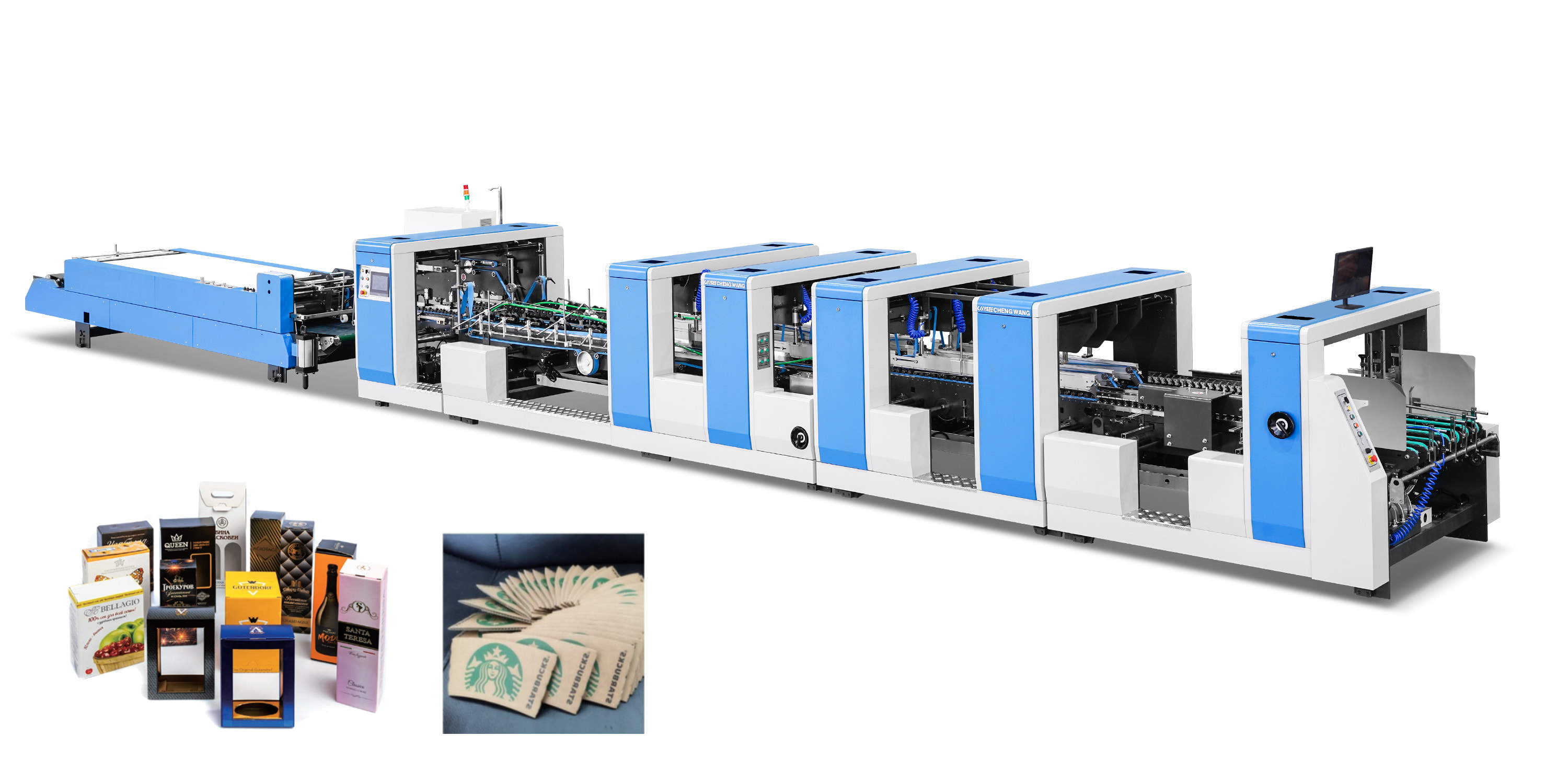
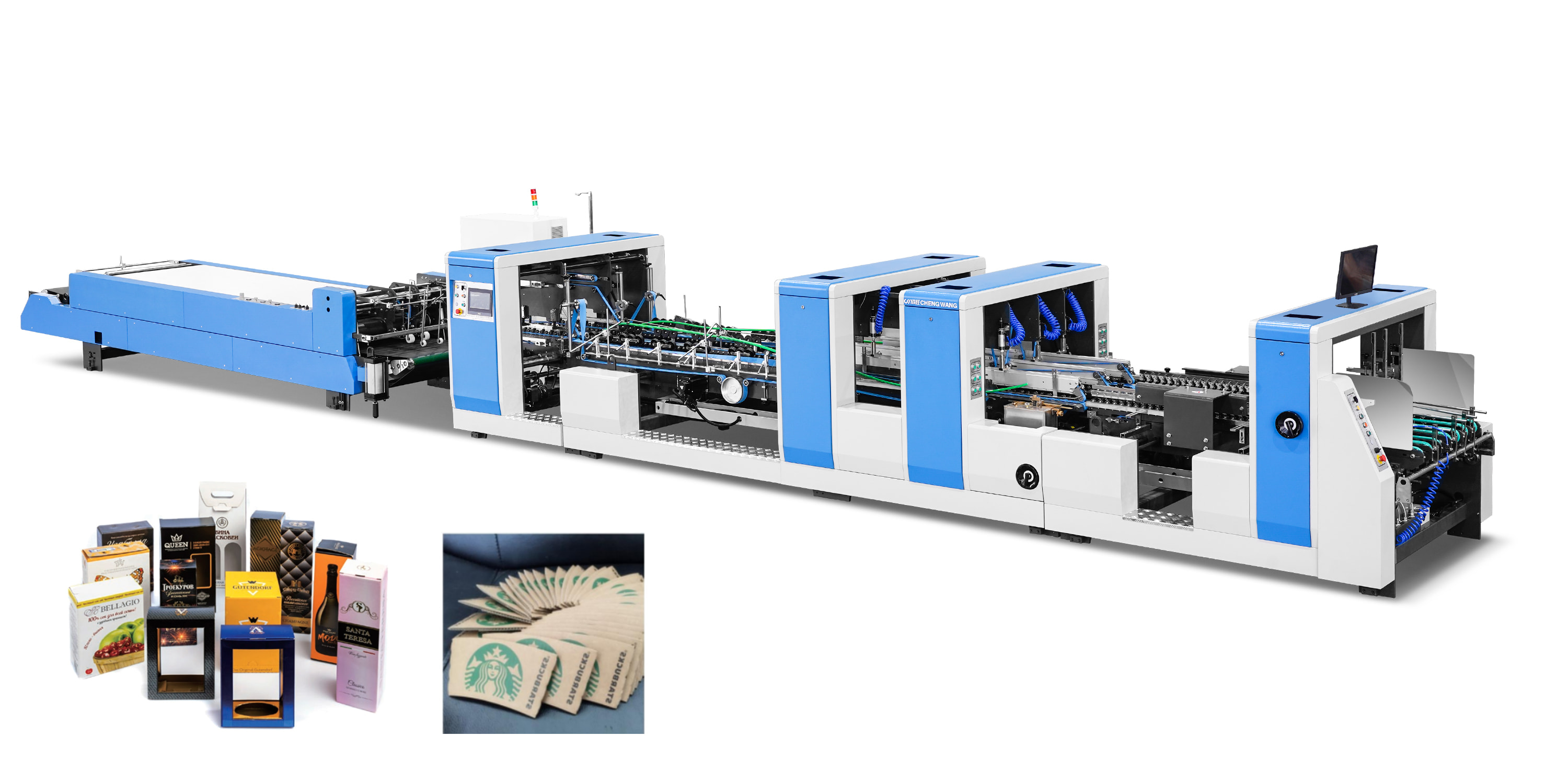


No.3888, Jiangnan Avenue, Nanbin Street, Ruian City, Wenzhou City, Zhejiang Province, China







Privacy Policy Copyright © Zhejiang Chengwang Intelligent Packaging Equipment Co., Ltd.
High Speed Folder Gluer Factory