English
 русский
 Français
 Español
 Deutsch
Can an Auto Folder Gluer Machine Change Jobs and Lives on the Production Floor
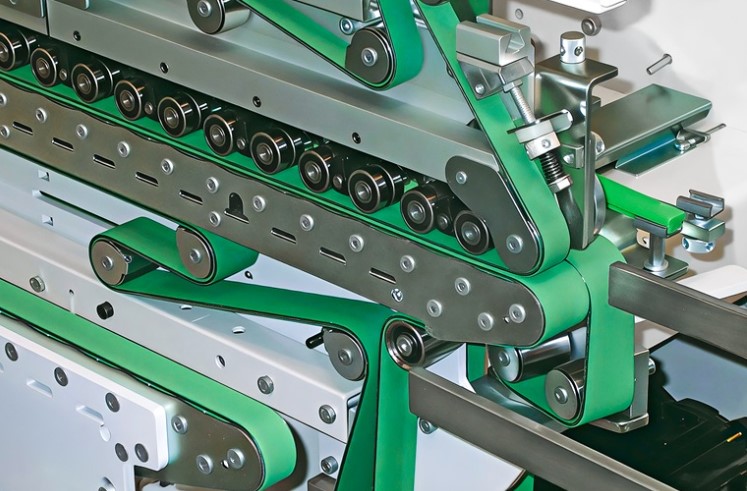
When a new piece of equipment arrives on a plant floor it rarely makes headlines — but its effects ripple through people’s workdays, routines, and local economies. The Auto Folder Gluer Machine is one such catalyst. Beyond faster cycle times, it reshapes roles, shifts skills, and forces teams to rethink safety and quality. This report explores how automation changes the human side of packaging, with real-world logic and practical steps for managers, operators, and communities.
A machine that reassigns work — not simply replaces it
Automation often triggers a simple fear: machines will take jobs. The reality seen in many factories is more nuanced. The Auto Folder Gluer Machine reduces repetitive manual folding and gluing, but it also creates demand for new tasks.
- From folding hands to setup minds. Workers move from manual assembly to machine setup, monitoring, and quality checks.
- New maintenance rhythms. The need for routine cleaning, nozzle checks, and belt changes creates technical roles that did not exist before.
- Supervision and optimization. Staff who understand the machine’s logic can spot subtle quality shifts and tweak settings to keep runs smooth.
For many teams, the transition is an opportunity for skill growth — provided training is part of the plan.
Training is where plans succeed or fail
Bringing an Auto Folder Gluer Machine online without training is like launching a ship without charts. Operators who know why a setting matters, not just how to push buttons, reduce downtime and scrap.
- Hands-on start-ups. Short, supervised runs let operators feel the machine and learn to read early warning signs.
- Quick reference guides. Photo-led job sheets for each SKU help operators restore settings quickly during changeovers.
- Mentored troubleshooting. Pairing experienced technicians with newer staff accelerates learning and builds confidence.
Investment in training pays off quickly: fewer emergency calls, cleaner changeovers, and steadier output.
Safety and ergonomics: the human payoff
Automation often improves safety in direct ways. Replacing repetitive hand folding reduces strain injuries; guarded feed systems keep hands away from moving parts.
- Less repetitive strain. Operators handle fewer heavy, awkward motions.
- Clear maintenance protocols. Lockout procedures and safe-access points reduce incident risk during repairs.
- Better ergonomics across shifts. Consistent machine pacing replaces stop-start manual tasks that cause fatigue.
That said, new machine-related hazards appear — electrical, pinch points, and higher-energy moving parts — and require updated safety training and signage.
Quality control shifts earlier in the line
An automated folder-glue step magnifies upstream issues. A bad blank or misregistered print suddenly produces dozens of defectively folded cartons in minutes.
- Upstream inspection becomes essential. Die-cut quality, blank flatness, and crease accuracy must be verified before the gluer.
- Pre-run verification saves scrap. Short test batches expose settings that need tuning while material loss is small.
- Data & simple sensors help. Counting rejects and logging faults helps teams trace problems to their source.
This upstream focus improves yields and often reduces arguments over responsibility for defects.
What operators say — brief snapshots
A few recurring themes emerge from plant visits and interviews:
- “I used to fold and tape. Now I set the job and watch the first hundred pieces.” — an operator who transitioned to machine tending.
- “Training made the difference. Once I understood glue behavior with different boards, runs got cleaner.” — a maintenance technician.
- “We reduced injuries from repetitive tasks, but we had to teach everyone new lockout steps.” — a safety manager.
These small, human observations reflect the larger operational shifts that automation brings.
Human and Operational Effects of Adding an Auto Folder Gluer Machine
| Area | Positive outcomes | New needs |
|---|---|---|
| Workforce roles | Less repetitive work; upskilling opportunities | Targeted training and change management |
| Safety | Reduced strain injuries | Machine-specific lockout and access rules |
| Quality control | More consistent cartons | Stronger upstream inspection and pre-run tests |
| Maintenance | Predictable servicing cycles | Scheduled consumable replacement and spare parts |
| Flexibility | Faster, repeatable runs | Tooling management and saved job recipes |
Small changes that make adoption smoother
Many plants that report success with automation share a few habits:
- Pilot runs before full launch. Validate setups with a low-risk batch.
- Document everything. Save job settings, glue parameters, and crease depths for quick recall.
- Cross-train staff. Ensure more than one person can set up and perform routine maintenance.
- Keep spares close. Belts, creasing wheels, and nozzles on the shelf shorten downtime.
- Communicate early. Explain role changes to staff and emphasize growth opportunities.
These pragmatic steps reduce friction and keep people engaged during change.
Community and economic considerations
Automation can affect local hiring patterns. When machines reduce labor for repetitive tasks, the nature of available jobs shifts.
- Upward mobility when training exists. Workers who learn technical skills can move into higher-paying roles.
- Risk of displacement without planning. Communities where training is lacking may see job losses concentrated in certain groups.
- Partnerships can help. Collaborations with local training centers or vocational programs smooth transitions.
Framing automation as a local development opportunity — not just a cost cut — helps maintain community support.
A final note on human-centred automation
An Auto Folder Gluer Machine delivers mechanical consistency, but its real value is realized only when people, processes, and machines align. With training, clear safety procedures, and upstream quality control, automation reduces drudgery, raises quality, and opens routes for workers to develop new skills. That combination keeps lines productive and workplaces humane — a practical route toward resilient, adaptable manufacturing.
Recommended Products
Focus on providing high-quality folder-gluing equipment to customers around the world.



No.3888, Jiangnan Avenue, Nanbin Street, Ruian City, Wenzhou City, Zhejiang Province, China







Privacy Policy Copyright © Zhejiang Chengwang Intelligent Packaging Equipment Co., Ltd.
High Speed Folder Gluer Factory