English
 русский
 Français
 Español
 Deutsch
Why Do Packaging Teams Rely on a Box Folder Gluer Machine for Stable Output
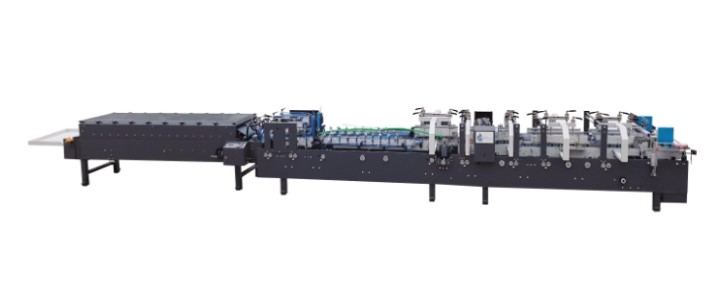
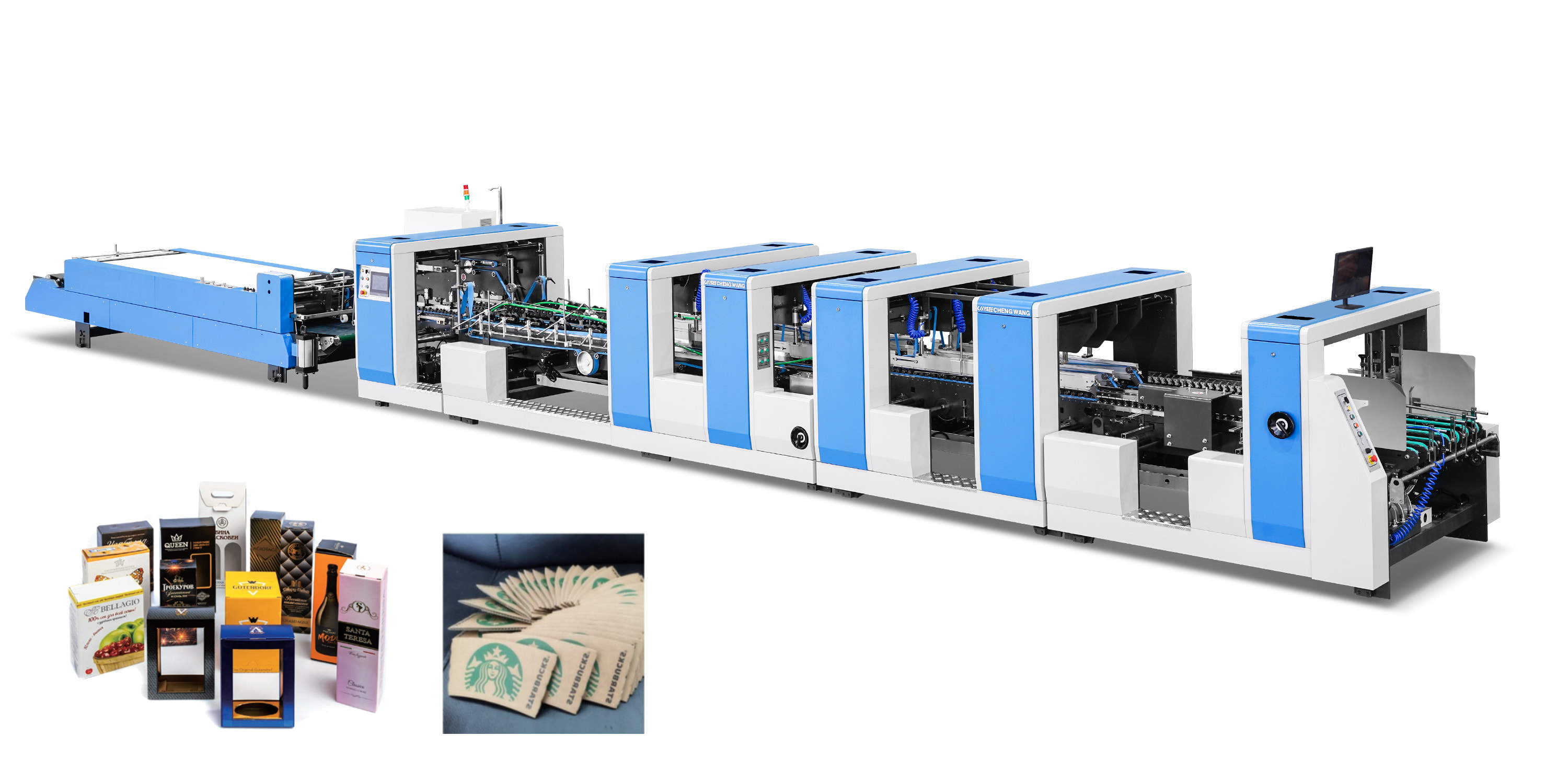
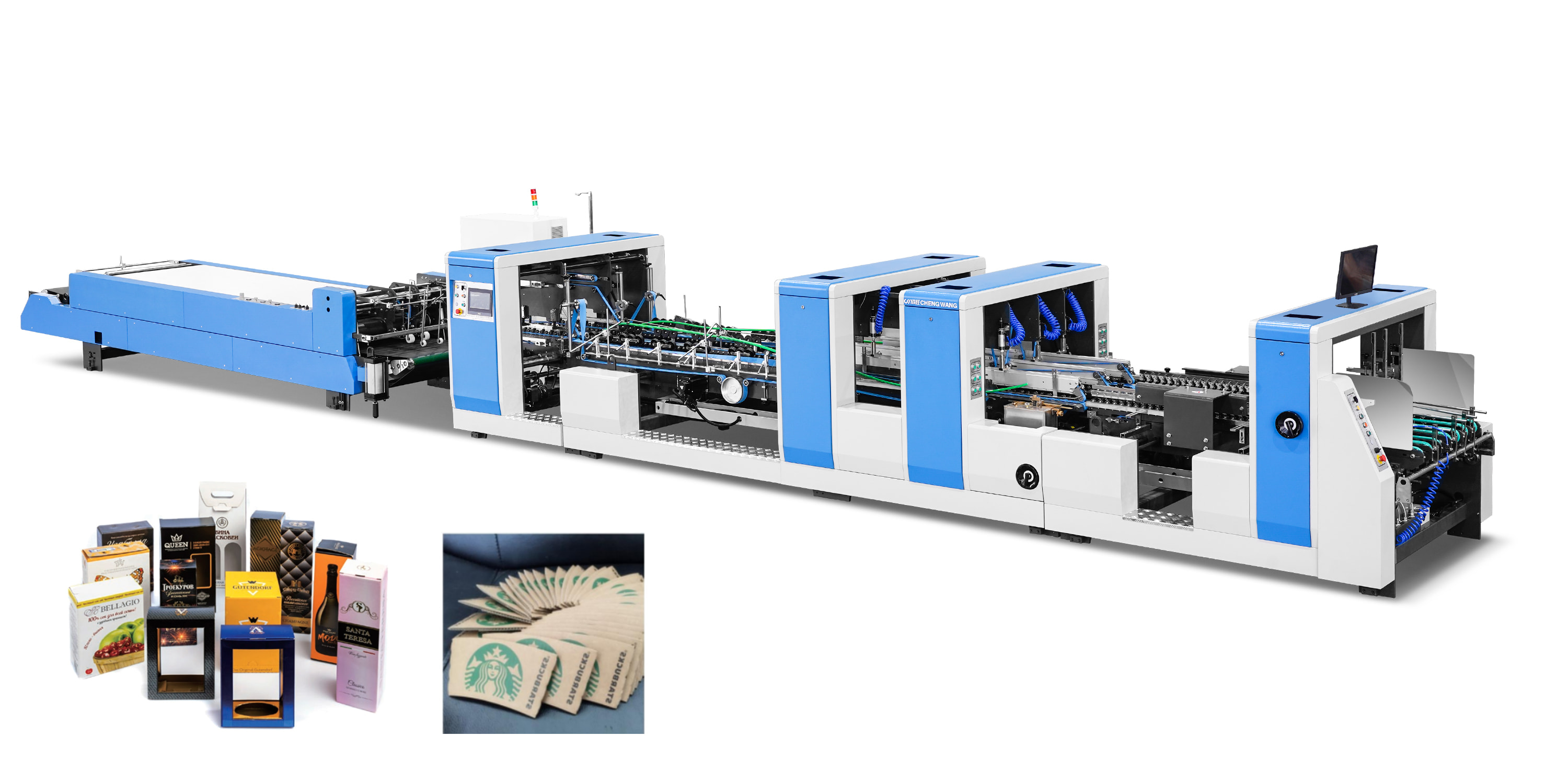
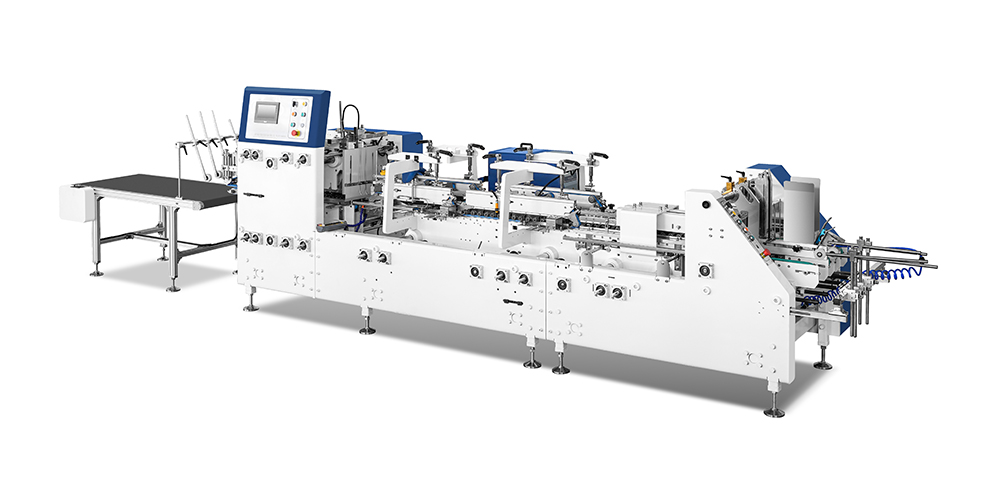
In packaging production, the most visible part of the process is often the finished box. What happens before that stage, however, can have a greater impact on quality than many people realize. A box that looks clean on the outside still depends on how well it was folded, aligned, and glued during assembly. That is why more packaging teams are paying close attention to the equipment behind the process, especially the Box Folder Gluer Machine.
Rather than treating box assembly as a simple mechanical task, many production managers now see it as a quality control step. If the material enters the line unevenly, if the folds shift during shaping, or if the adhesive is applied without consistency, the final package may not perform as expected. In a busy production environment, those small differences can affect storage, shipping, and customer presentation.
The Process Begins Before the Box Takes Shape
A reliable assembly process starts with the material itself. Cardboard blanks or prepared sheets need to move into the machine in a steady, controlled way. This early stage may seem ordinary, but it plays an important role in protecting the surface and keeping the material ready for shaping.
If the blank is handled too roughly, it may bend, tear, or lose its alignment before it reaches the folding section. That can create problems later in the process. A smoother feed helps the machine work with the material in a predictable way and supports better results from the start.
What good material handling supports
- Clean movement into the assembly line
- Less surface damage during feeding
- Better preparation for folding and glue application
Alignment Is a Quality Issue, Not Just a Technical One
Once the blank enters the machine, it has to be placed correctly. Alignment affects how every later step unfolds. When the material is centered and positioned properly, the folding lines can be followed more accurately, and the structure of the box is easier to maintain.
Poor alignment may lead to uneven flaps, angled sides, or weak closure points. These issues may not always be obvious at first, but they can affect how the box looks and how well it functions after it leaves the line. For packaging teams, this is one reason alignment receives so much attention during setup and operation.
Alignment helps with
- More even folding
- Better panel consistency
- Reduced rework after assembly
In production settings where appearance and performance both matter, accurate placement is part of overall quality control.
Folding Defines the Structure of the Box
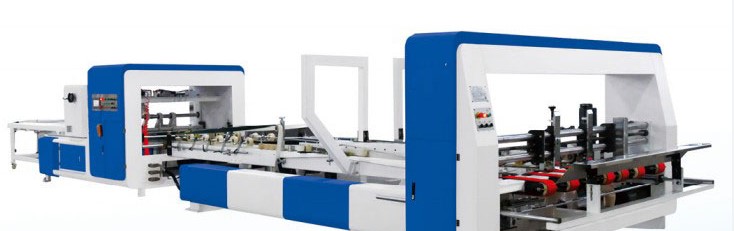
After positioning is complete, the machine begins folding the blank along the prepared lines. This is where the flat material starts to become a three-dimensional package. The sides rise, the bottom forms, and the flaps are shaped into the structure that will hold the product later on.
The quality of this stage depends on control. If the folds are too loose, the box may lose shape. If they are uneven, the structure may not close properly. A well-managed folding process helps ensure that each unit looks and behaves in a similar way.
Folding is important because it
- Gives the box its shape
- Helps maintain uniform structure
- Supports smooth movement into the next stage
The Box Folder Gluer Machine is especially valuable here because it helps reduce variation from one box to the next. That repeatability matters in packaging lines that need stable results throughout long production runs.
Gluing Secures the Final Form
Once the folding is complete, adhesive is applied to hold the box together. Gluing may seem like a finishing step, but it has a direct effect on how the package holds up in transit and storage. If the adhesive is too weak or applied unevenly, the box may open too easily or lose strength when handled.
The machine’s role is to place the adhesive in a controlled way so that the folded parts stay secure without creating unnecessary mess or waste. This helps support a cleaner finish and more dependable performance.
A careful glue application can
- Improve box strength
- Support a cleaner appearance
- Reduce material waste
At this stage, quality is not only about whether the box stays closed. It is also about whether the final package feels consistent and ready for the demands of handling, stacking, and shipping.
Why Production Teams Value Consistency
Packaging lines are often judged by output speed, but consistency is just as important. A line that produces boxes quickly but with uneven results can create problems later in the supply chain. That is why many teams focus on repeatable performance instead of speed alone.
A machine that can manage feeding, positioning, folding, and gluing in a steady sequence helps reduce variation across batches. This makes it easier to maintain packaging standards and avoid unnecessary adjustments during operation.
Consistency can help with
- Fewer shape differences between boxes
- Better production planning
- Reduced inspection and correction time
For many facilities, that reliability is a major reason to use a Box Folder Gluer Machine in the first place. It helps packaging teams keep the process under control while protecting the appearance and function of the final product.
What Each Stage Contributes
| Stage | Main Function | Production Value |
|---|---|---|
| Feeding | Moves blanks into the machine | Protects the material and starts the process cleanly |
| Positioning | Places the blank in the correct spot | Helps keep folds and flaps aligned |
| Folding | Shapes the flat material into a box | Creates structure and consistency |
| Gluing | Secures the folded parts | Supports strength and final stability |
A Production Tool With Practical Value
The real value of box assembly equipment comes from how it supports daily operations. It gives production teams more control over a task that would otherwise rely heavily on manual handling. That can help reduce variation, improve workflow, and make packaging output more predictable.
In some facilities, box assembly is just one part of a wider line. In others, it is the step that sets the pace for everything else. Either way, the machine’s role is important because it helps turn raw packaging material into a finished structure that is ready for use.
Why teams keep using this kind of equipment
- It supports repeatable output
- It helps protect packaging quality
- It fits into organized production workflows
The Box Folder Gluer Machine does not replace planning or quality checks, but it helps make both easier to manage. That is part of why it remains relevant in modern packaging operations.
Looking at the Process From a Different Angle
When people think about packaging machines, they often picture speed first. A different way to look at the process is through the lens of quality. Feeding, alignment, folding, and gluing are not separate mechanical tasks. They are the steps that determine whether a finished box will meet the needs of production, shipping, and presentation.
That perspective helps explain why so much attention is placed on machine setup and control. The goal is not only to make boxes. The goal is to make boxes that are consistent, functional, and ready for the next stage of the supply chain.
If you want to evaluate packaging equipment from a quality-control perspective, it helps to look at how each stage supports the final result, from feeding and alignment to folding and gluing. For more information, visit cenwanmachine.
Recommended Products
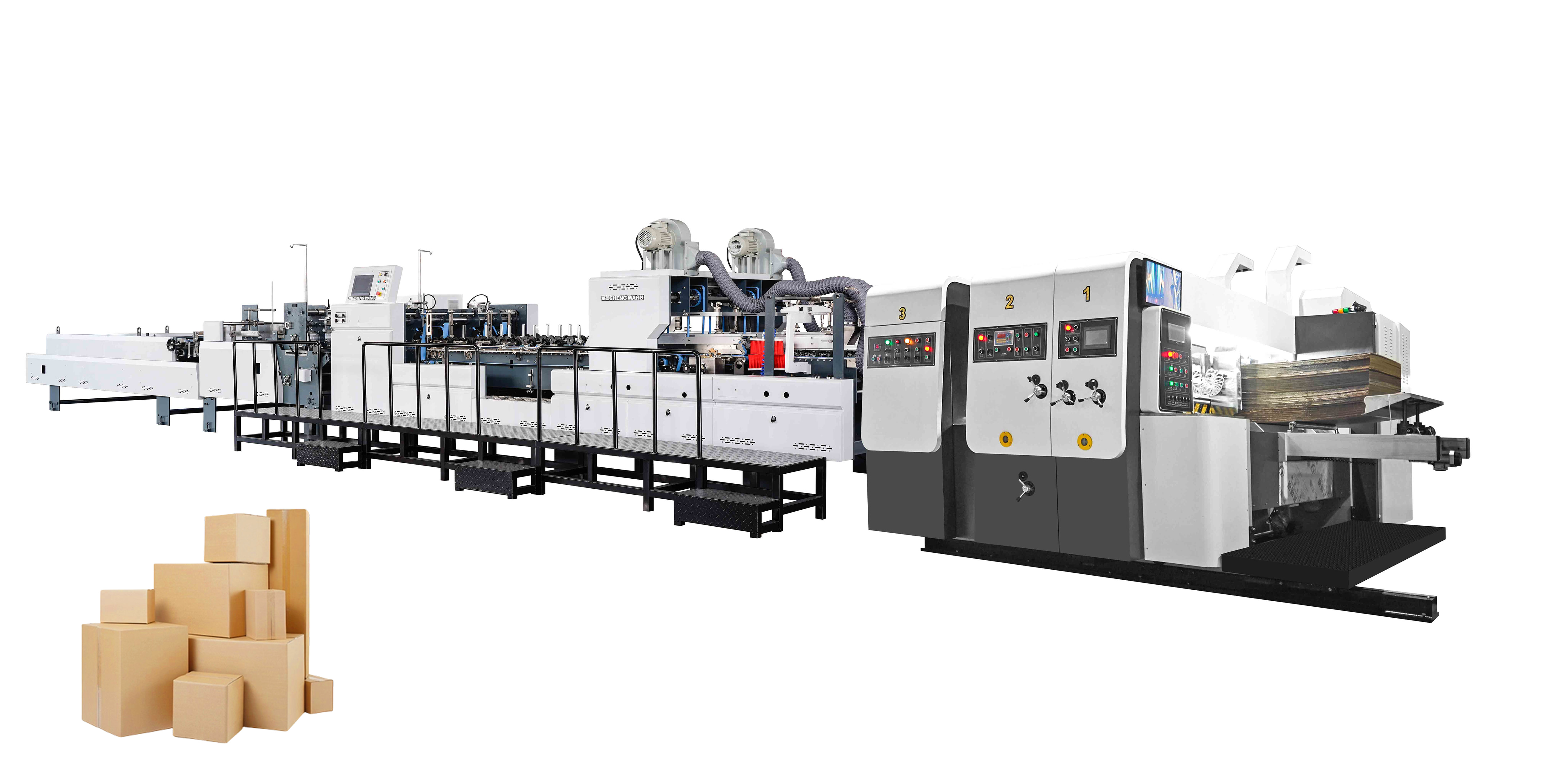
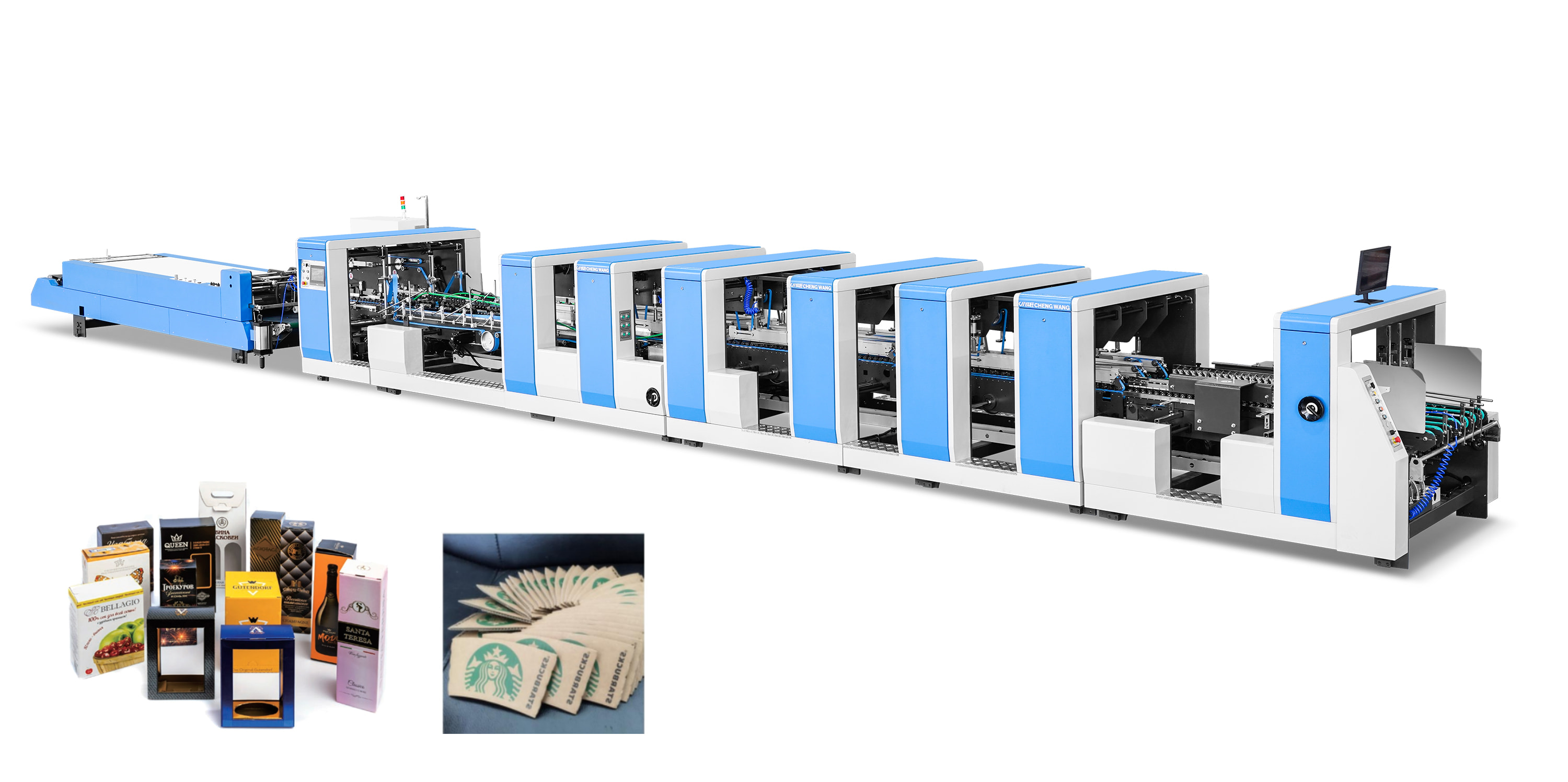
Focus on providing high-quality folder-gluing equipment to customers around the world.



No.3888, Jiangnan Avenue, Nanbin Street, Ruian City, Wenzhou City, Zhejiang Province, China







Privacy Policy Copyright © Zhejiang Chengwang Intelligent Packaging Equipment Co., Ltd.
High Speed Folder Gluer Factory