English
 русский
 Français
 Español
 Deutsch
Choosing Your Workhorse: A Buyer’s Guide to Carton Folding Gluing Machine Configurations
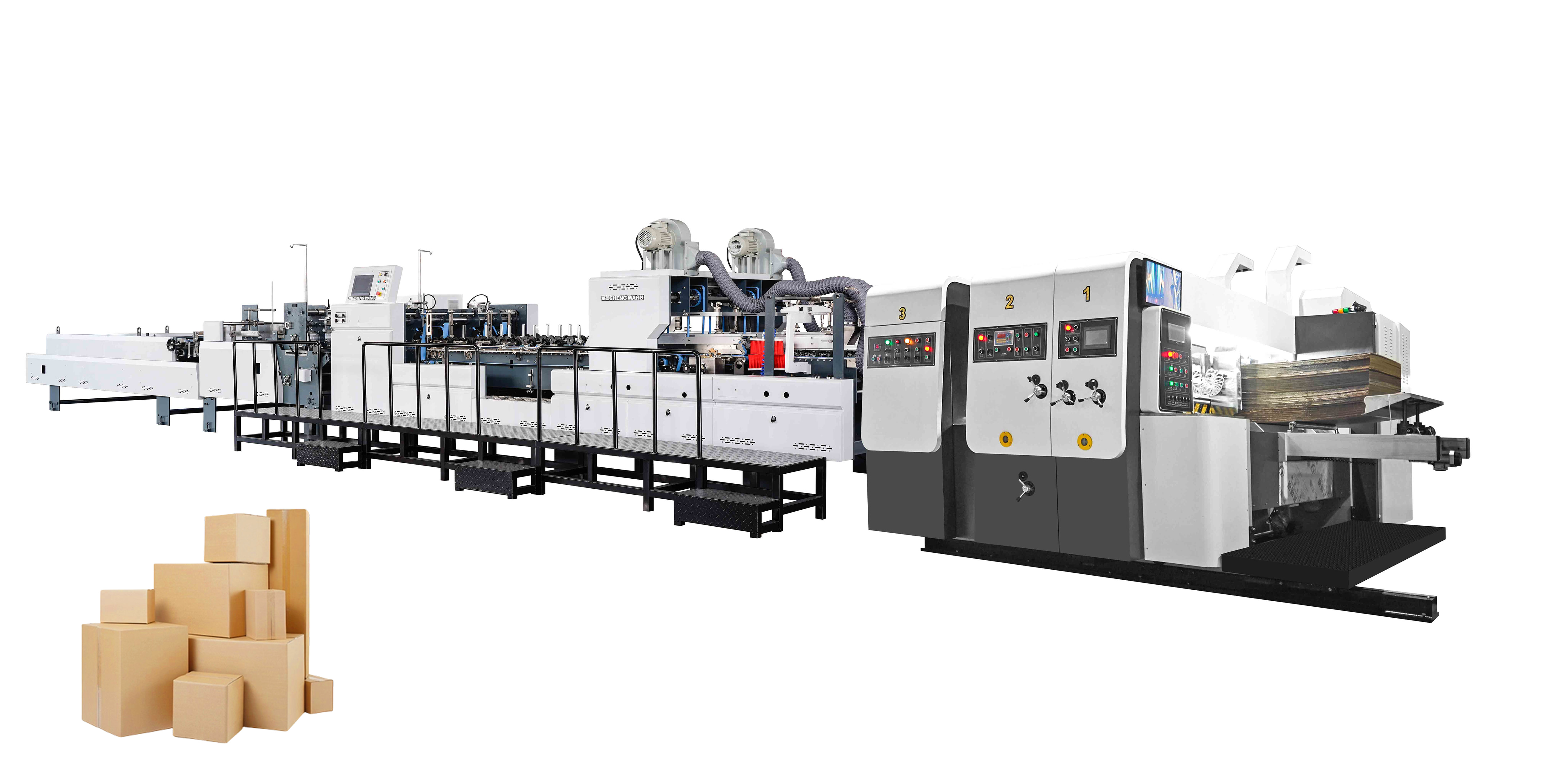
You need a new machine for folding and gluing cartons. You look at the market. There are many models. Some cost as much as a small car. Others cost as much as a house. Salespeople give you different information. Technical specifications are confusing. This is a common problem. Buying the wrong machine has real consequences. The machine might sit idle. It might not solve your production bottleneck. You might spend more time fixing it than running it.
The goal is not to find the most expensive machine. It is not to find the machine with the most features. The goal is to find the right “workhorse”. This machine must fit your business perfectly. It must match your product types. It must match your order sizes. It must match your daily production pace. It must support your plans for growth.
This article will help you make this important choice. We will explain the three main decisions you face. These are: the level of automation, the machine path (straight-line or right-angle), and the gluing system. For each one, we will explain the pros and cons. We will explain which situation it is best for. We will talk about the costs and the return on investment.
After reading this, you will be able to talk to suppliers like an expert. You will ask the right questions. You will make a confident decision based on facts, not guesses. This decision will support your production for years to come.
Decision One: Level of Automation – Balancing People, Speed, and Money
Your first big choice is about automation. This choice affects your upfront cost. It affects how many workers you need. It affects your production speed. It affects how much you depend on skilled operators.
Option A: The Semi-Automatic Machine – Flexibility on a Budget
This is where many businesses start. It is a machine, but it needs a person to work with it.
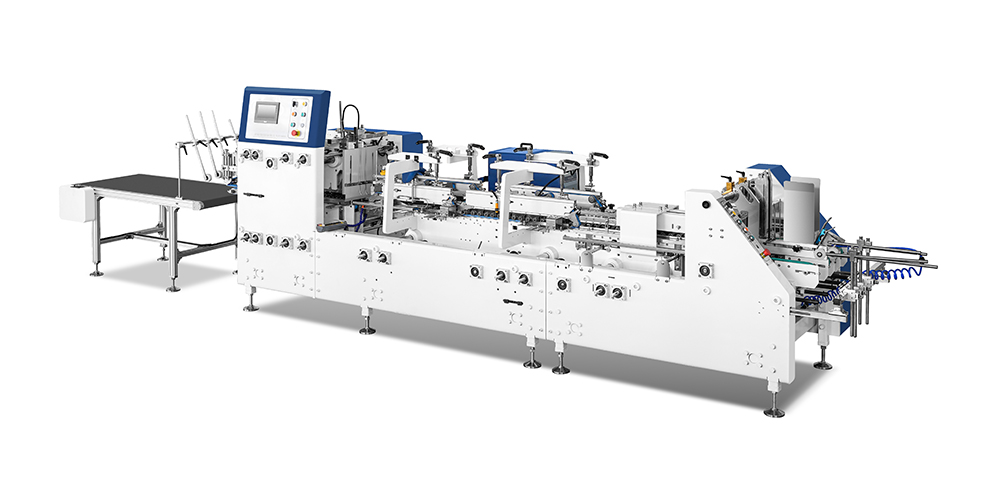
Here is how it works. A worker places a flat cardboard sheet into the machine. The machine folds the basic flaps and makes the creases sharp. Then, the worker usually applies glue. This can be done by hand or with a simple glue applicator. Finally, the machine does the main folding and presses the box together to seal it. The person and the machine work as a team.
This machine is good for certain situations.
- Small batches, many different box types: You can change from one box design to another quickly. Adjustments are simple.
- Very large or odd-shaped boxes: The machine can often handle sizes that fully automatic machines cannot. The tooling is simpler.
- New companies or tight budgets: The starting cost is the lowest. It is an affordable way to get into automatic box forming.
But there are limits. You need a good operator. The output depends on that person’s speed. One person might make 1,500 to 2,000 boxes in an hour, but not much more. Over time, the cost of the worker’s salary is a big part of your total cost.
Option B: The Fully Automatic Machine – The Engine for High Volume
This machine runs like a small factory line. It needs very little help from people.
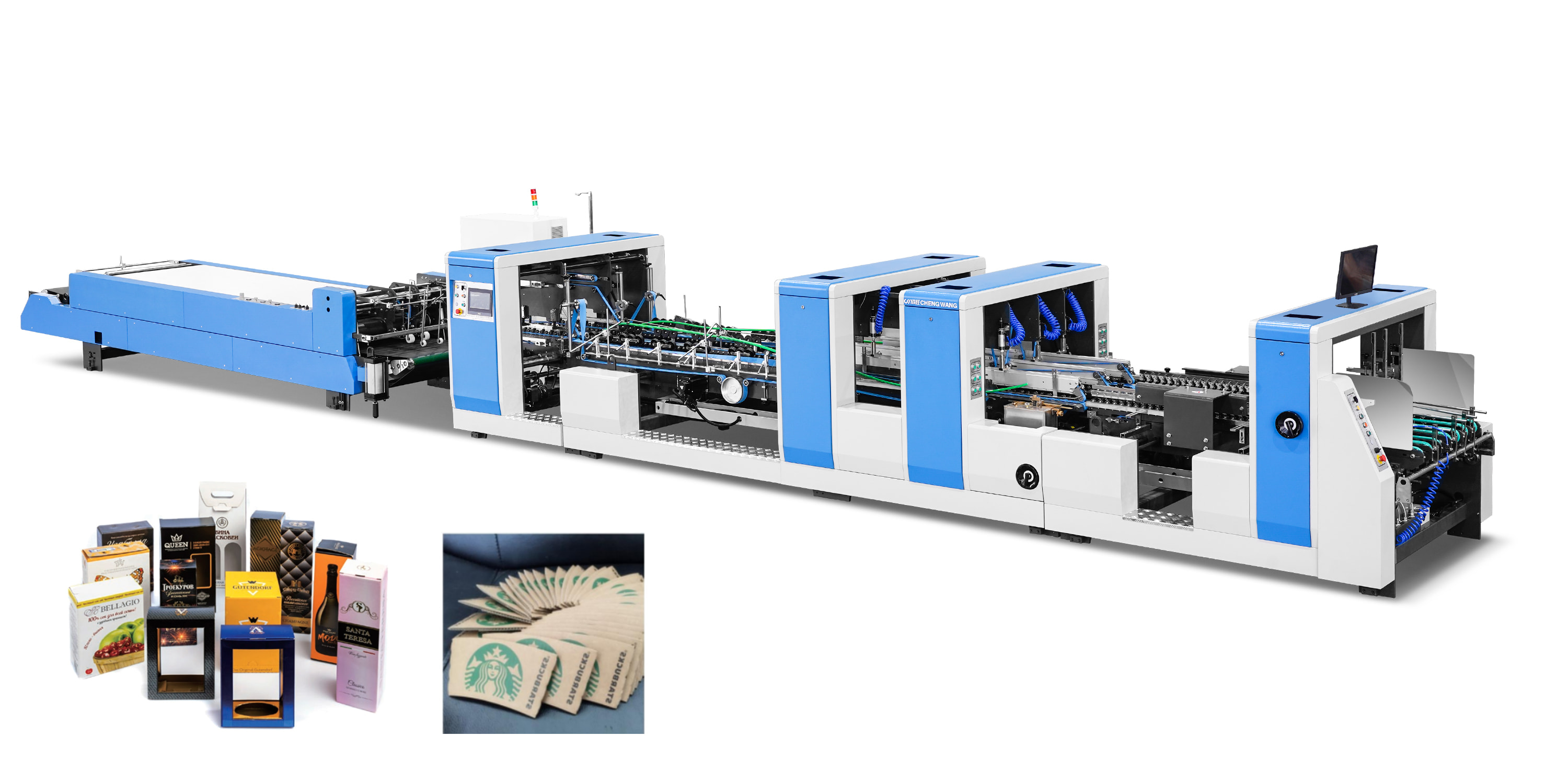
Here is how it works. Flat sheets go into a feeder, usually using friction wheels or suction cups. The machine aligns each sheet perfectly. It folds all the flaps automatically. It applies glue with precision. It presses the box shut. Finished boxes come out the other end. One or two workers only need to keep the feeder full and watch for problems.
This machine is good for different situations.
- High volume, standard box designs: Think of boxes for soap, food, or medicine. Long runs of the same box are ideal.
- Need for high speed: These machines can often make 6,000 to 12,000 boxes per hour, or even more.
- Reducing labor dependence: You rely on the machine, not on finding many skilled workers.
The investment is higher. But you must look at the total cost over time. Build a simple 3-year comparison. Compare the price difference between the two machines. Then calculate the money you save on wages with the automatic machine. Add the value of the extra boxes you can produce and sell. For many busy factories, the automatic machine pays for itself in one or two years. After that, it makes you more profit.
Ask yourself these questions:
- How many boxes do I make each month on average?
- How often do I change my box design?
- Is it hard to find and keep good workers here? What do they cost?
Your answers will point you toward the right level of automation.
Decision Two: Machine Path – Straight-Line or Right-Angle
This decision is about what kind of boxes you can make. It is a fundamental choice about the machine’s function.
Path A: Straight-Line Machine – The King of Standard Boxes
This machine does everything in one straight line. It is the most common type. It is excellent at making one specific, very popular box: the Auto-Bottom Locking Box. This is the box where the bottom flaps tuck into each other. You see it everywhere.
The process is straightforward. The box goes in, gets folded, gets glued, and comes out. The machine is simpler to set up and understand. It is a reliable workhorse for standard 4-corner or 6-corner boxes.
But it has limits. If your box has a complex locked base, or needs special internal folds, or has a handle, the straight-line machine might not be able to make it. It would need special add-ons, or it might not work at all.
Path B: Right-Angle (with Pre-Break) Machine – The Specialist for Complex Boxes
Some boxes need a turn. Boxes like crash-lock bottom boxes, double-wall boxes, and some telescope boxes have a more complex structure. To form the fourth side, the box blank must turn 90 degrees inside the machine. This “right-angle” path lets the machine fold and glue all sides properly.
This is the machine for stronger, more premium packaging. It is used for gifts, electronics, and heavy products. The boxes are more robust.
The machine itself is more complex. Setting it up requires more skill from your technician. It generally costs more than a straight-line machine of similar automation level.
Modern Solutions: Modular Machines
Today, some high-end machines offer both paths in one. They use a modular design. You can change parts of the machine to switch from straight-line to right-angle production. This is very flexible. It is perfect for a factory that makes many different box types, each in large quantities. You pay more for this flexibility, but it can replace two machines.
Decision Three: The Gluing System – Precision, Waste, and Cleanliness
How the machine puts on the glue matters. It affects strength, look, glue cost, and cleaning time.
System A: Wheel Application – The Classic Method
A glue wheel rolls in a tank of glue. It picks up glue and transfers it to the box as it touches it. This method is fast. It is good for long glue lines. It is mechanically simple.
But control is not perfect. The amount of glue can vary. It can create glue strings or splatter. You must watch the glue viscosity. Changing to a different type of glue means cleaning the whole tank and wheel, which takes time.
System B: Spray / Dot Application – The Precise Method
This system uses a pump. It sprays tiny dots or a fine line of glue exactly where you program it. The control is very precise.
The big advantage is glue savings. You can use 20% to 40% less glue because there is no waste. There are no glue strings, so the boxes are cleaner. Changing glue types is fast; you just clean the nozzle. This is great for factories that use different glues or have high standards for cleanliness (like food or electronics).
The equipment cost is higher. The glue must be free of particles and flow well for the pump.
How to Choose: Match the system to your needs. If you use standard white glue or hot melt on normal cardboard, a wheel system may be fine. If you use specialty glue, have coated or laminated board, or need a spotless product, look closely at the spray/dot system.
Putting It All Together
Now, think about your own needs. Combine the three choices.
- Do you need a Fully Automatic, Straight-Line machine with Spray Glue for millions of clean food boxes?
- Or a Semi-Automatic, Right-Angle machine with a Glue Wheel for small batches of strong gift boxes?
Before you buy, do these things:
- Test with your real cardboard. Give the supplier samples of your thinnest and thickest board. Ask for a video of the test run. This is the most important step.
- Ask about the core parts. What brand are the PLC, the servo motors, the bearings? Good parts mean longer life and less downtime.
- Ask about service. How fast can they get a technician to you? Do they keep spare parts in stock? What training do they provide?
Avoid common mistakes. Do not pay for features you will never use. Do not believe the “maximum speed” on paper; ask for the “stable production speed”. Think about your real daily needs.
Choosing the right machine is a strategic investment. You must look at your own business clearly. You must understand what the technology really does.
At Cenwan, this is our daily work. We help customers make this match. We know there is no single “best” machine. There is only the right solution for you. As a manufacturer of Carton Folding Gluing Machines, we start by listening. We ask detailed questions about your products and your goals. We insist on testing your materials. We explain the costs and benefits of each option clearly. We aim to be your production advisor, not just a salesperson.
Your next production workhorse should be a perfect fit. Bring your box samples and your production targets to Cenwan. Let’s have a detailed discussion with our engineering team. Together, we can turn a difficult choice into a clear plan. A plan that will make your production line stronger and more efficient for years to come.
Recommended Products
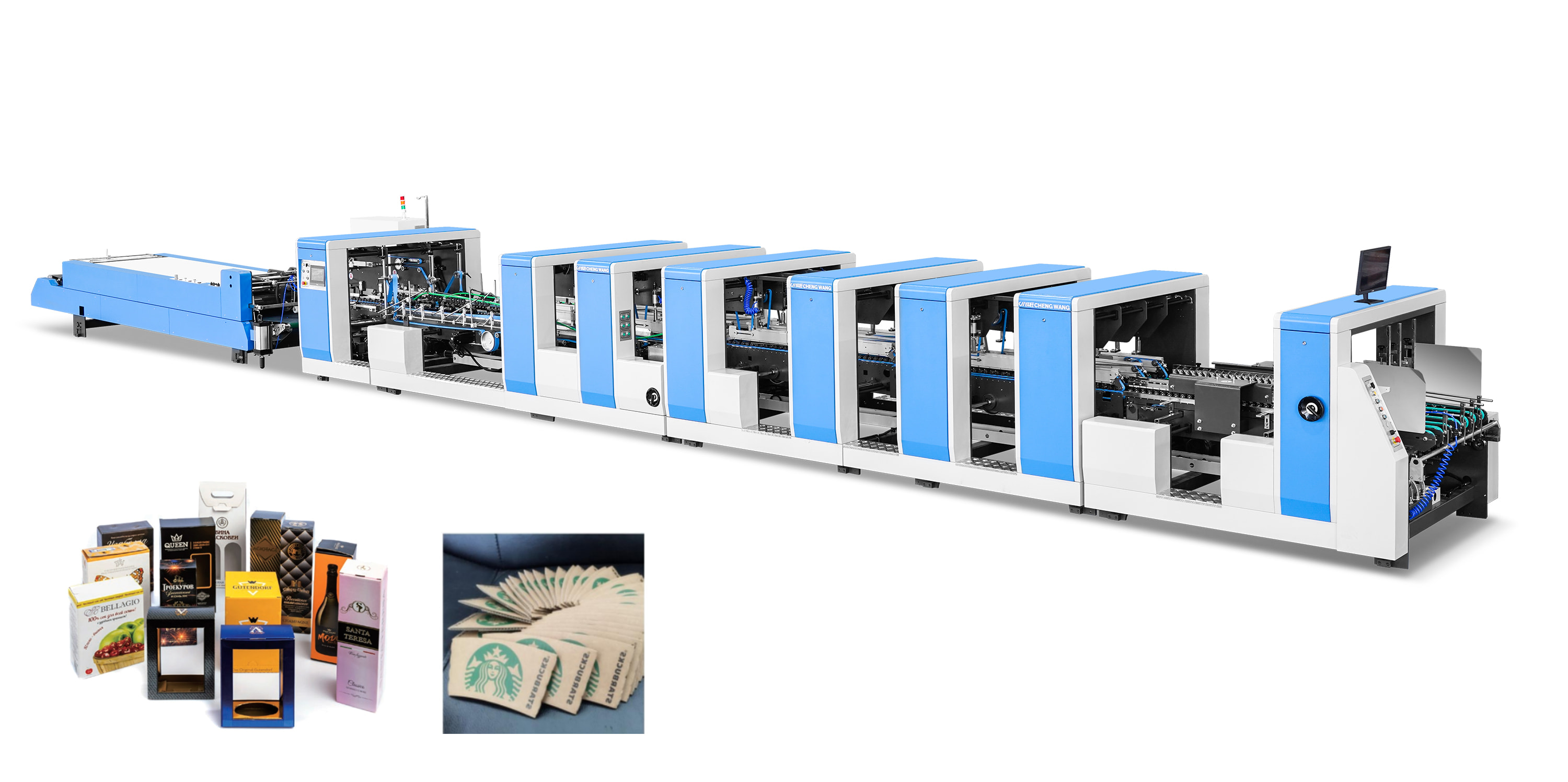
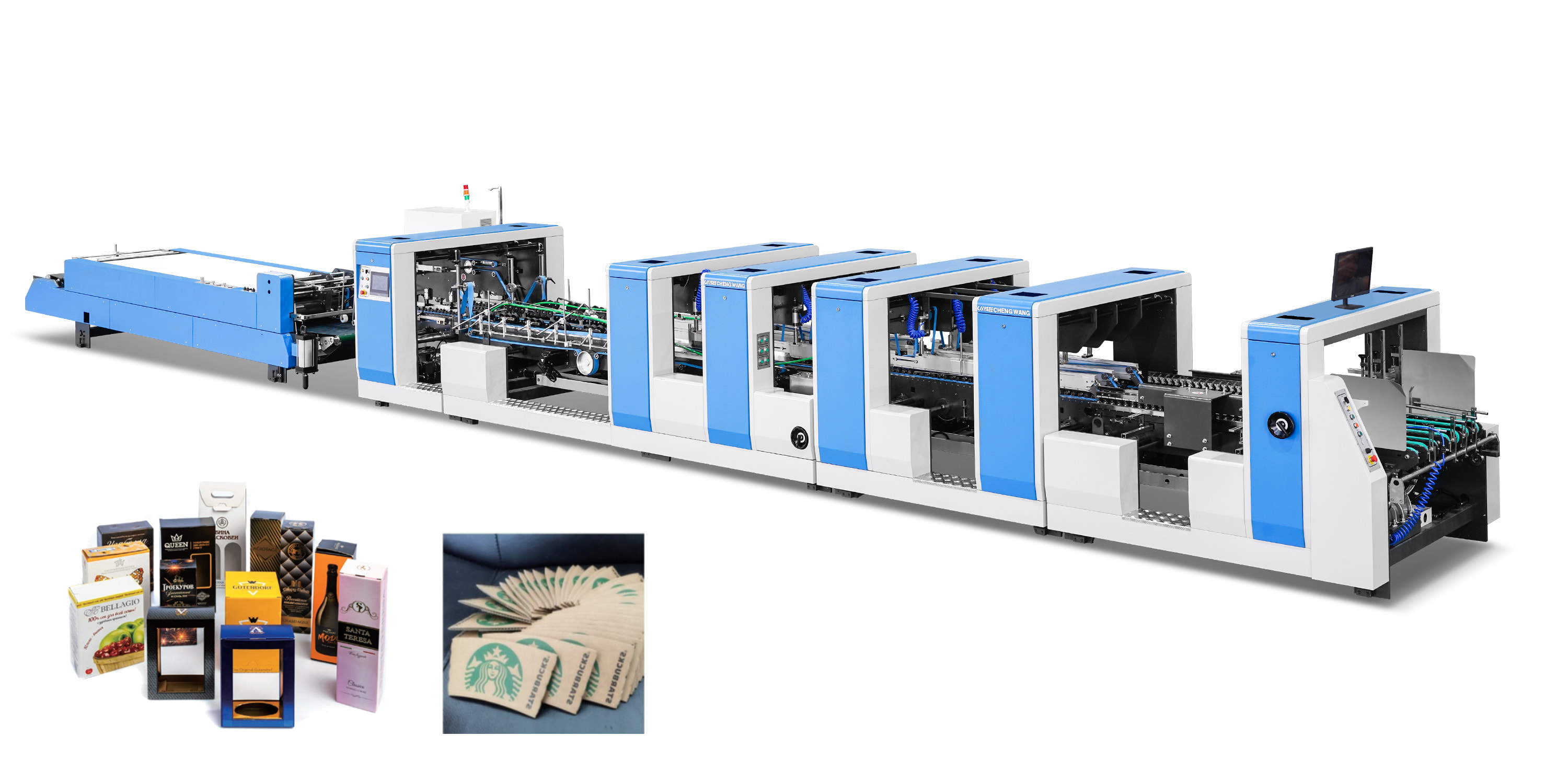
Focus on providing high-quality folder-gluing equipment to customers around the world.



No.3888, Jiangnan Avenue, Nanbin Street, Ruian City, Wenzhou City, Zhejiang Province, China







Privacy Policy Copyright © Zhejiang Chengwang Intelligent Packaging Equipment Co., Ltd.
High Speed Folder Gluer Factory