English
 русский
 Français
 Español
 Deutsch
Could a Box Folder Gluer Machine Be the Turning Point for Your Packaging Line
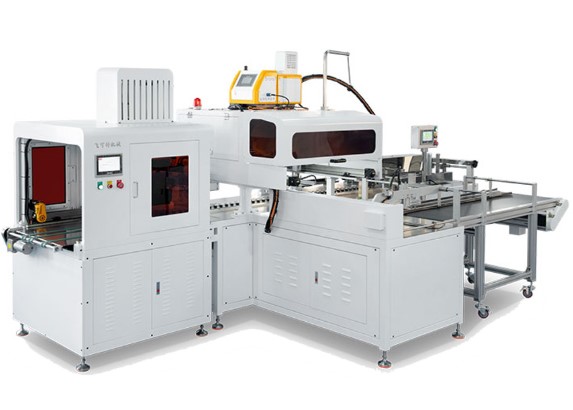
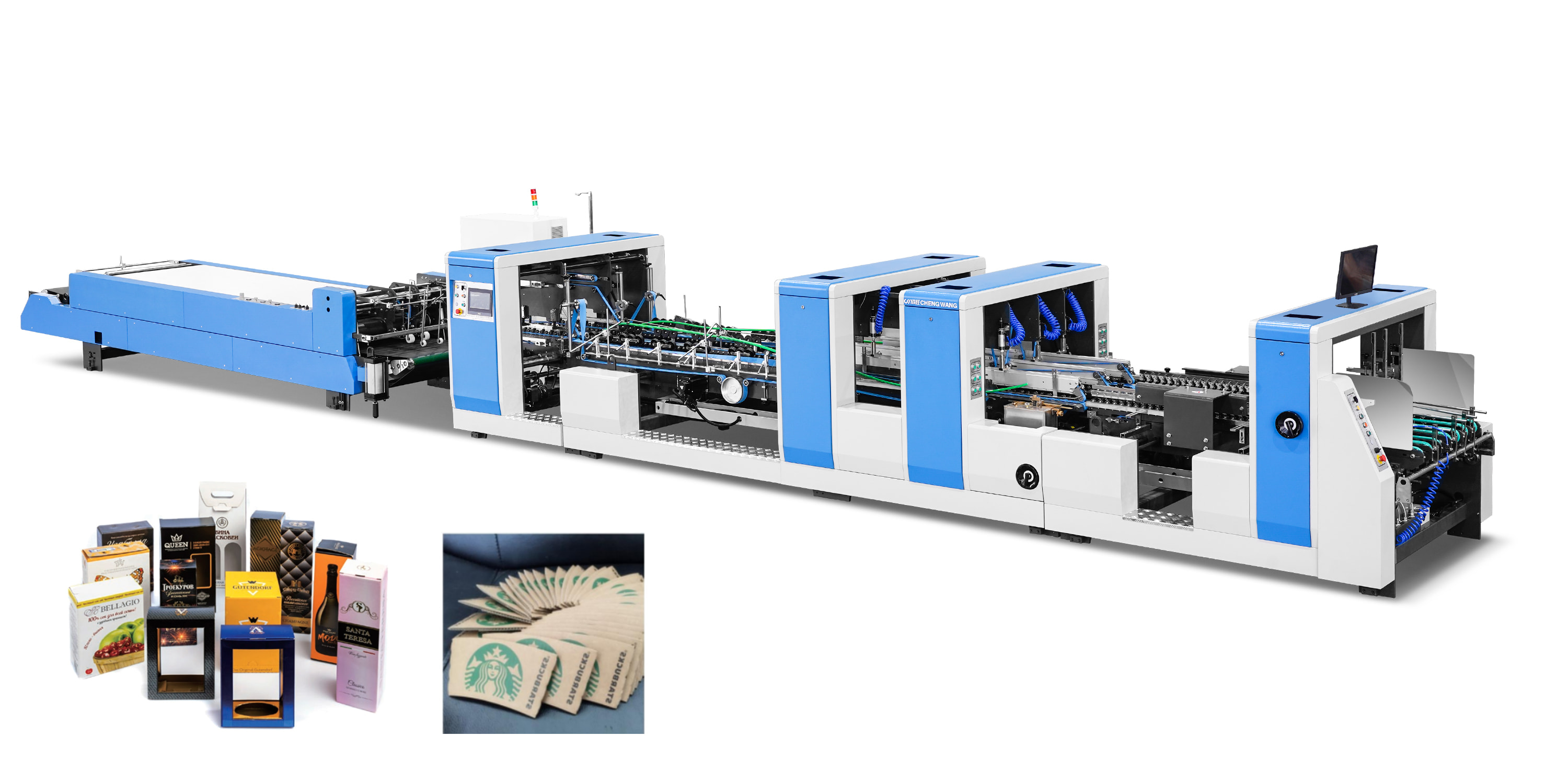
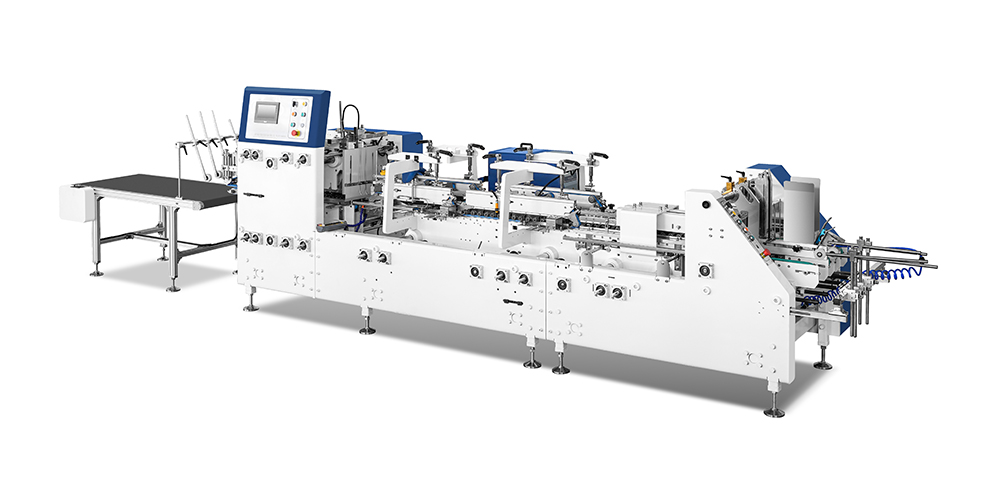
Packaging teams are under constant pressure to deliver goods faster, safer and with fewer mistakes. As order volumes fluctuate and product styles change, many operations are reconsidering how the final stage of packing is handled. One solution gaining renewed attention in production and distribution centers is the Box Folder Gluer Machine — an integrated device that converts flat board into sealed cartons in a continuous process.
Why the end of the line deserves fresh thinking
The last step before a product ships is surprisingly influential. Proper carton formation and sealing determine how well goods survive handling, how efficiently cases stack on pallets, and how smoothly automated conveyors and palletisers operate. When folding and gluing is left to manual labor, variability and error frequently emerge. That variability feeds downstream: misformed boxes can jam conveyors, increase packing time and result in damaged shipments.
- Consistency matters: Uniform cartons travel, stack and seal more predictably through automated systems.
- Process flow: The final packing station sets the rhythm for the whole dispatch area — slow that point down and queues form upstream.
- Quality perception: Neat, securely closed boxes reduce customer complaints and returns caused by transit damage.
For many facilities, the question is not whether automated folding and gluing is technically feasible, but whether it brings enough operational clarity to justify the change.
How a folding and gluing station changes daily operations
Bringing automated carton formation into the line alters work patterns and the allocation of human effort. Rather than having staff perform repetitive folding, operators shift to monitoring roles, overseeing machine performance, and handling exceptions.
- Reduced manual handling: Staff spend less time on repetitive bending and folding and more on oversight and quality checks.
- Predictable output: A machine produces a steady sequence of formed cartons that planners can count on when synchronising filling stations.
- Faster changeovers: When designed with flexibility, a system can switch between carton formats with minimal downtime, easing the handling of mixed-product batches.
These changes can free people for tasks that require judgement and dexterity, while routine formation becomes a machine-managed activity.
Quality and protection: why neat cartons matter
A properly folded and glued carton is more than a tidy box — it’s the primary defense between a product and the rigours of transport. Automated folding and gluing reduces the chance of weak seals, misaligned flaps or uneven corners that allow pressure points and shifting during handling.
- Secure closure: Consistent glue application and accurate flap alignment reduce the chance of seam failure.
- Structural integrity: Uniform folding helps boxes bear compression and stacking loads without collapsing.
- Reduced damage rates: Fewer malformed cases mean fewer damaged goods and less rework at packing or returns handling.
Quality at the carton level protects brand reputation by ensuring goods arrive to customers in good condition.
Flexibility and format management
A modern folding and gluing unit is often designed to handle several carton profiles. That versatility is crucial for operations that shift between product sizes or run seasonal promotions.
- Format adaptability: When the line can be adjusted quickly, production planners can respond to changing orders without long waits for reconfiguration.
- Space efficiency: One flexible machine can replace multiple single-purpose devices, saving floor space.
- Inventory simplification: Standardised carton formation reduces the variety of fillers and tapes needed to secure poor-fitting boxes.
Flexibility helps firms adapt market-by-market without committing to multiple, dedicated systems.
Safety and ergonomics improvements
Automating the repetitive and physically demanding task of box formation reduces the risk of strain injuries. Workers are less exposed to awkward movements, repeated bending, and pinch risks associated with manual creasing and glue application.
- Lower repetitive strain: Fewer manual folds mean less cumulative stress to shoulders, wrists and backs.
- Safer work zones: Enclosed machine areas reduce the number of pinch points staff encounter during normal operation.
- Focus on inspection tasks: Personnel can concentrate on visual checks, packaging integrity and exception handling rather than high-volume manual labour.
Safer workflows lead to lower absence rates and a more consistent pace of production.
Integrating the machine into a wider packaging ecosystem
A Box Folder Gluer Machine becomes most valuable when it is part of a coordinated packaging line. That means thinking beyond the equipment itself to conveyors, case sealers, palletising cells and data systems that track throughput.
- Line synchrony: When carton formation is predictable, filling and sealing stages can be timed to avoid buffer build-ups.
- Data feedback: Machines that report simple performance metrics help supervisors plan maintenance and detect issues before they escalate.
- Downstream compatibility: Neat, consistent cartons feed automated case-handling devices with fewer jams and fewer stoppages.
Integration turns a single machine into a dependable link within a lean packaging network.
Operational benefits and practical outcomes
| Area | Operational benefit | Practical outcome |
|---|---|---|
| Throughput | Steadier carton formation | Reduced bottlenecks and predictable dispatch volumes |
| Quality | Consistent fold and glue | Fewer transit damages and reduced returns |
| Flexibility | Quick format changes | Faster response to mixed orders and promotions |
| Safety | Less manual folding | Lower risk of repetitive strain injuries |
| Cost control | Less rework and waste | Clearer per-case cost estimates and reduced material waste |
What to consider before adding a folding-and-glue solution
A successful change requires planning that covers both technical and human factors. Before installation, teams should map product profiles, throughput targets and maintenance needs.
- Production match: Ensure the chosen unit aligns with average run lengths and the degree of product variation.
- Layout fit: Plan conveyor runs and space occupation to keep material flow smooth and safe.
- Skills and training: Provide operators with the ability to monitor, adjust and perform routine service tasks.
- Maintenance planning: Routine checks and easy access to wear parts minimise downtime.
The best outcomes come when the machine is treated as part of a process redesign rather than a bolt-on addition.
Real-world operational impacts
Operations that bring automated carton formation online typically see immediate shifts in daily rhythms. Packing supervisors report fewer frantic fixes, line managers note more reliable shift production numbers, and materials teams can plan carton orders with greater confidence. The cumulative effect is a smoother fulfillment experience for both staff and customers.
- Predictable deliveries: Reliable output helps logistics match loading windows and carrier pick-ups.
- Lower materials waste: Consistent folding reduces off-spec cartons that would otherwise be scrapped.
Final considerations and next steps
Introducing a Box Folder Gluer Machine invites a re-think of how the packing end of the line operates. Beyond the machine itself, gains depend on thoughtful layout, operator training and a maintenance regime that keeps the device running smoothly. For teams exploring options, reviewing case studies, speaking with peer operations and consulting suppliers can clarify how a folding-and-gluing solution might fit a specific facility. If you want to look further into suppliers and support for packaging machinery, a practical contact to consider is Zhejiang Chengwang Intelligent Packaging Equipment Co., Ltd. — they can provide details on machine capabilities and on-site integration considerations.
Recommended Products
Focus on providing high-quality folder-gluing equipment to customers around the world.



No.3888, Jiangnan Avenue, Nanbin Street, Ruian City, Wenzhou City, Zhejiang Province, China







Privacy Policy Copyright © Zhejiang Chengwang Intelligent Packaging Equipment Co., Ltd.
High Speed Folder Gluer Factory