English
 русский
 Français
 Español
 Deutsch
Could a High Speed Folder Gluer Shift Packaging Workflows
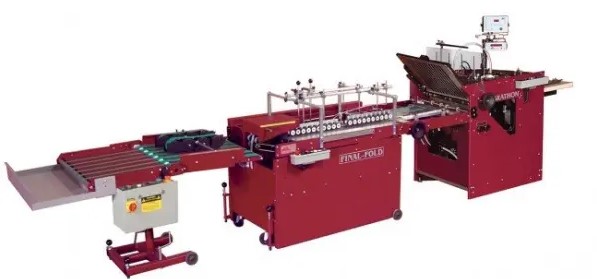
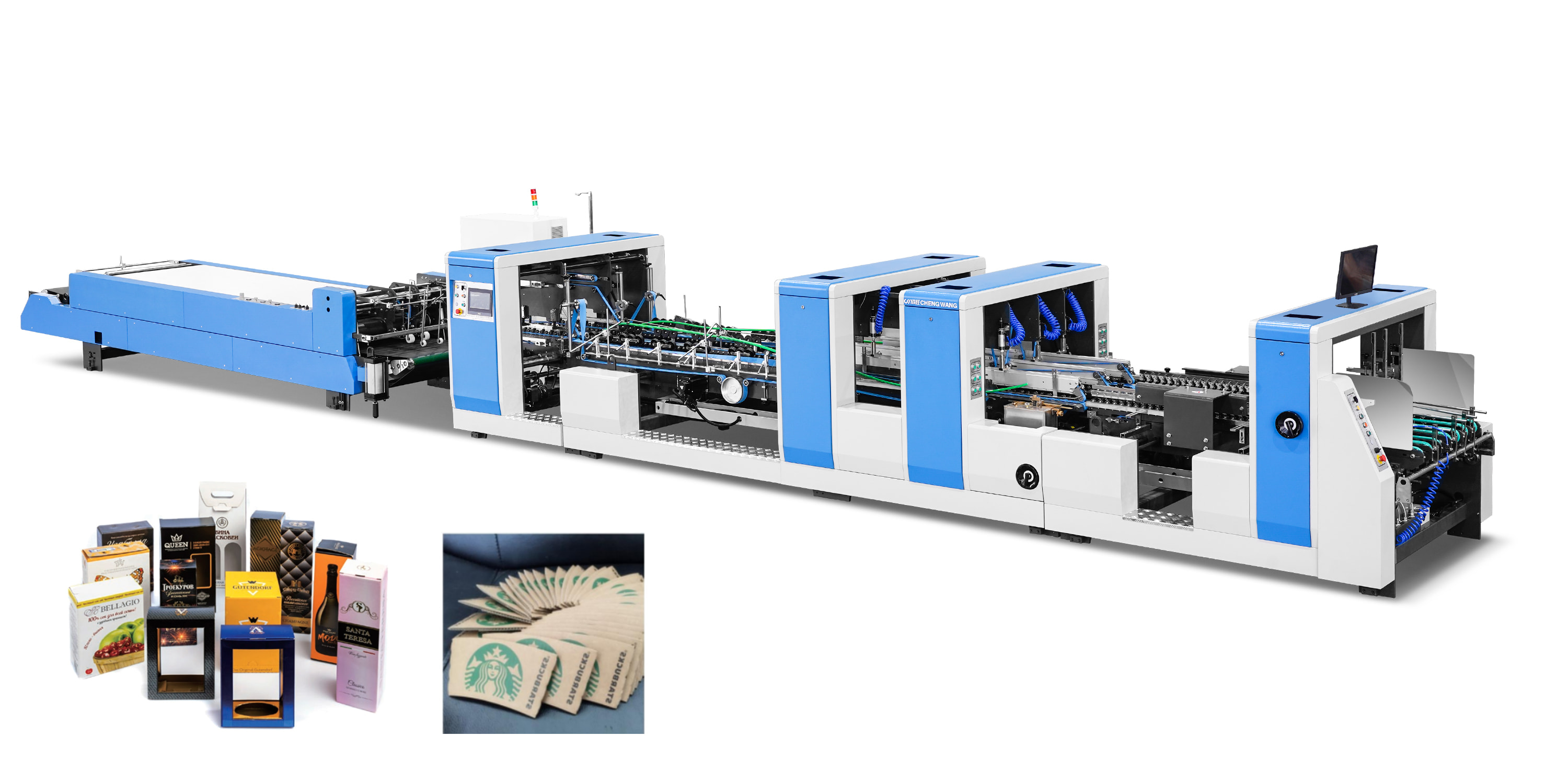
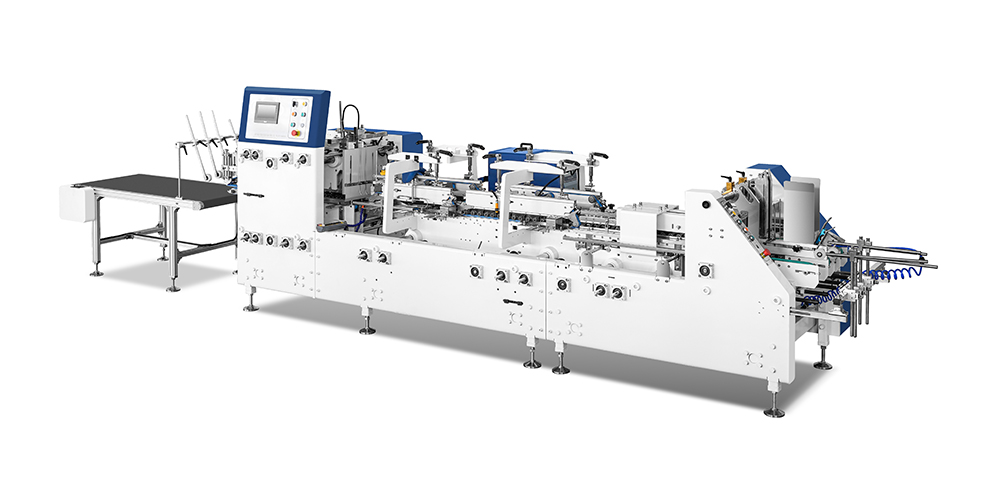
A quiet evolution is under way across packaging floors where demand for accuracy and adaptability is rising. At the center of that shift is the High Speed Folder Gluer — a class of machinery that takes flat blanks and converts them into folded, glued cartons with a steady, repeatable rhythm. Industry observers and plant managers are weighing how such equipment influences line design, material choices, and operational practices as production moves toward tighter cycles and broader product mixes.
Seeing the operation in action
To appreciate why a folder gluer matters, it helps to follow a blank through a typical run. The process is a chain of simple but tightly coordinated steps that together deliver a finished package.
- Feeding — blanks are delivered into the line so each subsequent stage can process them without stoppage.
- Scoring/creasing — precise fold lines are made to control panel behavior and prevent surface cracking.
- Folding — guided by belts and mechanical rails, panels are folded to meet at planned edges.
- Gluing — adhesive is applied to targeted tabs and seams so joins bond cleanly.
- Delivery — finished cartons are collected, stacked, or routed for packing and distribution.
The controlled sequence reduces manual handling, supports consistent output, and helps maintain visual and structural quality across long runs.
Why manufacturers consider higher throughput
While speed is a defining feature, planners emphasize that throughput must be balanced with repeatability and ease of changeover. A High Speed Folder Gluer can help meet peaks in demand, but its true value is often measured by how well it maintains uniform folds and accurate adhesive placement when volumes rise.
- Changeover readiness — the ability to switch between sizes and styles quickly affects responsiveness to short runs.
- Quality consistency — even gaps in crease depth or glue placement can lead to rejects downstream.
- Material handling — how the finished items are conveyed and stacked determines downstream efficiency.
In practice, the machines support volume, but they also require complementary line design and trained teams to translate speed into dependable delivery.
Configurations that match product needs
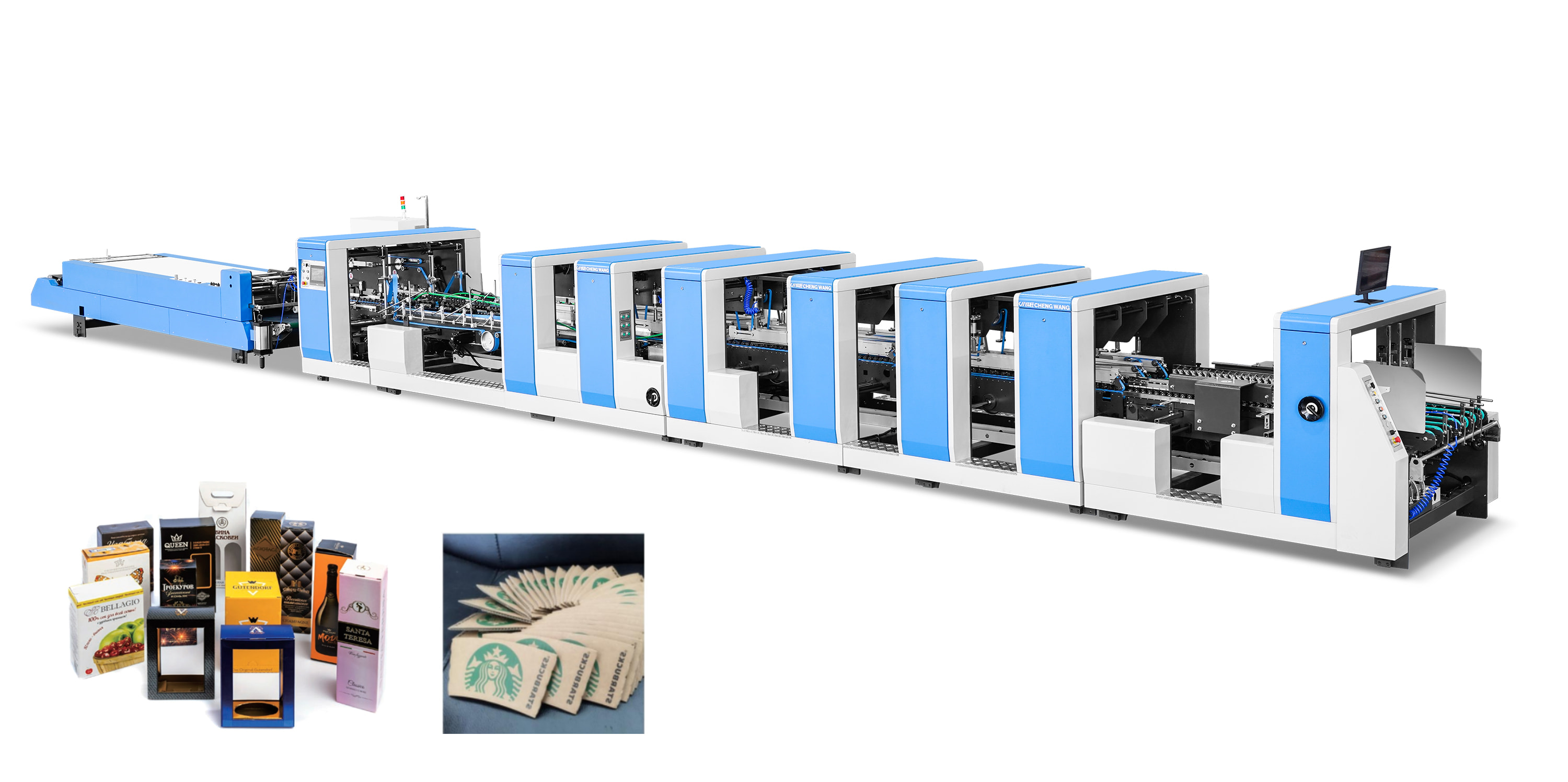
Folder gluer lines are offered in several configurations so manufacturers can align machine capability with the cartons they need to produce.
- Straight-line setups suit standard cartons and sleeves where the workflow can proceed in a linear fashion.
- Lock-bottom arrangements form self-locking bases that open into a stable support structure for heavier contents.
- Multi-corner solutions enable boxes with defined panels and additional corner construction for presentation or strength.
Choosing the right configuration depends on the balance between structural needs, presentation goals, and the rhythm of the production schedule.
Where these machines are used
A broad set of sectors integrates folder gluers into their operations. Each sector has distinct priorities, yet all share a need for repeatable, efficient carton formation.
- Food and beverage — secure constructions and sanitary handling are essential for safe transport and shelf display.
- Pharmaceuticals — neat folds and tamper-evident joins help preserve information and integrity.
- Cosmetics and personal care — a crisp finish supports brand presentation and perceived value.
- E-commerce and retail packaging — fast changeovers and steady output help manage varied order profiles.
- Contract packagers and print houses — flexibility to handle many formats within a single line is a core requirement.
Across these uses, the equipment acts as a bridge between printed sheetstock and ready-to-ship packaging.
Folder gluer types, common uses, and practical benefits
| Machine type | Typical use case | Practical benefit | Good fit for |
|---|---|---|---|
| Straight-line | Standard cartons and sleeves | Consistent output with simple setup | General retail, bulk packaging |
| Lock-bottom | Heavier packaged goods | Stable base without extra sealing | Food, stacked items |
| Multi-corner | Display-ready boxes | Improved presentation and structural shape | Premium goods, cosmetics |
| Convertible/modular | Mixed product runs | Rapid format change with flexible tooling | Contract packagers, e-commerce |
Material, design, and sustainability links
Design teams and sustainability leads are increasingly working together when specifying carton formats. Thoughtful scoring prevents surface damage, and targeted adhesive use minimizes waste while preserving bond strength. When a production line can achieve the intended look and sturdiness with less material loss, the result is both cost containment and reduced environmental impact.
- Material efficiency — accurate creasing reduces scrap and allows better yield per sheet.
- Adhesive economy — precise application lowers surplus and eases downstream recycling.
- Lifecycle view — equipment that supports multiple uses for printed stock reduces frequency of replacements.
These elements support a practical approach to greener packaging without compromising the needs of distribution.
Integration into a wider production ecosystem
A folder gluer rarely sits alone; it is one station within a larger chain that includes printing, die cutting, and end-of-line packing. Smooth handoffs and matched throughput across stations are fundamental to avoiding bottlenecks. Digital control systems, common interfaces, and data capture make it easier to coordinate speeds and anticipate maintenance needs.
- Line synchronization — balancing station speeds prevents pileups and idle time.
- Control compatibility — shared protocols ease setup and enable centralized oversight.
- Predictive maintenance — monitoring key conditions helps prevent unscheduled stops.
Integration brings operational resilience and helps factories adapt to shifting demand quickly.
Human factors and training
The presence of higher-capacity equipment elevates the importance of training and process discipline. Operators who understand setup nuances, adhesive behavior, and material response can reduce jam time and improve quality. Cross-functional involvement during commissioning — including production, maintenance, and planning teams — speeds maturity and helps capture lessons that improve uptime.
- Hands-on pilots — trial runs reveal real-world handling tendencies and help optimize settings.
- Documentation and routines — written procedures reduce variance and speed troubleshooting.
- Skill development — ongoing training sustains quality as workloads and formats evolve.
Investing in people complements investment in machinery and helps convert potential into reliable output.
Automation thinking: AIO and GIO in practice
The idea of a High Speed Folder Gluer connects to automation trends like AIO (all-in-one) workflows and GIO concepts that stress operational efficiency. Rather than viewing speed in isolation, teams are mapping how fewer transitions, seamless tool changes, and integrated controls can make small factories run with fewer interruptions and clearer productivity signals.
- Fewer transitions — consolidating steps reduces handling and error opportunities.
- Consistent routines — standardized changeover sequences lower setup time.
- Data-informed tweaks — captured metrics guide incremental improvements.
These approaches emphasize systems thinking: equipment choice is part of a broader move toward flexible, efficient production.
Practical steps for adoption
Manufacturers assessing new folder gluer capability often follow pragmatic steps to reduce risk and realize gains. Pilot installations at modest volumes reveal configuration needs; involving operators and maintainers during selection improves acceptance; and clear documentation supports repeatable operations.
- Begin with a scope of common formats and predictable volumes.
- Conduct pilot runs to test handling and changeover procedures.
- Train cross-functional teams and document routines for setup and upkeep.
Small, deliberate steps help organizations scale yield while preserving quality expectations.
The Road Ahead for Folder Gluer Technology
As demand for diverse packaging forms and tighter production windows grows, the High Speed Folder Gluer is drawing attention for its capacity to combine rhythm and accuracy on the line. When chosen and integrated thoughtfully, such equipment can support supply chains that are more adaptable and less wasteful. For practitioners seeking community insights or vendor-neutral resources, consider consulting specialist forums and supplier networks such as cenwanmachine for practical examples and deployment experiences.
Recommended Products
Focus on providing high-quality folder-gluing equipment to customers around the world.



No.3888, Jiangnan Avenue, Nanbin Street, Ruian City, Wenzhou City, Zhejiang Province, China







Privacy Policy Copyright © Zhejiang Chengwang Intelligent Packaging Equipment Co., Ltd.
High Speed Folder Gluer Factory