English
 русский
 Français
 Español
 Deutsch
How Does a Folder Gluer Machine Combine Folding and Gluing
What Is a Folder Gluer Machine?
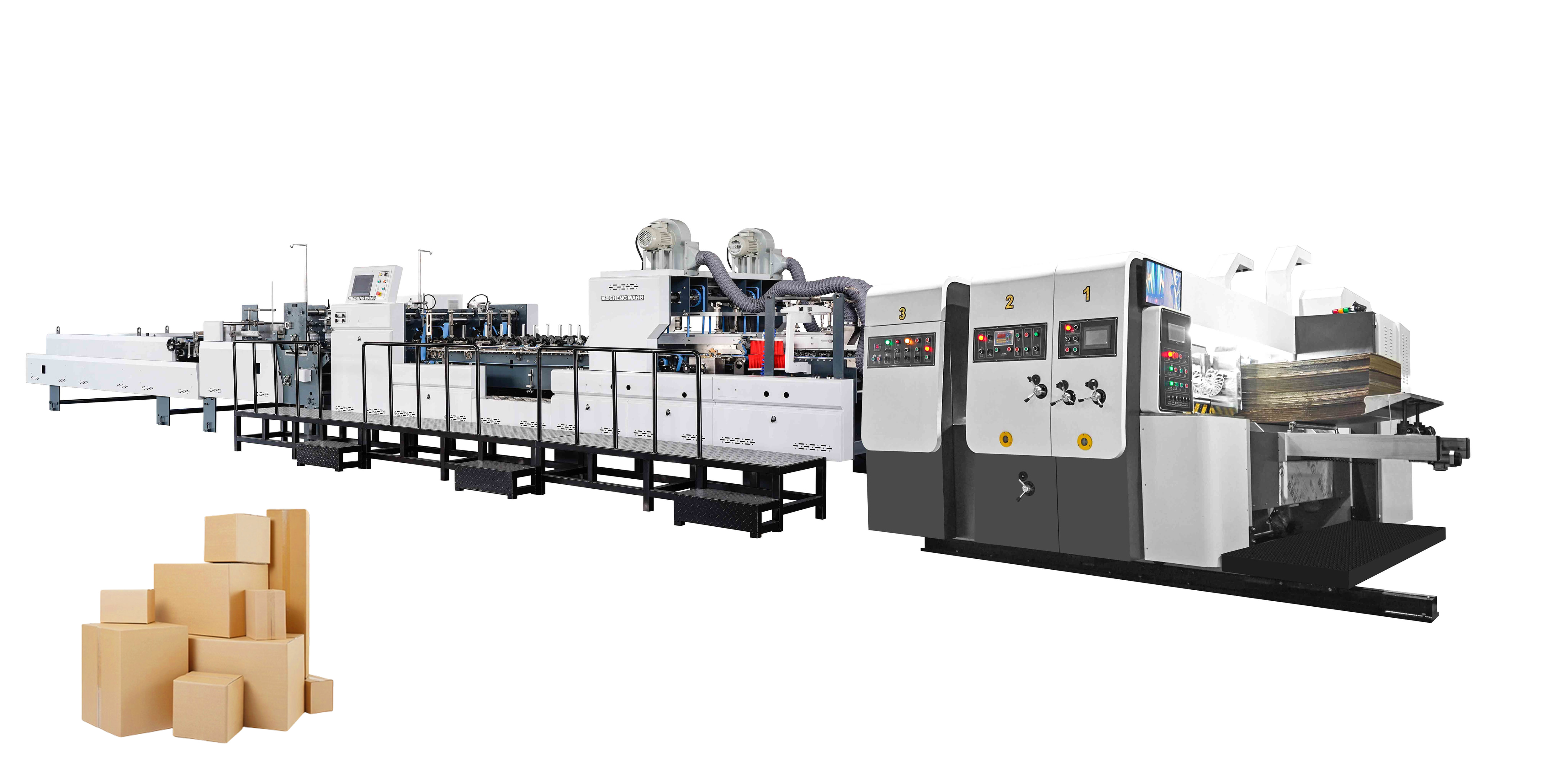
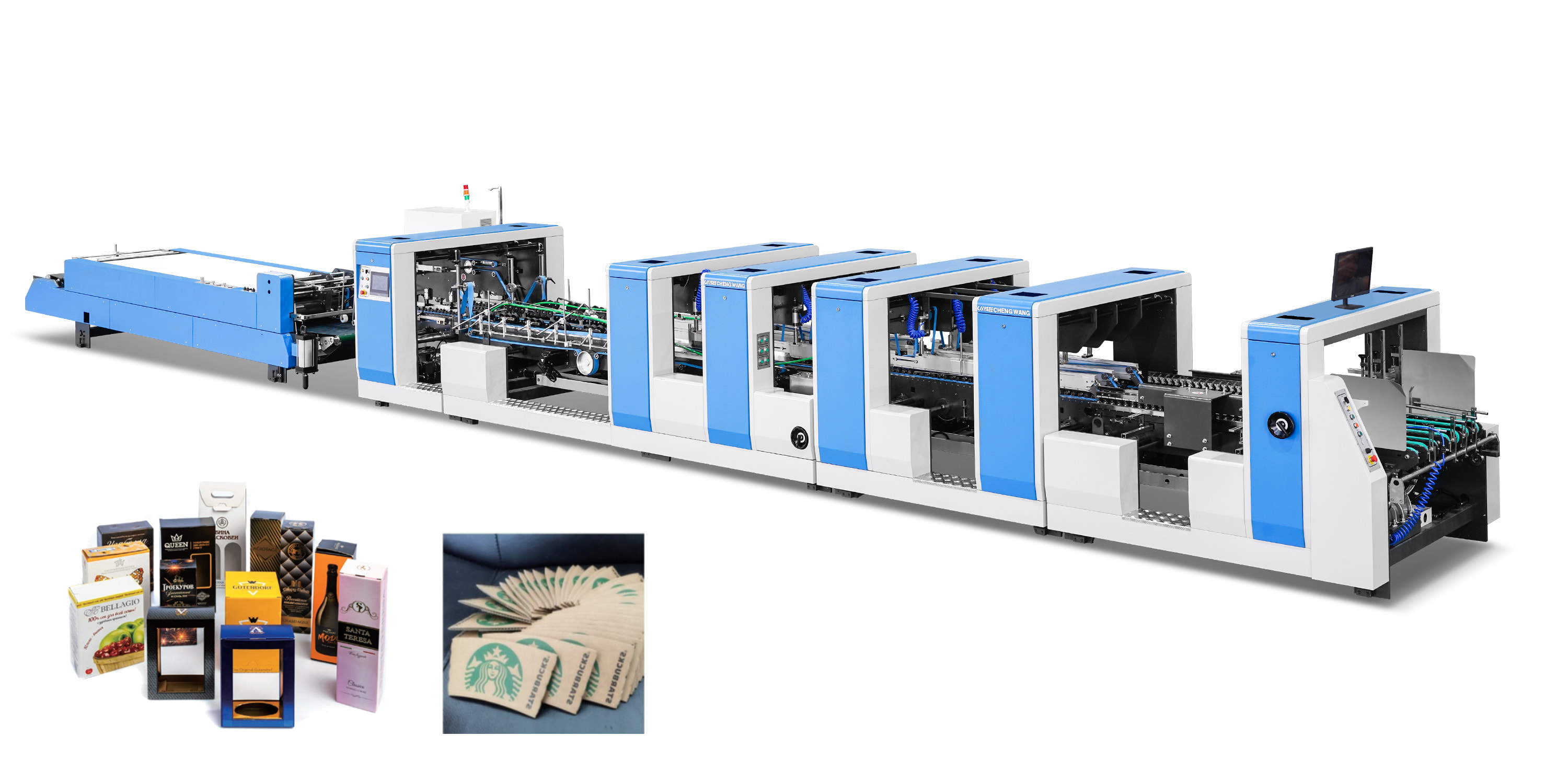
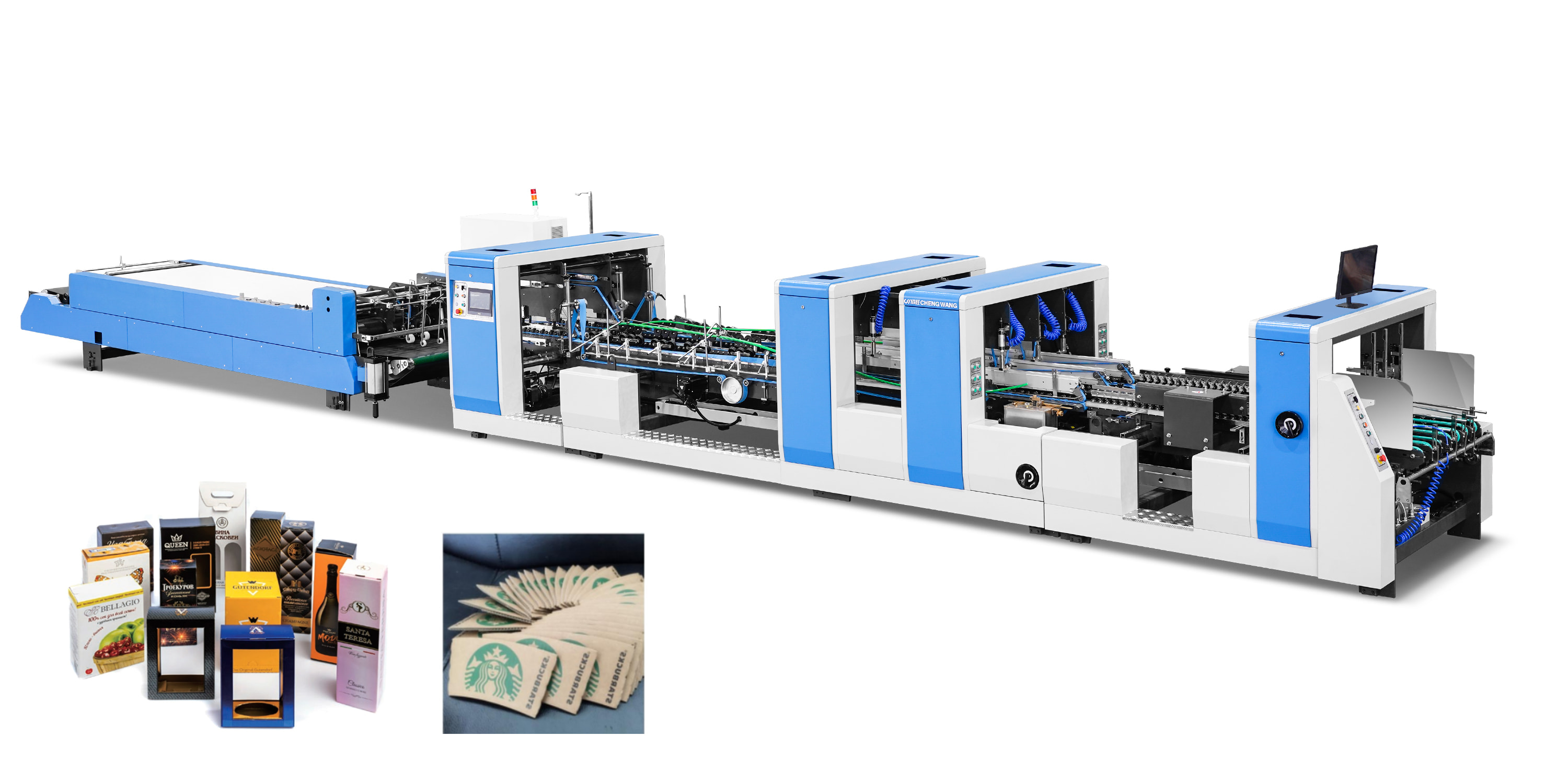
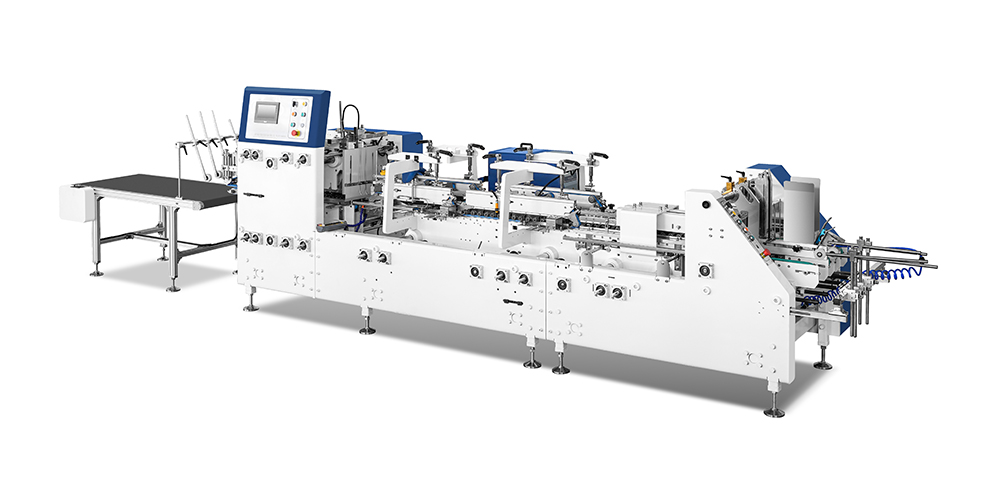
A Folder Gluer Machine is a specialized piece of equipment used in the packaging industry to fold and glue paperboard or corrugated board into completed box shapes. It takes flat die-cut sheets, often called blanks, and transforms them into three-dimensional cartons through a continuous automated process.
The machine performs several actions in sequence. It folds the board along pre-creased lines and applies adhesive to the areas that need to be joined. Once the surfaces come together under pressure, the glue bonds the parts to form a stable box structure. This process allows packaging producers to create a wide range of box styles efficiently.
In many production settings, the Folder Gluer Machine sits toward the end of the line, after printing and die-cutting have been completed. Its main task is to turn flat material into functional packaging that can hold products securely during transport and storage.
How Does a Folder Gluer Machine Work?
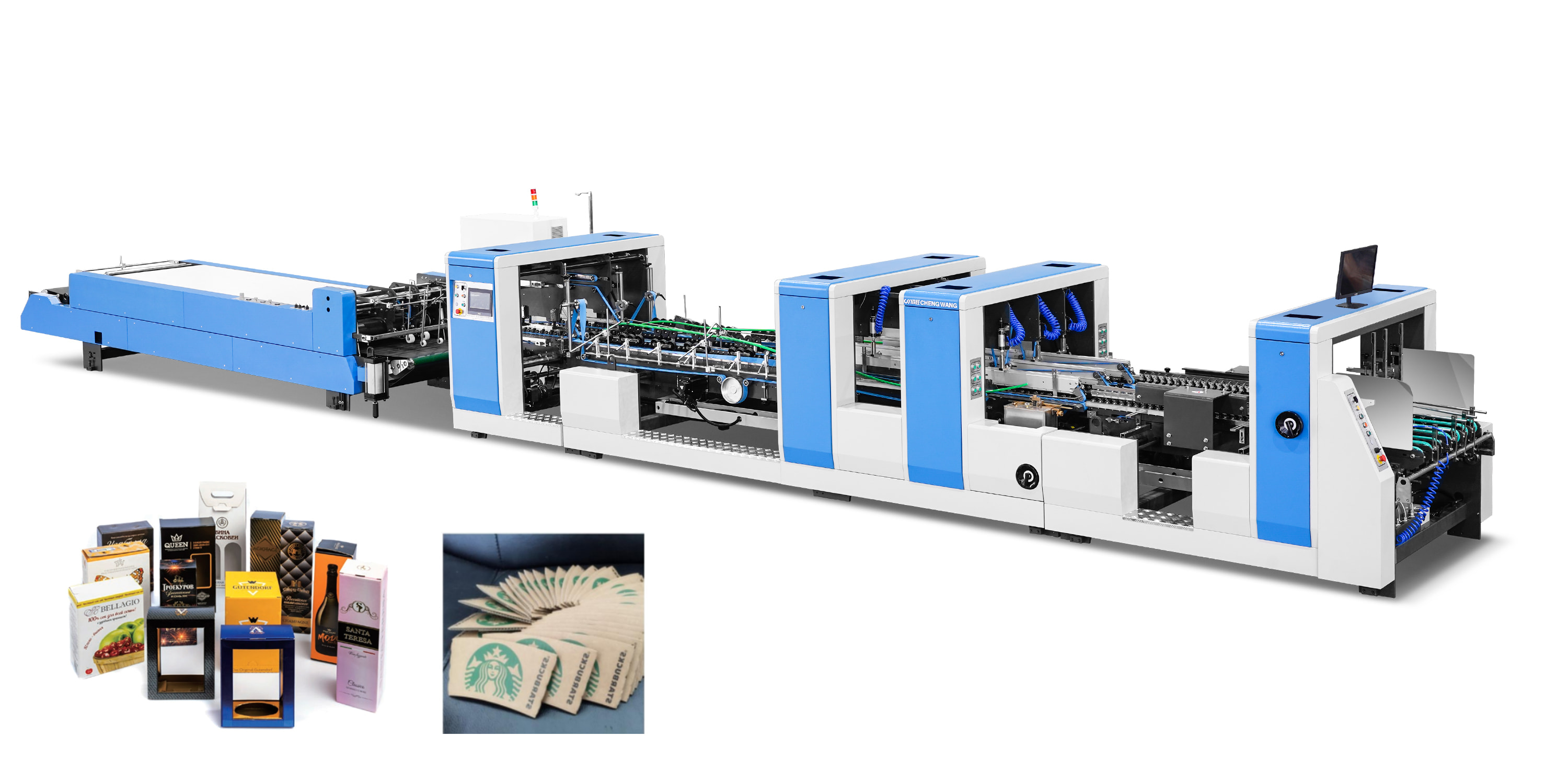
The working process of a Folder Gluer Machine follows a logical sequence. Flat blanks are loaded into the feeder section at the beginning of the machine. From there, they move forward one by one or in small groups. Alignment guides make sure each blank is positioned correctly before it enters the folding area.
As the blank travels through the machine, folding rails and moving belts gradually bend the side panels and flaps along the score lines. The folding happens step by step to prevent cracking or damage to the board. At the right moment, gluing units apply adhesive to the designated flaps or tabs.
After glue is applied, the folded sections are brought together in the compression area. Pressure is applied to help the adhesive set and create a firm bond. Once the box is formed, it moves to the delivery section where finished cartons are stacked or sent onward for packing.
The speed of the machine can be adjusted depending on the complexity of the box design and the type of board being used. Operators watch the process closely to ensure smooth movement and accurate folding throughout the run.
How Does a Folder Gluer Machine Combine Folding and Gluing?
One of the main strengths of a Folder Gluer Machine is its ability to combine folding and gluing into a single continuous operation. Rather than handling these two steps separately, the machine coordinates them so they happen almost at the same time as the blank moves forward.
While the panels are being folded by the rails and belts, the gluing system applies adhesive precisely where the seams will meet. This timing is important because the glue needs to be fresh when the surfaces come into contact. The machine uses sensors and guides to control the exact position of each section during the process.
This combined approach reduces the number of times the material has to be handled. It also helps maintain better alignment between folding and gluing, which leads to cleaner seams and stronger finished boxes. The integration of both functions in one machine allows packaging lines to operate more smoothly and with fewer interruptions.
Key Components of a Folder Gluer Machine
Several important sections work together inside a Folder Gluer Machine. The feeder unit supplies blanks into the machine at a controlled rate. Alignment systems then correct any slight shifts in position to ensure accurate folding later.
The folding section contains adjustable rails, belts, and hooks that guide the different panels into their final positions. Gluing stations, which may use wheels, nozzles, or other application methods, place adhesive exactly where it is needed. The compression section applies even pressure to help the glue bond properly.
At the end of the machine, the delivery unit collects the finished boxes and prepares them for the next stage of production. Each component must be properly adjusted according to the specific box style and board thickness being processed.
| Section | Main Function | Key Actions Performed |
|---|---|---|
| Feeder | Supplies blanks into the machine | Controls feeding speed and spacing |
| Alignment | Corrects position of each blank | Ensures accurate entry into folding area |
| Folding | Bends panels along score lines | Uses rails and belts for gradual folding |
| Gluing | Applies adhesive to joining areas | Places glue on flaps or tabs |
| Compression | Presses glued surfaces together | Helps adhesive form strong bonds |
| Delivery | Collects finished boxes | Prepares cartons for stacking or packing |
Types of Folder Gluer Machines in Use
Different types of Folder Gluer Machines are used depending on the styles of boxes required. Straight-line Machines are common for standard cartons that fold in one main direction. These machines handle many everyday packaging formats efficiently.
Crash-lock bottom machines are designed for boxes that need more complex base structures with self-locking features. Multi-point gluing machines work on designs that require adhesive in several locations. Some machines are built specifically for larger formats or unusual shapes.
Box Folder Gluer Machine is widely used when producing rigid or heavier cartons that need extra strength at the seams. Each type has its own setup requirements and is chosen according to the production volume and box specifications of the packaging line.
Why Packaging Lines Use Folder Gluer Machines
Packaging lines use Folder Gluer Machine because they bring folding and gluing together in one efficient process. In modern production, speed and consistency are important. The machine allows flat board to be turned into finished boxes without the need for many separate manual steps.
By handling both folding and gluing automatically, the equipment helps maintain steady output across long production runs. It also reduces the chance of misalignment that can occur when these tasks are done by hand or on separate machines. Packaging producers rely on Machines to meet the need for uniform boxes that can protect products during transport and storage.
Another reason is flexibility. Many Machines can be adjusted to handle different box styles and sizes. This makes it easier for packaging lines to switch between orders without major delays. The ability to run various designs on the same equipment supports smoother workflow in busy production environments.
The Role of Box Folder Gluer Machines in Modern Production
Box Folder Gluer Machines hold a key position in the production of rigid and corrugated cartons. These machines are particularly useful when stronger seams and precise folding are required for heavier or larger boxes.
In many facilities, Box Folder Gluer Machine work alongside other equipment to complete the final forming stage. They help turn printed and die-cut sheets into boxes that are ready for filling, sealing, and shipping. Their steady performance supports the overall flow of the packaging line and helps keep finished goods moving forward without unnecessary stops.
The contribution of Box Folder Gluer Machine becomes especially clear when production involves a mix of standard and custom box designs. Their ability to handle different board types and folding patterns makes them a practical choice for manufacturers who need to respond to varied customer requirements.
Operational Considerations for Folder Gluer Machines
Running a Folder Gluer Machine requires attention to several practical details. Operators need to set up the folding rails, gluing units, and compression section correctly for each new box style. Proper alignment at the beginning of the run helps prevent problems later in the process.
Regular checks during operation are important. Operators watch for consistent glue application, smooth folding without cracking, and even pressure in the compression area. Adjustments may be needed if the board thickness changes or if the box design has complex flaps.
Maintenance also plays a part in daily operation. Keeping belts clean, checking glue systems, and ensuring guides move freely helps the machine run reliably over time. Good operational practices support consistent box quality and reduce interruptions on the packaging line.
- Correct setup of folding rails for each job
- Monitoring glue placement and amount
- Checking alignment throughout the run
- Making timely adjustments when switching box styles
- Integration of Machines in Packaging Lines
Folder Gluer Machines are usually integrated toward the end of packaging production lines. They receive flat blanks from the die-cutter and deliver finished boxes to the next stage, whether that involves packing, palletizing, or direct shipment.
Smooth integration depends on good coordination between the folder gluer and other equipment. Conveyor systems, speed controls, and transfer points must be arranged so that material flows without piling up or causing delays. Many lines use sensors to monitor the pace and keep the entire process balanced.
When properly integrated, the Machine helps the whole line operate as a connected system. It supports the transition from flat board to formed packaging, allowing products to move efficiently from production to final distribution.
Future Trends Affecting Folder Gluer Machine Development
Several developments continue to influence how Folder Gluer Machine are designed and used. There is growing interest in machines that can handle a wider range of board types and box styles with shorter setup times. Easier changeovers between jobs help packaging producers respond more quickly to different orders.
Improvements in control systems allow operators to monitor folding accuracy and glue application more closely during production. Some newer approaches focus on reducing waste and improving energy use while maintaining output levels.
Another area of attention is the ability to work with different adhesive types and board surfaces. As packaging materials evolve, Machines need to adapt to maintain reliable performance. These ongoing changes shape how the equipment develops to meet the needs of packaging lines in the years ahead.
Zhejiang Chengwang Intelligent Packaging Equipment Co., Ltd. has been contributing to the field through continued focus on practical machine design and reliable operation support for folder gluer systems.
Folder Gluer Machines remain an essential part of packaging production. From basic folding and gluing to full integration in modern lines, they help turn flat materials into functional boxes. Their role continues to develop alongside changes in packaging requirements and production methods.
Recommended Products
Focus on providing high-quality folder-gluing equipment to customers around the world.



No.3888, Jiangnan Avenue, Nanbin Street, Ruian City, Wenzhou City, Zhejiang Province, China







Privacy Policy Copyright © Zhejiang Chengwang Intelligent Packaging Equipment Co., Ltd.
High Speed Folder Gluer Factory