English
 русский
 Français
 Español
 Deutsch
Why Does Alignment Matter When Using a High Speed Folder Gluer
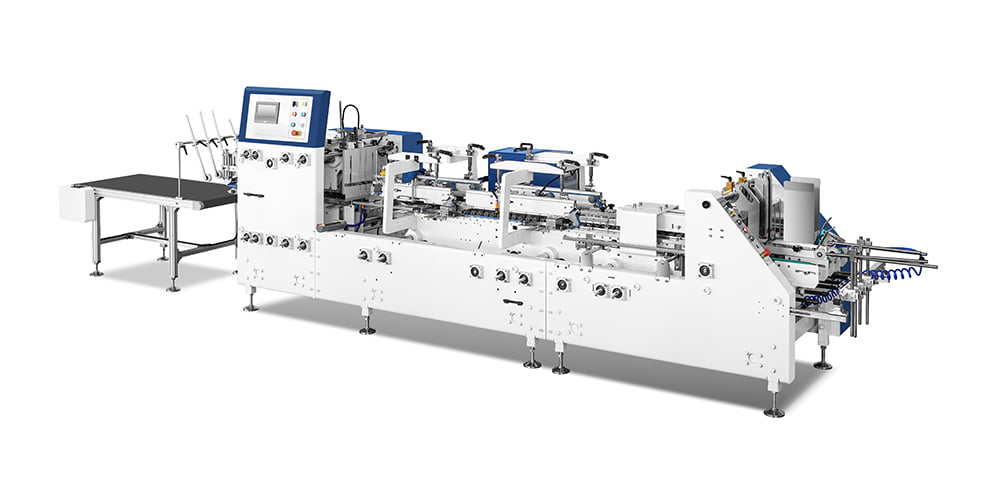
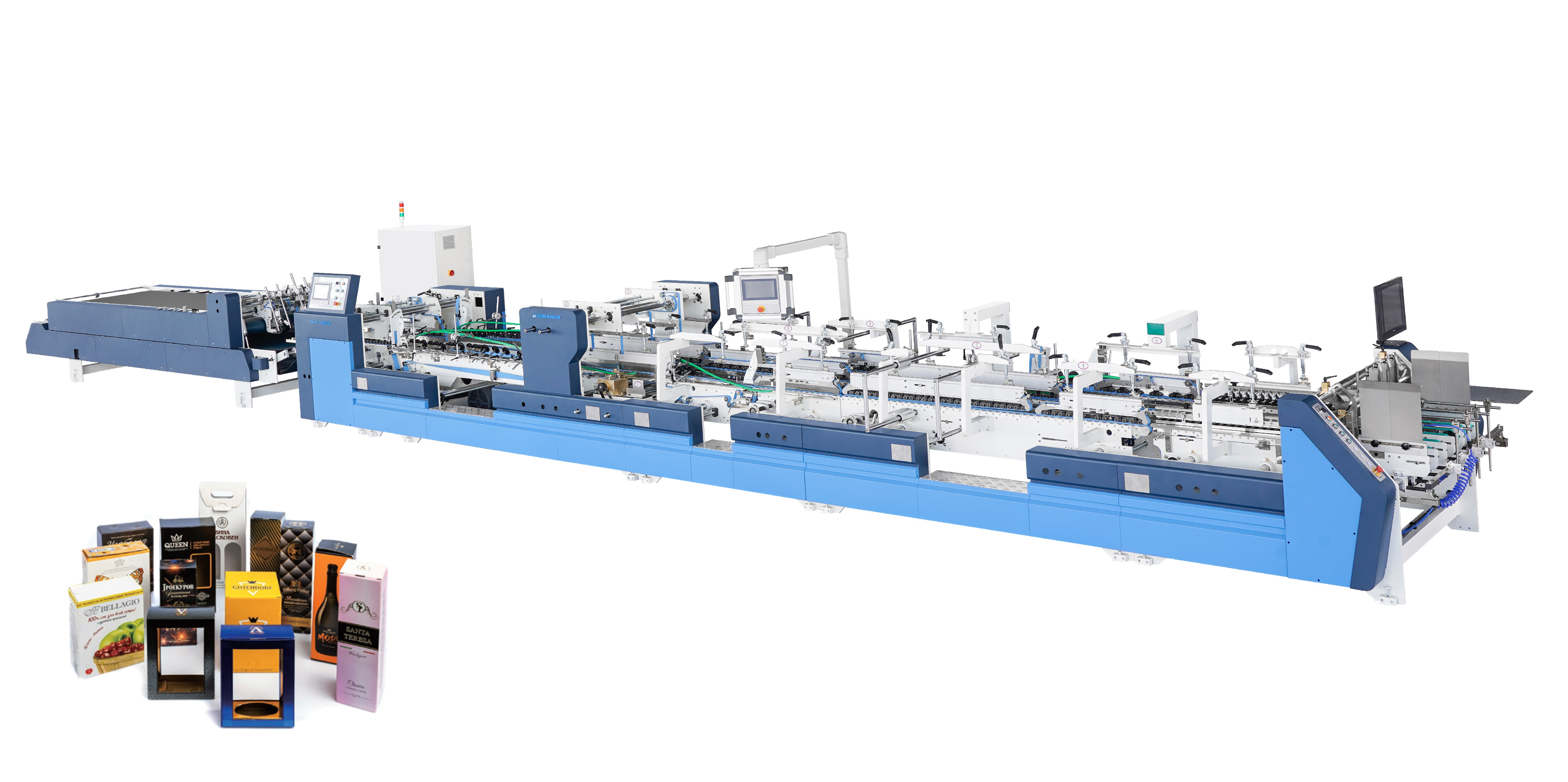
In real packaging work, alignment is not something operators always think about directly, but it quietly decides how smooth the whole process will feel. When a High Speed Folder Gluer is running, sheets move through feeding, folding, and gluing in one continuous path. If the material starts slightly off track, that small shift rarely stays small for long.
A Folder Gluer Machine is built to keep movement steady, even when production is continuous and fast. Still, steady machine motion alone does not guarantee stable output. The way material enters and stays in position matters just as much as the machine speed itself.
Alignment here is not a complex idea. It simply means the material follows the expected path without drifting left or right. When that happens, folding and gluing naturally match the intended shape. When it does not, the machine still works, but the carton shape may slowly lose consistency.
In many workshops, alignment is not checked only once. It is something that is indirectly watched all the time through how the material behaves during flow.
How Material Feeding Position Influences Alignment Stability
Everything starts at the feeding point. This is where sheets or blanks enter the Folder Gluer Machine, and where the first direction decision is made. If the entry is slightly off, the rest of the process simply follows that deviation.
In daily operation, small things often affect feeding more than expected:
- Material not resting evenly before entry
- One side touching the guide slightly earlier
- Sheets sliding a little before being fully caught
- Minor angle changes during pickup
None of these situations usually stop production. The machine continues running, but the material begins its journey with a small offset.
Once that happens, the system tries to correct movement naturally through guides and rollers. Sometimes it works smoothly, sometimes the offset slowly carries forward into later stages.
Why Timing And Movement Synchronization Matter In Continuous Operation
A High Speed Folder Gluer does not work in separate steps. Everything is connected in motion. Feeding, folding, and gluing are all happening almost at the same time, just at different points along the line.
Because of that, timing becomes part of alignment in a practical sense.
If one section moves slightly ahead while another is still adjusting, the material may not arrive exactly where it should. Over time, this creates a chain reaction where small timing differences turn into position differences.
A simple way operators describe it is:
- If timing feels steady, alignment feels easier to maintain
- If timing feels slightly uneven, material position becomes harder to predict
- The machine itself continues running, but the “feel” of the process changes.
- How Folding Sections Depend On Correct Alignment
Folding is where the material starts taking its final shape. At this point, alignment becomes more visible because the structure is being formed, not just moved.
When alignment is stable:
- Both sides of the fold meet at a similar moment
- The edges move in a balanced way
- The shape holds without twisting
When alignment shifts slightly:
- One side may fold earlier than the other
- Edges may not meet evenly
- The shape may look slightly uneven when leaving the section
These changes are often small at first. They might not stop production, but they can slowly affect how consistent the finished cartons look and behave.
What Happens When Glue Application Is Not Properly Aligned
Glue application is closely linked with folding movement. If the material is not in the right position when glue is applied, even a stable glue system cannot fully compensate.
In practical situations, misalignment can lead to:
- Glue landing slightly away from the fold line
- Bonding pressure not matching both sides equally
- Extra glue appearing in non-contact areas
- Some sections sealing more tightly than others
The machine continues its cycle, but the bonding pattern becomes uneven. This is usually noticed later during handling rather than during operation.
How Conveyor System Design Supports Alignment Control
The conveyor system does not shape the material, but it quietly guides everything forward. Its role is more about direction than transformation.
In normal operation, the conveyor helps by:
- Keeping movement in a straight line
- Supporting material during transitions between sections
- Reducing side drift during transport
- Maintaining consistent pressure under moving sheets
When the conveyor behaves evenly, alignment feels easier to maintain. If pressure or movement becomes slightly irregular, the material may begin to drift without obvious warning.
| System Area | What It Influences | Typical Observation During Use |
|---|---|---|
| Feeding Entry | Starting position of material | Slight side shift before control |
| Conveyor Path | Direction stability | Small drift during movement |
| Folding Zone | Shape formation accuracy | Uneven folding edges |
| Glue Application | Bond placement | Offset bonding lines |
| Movement Timing | Synchronization between stages | Small delay between transitions |
How Wear And Small Mechanical Changes Influence Alignment Over Time
After a High Speed Folder Gluer runs for a long time, alignment behavior can start to feel slightly different, even if the machine still works normally. This is not usually a sudden change. It develops slowly through everyday use.
Small mechanical parts that guide the material may experience gradual changes in feel:
- Rollers may not feel as "tight" as when newly adjusted
- Guide rails may allow slightly more movement space
- Contact surfaces may develop uneven smoothness
- Minor looseness can appear in repeated stress points
None of these changes stop production. Instead, they create small shifts that only become noticeable when looking at consistency over longer runs.
In many workshops, operators do not describe it as a fault. They often say the machine still runs, but alignment needs a bit more attention than before.
How Operator Habits Affect Alignment Stability In Daily Work
Even when a Folder Gluer Machine is well set, operator habits still play a role in alignment behavior. Small differences in setup or handling can slowly influence how material flows.
Common real-world habits include:
- Adjusting guides slightly differently between shifts
- Feeding material with small variations in angle
- Reacting early or late to minor drift
- Relying on visual judgment instead of fixed reference points
These actions are normal in production environments. Over time, they create subtle differences in how alignment is maintained.
In some cases, one operator may consistently produce smoother flow simply because of repeated familiarity with the same adjustment pattern.
How Long Production Runs Reveal Alignment Behavior
During short operation periods, alignment issues may not be easy to notice. The machine does not run long enough for small shifts to build up.
But during longer runs, patterns begin to appear:
- Material may slowly drift in one direction
- Folding consistency may change slightly over time
- Glue position may look less centered in repeated cycles
- Output shape may feel less uniform between early and later stages
This is not usually sudden. It builds step by step as small deviations repeat over many cycles.
Operators often recognize it not by measurement, but by comparison between early output and later output during the same run.
How Environmental Conditions Affect Alignment Behavior
The working environment around a High Speed Folder Gluer can also influence alignment in subtle ways. These effects are not always direct, but they become noticeable in continuous production.
Some typical environmental influences include:
- Air movement that slightly affects lightweight sheets
- Humidity that changes material stiffness
- Dust buildup affecting smooth roller contact
- Temperature changes influencing surface friction
When material properties change slightly, the way it moves through the Folder Gluer Machine also changes. Even small differences in stiffness or flexibility can affect how easily alignment is maintained.
How Material Behavior Changes With Repeated Handling
The material itself is part of the alignment system. Even if the machine stays consistent, different batches or repeated handling can affect how sheets move through the line.
In practice, material behavior may show:
- Slight differences in bending resistance
- Variation in how edges respond to guide pressure
- Small changes in sliding speed on conveyors
- Different reaction during folding contact
These variations are usually small, but in a continuous system, even small differences can influence alignment over time.
How Maintenance Timing Influences Alignment Consistency
Maintenance is not only about fixing issues. It also affects how alignment behaves during daily operation.
When maintenance is done regularly:
- Movement between parts stays more predictable
- Guides maintain consistent contact pressure
- Conveyor flow remains smoother over long periods
- Small deviations are easier to control early
When maintenance is delayed:
- Minor wear becomes more noticeable in alignment
- Adjustments need to be made more often during operation
- Stability may vary between production sessions
It is often not a single worn part that causes change, but the combined effect of several small areas slowly shifting together.
How Small Alignment Shifts Appear In Finished Output
Alignment changes are not always visible during machine operation. Many times, they become clearer in the finished cartons.
Typical signs include:
- Edges that do not fully match when folded
- Slight shift in printed area position after folding
- Uneven closure pressure when carton is formed
- Small differences between repeated outputs
These signs usually appear gradually rather than all at once. Operators often notice them by comparing current output with earlier results from the same machine setting.
How Operators Adjust To Keep Alignment Stable During Production
Instead of stopping production, most adjustments are made while the High Speed Folder Gluer is still running. This is part of normal workflow in many production environments.
Common adjustments include:
- Slight guide repositioning during operation
- Small conveyor pressure corrections
- Feeding angle correction based on visual flow
- Minor timing tweaks between sections
These actions are usually small and continuous. The goal is not to reset the machine, but to bring material flow back into a steady path.
How Alignment Becomes A Shared Result Of Many Small Factors
By the end of long operation cycles, alignment is no longer controlled by one single factor. It becomes the result of many small influences working together.
These include:
- Machine condition over time
- Operator handling habits
- Material consistency
- Environmental conditions
- Timing between moving sections
When these factors stay balanced, alignment feels natural and steady. When one or more of them shifts, the change slowly appears in the output.
In everyday use of a High Speed Folder Gluer, alignment is not something fixed at the beginning and forgotten. It is something that continues to move with the machine, the material, and the people operating it.
A Folder Gluer Machine may continue running without interruption, but alignment quality depends on how all these small elements behave together over time. In real production environments, it is this quiet interaction that shapes consistency more than any single adjustment point.
Recommended Products
Focus on providing high-quality folder-gluing equipment to customers around the world.



No.3888, Jiangnan Avenue, Nanbin Street, Ruian City, Wenzhou City, Zhejiang Province, China







Privacy Policy Copyright © Zhejiang Chengwang Intelligent Packaging Equipment Co., Ltd.
High Speed Folder Gluer Factory