English
 русский
 Français
 Español
 Deutsch
How Does Automatic Folder Gluer Support Stable Carton Shaping During Production
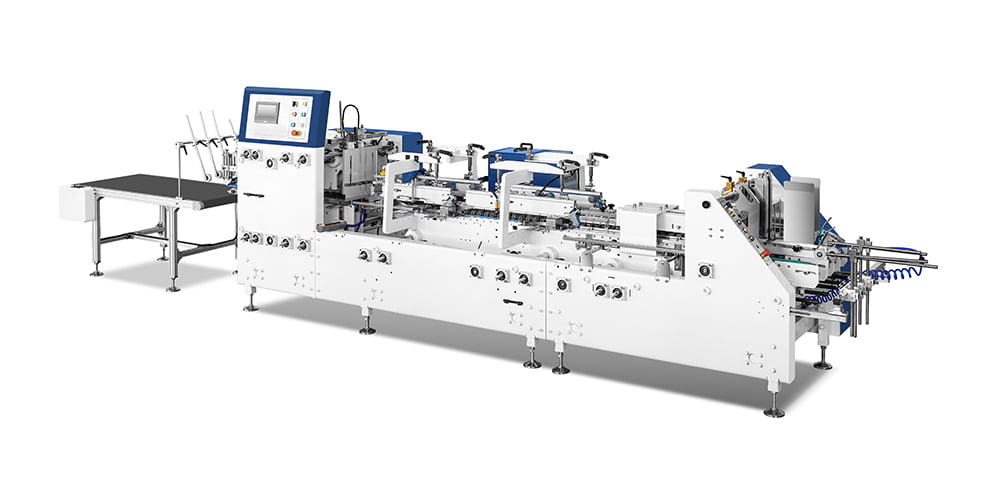
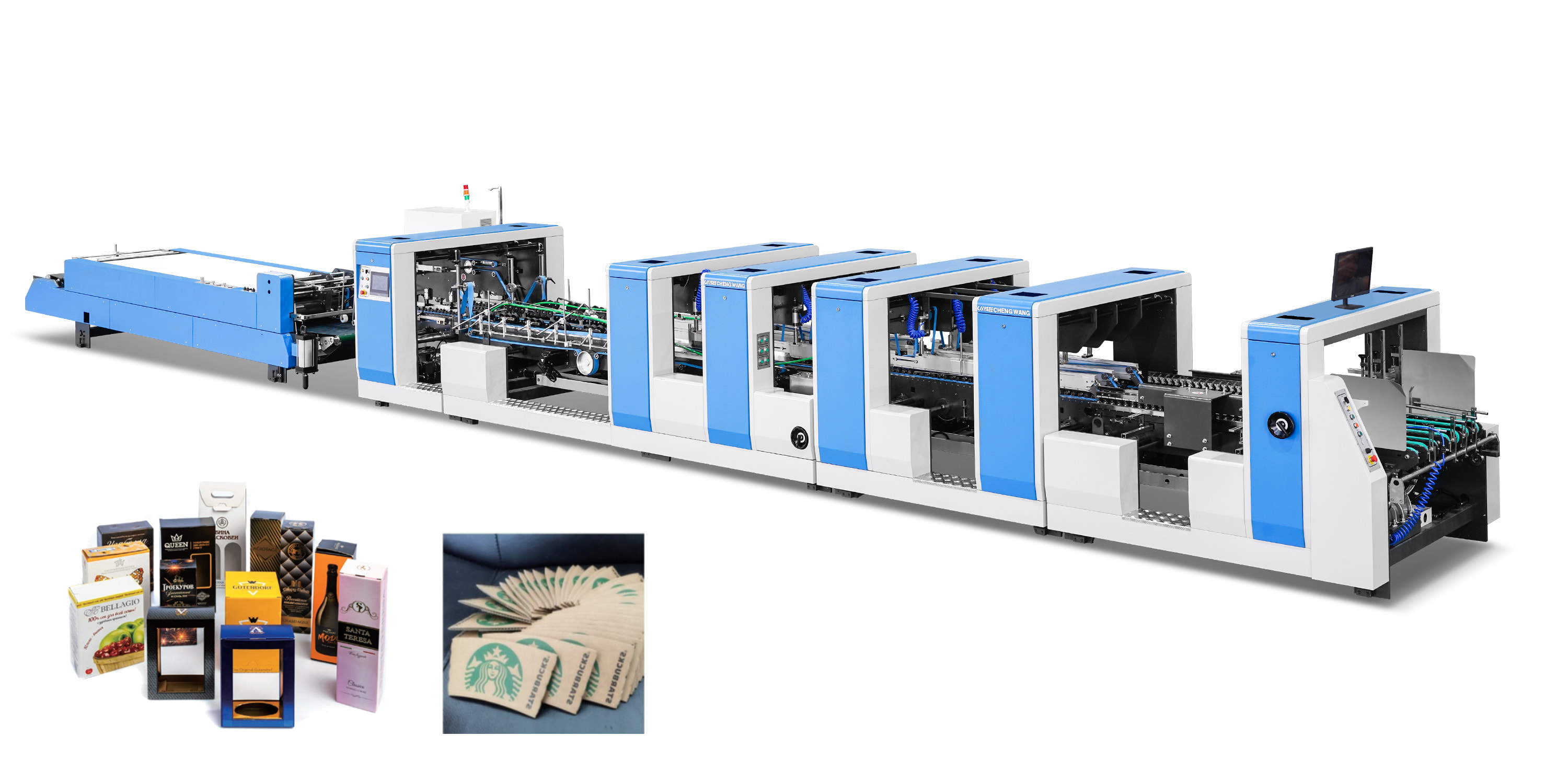
Carton shaping inside a production line depends on small mechanical actions repeating at high speed. When those actions stay consistent, folded boxes keep their structure from the first unit to the last. An Automatic Folder Gluer works inside this environment as a sequence of controlled stages rather than a single folding step.
Flat die-cut blanks enter the system and move through multiple guided zones. Each zone adjusts position, pressure, or direction. The goal stays simple in concept: keep the carton geometry stable while transformation happens from flat sheet to formed box.
In real packaging lines, shape variation leads to stacking issues, transport imbalance, and inconsistent sealing. Stability in folding becomes a shared responsibility across feeding, alignment, folding, glue application, and compression stages.
How Automatic Folder Gluer Builds A Controlled Multi Stage Folding Path
A carton does not become stable through one action. Movement inside an Automatic Folder Gluer follows a linked structure of mechanical modules. Each module handles a specific stage of transformation.
Blank sheets travel forward through synchronized sections. Motion is continuous, without interruption between stages. Timing between sections matters more than isolated strength in any single part.
Main flow characteristics include:
- continuous transfer of blanks through linked modules
- mechanical synchronization between feeding and folding zones
- guided movement preventing side drift or rotation errors
- gradual transition from flat form to folded geometry
Each stage prepares conditions for the next. When one stage shifts position slightly, later stages still depend on corrected alignment from earlier modules.
Feeder And Alignment Section As The First Shape Correction Stage
Feeding begins the entire shaping process. Flat blanks must enter the system in a stable and centered position. Small deviations at this stage may grow into larger structural errors later.
Vacuum suction assists in pulling each blank into the correct path. Feed rollers guide movement forward while maintaining steady contact. Combined action reduces uneven entry speed and helps keep orientation stable.
Secondary alignment units act after initial feeding. At this point, edge deviation such as slight skew or lateral shift can be corrected. Mechanical guides adjust position before folding begins.
Common correction functions include:
- straightening blank path during entry
- correcting edge misalignment before folding
- reducing "fish-tail" deviation along side edges
- stabilizing corner orientation for square formation
| Entry Condition | Alignment Response | Output Position |
|---|---|---|
| Slight offset | Guided correction | Centered path |
| Edge drift | Mechanical correction | Restored alignment |
| Irregular feed | Stabilized feed | Controlled entry |
Early correction reduces stress on later folding modules and improves overall dimensional consistency.
Pre Breaking Mechanism And Material Stress Preparation
Paperboard does not bend freely without resistance. Internal fiber structure creates stiffness, especially along fold lines. Pre breaking changes how material reacts before strong folding force appears.
Light bending occurs along selected crease lines. First and third folds receive controlled soft deformation. The goal is not full folding, only preparation of material memory.
Fiber tension begins to relax during this stage. Once stiffness reduces, later folding requires less force and creates less distortion.
Main effects include:
- reduction of resistance along fold lines
- preparation of fiber flexibility
- lower stress during later folding
- smoother transition into shaping modules
Material behavior becomes more predictable after pre breaking. Folding guides later in the system can then operate with less force variation.
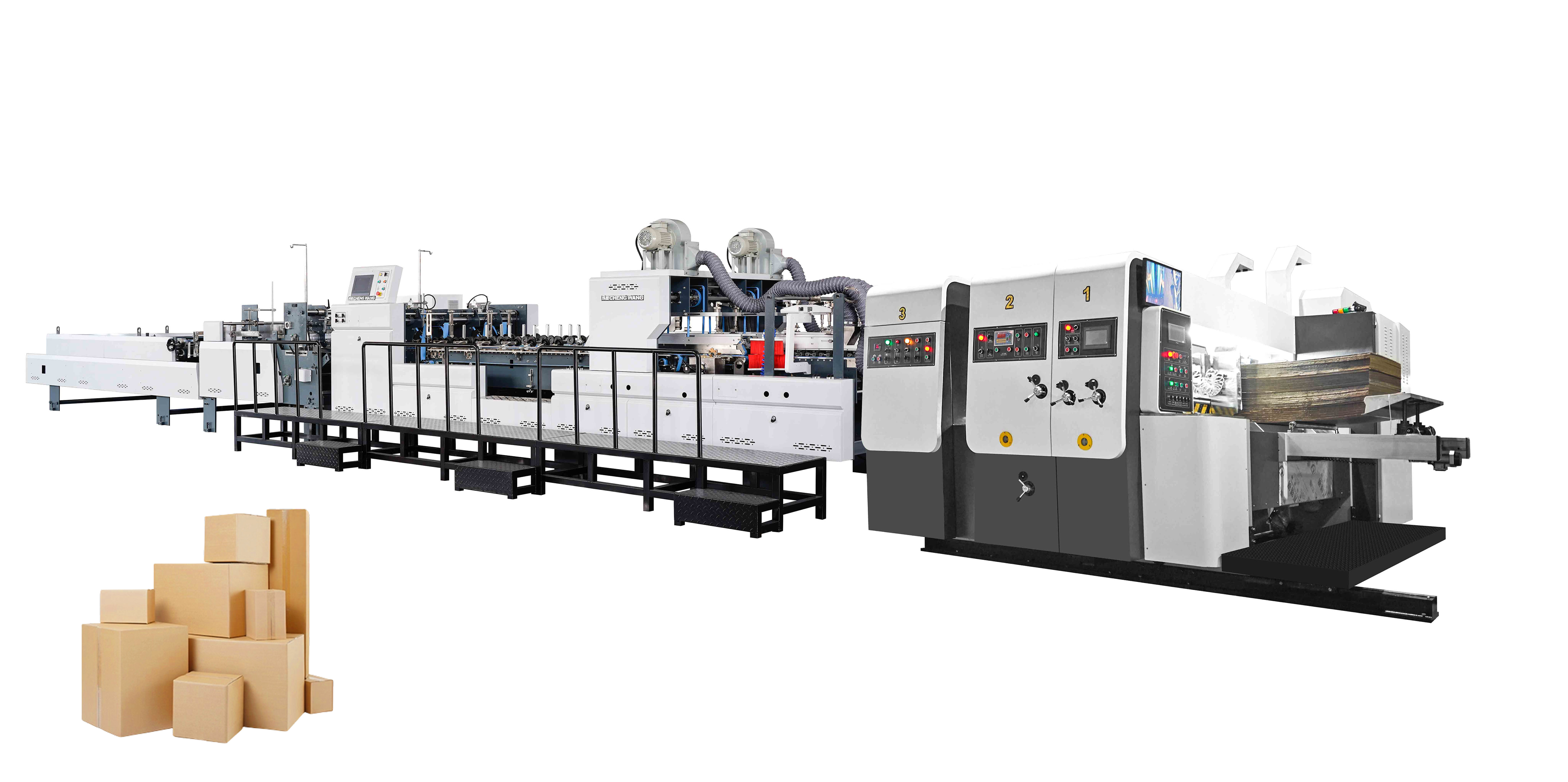
Synchronized Folding Guides And Continuous Shape Control
After material preparation, folding becomes a coordinated movement. Folding guides work with side belts and servo-driven arms to shape carton flaps into position.
Movement is continuous rather than step-based. Each flap is guided through a controlled path. Timing between left and right folding actions remains synchronized to avoid uneven pressure.
Key control behavior includes:
- steady flap positioning during motion
- synchronized left and right folding paths
- prevention of buckling during direction change
- continuous adjustment during high-speed operation
At this stage, geometry begins to take final shape. Stability depends on coordination between speed and guidance accuracy.
Controlled Glue Application And Structural Bond Definition
Adhesion defines final structural integrity. Glue placement influences how edges meet and hold under pressure.
Application systems deposit adhesive along precise lines. Placement must match fold edges so contact occurs evenly during closing motion. Misplaced adhesive can shift balance and affect symmetry.
Glue types vary in behavior, yet application principle stays similar: consistent line placement across moving material.
Important functions include:
- precise adhesive line positioning
- synchronization between glue timing and flap arrival
- control of adhesive quantity along edges
- alignment of bonding zones before compression
Adhesive placement acts like a guiding path. Folding direction naturally follows the glue line during contact.
Compression Section And Final Structural Locking Stage
After folding and glue application, carton structure remains unstable for a short transition period. Compression stabilizes final shape.
A belt system applies steady pressure across glued surfaces. Pressure remains even along moving cartons, avoiding sudden force peaks. Air gaps between surfaces are removed gradually.
Structural stabilization includes:
- uniform pressure across folded surfaces
- removal of trapped air pockets
- reinforcement of bonding contact area
- stabilization of final geometry
Pressure behavior across time can resemble gradual stabilization. Initial adjustment is stronger, followed by steady reduction as structure becomes fixed. Once bonding completes, shape remains stable through transport and stacking stages.
Material Behavior During Folding And Structural Formation
Carton board reacts in a gradual way during folding. Fiber direction inside the sheet, surface treatment, and local stiffness create differences in how each area bends. Once the blank enters later stages of an Automatic Folder Gluer, material response starts to define how stable the final shape becomes.
After pre breaking, fold lines become easier to bend, yet surrounding areas still keep some resistance. That difference creates a balance that must be guided carefully during folding and bonding stages.
During real operation, several behaviors can be observed:
- fold lines bend with reduced resistance
- edges near crease zones still hold partial stiffness
- material briefly rebounds before glue fixes position
- alignment depends on steady mechanical guidance
Compression then removes small gaps between surfaces. Pressure spreads across bonded areas and helps lock the geometry into place. Once stabilized, carton shape becomes less sensitive to small external force during handling.
Speed Influence On Carton Shape Stability
Production speed changes how every stage behaves inside the machine. When movement becomes faster, each module has less time to correct small deviations. That creates a tighter connection between timing and structure.
At steady speed, folding motion stays predictable. Carton flaps follow guide paths with less variation. Glue application and compression also stay in sync with material movement.
When speed increases, some differences appear:
- folding paths require quicker correction response
- edge alignment becomes more sensitive
- adhesive timing must match moving contact points
- compression phase depends more on consistent pressure balance
Over time, operators often notice that stable carton shape depends less on speed itself and more on how evenly all stages stay synchronized under that speed.
Role Of Folder Gluer Factory In System Calibration
A Folder Gluer Factory contributes not only equipment production but also adjustment of machine behavior for different carton structures. Each carton type places different demands on folding path, pressure level, and glue placement accuracy.
Calibration work often focuses on matching mechanical motion with material behavior. Thicker boards may require stronger pre breaking action. Lighter materials respond better to gentler folding pressure. Glue positioning may also shift slightly depending on structural design.
Factory adjustment usually involves:
- setting alignment sensitivity in feeding zone
- adjusting folding guide timing for flap movement
- balancing glue output with fold contact position
- tuning compression force for stable bonding
This adjustment process helps the machine behave in a way that matches real production needs instead of a fixed mechanical pattern.
System Integration Across Packaging Lines
An Automatic Folder Gluer rarely works alone. It sits inside a larger production flow where materials move from one stage to another without interruption. Before entering the machine, blanks are prepared in earlier cutting and forming processes. After folding and bonding, cartons continue toward stacking and packing systems.
Smooth integration depends on consistent timing between machines. If feeding speed does not match upstream supply, alignment may shift. If downstream stacking is not synchronized, carton shape may experience unnecessary pressure after formation.
In real environments, stable integration shows several characteristics:
- continuous material transfer without stop-start movement
- stable orientation from entry to exit
- reduced manual adjustment between machines
- consistent carton flow across production stages
When integration remains balanced, folding stability becomes easier to maintain even during long operating periods.
Practical View On Long Term Carton Stability
Carton stability after processing is not created by a single action. It develops through repeated coordination of feeding, alignment, folding, glue application, and compression. Each stage adds a layer of structural control.
In daily production, long term stability depends on how consistently these stages repeat their behavior. Small variations in alignment or pressure may not appear immediately, yet can influence stacking or transport performance later.
Important factors affecting long term results include:
- steady feeding alignment over continuous cycles
- consistent folding motion during repeated operation
- stable glue placement across all cartons
- even compression across bonded surfaces
When these conditions remain controlled, cartons keep their shape more reliably during handling and storage. The machine's role becomes a continuous shaping process where each stage supports the next, forming a stable structure through mechanical sequence rather than isolated force.
Recommended Products
Focus on providing high-quality folder-gluing equipment to customers around the world.



No.3888, Jiangnan Avenue, Nanbin Street, Ruian City, Wenzhou City, Zhejiang Province, China







Privacy Policy Copyright © Zhejiang Chengwang Intelligent Packaging Equipment Co., Ltd.
High Speed Folder Gluer Factory