English
 русский
 Français
 Español
 Deutsch
How To Adjust Folder Gluer Equipment For Different Box Structures
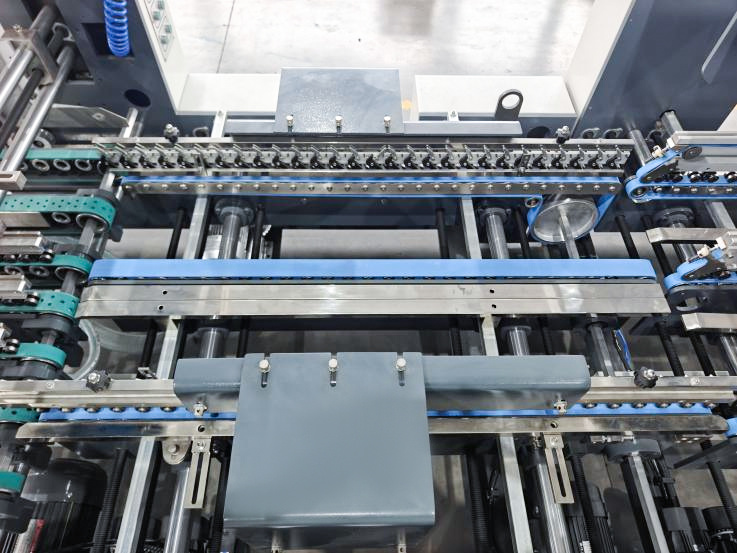
A packaging line handles many different box styles over the course of a week. Each product requires its own box dimensions, board type, and folding pattern. The machine that folds and glues these boxes needs adjustment each time the box changes. That adjustment process determines whether the boxes come out correctly formed or with crooked folds and weak glue joints.
Setting up a folding and gluing machine involves more than turning a few knobs. The operator must consider the box dimensions, the board material, the folding sequence required, and how the machine sections work together. Each box style presents its own challenges. A straight-line box folds differently from a lock-bottom box. A four-corner box requires multiple folding steps that a simple box does not need. The adjustment approach changes with each of these variations.
Folder Gluer Equipment handles a range of box sizes and styles, although the machine cannot adjust itself. The operator sets up each job based on the box specifications. That setup work includes positioning belts, setting glue applicators, adjusting folding rails, and timing the machine sections. Each adjustment affects how the box moves through the machine and how it emerges at the delivery end.
Operators check conditions before starting adjustments. They set belts and glue systems for different box structures. They time machine sections to work together. Practical adjustment procedures drive the work, not theoretical descriptions.
Why Box Structure Affects Machine Setup
Box dimensions are the starting point for any adjustment. Length determines how far the box travels between folding stations. Width affects the spacing between side guides and folding rails. Depth influences how the box sits on the carrier belt and how it enters the folding section. Each dimension changes the machine settings in different ways.
Board thickness and stiffness also affect adjustments. Thick board requires more force to fold and may need wider gaps between machine parts. Thin board folds easily but may buckle if the machine settings are too tight. The board's surface characteristics affect glue penetration as well. Porous board absorbs more glue, requiring heavier application.
The box style dictates the folding sequence. A straight tuck box folds along parallel lines. A lock-bottom box folds from multiple directions. A four-corner box requires folding operations on both ends before the main fold. The machine must follow the correct sequence for each style. That sequence determines how the folding rails and carriers are positioned.
| Box Characteristic | What It Affects During Setup |
|---|---|
| Length and width dimensions | Belt spacing and rail positions |
| Board thickness and stiffness | Gap settings and folding force |
| Folding sequence required | Carrier and rail arrangement |
| Glue flap location | Glue applicator positioning |
Operators who understand these relationships can set up the machine more quickly. They know what to adjust first and what follows. The setup order makes a difference because changing one setting often affects others.
What Operators Check Before Starting Adjustments
Preparation work saves time during the actual adjustment. Operators usually start by examining a sample of the box to be made. The sample shows the folding pattern, the glue flap location, and any special features like locking tabs or ventilation holes. That examination provides a clear picture of what the machine needs to do.
The machine condition receives attention before any settings change. Old glue residue on belts or carrier rails can affect box transport. Worn folding rails may not produce clean folds. The operator checks these areas and cleans or replaces parts as needed. A clean machine responds more predictably to adjustments.
Available tooling and accessories need verification. Some box styles require additional folding tools or special glue applicator tips. Lock-bottom boxes need forming tools that standard straight-line boxes do not require. Checking tool availability before starting the adjustment prevents delays later.
Board material characteristics also get reviewed. A new job may use a different board weight than the previous job. The operator considers how that change affects folding behavior and glue requirements. Thicker board needs different folding pressure. Coated board requires different glue type. These factors influence the adjustment settings.
How To Set Folding Belt Positions For Different Box Sizes
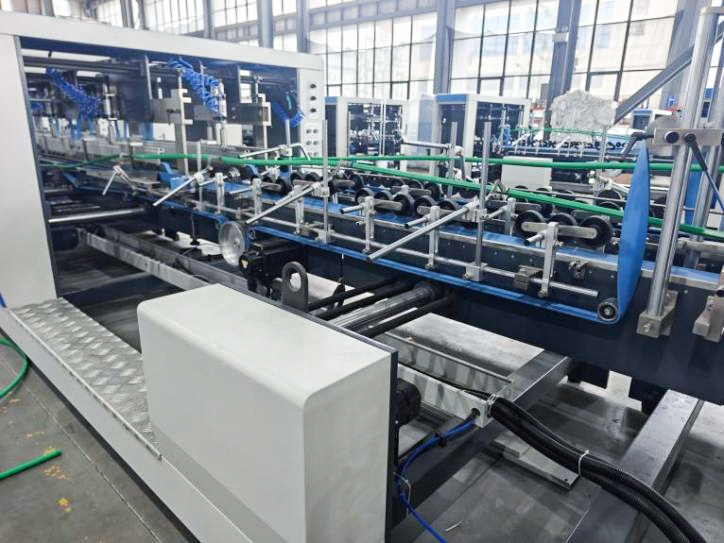
Belt positions determine how the box travels through the machine. Side guides hold the box in position as it moves forward. These guides adjust according to box width. The box should pass between the guides with a small clearance. Too much clearance allows the box to shift sideways. Too little clearance causes drag and may damage the box edges.
Upper and lower belts work together to transport the box through the folding section. The gap between these belts depends on board thickness. Thick board needs a larger gap. Thin board uses a smaller gap. The belts must contact the board firmly enough to move it without slipping. They must not press so hard that they crush the board or mark the surface.
Belt tension affects folding consistency. Loose belts may slip during folding, causing the fold to move out of position. Overly tight belts can stretch and wear prematurely. The operator adjusts tension to a point where the belts grip the board without excessive force. That tension setting varies with the board surface and weight.
Speed synchronization also matters. The folding belts must run at the same speed as the feed section. If the folding belts run faster than the feed, the box stretches. If they run slower, the box bunches up. Both conditions cause folding problems. The operator adjusts belt speed to match the box length and folding requirements.
How To Adjust Glue Application For Various Board Types
Glue application affects box strength and appearance. The glue pattern must match the flap design of the box. Some flaps need full glue coverage. Others use spot application. The glue applicator position and pattern setting must match the box style being run.
Board type influences glue amount. Porous board absorbs glue into its surface, requiring more adhesive to achieve a strong bond. Smooth, coated board holds glue on the surface, requiring less. The operator adjusts the glue flow based on the board characteristics. Too much glue causes oozing and slow drying. Too little glue results in weak bonds.
Application method varies with box style. Straight-line boxes use a continuous glue line along the flap. Lock-bottom boxes require glue on multiple surfaces. The operator may need to change glue applicators or adjust the glue pattern timing. Some machines have multiple applicators that turn on and off at specific points during box travel.
The folding speed affects glue application timing. Faster speeds require quicker glue application and faster drying. The operator considers speed when setting the glue system. The glue must be applied at the right moment during box travel. Early application may cause glue to transfer to other surfaces. Late application may miss the flap entirely.
How To Set Carrier And Folding Rails For Different Styles
Carrier rails hold the box flat as it moves toward the folding station. A box that lifts off the rails during transport will not fold straight. The operator adjusts rail height so the box stays in contact with the belts while allowing enough clearance for flaps to move freely.
Rail angle determines how the box panels bend. A box with shallow folds needs rails set at a gentle slope. A box requiring sharp folds needs rails angled more steeply. The operator watches the box as it goes through the folding section. If the panels bend too early, the crease may crack. If they bend too late, the fold may not hold its shape.
Rail spacing gets adjusted to match box width. Narrow boxes need rails brought in close. Wide boxes need rails spread apart. The operator measures the box width and sets the rails accordingly. A rail that sits too far from the box allows the box to drift sideways. A rail that sits too close may catch on the box edges and cause jams.
Long boxes need support along their entire length. Short boxes may need less support. The operator adds or removes support rails based on box length. Some machines have adjustable support sections that move in and out. Others require manual installation of support brackets.
How To Time Machine Sections During Changeovers
Timing problems show up as folded boxes that do not close properly. The glue flap may miss the box body. The box may come out twisted. These issues point to timing mismatches between machine sections.
The feeder must release each box at the correct interval. Boxes that overlap at the feeder create double feeds. The folding section cannot handle two boxes at once. The operator adjusts the feeder timing by moving a cam or adjusting a sensor position. A small change often fixes the issue.
Glue timing requires careful setting. The glue applicator must start dispensing at the right moment. The operator runs a box through slowly and watches where the glue lands. If the glue hits before the flap arrives, the operator delays the glue start. If the glue hits after the flap passes, the operator advances the glue start.
Folding section timing determines when the folding rails engage. Some machines have folding stations that move into position at specific points in the box travel. The operator adjusts the engagement timing based on box length. A longer box needs earlier engagement. A shorter box needs later engagement.
The delivery section timing affects how boxes stack at the end. Boxes that arrive at the delivery too quickly may pile up and jam. Boxes that arrive too slowly create gaps that reduce production speed. The operator matches delivery speed to folding section output.
How To Handle Difficult Box Structures
Lock-bottom boxes are common in retail packaging. These boxes have flaps that lock together at the bottom before the sides fold up. Folding a lock-bottom box requires extra tooling. A forming device pushes the bottom flaps into position. The operator installs this device and aligns it with the box path. Misalignment causes the bottom to form crookedly.
Four-corner boxes challenge even experienced operators. These boxes have folding operations on both ends. The machine folds one end, holds it, folds the other end, holds it, then completes the main fold. Each station must time perfectly with the others. A delay in any station produces a misshapen box.
Large boxes need special handling. The weight of the board alone can cause it to sag during transport. The operator adds support rails underneath the box path. These rails keep the box flat while the belts pull it through. Without support rails, large boxes tend to bow in the middle, leading to crooked folds.
Small boxes require different attention. The box itself weighs very little. Lightweight boxes can shift during folding if the guides are not tight enough. The operator reduces guide clearance to keep small boxes in position. The belts need lower tension as well. High tension can crush a small box or tear the board.
| Box Style | Practical Challenge | Adjustment Approach |
|---|---|---|
| Lock-bottom | Bottom flaps fold in multiple directions | Install forming tools, align to box path |
| Four-corner | Two folding operations must happen in sequence | Time each station separately, verify with samples |
| Oversized | Board weight causes sagging during transport | Add support rails along the entire box path |
| Small format | Lightweight board shifts during folding | Reduce guide clearance, lower belt tension |
How Operator Experience Affects Changeover Efficiency
New operators often adjust one setting at a time and test each change. Experienced operators adjust several settings together. They know that moving a rail affects how the box sits on the belts. They adjust both at once. That saves time.
Experienced operators also recognize problems faster. A crooked fold tells them immediately that the rail angle is off. A glue skip tells them the applicator is starting too late. They correct the specific issue without checking other settings. That speed comes from seeing many box styles over time.
Documentation helps less experienced operators work faster. A notebook with settings for each box type gives them a starting point. They set the machine to the recorded numbers, then run a sample. Small adjustments usually finish the setup. Without documentation, they start from zero each time.
Teams that share knowledge perform better overall. Operators from different shifts talk about what worked and what did not. One operator may discover a better rail position for a difficult box. That information gets passed along. The whole team benefits.
How To Verify Setup Quality Before Production
Sample boxes tell the operator whether the machine is ready. The operator runs twenty boxes after completing adjustments. Those boxes get checked carefully. Good samples mean production can start. Poor samples mean more adjustments are needed.
Folds get inspected first. Each fold should line up with the box crease. A fold that sits above or below the crease indicates rail misalignment. The operator adjusts rail position and runs another sample. Repetition continues until the folds come out right.
Glue bonds get tested next. The operator opens a sample box and pulls on the glued flap. Proper bonds resist moderate pulling. Weak bonds separate easily. The operator increases glue flow if bonds are weak. Strong bonds with no visible glue squeeze-out indicate correct glue amount.
Box dimensions get measured against specifications. The finished box should match the required length, width, and depth. A box that measures too long suggests belt timing is off. A box that measures too short suggests belt tension is high. The operator corrects these issues before running production.
The final check involves running samples at production speed. A machine that works at slow speed may fail at full speed. The operator increases machine speed gradually while watching sample quality. Any issues that appear at higher speeds get corrected before production begins.
How Modern Machine Features Support Adjustment Work
Some newer machines store adjustment settings for each box style. The operator enters a job number, and the machine moves belts, rails, and glue applicators to their correct positions. That feature reduces setup time significantly for repeat jobs.
These memory functions do not eliminate the need for sample checking. Stored settings provide a close approximation of correct adjustment. The operator still runs samples and makes small corrections. The stored settings reduce the work, although they do not replace it entirely.
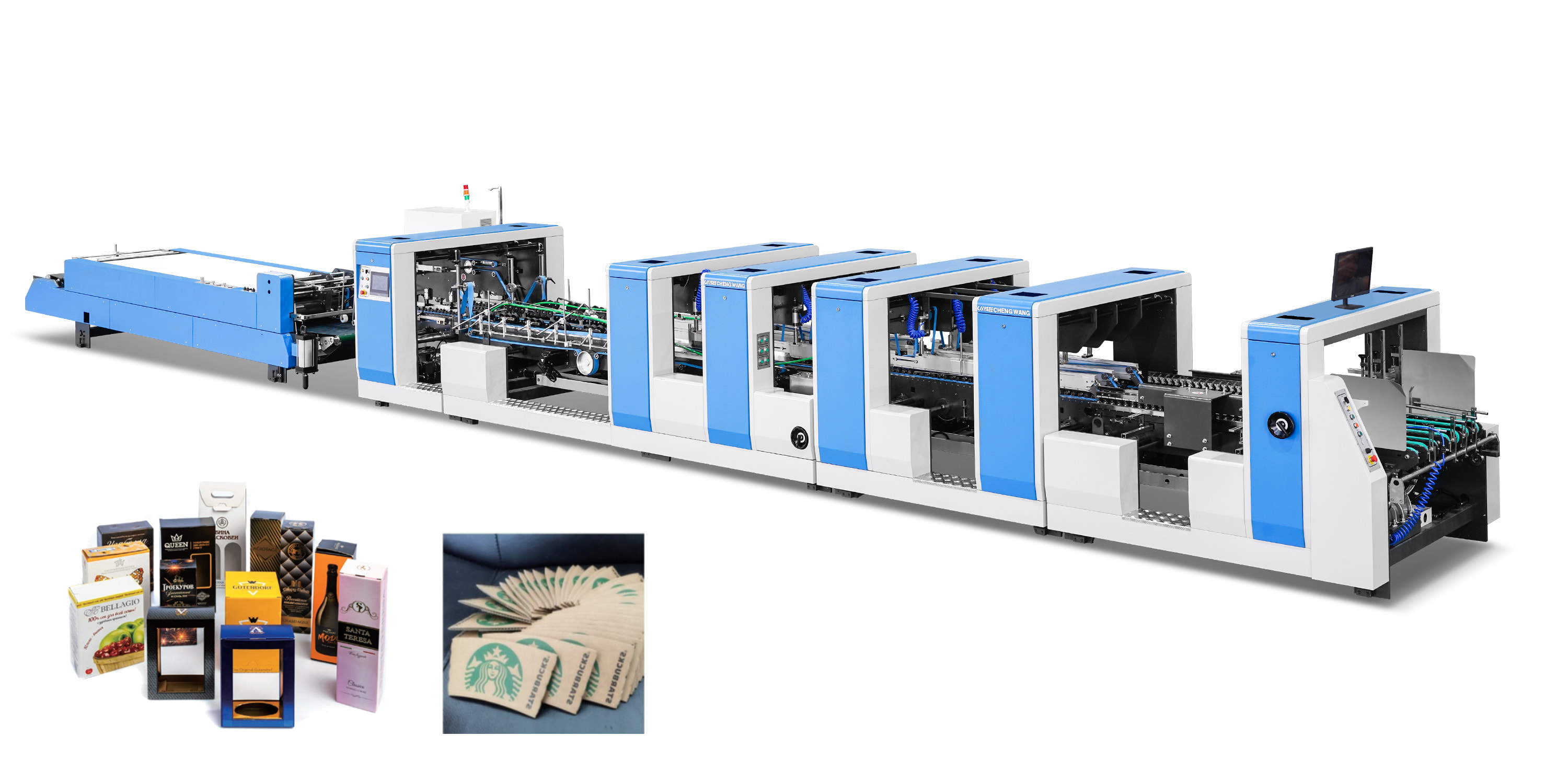
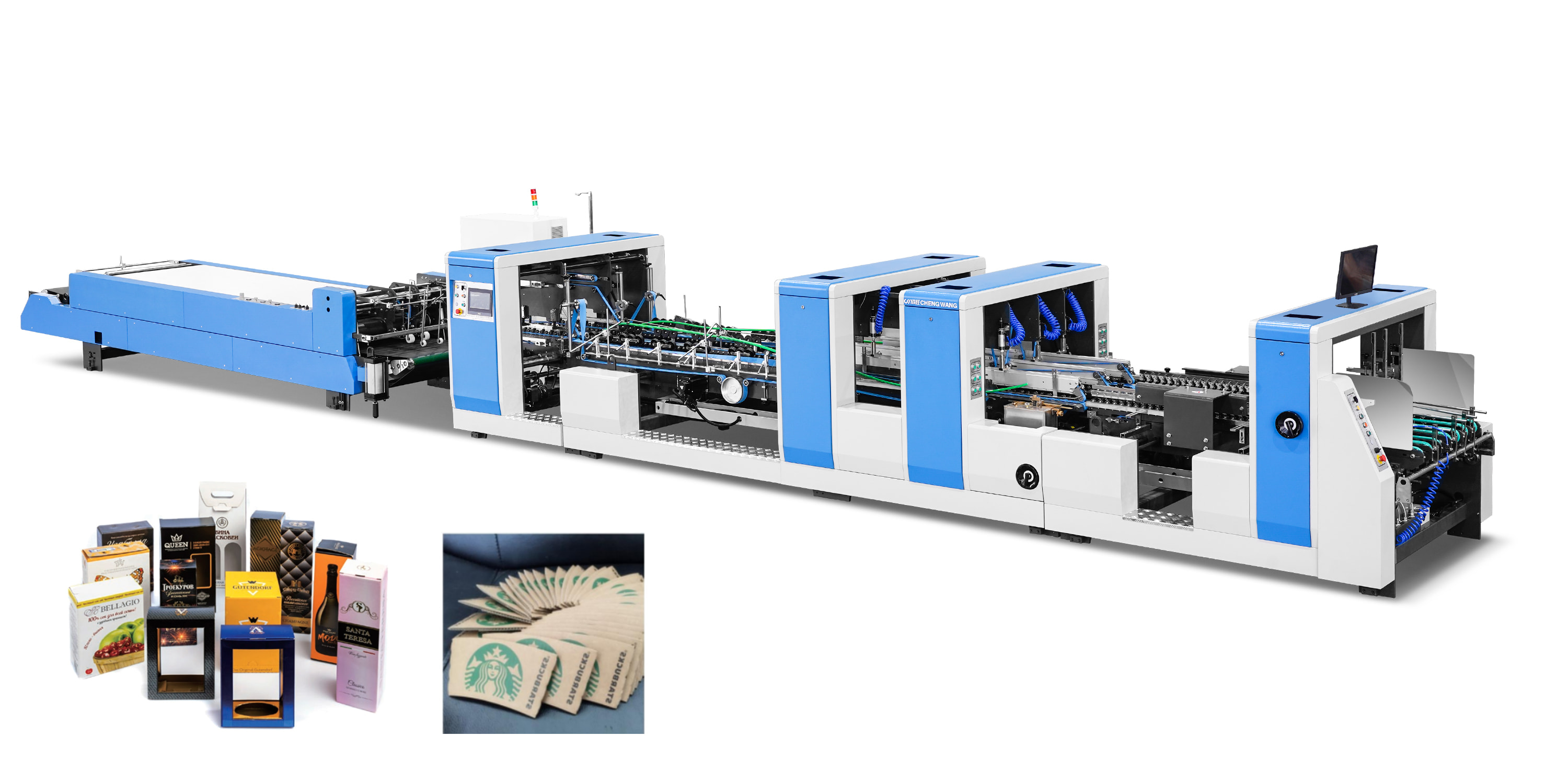
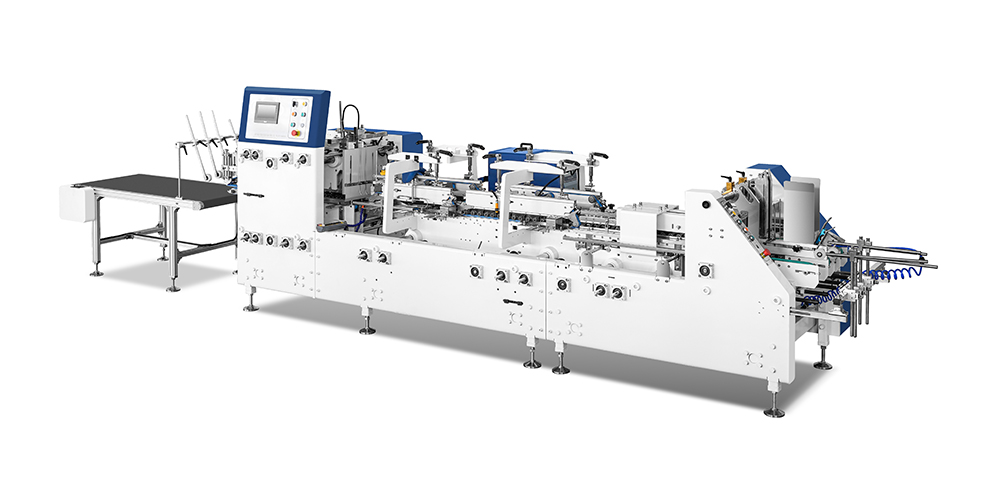
Folder Gluer Equipment with preset functions for common box types gives operators a head start on each setup. Boxes of unusual design require manual adjustment no matter how advanced the machine is.
Facilities using Automatic Folder Gluer machines benefit from consistent setup quality between operators. The machine moves components to predetermined positions, eliminating variation from manual adjustment. Operators oversee the process and verify results with sample boxes. The combination of machine precision and operator verification produces reliable setups.
Recommended Products
Focus on providing high-quality folder-gluing equipment to customers around the world.



No.3888, Jiangnan Avenue, Nanbin Street, Ruian City, Wenzhou City, Zhejiang Province, China







Privacy Policy Copyright © Zhejiang Chengwang Intelligent Packaging Equipment Co., Ltd.
High Speed Folder Gluer Factory