English
 русский
 Français
 Español
 Deutsch
Why Does Paper Box Folder Gluer Struggle With Mixed Material Feeding
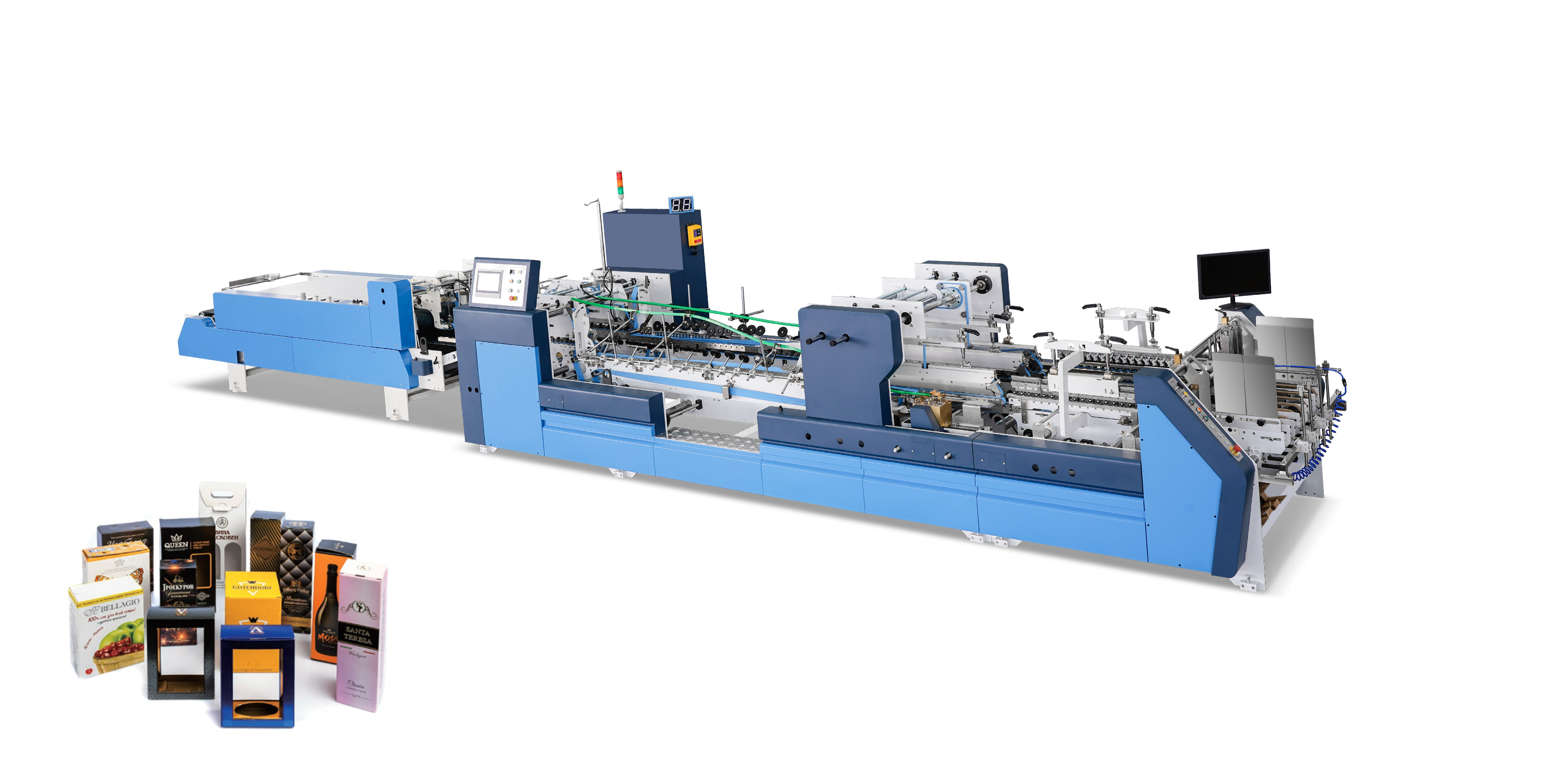
Mixed material feeding becomes troublesome very quickly in box production because paper sheets do not behave in a uniform way once they enter the machine. A coated surface may slide more easily across feeding parts, a rough sheet may hold a little more friction, a thinner paperboard may bend earlier, and a thicker sheet may keep its shape while asking for a different contact pressure. In a production line, those differences do not stay small for long, since feeding is the point where the material begins to show its real behavior.
A Paper Box Folder Gluer needs the sheet to move forward in a steady route before folding and gluing can happen in the correct position. Once movement becomes uneven at the feeding stage, later sections begin to carry the same problem, and the box may arrive at the folding area slightly off line, which then affects the glue position and the final shape of the carton.
A packaging line often handles several paper types within one working period, especially when different box orders share a similar structure but use different surface treatment or paper thickness. That kind of job sounds routine on paper, though the feeding section often reacts differently each time the material changes. A smooth art paper sheet, a stiff cardboard piece, and a lighter package sheet may all enter the same machine, while each one asks for a different feel at the feeder.
Several material details normally influence feeding behavior:
- Surface texture changes how the sheet touches rollers and guides.
- Thickness affects how much pressure the sheet can carry before movement changes.
- Stiffness changes how easily the paper keeps its direction.
- Weight affects how smoothly the sheet enters the next section.
A packing team usually notices these differences during daily operation rather than during planning. One batch may move cleanly, while another batch needs more checking at the feeder, even though the printed box design looks almost identical. That is where practical adjustment matters more than machine labels or product descriptions.
How Feeding Parts React To Different Material Conditions
Feeding sections work by guiding paper through contact points that need to stay balanced. Rollers, guides, and pressure settings all influence how the sheet travels into the machine. Once material type changes, the same feeding setup may no longer feel natural for the new sheet.
A coated sheet may move too quickly through contact areas when pressure feels light, while a rougher material may resist movement or drag slightly if the setting feels too tight. A thin sheet can crease more easily during transfer, while a thicker one may need more stable guiding to stay aligned. In real production, feeding adjustment is often less about changing one setting and more about finding the point where the material moves without slipping or bending in the wrong place.
Clean contact surfaces also matter. Paper dust, cut edges, and small fibers often collect around feeding parts during repeated use. That residue may seem minor at the start of a shift, though it can affect friction in a way that becomes clear after several dozen sheets pass through. Once surface conditions change, sheet movement may begin to drift or slow unevenly.
| Material Condition | Common Feeding Response | Practical Concern |
|---|---|---|
| Smooth coated paper | Moves more easily across contact areas | May slip under light pressure |
| Rough paperboard | Holds contact more firmly | May require steadier transfer |
| Thin packaging sheet | Bends more easily during movement | Needs careful alignment |
| Thick carton sheet | Keeps shape longer in motion | Needs stronger support in feeding path |
In production rooms, small changes in feeding often show up as larger work later. A sheet that enters slightly off center may still pass through the machine, although the fold line may shift enough to require manual checking. A batch that starts feeding unevenly may also cause more inspection around the glue area, since position and bonding work together in the final carton shape.
Why Mixed Material Orders Need More Care Before Production Starts
Mixed material jobs usually demand a little more preparation before the machine begins running. Paper types may be sorted by size, surface finish, and thickness, though even a clear sorting system does not remove all feeding differences. A batch of light sheets may need one feed feel, while a run of thicker sheets may ask for another. The machine can only stay steady when setup matches the material in front of it.
Operators often begin by checking the paper surface, because dust, curl, moisture marks, and edge condition all influence how the sheet enters the feeder. Paper stored near a humid corner may behave differently from paper kept in a dry room. A stack with slightly curled edges may also pull differently from a flat stack, especially when several material types are used in one shift.
Practical preparation usually includes:
- Checking surface condition before loading paper.
- Keeping similar materials grouped together.
- Confirming that sheet size matches the planned route.
- Watching the first few sheets after a material change.
- Adjusting feeding parts before moving into full production.
That kind of preparation does not remove every feeding issue, though it gives the machine a better starting point. A Paper Box Folder Gluer handles paper more smoothly when the material is ready to move in a predictable way. When a line is asked to change from one paper type to another without pause, the feeder often becomes the place where differences show up earliest.
A feeding problem is often treated as a machine issue at first glance, while the root cause may sit in the material arrangement or the setup left from the previous run. That is why mixed material jobs usually need more than simple restart and more than one round of adjustment. The material itself, the surface state, and the feeding path all need to work together before folding and gluing can continue in a stable way.
How Does Machine Adjustment Influence Mixed Material Feeding
In carton production, machine adjustment is often closely connected with the paper being processed. A setting that works smoothly for one material may create different results when another sheet enters the feeder. The reason comes from the natural differences between papers, including surface texture, stiffness, thickness, and how the sheet reacts under pressure.
Many feeding issues appear after changing materials rather than during long periods of using the same paper type. For example, a production line running a rigid carton sheet may later switch to a thinner packaging sheet. The previous feeding pressure may no longer match the new material because a thinner sheet can respond differently during contact and movement.
Adjustment usually involves several parts working together:
- Feeding pressure controls how firmly the sheet stays in contact with moving parts.
- Guide position affects whether paper keeps a straight path.
- Folding settings influence how accurately the sheet enters later forming areas.
- Glue position depends on whether the folded sections remain correctly aligned.
A small change at the feeding stage may create visible differences after the box is formed. When a sheet moves slightly away from its planned route, folding lines may shift, and glue placement may need additional checking.
| Adjustment Point | Why It Matters During Production |
|---|---|
| Feeding Pressure | Helps different paper types move without slipping or excessive resistance |
| Guide Position | Keeps sheets traveling in a stable direction |
| Folding Adjustment | Matches folding actions with the actual sheet position |
| Glue Area Setting | Helps maintain proper bonding placement |
Adjustment experience usually develops through repeated production tasks. Operators often record which paper types need more attention, which settings require review after material changes, and which conditions may create feeding variation. These records become useful references when similar jobs return.
A machine does not automatically know that one sheet requires different handling from another. The relationship between material characteristics and machine settings needs to be considered during preparation and operation. A suitable adjustment process helps reduce unnecessary stops and keeps the production flow easier to manage.
How Can Folder Gluer Factory Improve Equipment Adaptability
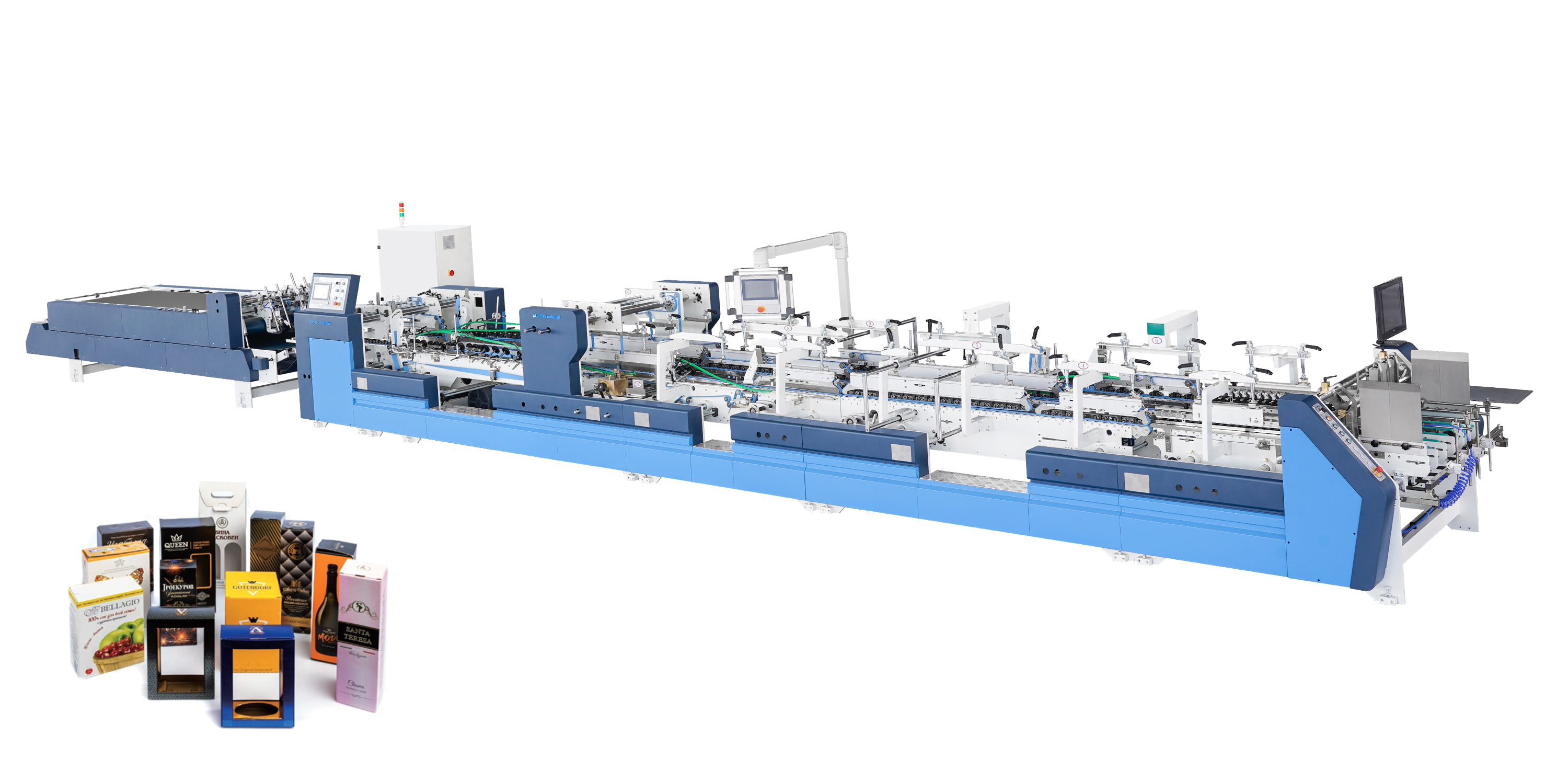
Equipment design is often influenced by problems found during real production. A Folder Gluer Factory does not only consider how a machine moves paper under one condition; different packaging environments also need to be considered during development.
Packaging materials continue to change according to product requirements. Some boxes need smoother surfaces for appearance, while others require thicker structures for protection. Different materials create different feeding situations, which means equipment design needs to consider a wider range of working conditions.
Feedback from production sites provides useful information for improving machine structures. For example, frequent adjustment requests may show that certain material changes require more flexible settings. Difficulties during daily operation may also reveal areas where machine access or adjustment methods need improvement.
Several equipment factors are often related to material adaptability:
- Feeding parts need to maintain stable contact with different paper surfaces.
- Adjustment areas need to be accessible during operation.
- Folding and gluing sections need to work together with feeding movement.
- Maintenance areas need practical access for inspection.
A machine installed in a small packaging workshop may face different challenges from equipment used in a larger production environment. Available space, material types, and production schedules can all influence how the machine is used.
For this reason, equipment development often focuses on practical application rather than a single production condition. Understanding how paper behaves during movement helps create structures that are easier to adjust when material requirements change.
Why Is Material Preparation Important Before Using Paper Box Folder Gluer
Many feeding problems begin before paper reaches the machine. The condition of the material stack, storage environment, and handling process can affect how smoothly sheets enter production.
Paper is sensitive to changes in its surrounding conditions. A stack with uneven edges may cause feeding differences compared with a neatly arranged stack. Dust on the surface may also influence contact between paper and feeding parts. Small preparation problems can become more noticeable after continuous operation.
Before loading materials, production teams often check several details:
- Whether paper edges remain flat and aligned
- Whether different materials are separated clearly
- Whether sheet size matches the planned production requirement
- Whether the surface remains clean
- Whether the material has visible bending or damage
Material preparation is not complicated work, although it has a direct connection with feeding stability. A well-prepared paper stack allows operators to focus on machine adjustment rather than correcting problems caused by material condition.
Mixed material production requires additional attention because different sheets may need different handling. A paper type that moves smoothly during one order may require a new adjustment during another order with a different surface or thickness.
The role of preparation is to create a more predictable starting point. When material condition, machine settings, and production requirements match each other, feeding becomes easier to control.
How Can Production Teams Reduce Feeding Problems With Mixed Materials
Reducing feeding problems usually comes from daily working habits rather than one specific solution. Production teams often improve stability by observing how different materials behave and adjusting procedures based on previous experience.
One practical method is keeping simple records after completing different material orders. Information about feeding pressure, guide position, and adjustment needs can help during future production with similar paper types.
Regular equipment checks also support stable operation. Feeding areas collect paper dust during normal use, and small changes in contact conditions may influence sheet movement over time. Cleaning and inspection help maintain a more consistent working environment.
Useful operation habits include:
- Checking the feeder after changing paper types
- Testing several sheets before continuous production
- Keeping similar materials organized separately
- Reviewing finished cartons when feeding changes appear
- Maintaining clear communication between operators and maintenance teams
A Paper Box Folder Gluer works through several connected stages, and feeding is where material differences appear at the beginning. When paper preparation, machine adjustment, and operating experience are combined, production teams can respond to mixed material conditions more effectively.
The challenge of mixed material feeding does not come from one single factor. Paper characteristics, machine structure, adjustment methods, and daily handling all influence the final result. Understanding these connections allows packaging production to become more organized and easier to manage when different materials are involved.
Recommended Products
Focus on providing high-quality folder-gluing equipment to customers around the world.



No.3888, Jiangnan Avenue, Nanbin Street, Ruian City, Wenzhou City, Zhejiang Province, China







Privacy Policy Copyright © Zhejiang Chengwang Intelligent Packaging Equipment Co., Ltd.
High Speed Folder Gluer Factory