English
 русский
 Français
 Español
 Deutsch
Maintenance Impact on Energy Consumption in Machinery
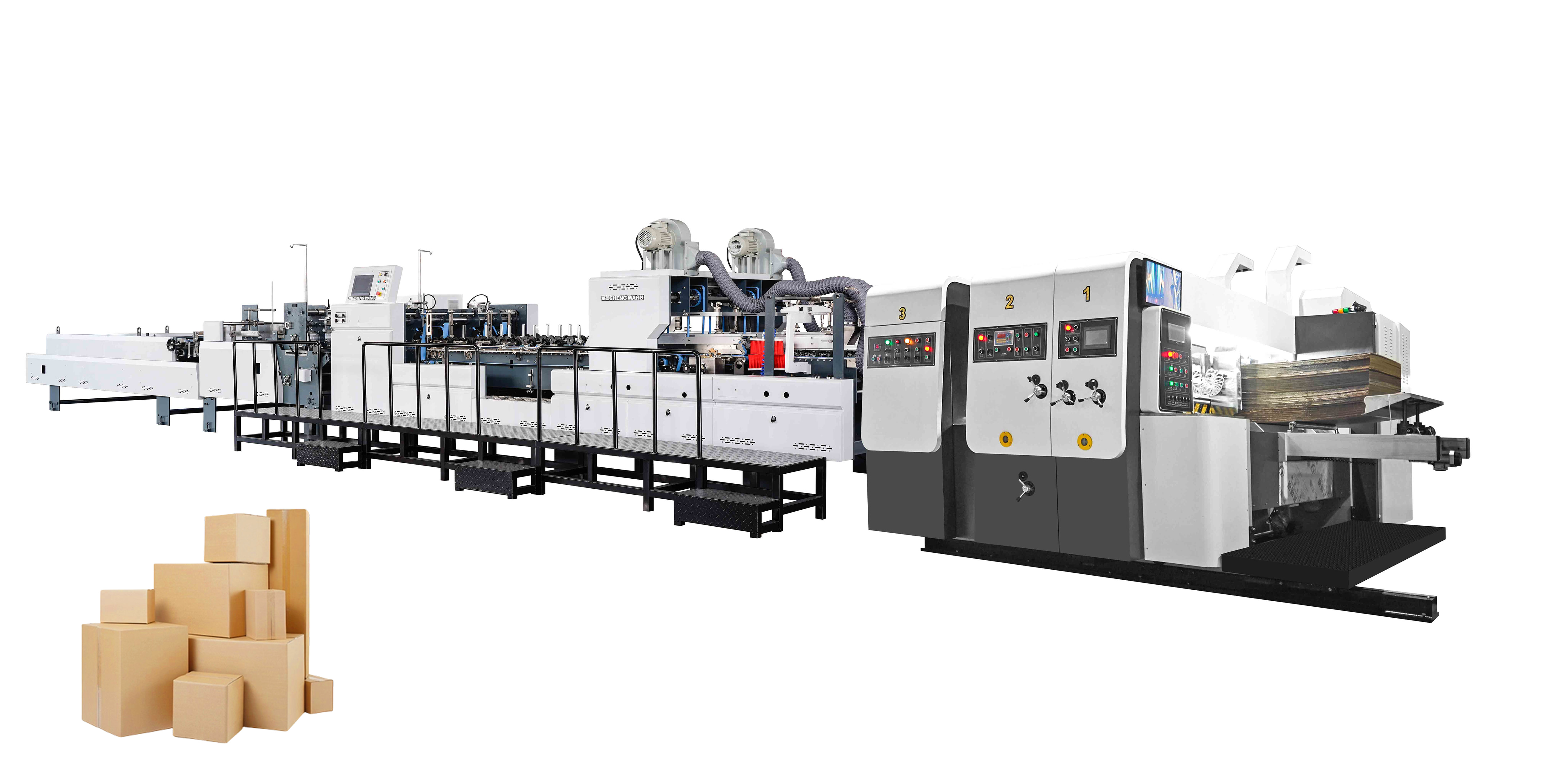
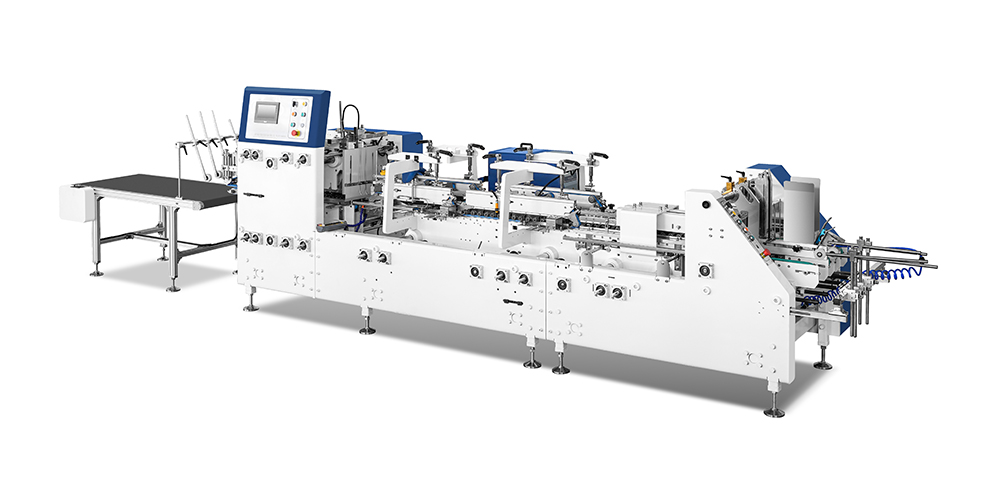
Two packaging factories use the same model of box folder gluer machine. The machines are about the same age. They make similar amounts of boxes. But one factory pays much more for electricity each month. Why? The factory with the high bill has poor maintenance records. Their machines have problems. The bearings are not lubricated well. Belts are loose. Some parts are worn out.
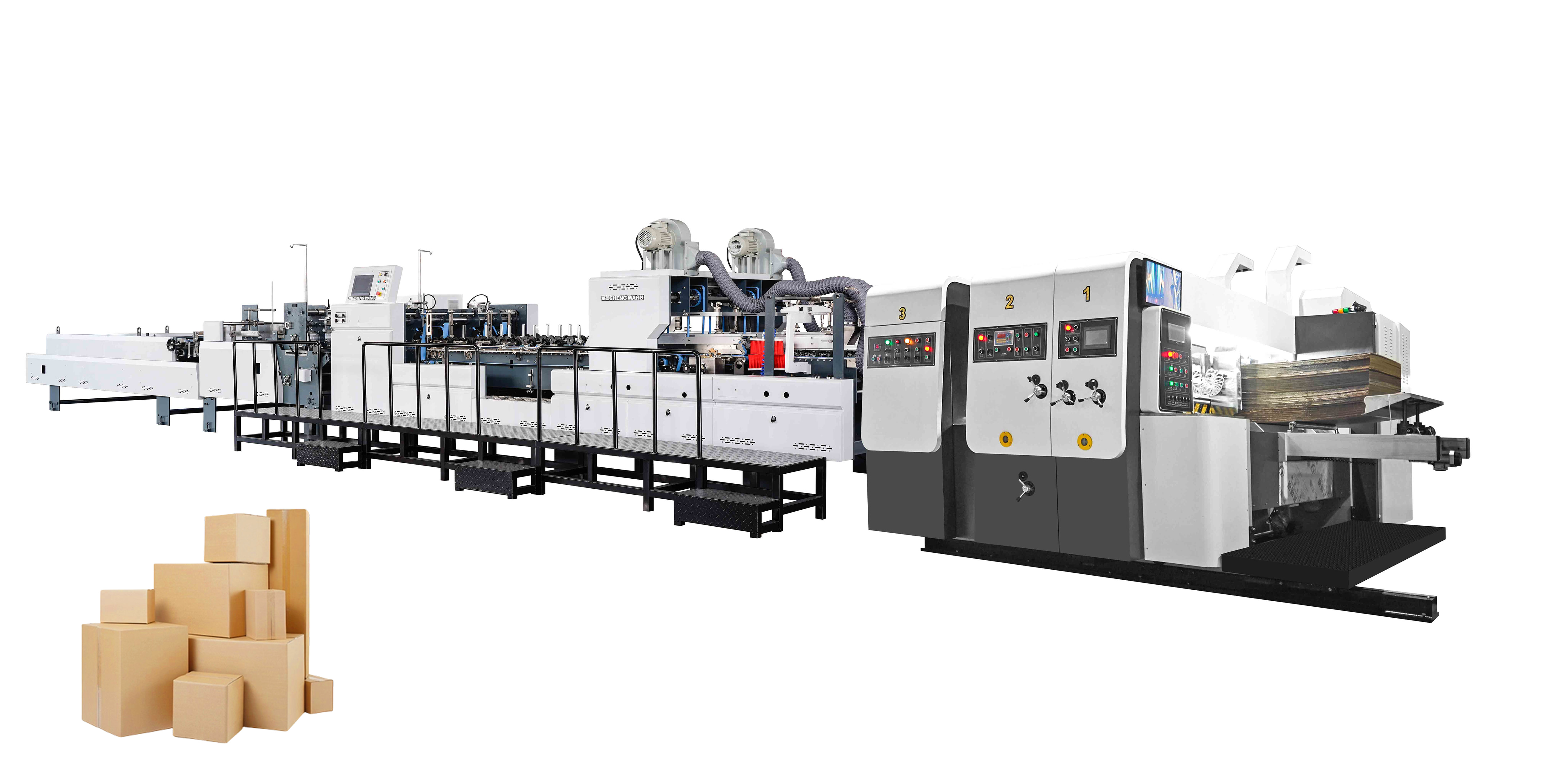
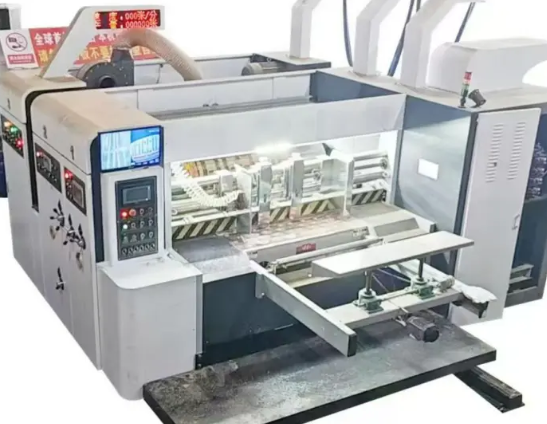
We often think a machine’s energy use is fixed by its design. But is that true? How much does daily maintenance affect how much power a machine uses? Can a missed oil change or a loose part waste a lot of electricity? The answer is yes.
A machine’s energy efficiency is not a fixed number. It is a changing variable. It depends heavily on good, regular maintenance. Poor maintenance causes more friction. It creates heat loss. It makes the machine work harder. All this leads to higher energy use. This is a hidden "energy penalty" that many factories pay.
This article explains five ways maintenance affects energy use. It shows how common maintenance problems waste power. It gives a clear plan to include energy savings in your maintenance program.
Part One: How Maintenance Problems Waste Energy – Five Physical Ways
We must understand the physics. Bad maintenance makes machines do extra work.
1. Increased Friction Loss.
This is the biggest source of wasted energy. Machine parts move against each other. They need good lubrication. A dry or dirty bearing creates a lot of friction. A shaft that is not aligned properly also increases friction.
The motor must work harder to overcome this friction. It draws more electrical current. The extra energy does not make boxes. It just turns into useless heat.
2. Losses in Air and Hydraulic Systems.
Many box folder gluer machines use air pressure or hydraulic power. They have compressors or pumps. These systems need clean filters and tight seals. A clogged filter makes the compressor work longer to build pressure. A small air leak means the compressor runs constantly to keep up. Dirty hydraulic oil makes pumps less efficient. All these problems make the system use more electricity for the same job.
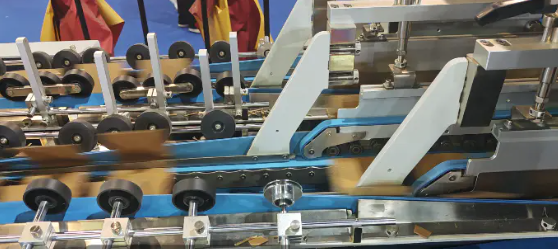
3. Electrical System Losses.
Look at electrical connections. Loose or corroded wires create resistance. This resistance turns electricity into heat right at the connection point. This is pure waste. Also, dust on a motor’s cooling fins makes it run hotter. A hot motor is less efficient and uses more power.
4. Mechanical "Soft" Failures.
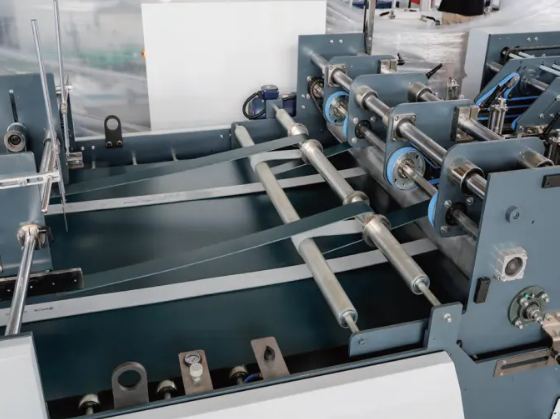
A worn drive belt can slip. A loose chain wastes energy. A slightly bent frame can cause vibration. All these issues mean the machine needs more input power to get the same output. The energy is lost in slippage, vibration, and deformation.
5. Control System Drift.
Sensors and controllers tell the machine how to run. A pressure sensor that is not calibrated might tell the system to use too much glue. A temperature sensor with an error might keep a heater on too long. These mistakes mean the machine runs in a non-optimal way. It uses more energy than needed to do its job.
Part Two: Measuring the Impact – The Cost of Poor Maintenance
We need numbers to see the real cost. How much extra energy do these problems cause?
First, establish a baseline. When a machine is new or freshly overhauled, measure its energy use. Record how many kilowatt-hours it uses to make, for example, one thousand boxes. This is your baseline for an efficient machine.
Now, let's estimate the cost of common problems.
Poor Lubrication: This can drop the efficiency of a drive system by 5% to 15%. The motor uses that much more electricity.
Air Leaks: A tiny leak is expensive. A 1mm hole in a pipe at standard factory air pressure can waste hundreds of dollars in electricity every year.
Worn Belts: A slipping belt can cause 10% to 20% efficiency loss. The energy turns into heat on the belt itself.
Worn Bearings: As a bearing starts to fail, friction increases. Energy use can rise by 30% or more before the bearing finally seizes.
Think about a box folder gluer machine over time. When it is new, its energy use per box is low. Without good maintenance, the energy use slowly creeps up. A graph would show a rising line. Then, you do a good maintenance job. You replace the bad bearing and align the shafts. The energy use drops back down. The graph line falls. This shows the direct link between maintenance and energy cost.
Part Three: Building a Maintenance Plan for Energy Savings
Your maintenance program should aim to save energy, not just prevent breakdowns.
Connect maintenance tasks to energy goals. When a technician oils a bearing, they should also check the motor current. They should note if the current is lower after the service. Add specific checks to your work orders. For example: "Check drive belt tension and alignment" or "Inspect air lines for leaks." These tasks directly affect energy use.
Use technology to find problems early. Vibration analysis tools can find bearing or alignment issues long before they cause major efficiency loss. Thermal cameras can quickly spot hot electrical connections or overheating bearings. Ultrasound detectors can hear the hiss of an air leak that you cannot see. Finding and fixing these small problems early saves a lot of energy.
Optimize your maintenance strategy. Do not just service machines on a fixed schedule. Use data from your inspections. Service the machine when the data shows efficiency is starting to drop. This is called condition-based maintenance. It fixes problems at the best time for both reliability and energy savings.
Train your team. Make sure maintenance workers understand that their job affects the factory's electric bill. Teach them how their work saves energy. Build an "energy-aware" culture in the maintenance department.
Keep good records. Create a simple database. Record the energy use of key machines before and after major maintenance. Over time, you will see which maintenance activities save the most energy. Use this information to improve your plan.
Part Four: The Return on Investment
Good maintenance is not just a cost. It is an investment that saves money.
Calculate the benefits. Add up the costs: extra labor for inspections, tools like thermal cameras, training. Then, calculate the savings: lower electricity bills, fewer emergency breakdowns, longer machine life. For most factories, the investment in better maintenance pays for itself in less than two years through energy savings alone.
The benefits go beyond energy. Good maintenance makes machines more reliable. This means fewer production stoppages. It leads to more consistent product quality because machines run smoothly. It extends the life of your expensive equipment, delaying the need for replacement. It also helps your company meet its environmental goals by reducing carbon emissions.
Managing energy is a key part of modern manufacturing. To be efficient and sustainable, you must look at the entire life of your equipment. Excellent maintenance is a powerful tool. It unlocks the energy-saving potential built into your machines. It keeps your operating costs low.
To succeed, you need more than good machines. You need the knowledge and tools to keep them running efficiently for years.
This is the commitment from CENWAN. Every box folder gluer machine we provide comes with clear information. We give you efficiency baseline data. We point out the key maintenance checks that protect performance. Our technical support team can help you set up energy monitoring. We can show you how to build maintenance habits that save power. We believe a well-maintained CENWAN machine will give you the lowest energy cost and the highest production value throughout its life.
Do you want to know if your current machines are wasting energy due to poor maintenance? Are you looking for new equipment that is both efficient and easy to maintain? Contact the CENWAN energy efficiency and service team. You can schedule a free maintenance assessment.
Recommended Products
Focus on providing high-quality folder-gluing equipment to customers around the world.



No.3888, Jiangnan Avenue, Nanbin Street, Ruian City, Wenzhou City, Zhejiang Province, China







Privacy Policy Copyright © Zhejiang Chengwang Intelligent Packaging Equipment Co., Ltd.
High Speed Folder Gluer Factory