English
 русский
 Français
 Español
 Deutsch
Custom Configuration Options for Different Box Specifications
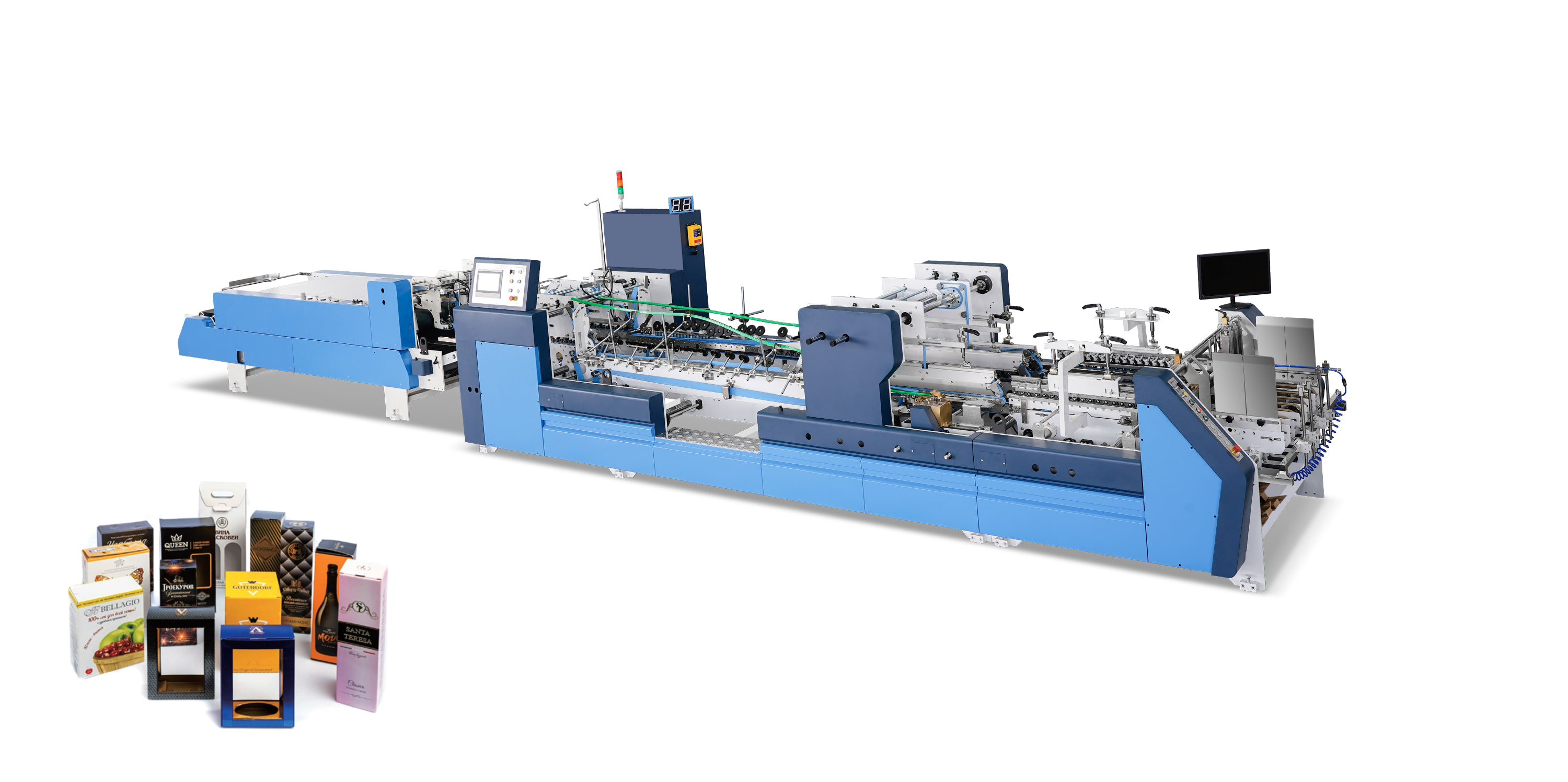
A packaging factory gets two orders. The first order is for thousands of standard automatic bottom boxes. The second order is for a few hundred high-end gift boxes. These gift boxes have special locked bottoms and carry handles. They are very different.
Using one standard machine for both jobs is hard. A machine set for high speed on simple boxes will struggle with complex ones. A machine set for complex boxes will be too slow for the big order. This is a common problem. Factories face more and more different box types. They need flexibility.
So, how can one Automatic Box Folder handle many different boxes? The answer is modular design and configuration. A modern folder should not be one fixed machine. It should be a system of parts. You can change these parts. You can adjust settings. This lets you switch between making different box types quickly.
This article explains the main parts you can configure. It shows how to match these parts to different box needs. It provides a clear path to choose the right setup for your factory.
Part One: Understanding Box Specifications – What Defines the Need
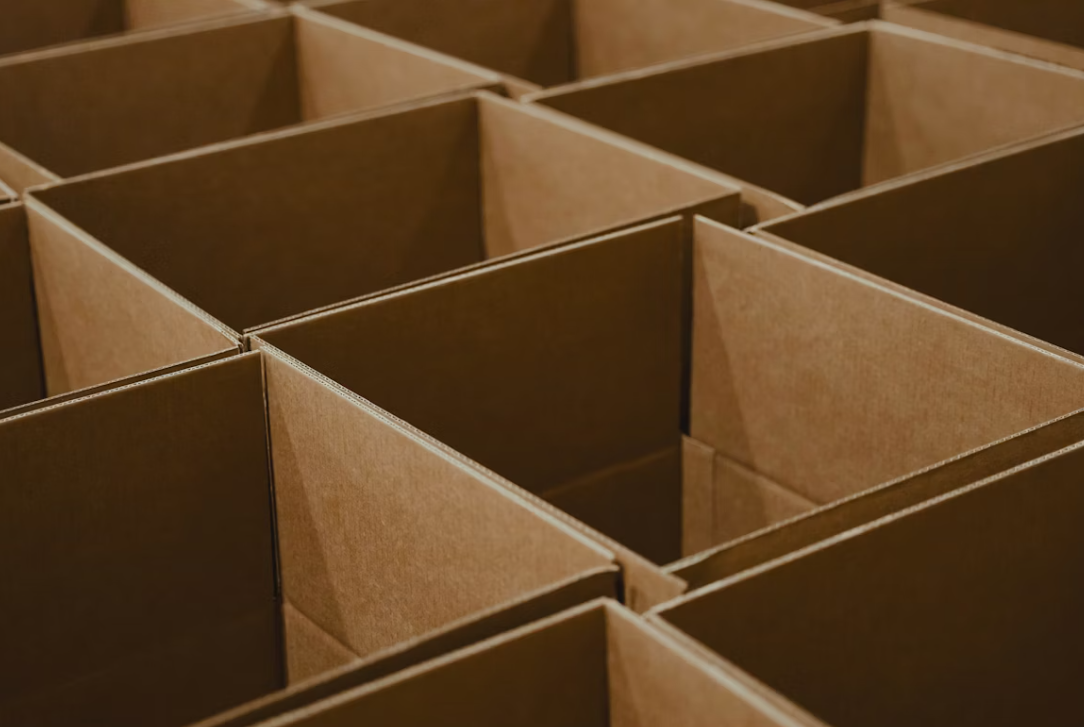
First, you must understand the box. Its design tells you what the machine must do.
Look at the box structure. A standard automatic bottom box needs a straight folding line. It needs precise mechanisms to tuck the bottom flaps in. A locked bottom box needs a different path. The machine must fold the box at a 90-degree angle at some point. A telescope box (lid and base) might need two separate folding actions. A box with a handle needs extra steps. It might need a hole punched or a handle glued on.
Then, look at the physical details. What are the smallest and largest boxes you will make? This decides how wide the machine feeder must be. It decides how far the folding arms must move. What cardboard will you use? Thin cardstock is different from thick corrugated board. The machine needs different feed systems and pressure settings for each. How fast do you need to make them? A long run of simple boxes needs top speed. Short runs of complex boxes need quick setup changes, not just raw speed.
Part Two: The Key Parts You Can Configure
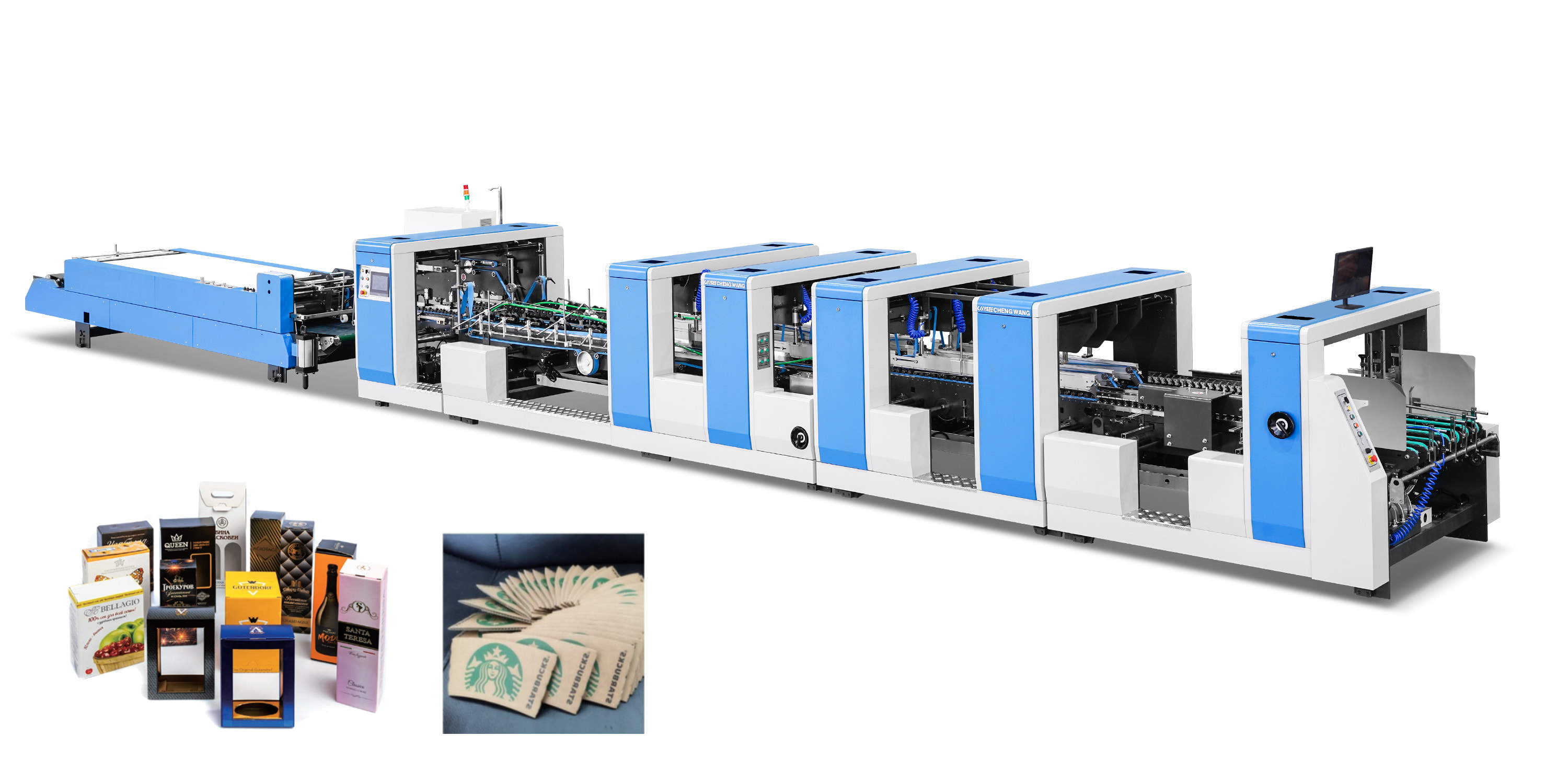
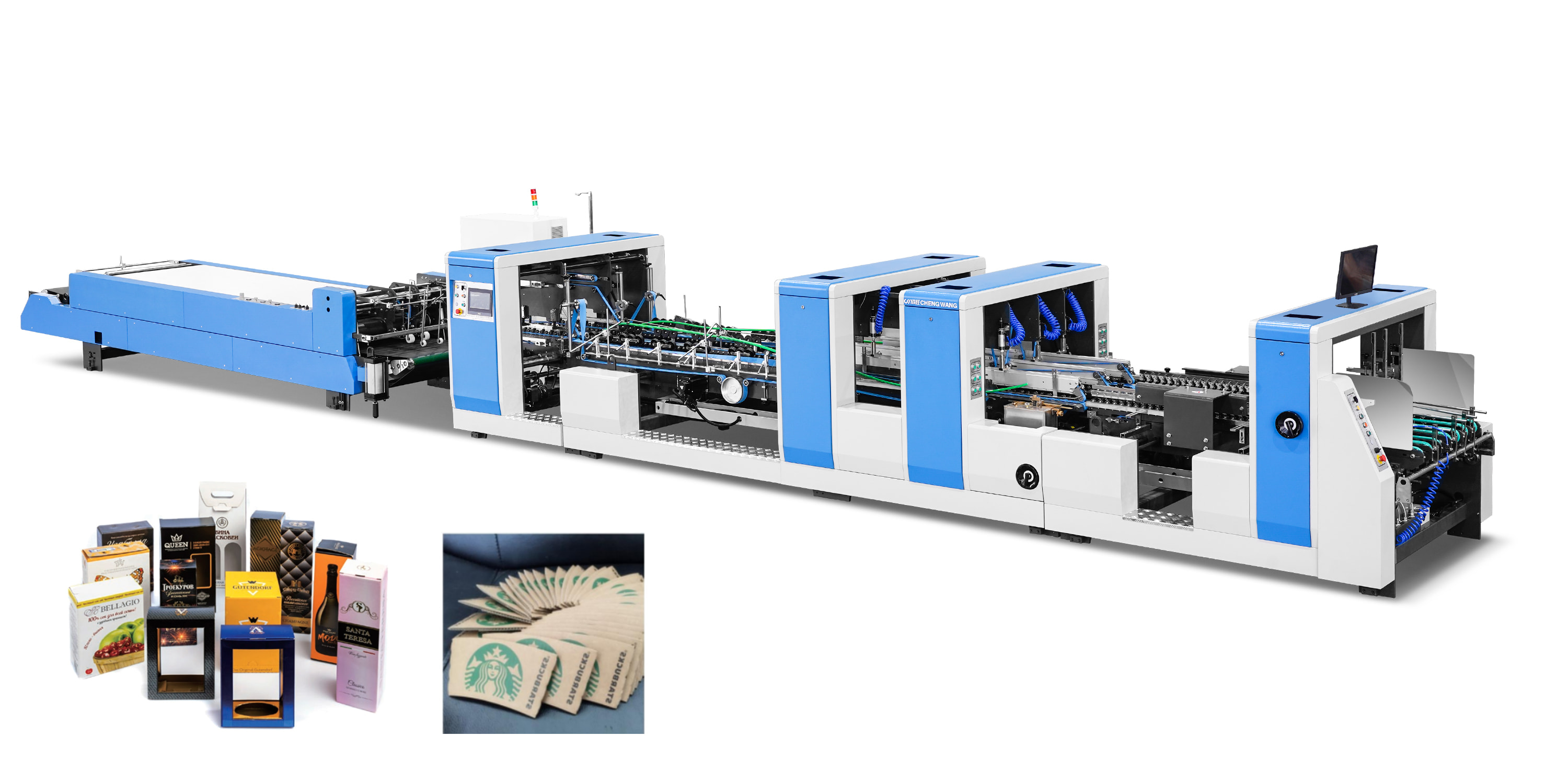
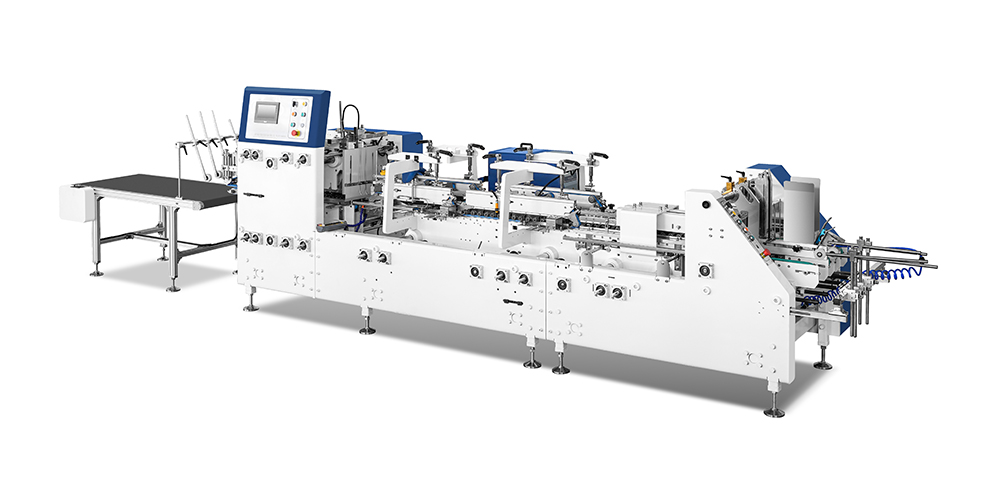
Flexibility comes from modules. Here are the four main areas you can customize on an Automatic Box Folder.
1. The Feeding and Pre-Break Module.
How does the cardboard enter? Two common ways are friction feed and suction feed. Friction uses rubber wheels. It is good for rough surfaces like corrugated board. Suction uses air cups. It is better for smooth, coated cardstock. Suction can also handle sheets that are slightly warped.
Does the box need a sharp crease before the main fold? This is called pre-breaking. Some boxes need it on all four sides. Some need it on just one side. The pre-break units should be easy to adjust or change.
2. The Folding and Forming Module.
This is the heart of the machine. The first choice is the folding path. A straight-line path is simpler and faster for standard boxes. A right-angle path is necessary for locked bottom boxes. The best machines can switch between these paths. This gives you great flexibility.
Then, there are the folding tools themselves. These are guides, plates, and belts. They must be easy to change for different box sizes. You should have a set of tools for your common box sizes.
For special boxes, you can add extra units. You might add a unit to make hexagonal boxes. You might add a second gluing station for a side panel.
3. The Gluing System Module.
How does the machine apply glue? The wheel application method is fast. A glue wheel rolls against the cardboard. It is good for long, straight glue lines. The spray or dot application method is precise. A nozzle sprays tiny glue dots exactly where you want. It uses less glue and is perfect for complex glue patterns. The choice depends on your box design and your glue cost.
4. The Control and Software Module.
This is the brain. A good machine can remember settings. It can store recipes for 50 or 100 different box types. To switch jobs, the operator just picks the recipe. The machine adjusts its arms, stops, and glue settings automatically. The control screen should be simple. It should show pictures to guide the setup. The machine should also be able to talk to other equipment, like a printer before it or a packer after it.
Part Three: How to Choose Your Configuration
You combine these modules like building blocks. Here are some typical combinations.
Combination A: The High-Speed Line for Simple Boxes.
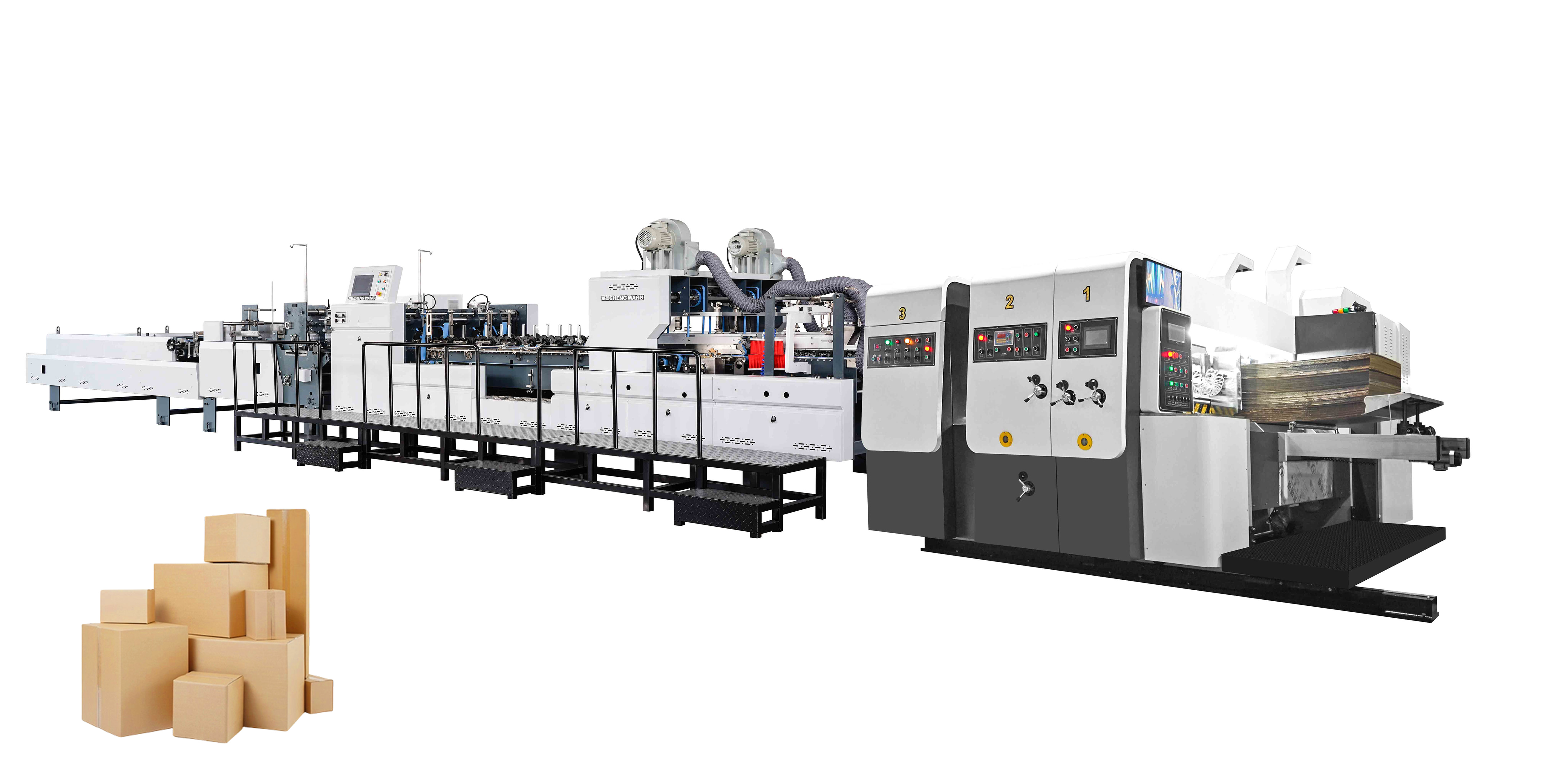
This setup is for huge volumes of one box type. Use a straight-line path. Use friction feed for speed. Use wheel application glue. This setup aims for one thing: maximum boxes per hour. It is perfect for e-commerce shipping boxes.
Combination B: The Flexible Shop for Mixed Orders.
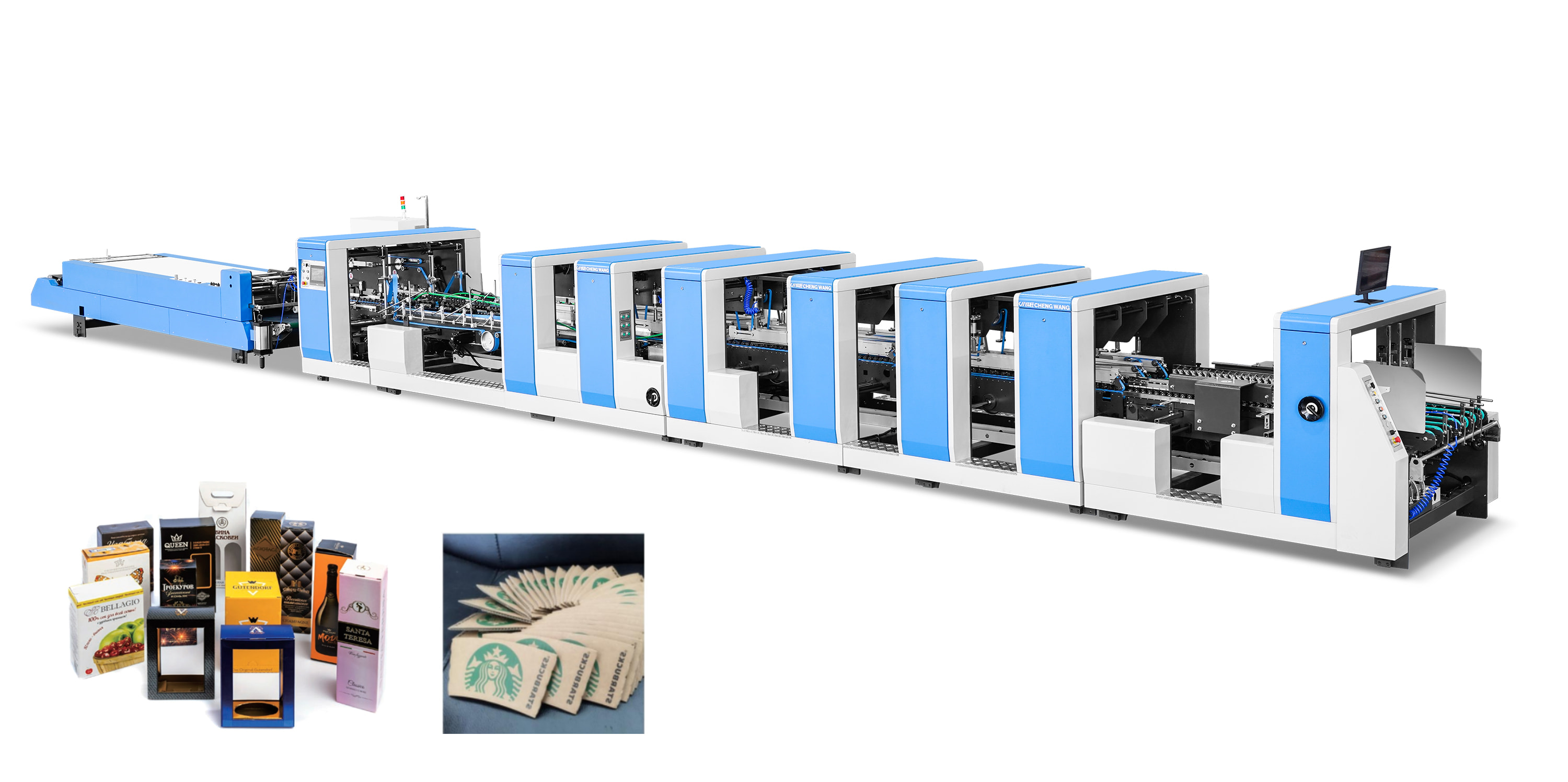
This setup is for factories that make many different boxes in smaller amounts. Use a machine that can do both straight and right-angle paths. Use suction feed to handle different card stocks. Use the precise spray glue system. Most importantly, use the software that stores many recipes. The value here is not top speed. It is fast changeover. You can switch from job to job in minutes, not hours.
Combination C: The Specialty Line for Complex Boxes.
This builds on Combination B. You add special modules. You add advanced pre-break units. You add a second glue station. You might add a camera to check quality. This setup handles very difficult, high-value boxes like luxury packaging.
To choose, make a list. Write down every box type you make now. Write down boxes you plan to make in the future. Next to each, write how many you make. Then, match each box to the machine modules it needs. Your final configuration must cover all the modules for all your boxes. Think about cost. A more flexible machine costs more. But it also lets you take more kinds of orders and change jobs faster. This saves money in the long run.
Part Four: From Configuration to Production
Choosing the right setup is the first step. Then you must make it work.
Before you buy, you should test. Give your box samples to the machine supplier. Ask them to run your boxes on the exact configuration you are considering. See the boxes it makes. Make sure they are perfect.
After you get the machine, you need training. The supplier should train your team. They should teach how to operate it, how to change it for a new box, and how to do basic maintenance. They should give you clear manuals for your specific configuration.
Think about the future. Can you upgrade the machine later? If you buy a new box design in two years, can you add a new module to your existing machine? This protects your investment.
The ability to change is now as important as the ability to produce. A configurable Automatic Box Folder is not just a machine for today. It is an investment in future flexibility.
This modular approach requires the machine maker to understand more than engineering. They must understand your business and how it grows.
At CENWAN, this is our core idea. We do not just sell standard machines. We build platforms for flexible solutions. We offer a wide library of modules. We work closely with you. We look at your box portfolio and your production goals. Together, we design the perfect machine configuration for your needs. Our goal is to turn the challenge of custom packaging into a simple, manageable process for your factory.
Is your production limited by a machine that cannot adapt? Bring your box samples to CENWAN. Schedule a meeting with our application engineers. We will analyze your needs and show you the best configuration to handle your unique mix of box specifications, both now and in the future.
Recommended Products
Focus on providing high-quality folder-gluing equipment to customers around the world.



No.3888, Jiangnan Avenue, Nanbin Street, Ruian City, Wenzhou City, Zhejiang Province, China







Privacy Policy Copyright © Zhejiang Chengwang Intelligent Packaging Equipment Co., Ltd.
High Speed Folder Gluer Factory