English
 русский
 Français
 Español
 Deutsch
Packaging: The Silent Guardian of Your Products?

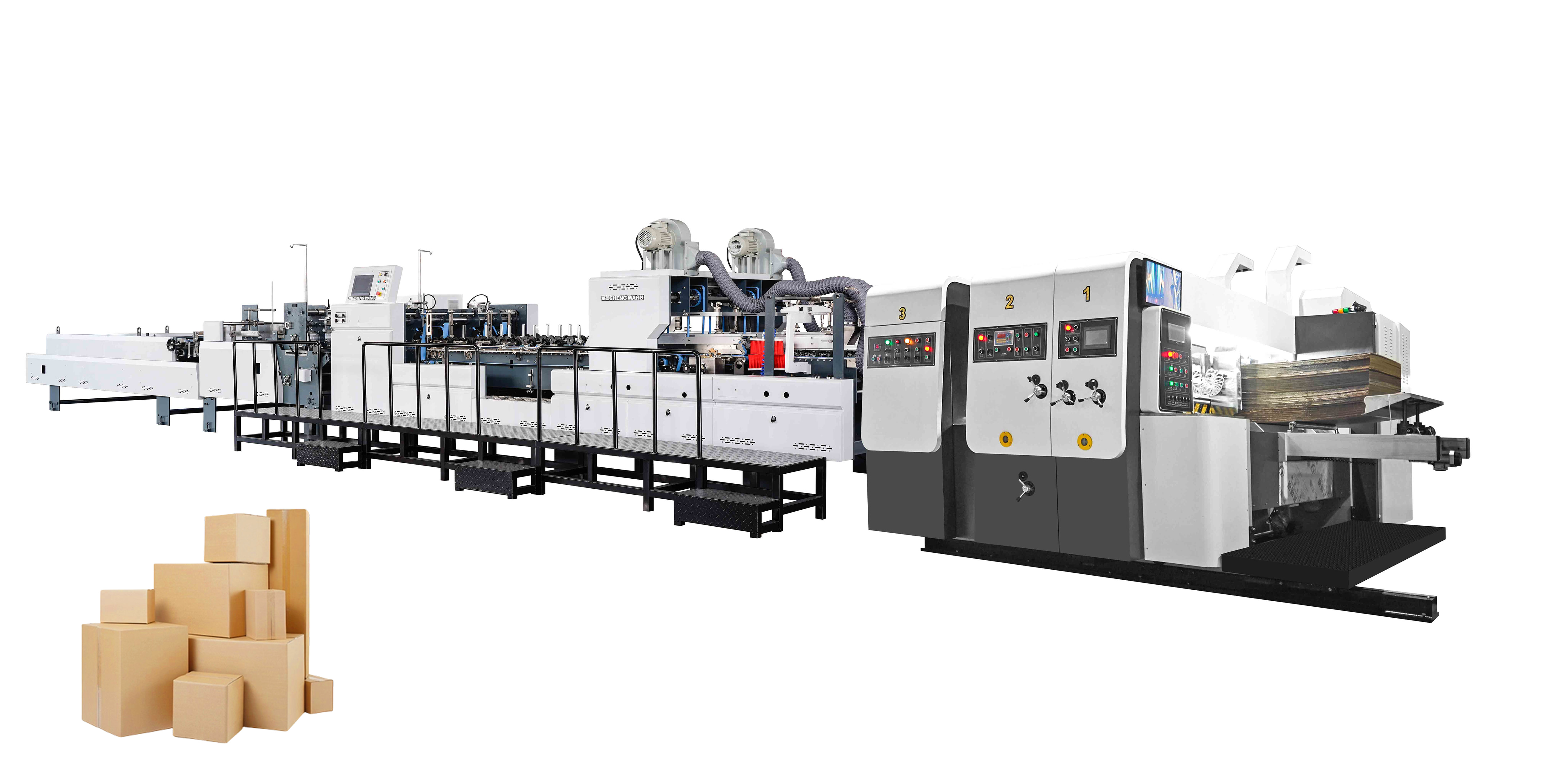
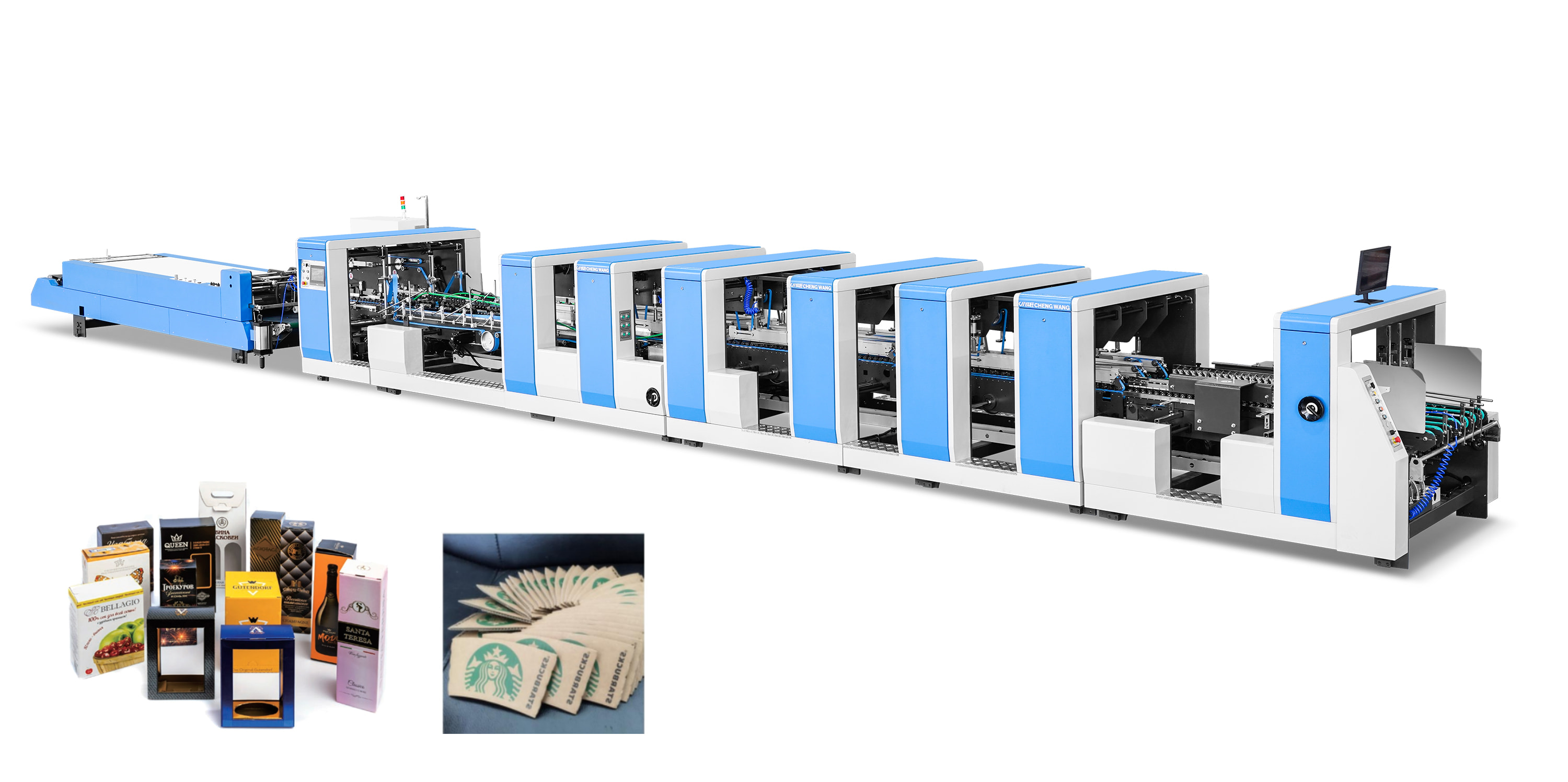
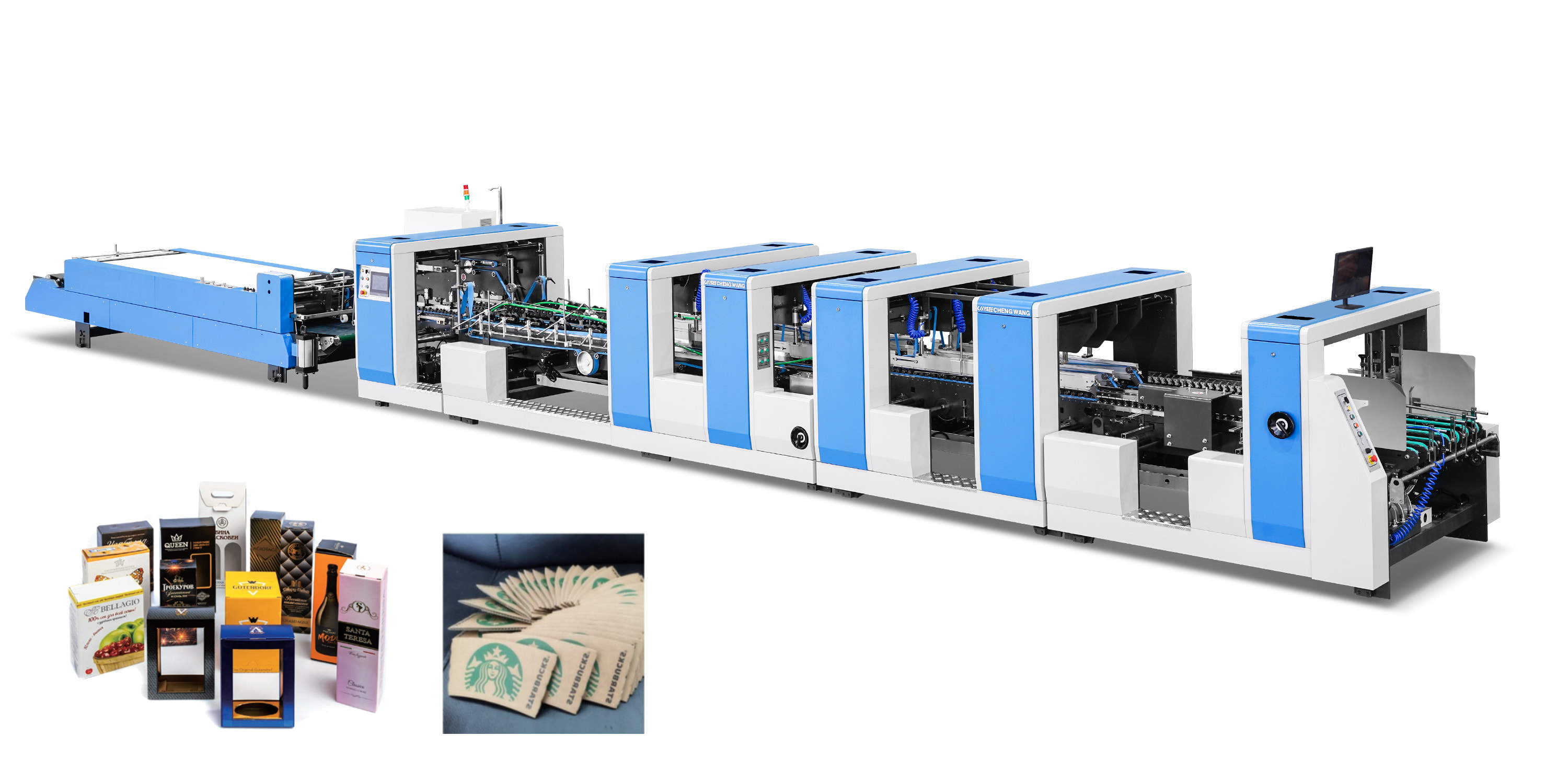
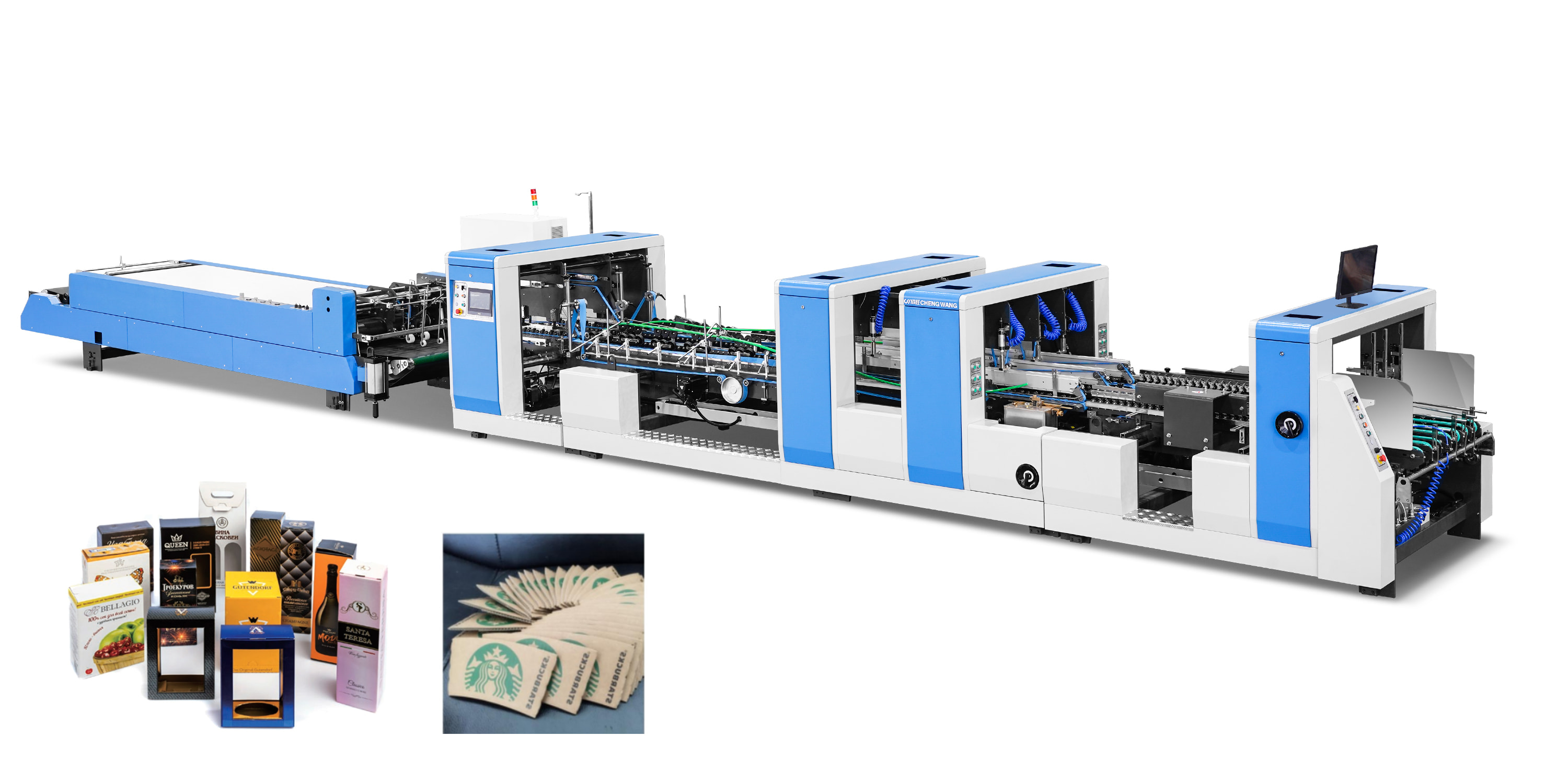
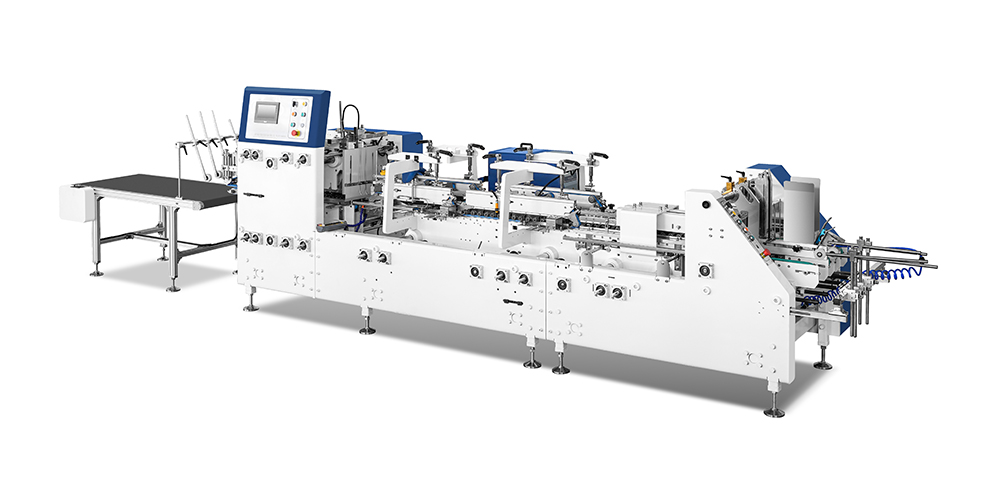
When we think about the products we use every day, we often focus on what's inside the package. Yet the packaging itself plays a crucial role in our daily lives. From the moment products leave manufacturing facilities until they reach our homes, packaging serves as their first line of defense. This is especially true for three categories where packaging quality can make or break the user experience: food, cosmetics, and electronics. The process begins with manufacturing equipment like the Folder Gluer, which creates precisely engineered boxes and packages designed to protect their contents through every stage of the journey.

Consider how many times we interact with packaging each day - from the cereal box at breakfast to the phone we unboxed last month. Each package represents a complex system of protection, information, and functionality that we often take for granted until something goes wrong. The evolution of packaging technology has been remarkable, transforming from simple containers to sophisticated systems that actively preserve and protect their contents.
The Role of Packaging in Protecting Food Products
Food packaging represents one of the most critical applications of packaging technology. The primary purpose here is preservation and safety. Proper packaging prevents contamination from microorganisms, insects, and environmental factors while maintaining freshness. Modern food packaging employs various technologies including vacuum sealing, modified atmosphere packaging, and advanced barrier materials that control oxygen and moisture levels.
The consequences of inadequate food packaging extend beyond mere inconvenience. According to food safety studies, improper packaging contributes significantly to food spoilage and waste. The Food and Agriculture Organization of the United Nations estimates that about one-third of all food produced for human consumption gets lost or wasted, with inadequate packaging playing a significant role in this problem. Regulatory bodies like the FDA and European Food Safety Authority have established strict guidelines governing food contact materials, requiring manufacturers to ensure their packaging doesn't transfer harmful substances to food products.
Materials used in food packaging have evolved considerably. While plastics, glass, and metals remain common, new biodegradable and compostable materials are gaining traction. The challenge lies in creating packaging that's both protective and environmentally responsible. For instance, fresh produce now often comes in breathable films that extend shelf life while reducing plastic usage. Milk cartons use layered materials that provide barrier properties while remaining recyclable. These innovations represent the ongoing effort to balance protection with sustainability.
Packaging in Cosmetics: Maintaining Product Integrity and Safety
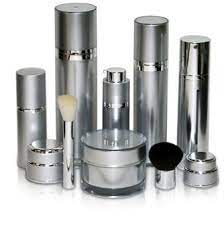
Cosmetic products present unique packaging challenges. Many contain active ingredients that can degrade when exposed to air, light, or temperature fluctuations. Vitamin C serums oxidize when exposed to oxygen, natural cosmetics can develop mold without proper sealing, and fragrances lose their potency if packaging doesn't provide adequate protection. The preservation of these delicate formulations depends entirely on their packaging systems.
Beyond preservation, cosmetic packaging serves important functional and aesthetic purposes. Dispensing mechanisms must deliver the right amount of product while maintaining hygiene. Airless pumps prevent contamination while ensuring consumers can use every last bit of expensive serums and creams. Opaque bottles protect light-sensitive ingredients like retinoids and certain vitamins. Dropper bottles allow precise application of oils and treatments. The psychological impact of packaging cannot be overlooked either—consumers naturally associate well-designed, functional packaging with product quality and brand reliability.
The cosmetics industry faces particular challenges in balancing luxury presentation with environmental responsibility. Many brands are transitioning to refillable systems, recycled materials, and reduced packaging while maintaining the protection and elegance consumers expect. Luxury brands now offer beautiful outer packaging that can be reused for storage, while mass market brands develop innovative materials that reduce environmental impact without compromising product protection.
Electronics Packaging: Safeguarding Fragile Products
Electronics represent perhaps the most demanding application for protective packaging. Devices contain delicate components—from glass screens to intricate circuitry—that can be damaged by shock, vibration, moisture, or static electricity. A smartphone might travel thousands of miles from factory to consumer, passing through multiple handling systems where it could be dropped, compressed, or exposed to extreme conditions. Proper electronics packaging must account for all these potential hazards.
The evolution of electronics packaging demonstrates how innovation addresses these challenges. Molded pulp inserts have replaced plastic foam in many applications, providing custom cushioning from renewable materials. Anti-static coatings protect sensitive components from electrostatic discharge during handling and installation. Moisture barriers prevent corrosion during ocean shipping, while temperature-stable materials ensure packaging maintains its protective qualities in various climate conditions. The trend toward minimalistic packaging, pioneered by companies like Apple, reduces material usage while maintaining protection through precision engineering.
Sustainability has become increasingly important in electronics packaging. Major manufacturers now use recycled paper and plastics extensively, with some aiming for completely plastic-free packaging in coming years. Samsung has committed to replacing plastic packaging with paper and other renewable materials, while Dell uses ocean-bound plastics in its packaging. These changes respond to consumer expectations while addressing environmental concerns about packaging waste. The electronics industry's shift toward more sustainable packaging demonstrates how environmental responsibility and product protection can work together.
Common Challenges in Packaging Quality Across Industries
Despite differences in requirements, all three industries face similar packaging challenges. The fundamental tension between protection and sustainability affects every sector. Excessive packaging creates waste, while insufficient protection leads to damaged goods and product returns—both with environmental consequences. Finding the right balance requires careful analysis of the product's needs and the supply chain's demands.
Consumer expectations continue to evolve, with growing demand for packaging that's both protective and environmentally responsible. A recent survey showed that 74% of consumers are more likely to purchase products with sustainable packaging, while 83% expect packaging to adequately protect the product. This has driven innovation in materials science, with developments in mushroom-based cushioning, seaweed-derived films, and advanced paper coatings that provide moisture resistance without plastic laminates. The challenge lies in scaling these innovations to meet global production demands while maintaining cost effectiveness.
Technological advances are transforming packaging quality control. Smart sensors can now monitor packages during shipping, detecting impacts or temperature excursions that might damage contents. QR codes and NFC tags provide supply chain transparency while enabling consumers to access recycling information. Blockchain technology is being explored for tracking packaging materials through their lifecycle, ensuring the integrity of recycled content claims. These technologies help brands maintain quality while meeting evolving consumer and regulatory requirements.

Regulatory and Environmental Considerations for Packaging Quality
Packaging regulations vary by region and product type, but all share common goals: ensuring safety, preventing contamination, and providing accurate information. Food packaging must meet strict migration limits for substances that might transfer to food. Cosmetic packaging requires stability testing to ensure compatibility with formulations. Electronics packaging must comply with transportation safety standards and material restrictions. These regulations continue to evolve as new materials and technologies emerge.
The environmental impact of packaging has become a major focus for regulators and consumers alike. The European Union's Packaging and Packaging Waste Directive sets increasingly ambitious recycling targets and restrictions on hazardous materials. Similar regulations are emerging globally, with states like California implementing extended producer responsibility laws that make brands responsible for the end-of-life management of their packaging. These regulatory changes are pushing manufacturers toward circular economy principles where packaging is designed for reuse, recycling, or composting.
Consumer awareness has been a powerful driver of change. Many shoppers now actively choose products with sustainable packaging, and social media amplifies both positive innovations and packaging failures. This public scrutiny has accelerated the adoption of environmentally responsible packaging across all three industries. Brands that successfully communicate their packaging sustainability efforts often see improved consumer perception and loyalty.
The Future of Packaging: Trends and Innovations
The packaging industry is undergoing rapid transformation driven by technological advances and changing consumer values. Smart packaging incorporating printed electronics can now monitor product freshness in real-time, while active packaging technologies actively extend shelf life through oxygen scavengers or antimicrobial coatings. These technologies are particularly valuable for perishable foods and sensitive cosmetic products where freshness directly impacts product quality and safety.
Biodegradable materials are moving beyond traditional options like paper and cardboard. New polymer developments create compostable barriers that protect sensitive products while breaking down safely in industrial composting facilities. Edible packaging, though still niche, shows promise for certain food applications. Meanwhile, water-soluble films are being developed for single-use portions of detergents and personal care products, reducing plastic waste from single-serve packaging.
The circular economy concept is reshaping packaging design. Rather than the traditional linear "take-make-dispose" model, manufacturers are designing packaging for multiple lifecycles. Refillable systems for cosmetics and cleaning products are gaining popularity, with brands like L'Occitane and The Body Shop offering refill stations in stores. Standardized packaging components make recycling more efficient, while improved recycling infrastructure supports higher recovery rates for packaging materials.
Why Packaging Quality Is Essential Across Industries
Packaging quality affects nearly every aspect of our interaction with products. It determines whether food arrives fresh, cosmetics maintain their efficacy, and electronics function properly. As consumer expectations evolve and environmental concerns grow, the packaging industry continues to innovate—developing new materials, improving manufacturing processes, and creating smarter, more sustainable solutions. The importance of packaging extends far beyond simple containment to encompass protection, information, convenience, and environmental responsibility.
The machines that create this packaging, such as folder gluers and other packaging equipment, play a vital role in ensuring packaging meets these diverse requirements. Companies that manufacture this equipment, like Cenwan Machine at cenwanmachine, contribute to advancing packaging technology across industries. As we move toward more sustainable consumption patterns, the continued innovation in packaging manufacturing will help balance product protection with environmental responsibility—ensuring that the packages that deliver our goods reflect our values as well as our practical needs. The future of packaging lies in this delicate balance: creating systems that protect products efficiently while minimizing environmental impact through thoughtful design and advanced manufacturing technology.
Recommended Products
Focus on providing high-quality folder-gluing equipment to customers around the world.



No.3888, Jiangnan Avenue, Nanbin Street, Ruian City, Wenzhou City, Zhejiang Province, China







Privacy Policy Copyright © Zhejiang Chengwang Intelligent Packaging Equipment Co., Ltd.
High Speed Folder Gluer Factory