English
 русский
 Français
 Español
 Deutsch
Why Folding and Gluing Quality Affects Product Safety
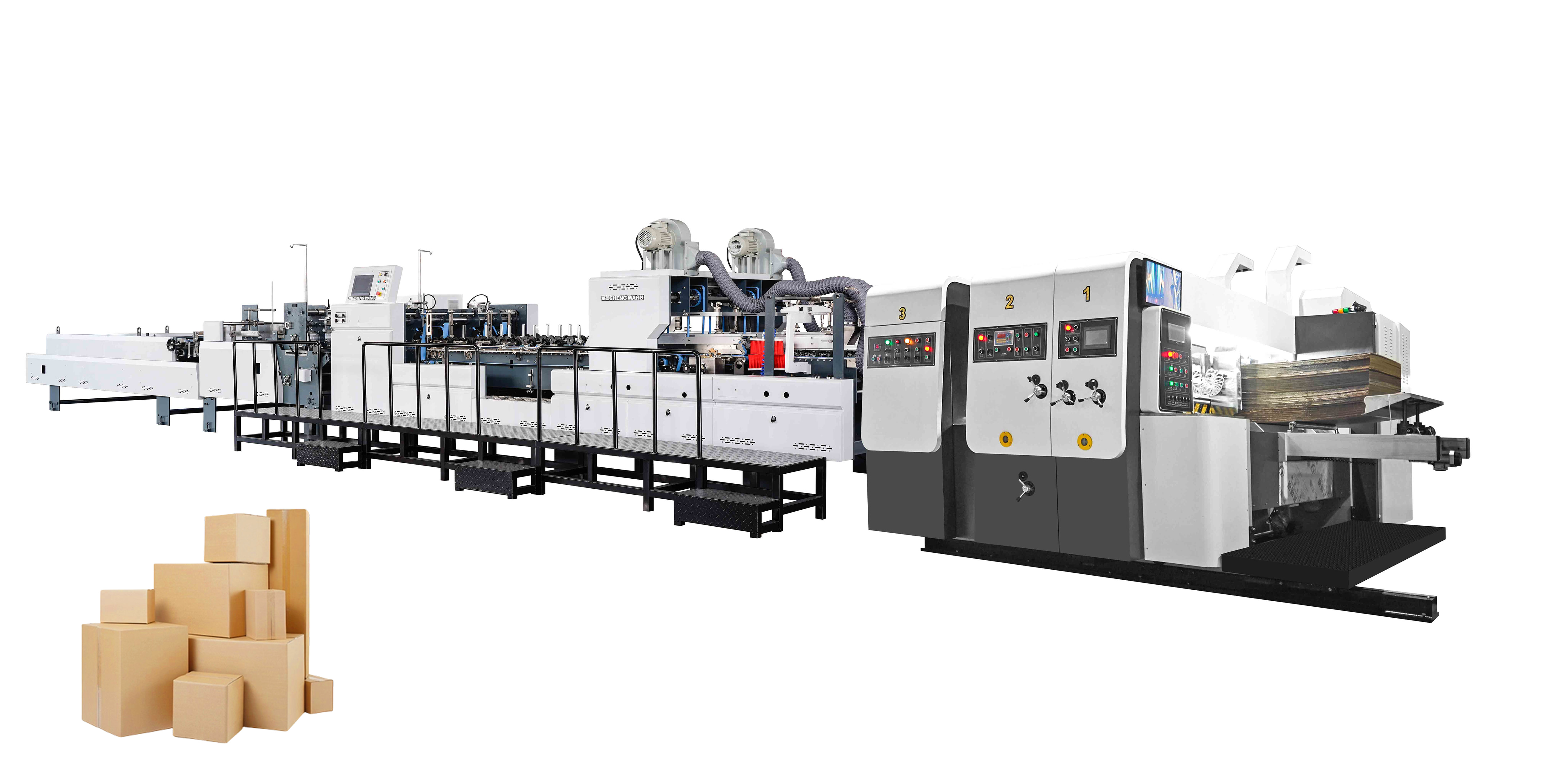
Every day, consumers receive countless packages — cartons, boxes, and packages that arrive at doors, on store shelves, or inside parcels. While most people focus on what is inside, the quality of the packaging itself is often overlooked. Yet, the way a box is folded and glued can have a profound impact on how well it protects its contents. In many industries, poor folding or inadequate adhesive bonds can lead to product damage, leaks, or even safety hazards.

explores the critical role that folding and gluing play in packaging integrity. We examine how these processes influence structural strength and durability, why failures can cause real-world issues, and what modern techniques and machinery — such as a Folder Gluer — contribute to safer packaging. By better understanding the mechanics behind these processes, consumers and businesses alike can appreciate the hidden engineering that ensures products arrive in good condition.
The Basics of Folding and Gluing in Packaging
From Flat Material to Structured Box
At its core, a box is nothing more than a flat piece of board or paperboard that has been creased, folded, and glued. The transformation from a flat sheet to a rigid container relies on precise scoring (to create fold lines), controlled folding, and correctly applied adhesives. A well-executed fold line ensures the creases are sharp and aligned, while the glue lines must firmly bond the overlapping panels.
If any of these steps are off — for example, if scoring is too deep or too shallow, or if glue is misapplied — the resulting box may lack proper structural integrity. Over time or under stress (such as stacking, vibration, or impact), these weaknesses can lead to failure.
Mechanics of Folding
Proper folding depends on several key factors: the depth and placement of creases, the stiffness of the paperboard, and the direction of the paper fibers. If a fold is not well aligned, it can introduce stress points where the board may tear or weaken over repeated folding. These imperfections are not just cosmetic; mis-folded panels can reduce a box’s load-bearing capacity, making it more likely to collapse or warp.
The Role of Adhesive
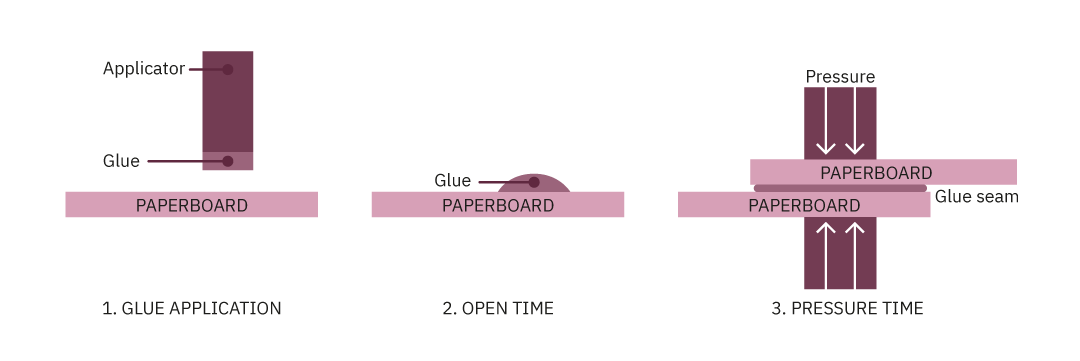
Gluing, meanwhile, is just as critical. There are different types of adhesives used in packaging — from hot-melt glues to cold adhesives — and each has its own characteristics in terms of bond strength, curing time, and compatibility with different materials. For a durable, secure box, the adhesive needs to be applied accurately and in the correct amount.
If the glue line is too thin, the bond may fail under tension; too much glue, and the structure could warp or the adhesive could ooze out. Additionally, if the adhesive is not properly cured, the bond may weaken over time, especially under changing environmental conditions like temperature or humidity.
Consequences of Poor Folding and Gluing
Structural Weakness
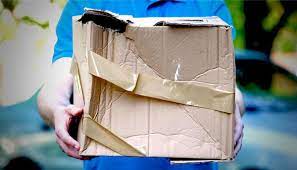
When folding is misaligned or glue is improperly applied, the resulting box can deform. Misaligned panels may not close properly, leaving gaps or uneven edges. These structural weaknesses compromise the box’s strength, especially when boxes are stacked or subjected to pressure during shipping.
Weak hinges — resulting from poor creasing — may tear or crack when the box is handled, reducing its ability to protect its contents. Without solid hinges, a box is more likely to collapse or open under stress.
Glue Failures and Their Impacts
Adhesive failure can be particularly problematic. In weak bonds, a glued flap may separate under load, leading to leaks, contamination, or exposure of the packaged item. For example, if a food or liquid product is in a poorly glued container, it could spill, creating not just waste but potential safety hazards.
In sensitive applications — such as pharmaceuticals — a weak glue bond may compromise tamper-evident features or sealing security. For fragile or high-value products like electronics, a box that isn’t properly glued might come apart during transport, exposing the item to impact damage.
Environmental Stress and Aging
Even a well-folded and glued box is not immune to environmental factors. Temperature, humidity, and aging can all degrade adhesive bonds. Over time, glue may soften or lose its bonding strength, especially if stored under less-than-ideal conditions. A box that once held firmly may loosen or warp, putting its contents at risk.
Real-World Examples of Packaging Failures
Failures in folding and gluing are not just theoretical issues — many consumers have experienced damaged or compromised packages due to poor construction. On forums like Reddit, users have shared stories of packaging that literally “fell apart”:
“Our boxes are so low quality … sometimes the boxes just fall apart on the sorter.”
“When those get damaged they become our service desk toys … there’s nothing holding them together so as soon as 1 cup tears apart … they all have to get thrown away.”
In these stories, weak folds or insufficient glue contribute to packaging that cannot protect its contents. For some, this means product damage; for others, frustrating returns or replacements.
Another common issue appears in ecommerce: liquid beauty products arriving in flattened, leaking boxes. These happen when the box structure fails under pressure, often as a result of poor alignment or adhesive separation.
Why Structural Integrity Matters in Different Industries
Food and Beverage Packaging
In food packaging, the safety and cleanliness of contents are paramount. Packaging that fails may open, leak, or expose food to contaminants. Boxes used for take-out meals, snack items, or goods in shipping must withstand handling, stacking, and potentially rough transit. If folding or glue is compromised, it can lead to spills, spoilage, or hygiene issues.
Pharmaceuticals and Medical Products
Medical or pharmaceutical packages often rely on tamper-proof or child-resistant features. These features work only if the box is precisely folded and securely glued. A misaligned fold or weak adhesive may undermine the barrier, risking product integrity or patient safety.
Electronics, Fragile Goods, and High-Value Items
For delicate electronics, structural failures in packaging can be disastrous. Without a rigid, well-bonded box, shock absorption becomes inconsistent. As a result, devices may shift, edges may rub, and internal components may be damaged. Proper folding ensures uniform shape, and secure gluing ensures that protective panels stay in place.
E-commerce and Logistics
With the rise of e-commerce, products frequently travel long distances and undergo multiple handling steps — from warehouses to delivery vans to retail shelves. Packaging must endure stacking, drops, and compression. If folding or gluing is substandard, boxes are more likely to burst, open, or collapse, leading to returns, damage, and higher waste. According to data from market research, the global packaging machinery market is expected to grow strongly, driven by demand in e-commerce and logistics.
How Modern Machinery Enhances Folding & Gluing Quality
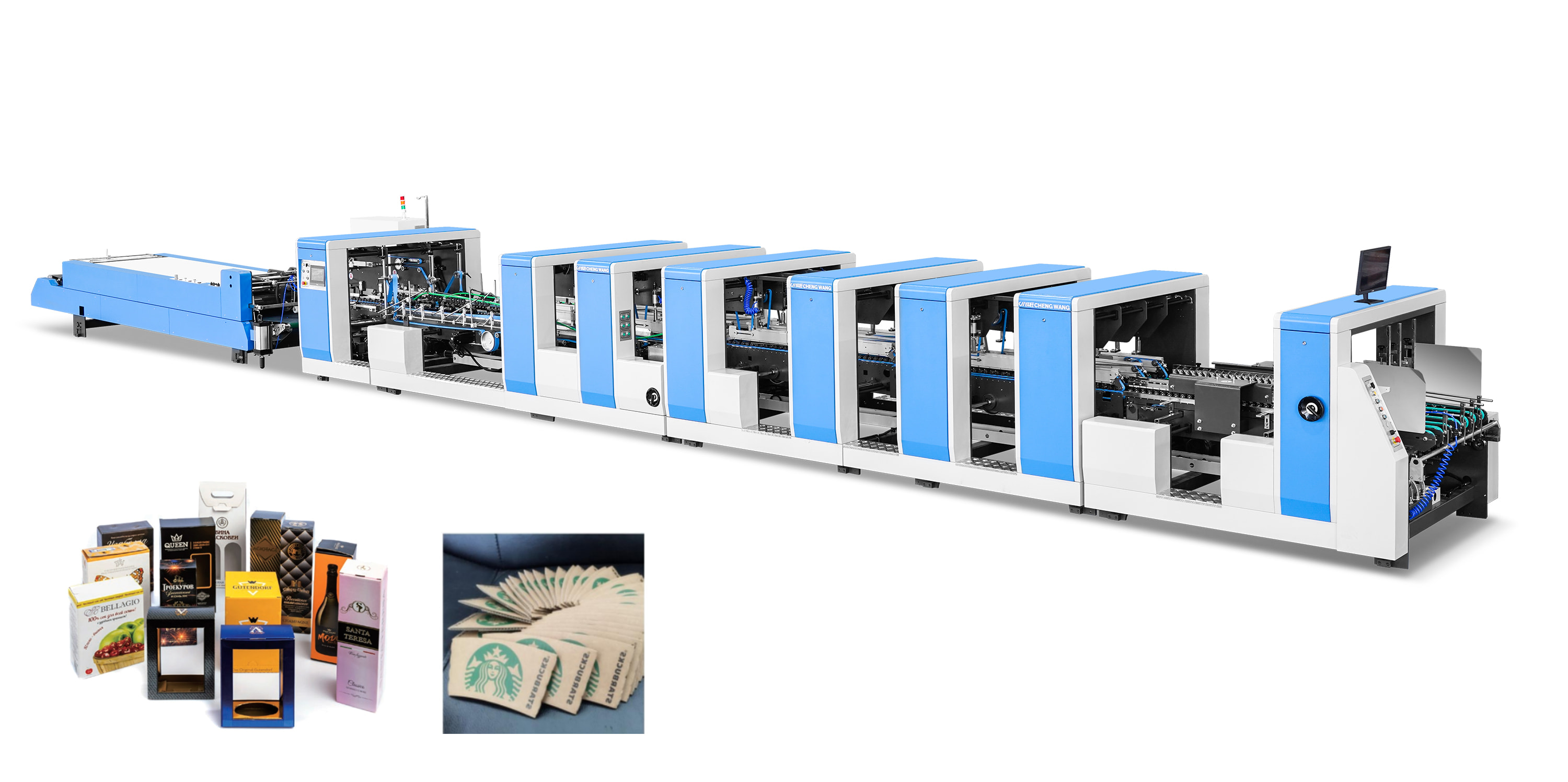
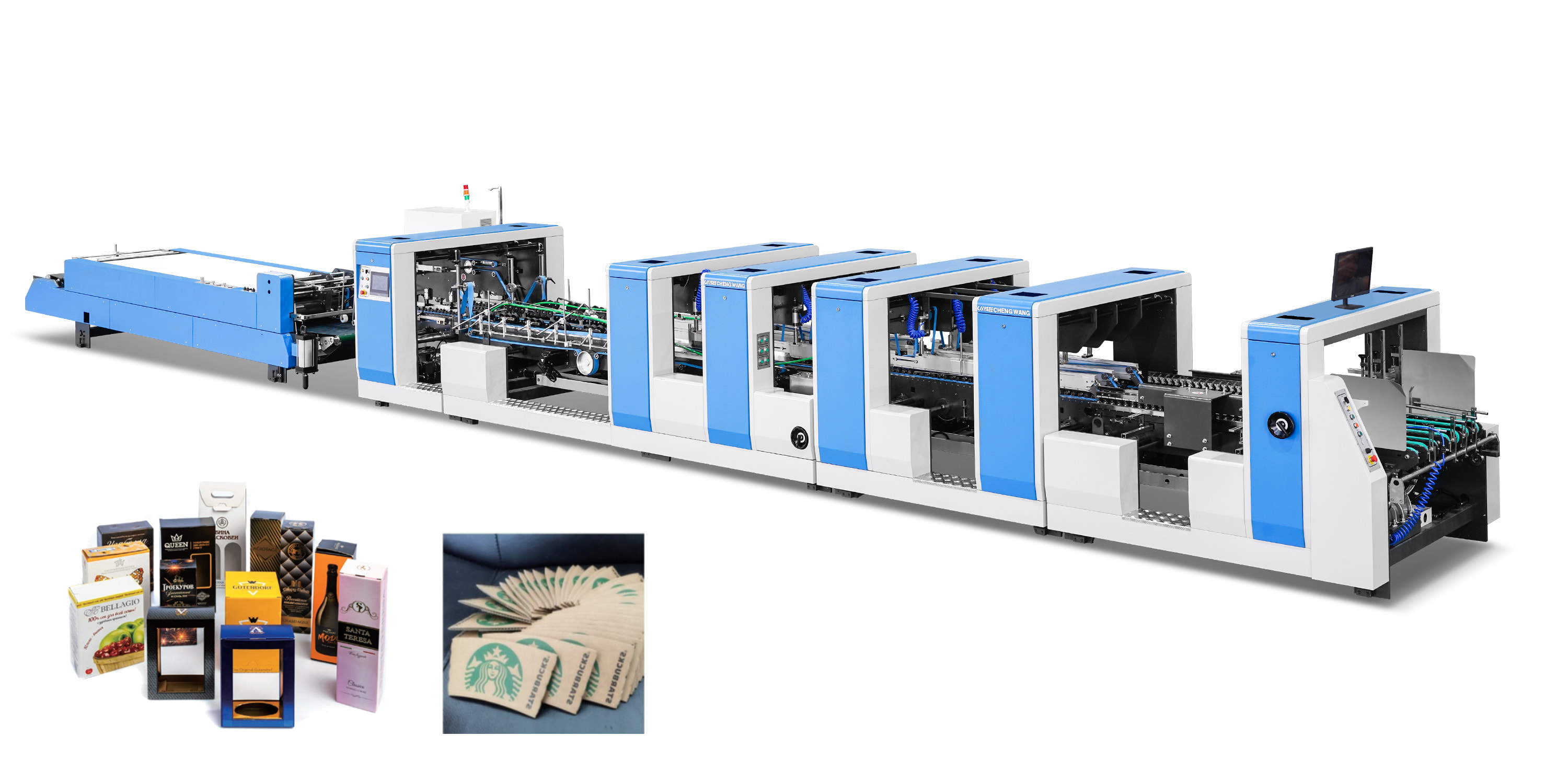
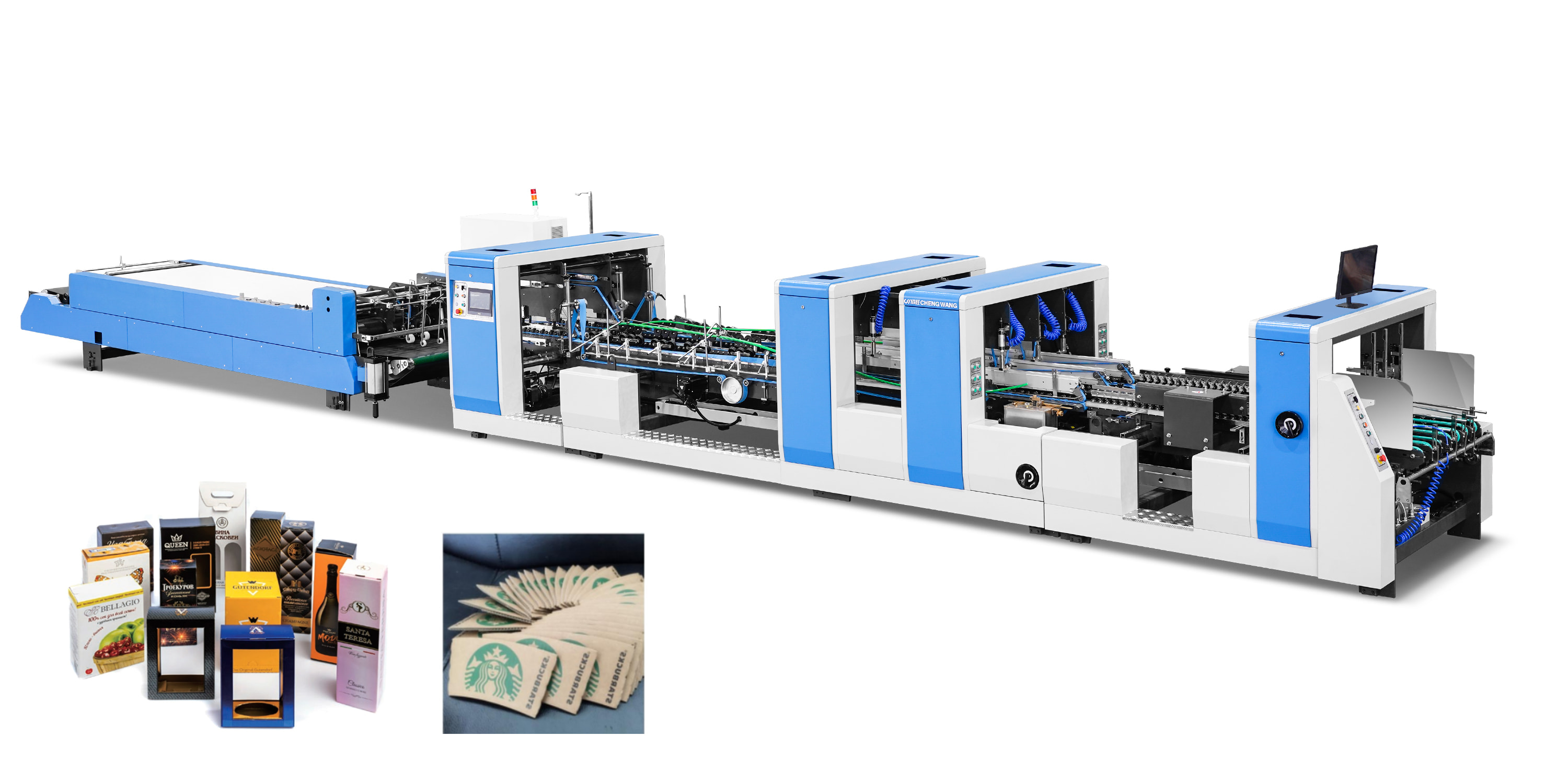
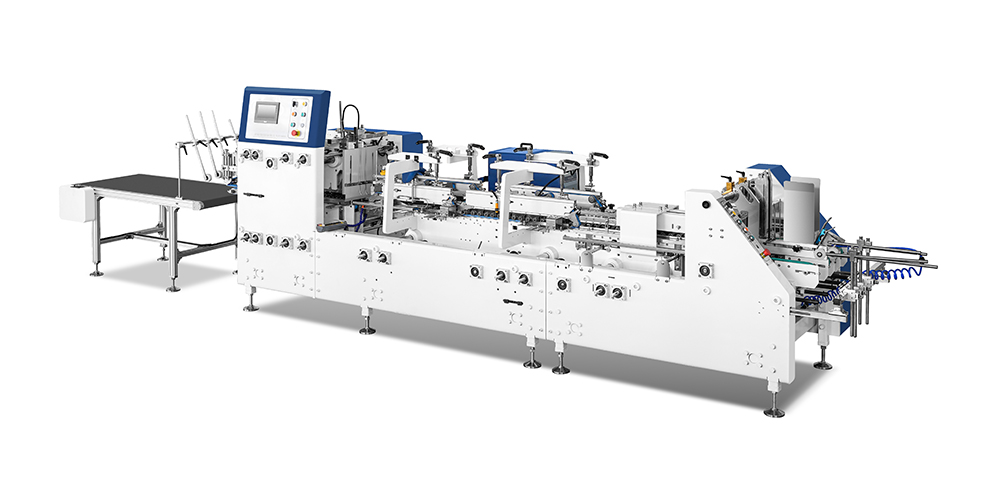
To address these challenges, many packaging producers rely on advanced machines such as Folder Gluer systems. These machines integrate precise folding and glue application in a continuous, automated process. For example, automatic folder gluer machines can rapidly process paperboard, applying glue and forming boxes in a highly consistent manner.
A well-maintained folder gluer ensures that every box has consistent crease depth and glue application, reducing the risk of misfolds or weak bonds. This kind of automation is especially important in high-volume packaging environments, where human error and manual gluing would be impractical.
Some machines even include control systems for glue amount, pressure, fold alignment, and speed. By controlling these parameters tightly, manufacturers can produce strong, reliable boxes that protect their contents throughout transport.
The Economic and Market Context
The importance of machine-based packaging is supported by market trends. The folder gluer machine market is significant: recent reports estimate its size at hundreds of millions of dollars, with increasing demand driven by e-commerce and the need for efficient production.
Furthermore, the broader packaging machinery market is forecast to grow steadily. According to Data Bridge Market Research, the packaging machinery market is expected to reach substantial scale by the end of the decade, reflecting stronger investment in automation and quality control.
Within that market, “folding gluing” machines are a core segment because they directly contribute to packaging reliability and structural integrity — two factors closely tied to product safety.
How Consumers Can Recognize Better Packaging
While most consumers won’t see the folder gluer behind the scenes, they can still look for signs of good folding and gluing in boxes:
- Neat Creases: High-quality boxes have sharp, straight folds, not warped or uneven edges.
- Seam Alignment: When the flaps come together, they should meet cleanly, without gaps.
- Glue Lines: Well-bonded areas should not show excess glue or dried residue.
- Floor and Corners: Check that the bottom of a box is firm and square — loose or bulging corners can hint at poor adhesive application.
- Consistency: If multiple boxes from the same shipment all show good shape and structure, it's likely they were made on a consistent, well-calibrated folder gluer system.
By paying attention to these details, consumers can often intuitively assess packaging quality. For brands and businesses, choosing reliable machinery helps ensure that their goods reach customers safely.
The Future of Folding & Gluing for Packaging Safety
Advances in packaging machinery continue to improve folding and gluing reliability. Sensor systems are being developed to detect misalignment or weak glue application in real time. In some modern folder gluer setups, cameras or force sensors monitor folding quality line by line, enabling immediate correction.
Robotics and automation are also playing a greater role. For example, research into robotic systems for handling folding tasks shows promise — robots can learn optimal folding sequences for different box designs, reducing stress on the material and improving consistency.
In the long term, better packaging may contribute to sustainability as well: more reliable boxes mean fewer damaged goods, less waste, and lower return rates. As packaging machinery evolves, the link between structural integrity and product safety will continue to strengthen.
When you think about packaging, it’s easy to focus on branding, graphics, or the unboxing experience. But underneath it all lies a critical layer of engineering: how boxes are folded and glued. The quality of these processes affects not only the aesthetics, but the very safety of the product inside.
Poor folding can introduce weak points that compromise strength. Inadequate gluing can allow seams to open under stress. In worst-case scenarios, these failures lead to damaged goods, leaks, or even safety issues — especially in sensitive industries like food, pharmaceuticals, or fragile electronics. Modern machines like folder gluers help mitigate these risks by automating and controlling the key steps of packaging construction.
For manufacturers looking to ensure structural precision and safety, working with experienced Folder Gluer partners is essential. Reliable Folder Gluer technology helps guarantee that packaging not only looks good but performs its protective role effectively.
One such provider, Cenwan Machine, specializes in producing advanced folding and gluing equipment. Their folder gluer machines are designed to deliver stable, high-quality folding and bonding for a wide range of box types. To explore more about their technology and solutions, you can visit their website at cenwanmachine.
By understanding and valuing the role of folding and gluing, both consumers and producers can better appreciate how packaging is not just a container — it’s a vital layer of protection.
Recommended Products
Focus on providing high-quality folder-gluing equipment to customers around the world.



No.3888, Jiangnan Avenue, Nanbin Street, Ruian City, Wenzhou City, Zhejiang Province, China







Privacy Policy Copyright © Zhejiang Chengwang Intelligent Packaging Equipment Co., Ltd.
High Speed Folder Gluer Factory