English
 русский
 Français
 Español
 Deutsch
Quality Assurance Standards in Carton Forming Equipment

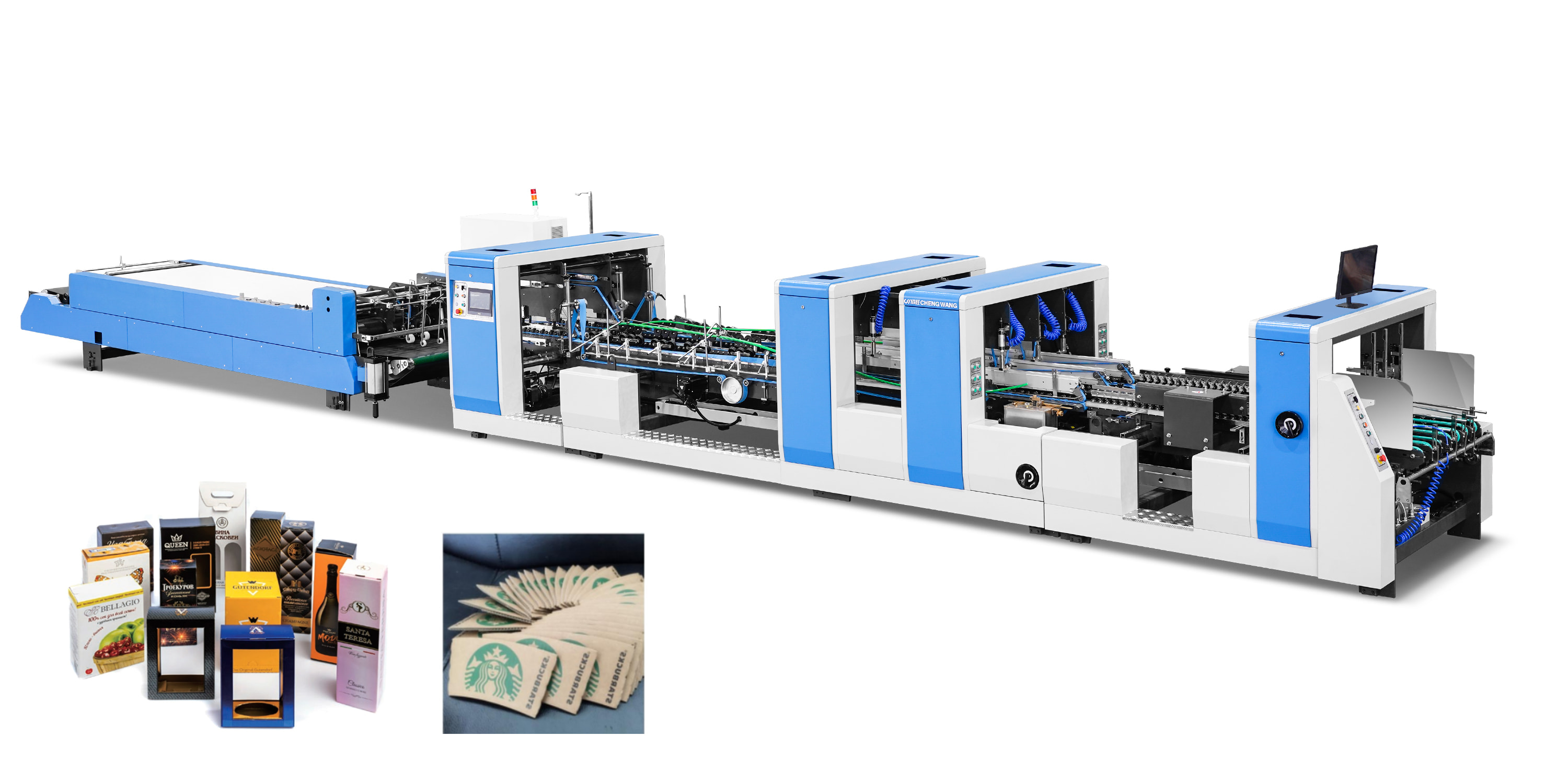
A food brand has a problem. Their new product is ready. But the packaging causes delays. The boxes from their auto folder gluer machine have small size variations. These boxes go to an automated packing line. The variations cause jams. The line stops often. The product launch faces delays. This is a real problem.
What does quality mean for packaging equipment? Is it enough that the machine turns on and runs? Or should quality mean more? For an auto folder gluer machine, quality must mean consistent output. It must make boxes that work perfectly with the next machine in line. This is critical for modern, automated factories.
Today, quality assurance is not just a final check. It is a complete system. It covers the entire life of the machine. It starts with design. It includes how the machine is built. It includes how it is tested. It even includes support after installation. This system manages risk. It protects the customer's brand.
Quality Starts with Design
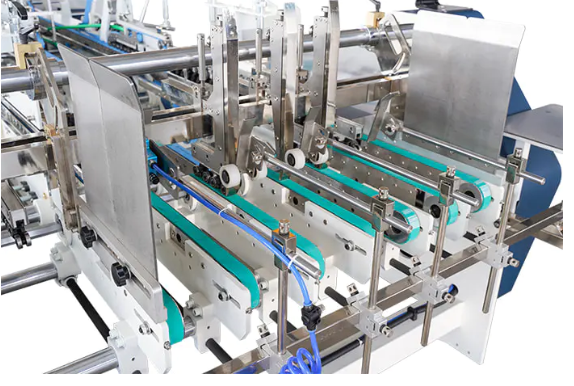
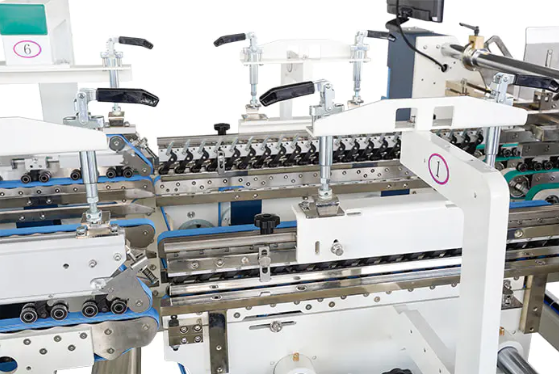
You cannot fix a bad design during manufacturing. Good quality must be designed into the machine from the start.
First, designers must think about what could go wrong. They use a method called Failure Mode and Effects Analysis (FMEA). They list every part of the machine. They ask: How could this part fail? How bad would that failure be? How often might it happen? How would we know it failed? For example, a guide rail could wear out. This would make boxes misaligned. The FMEA process helps designers choose better materials or add a wear sensor. They fix problems on paper before any metal is cut.
Designers must also identify the key features. These are the parts that directly affect box quality. For a folder gluer, key features include the precision of the folding arms and the accuracy of the glue nozzle. The design must make these features very robust and easy to adjust.
Good design uses standard parts when possible. Using proven motors, bearings, and sensors increases reliability. It also makes repairs easier. A modular design is also helpful. This means the machine is built from separate, functional blocks. The feeding system is one block. The gluing system is another. Each block can be tested and improved on its own.
Finally, there must be control over design changes. Once a design is approved, it is "frozen." If someone wants to change it, they must follow a strict process. They must show how the change affects cost, performance, and schedule. Everyone works from the same, latest set of drawings.
Controlling the Manufacturing Process
A perfect design is worthless if the factory cannot build it correctly. Stable processes make stable products.
It starts with the parts that arrive at the factory. The company must work with good suppliers. For critical parts like servo motors or PLCs, the factory might inspect every piece. Or they might require the supplier to provide a quality certificate. Important parts like the machine frame or main shaft should have a serial number. This allows tracing the part back to its source.
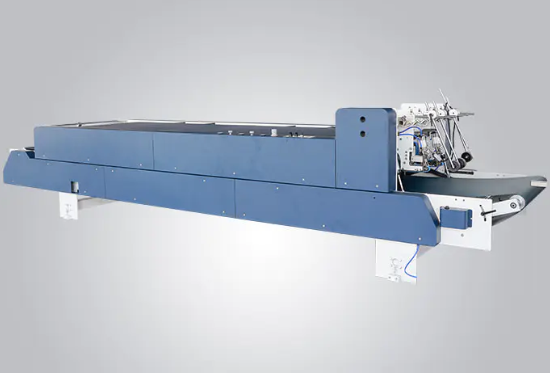
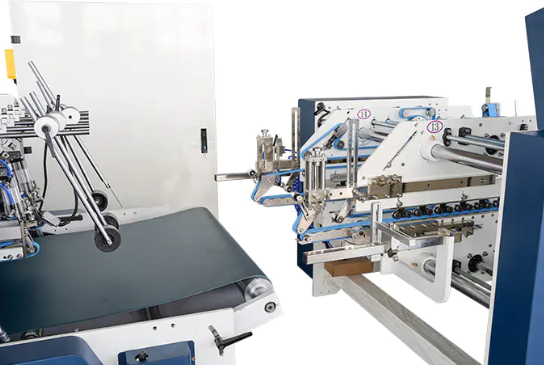
During manufacturing, some steps are more important than others. These are called critical control points. For an auto folder gluer machine, welding the main frame is critical. If the frame warps, the whole machine will be inaccurate. The welding process must be controlled precisely. The welded frame might need heat treatment to remove stress. After machining, inspectors use tools like laser trackers to check key dimensions.
Assembly must follow clear instructions. Each machine should be built the same way. Technicians use detailed, visual work guides. These guides show every step of putting the machine together. This ensures consistency from the first machine to the one hundredth.
Factory Testing and Performance Proof
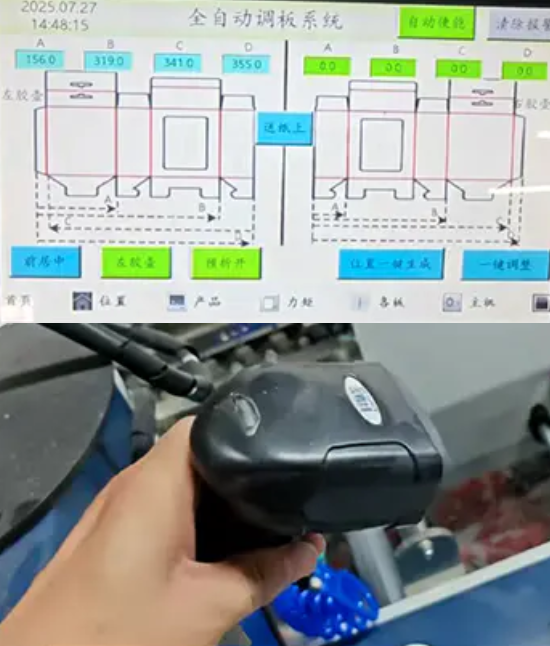
Before a machine leaves the factory, it must prove it can do its job. Testing simulates real work.
First, technicians run the machine empty. They run it at full speed through all its motions. They listen for unusual noises. They feel for excess vibration. They check that nothing gets too hot. They test every safety feature. They make sure all emergency stops work instantly.
Then comes the most important test: the production test. Technicians load the machine with real cardboard. They use the type of board the customer specified. They run the machine for several hours at its rated speed. They count how many times it jams or makes a mistake. They measure the boxes it produces. They check the length, width, height, and diagonal. They measure the fold angles. They check if the glue is in the right place. They use a tool to pull on the glue seam and test its strength. They also test how easy it is to change from one box size to another.
All these tests create a report. This report is like a machine's birth certificate. It lists all the test conditions and results. A lead engineer signs it. The report proves the machine met all its performance targets before it was shipped.
Support After Delivery
Quality assurance does not end at the factory door. A machine must be installed correctly and used properly.
The manufacturer should guide the installation. They provide a checklist for the customer. The checklist covers floor strength, electrical power, and air supply. An engineer from the manufacturer often visits the site. They help with final alignment and setup. They run tests again to make sure the machine performs just as well in the customer's factory as it did in the test lab.
Training is a key part of quality. The manufacturer must train the customer's team. Training should cover safe operation, daily checks, basic maintenance, and simple troubleshooting. Good manuals and clear spare parts lists are essential.
Finally, good manufacturers stay connected. They use data from the machine to offer remote support. They learn from problems that happen in the field. They use this information to make their next design even better.
In today's market, a strong quality system is what separates good suppliers from great partners. It shows a commitment to the customer's long-term success, not just a one-time sale.
Building and following such a system takes real effort. It needs investment. It needs all departments to work together. It needs a culture that cares about getting things right the first time.
At CENWAN, quality is our foundation. We treat it as essential, not optional. From the first design review to the final test run, every step for our Auto Folder Gluer Machines follows strict internal rules. We know our customers buy more than a machine. They buy years of dependable production. That is why our quality standard has one clear goal: to make every machine we deliver the most reliable and trusted part of our customer's production line.
Are you looking for an equipment partner that is serious about quality? Learn more about the CENWAN quality system. Ask for our Quality Assurance whitepaper. Or schedule a visit to our manufacturing and testing center.
Recommended Products
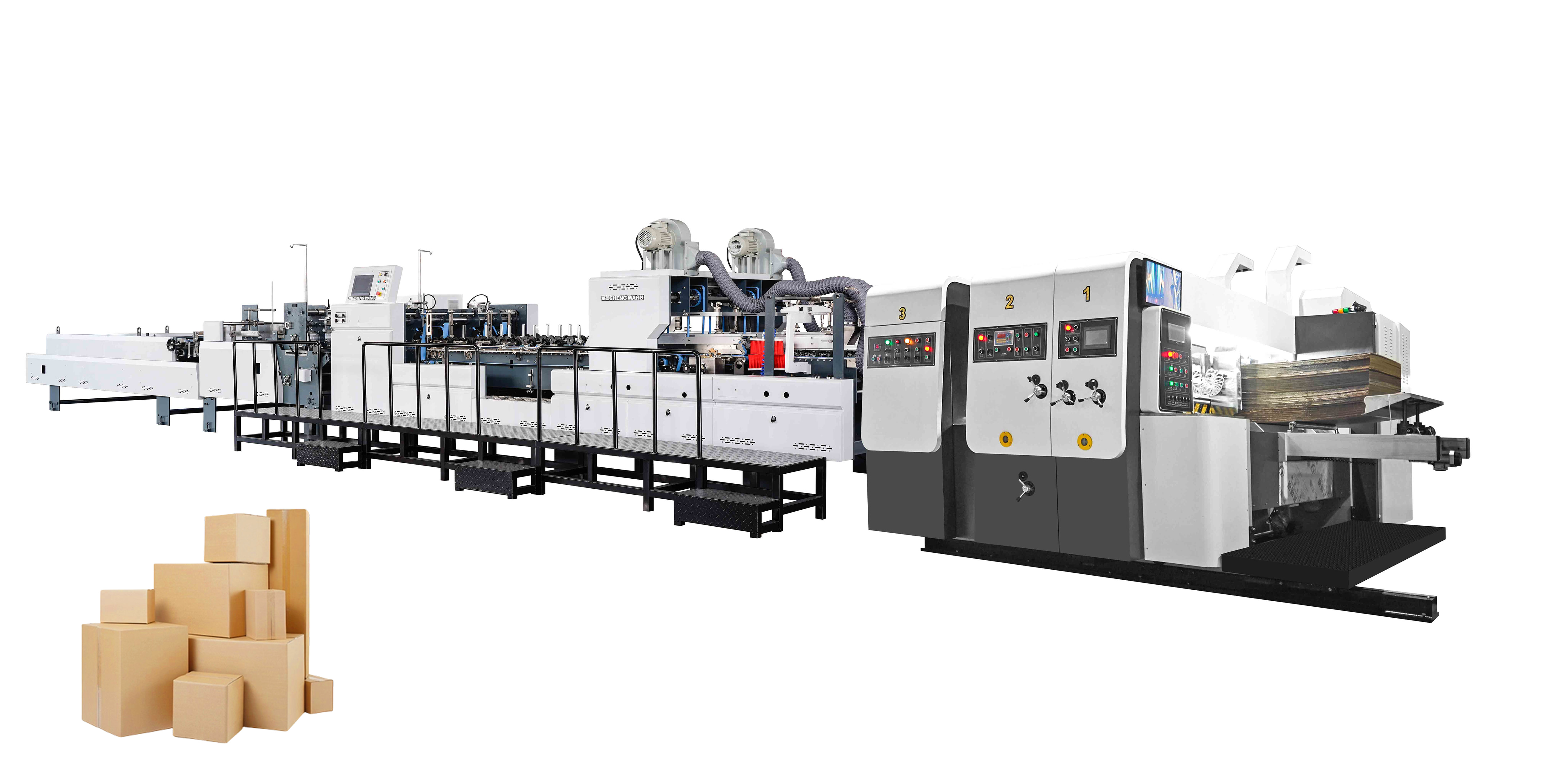
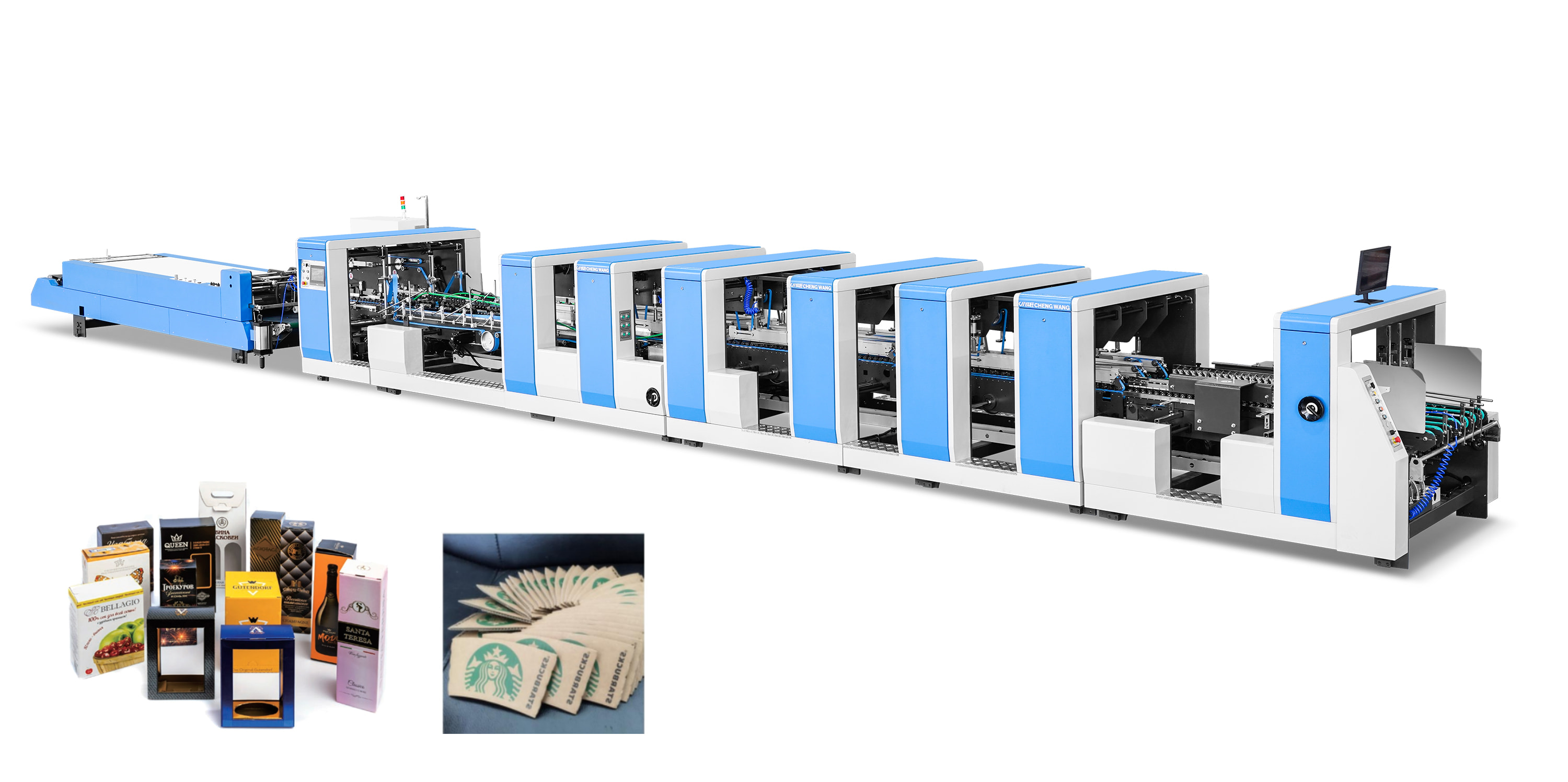
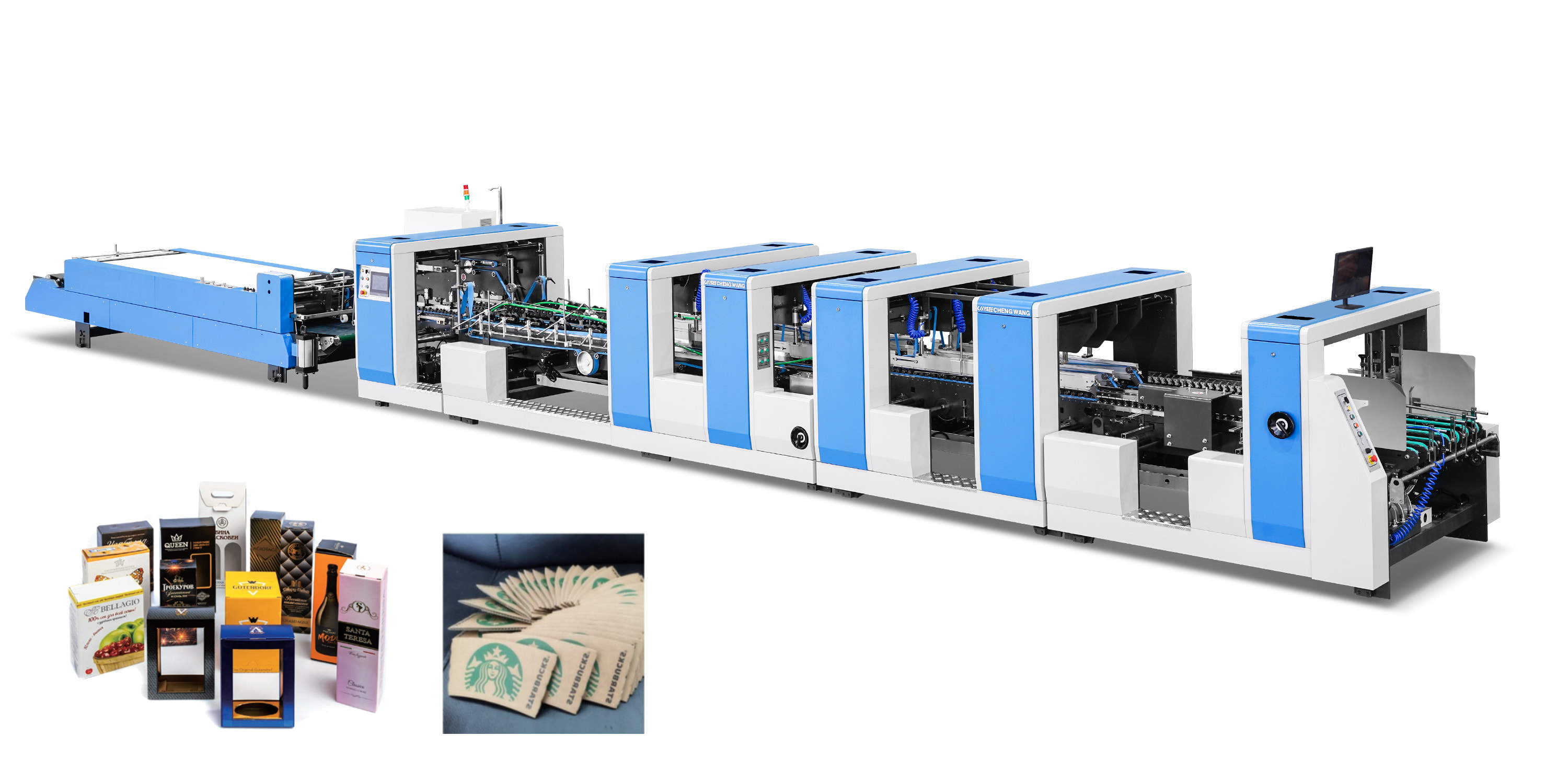
Focus on providing high-quality folder-gluing equipment to customers around the world.


No.3888, Jiangnan Avenue, Nanbin Street, Ruian City, Wenzhou City, Zhejiang Province, China







Privacy Policy Copyright © Zhejiang Chengwang Intelligent Packaging Equipment Co., Ltd.
High Speed Folder Gluer Factory