English
 русский
 Français
 Español
 Deutsch
How Automatic Folding and Gluing Reduces Labor Cost by 70 Percent
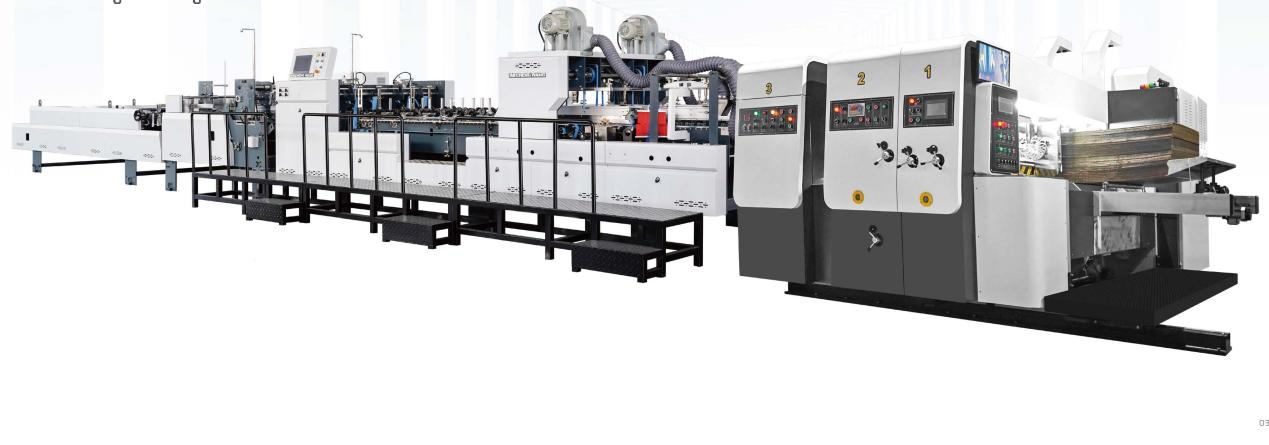
Labor cost is one of the biggest challenges in packaging and box manufacturing. Many factories still rely on manual folding and gluing, which demands skilled workers, constant supervision, and long working hours. As order volumes grow and deadlines tighten, this approach becomes difficult to sustain.
This is where automation changes everything. Modern folding and gluing systems dramatically reduce the number of operators needed while increasing speed and consistency. In this guide, we explain how automatic folding and gluing reduces labor cost, improves productivity, and delivers measurable returns for manufacturers using an automatic high speed cardboard box folding machine or corrugated box folding machine.
Traditional Manual Folding and Gluing Challenges
Manual folding and gluing depends heavily on human effort. Workers fold cartons by hand, apply glue manually, and stack finished boxes. This process creates several problems.
Common challenges
- High manpower requirement
- Inconsistent folding quality
- Slow production speed
- Operator fatigue and errors
- Rising labor wages
- Difficulty scaling production
In a typical manual setup, multiple workers are needed just to keep production moving. Quality also varies from shift to shift, which leads to waste and rework.
How Automation Changes Folding and Gluing
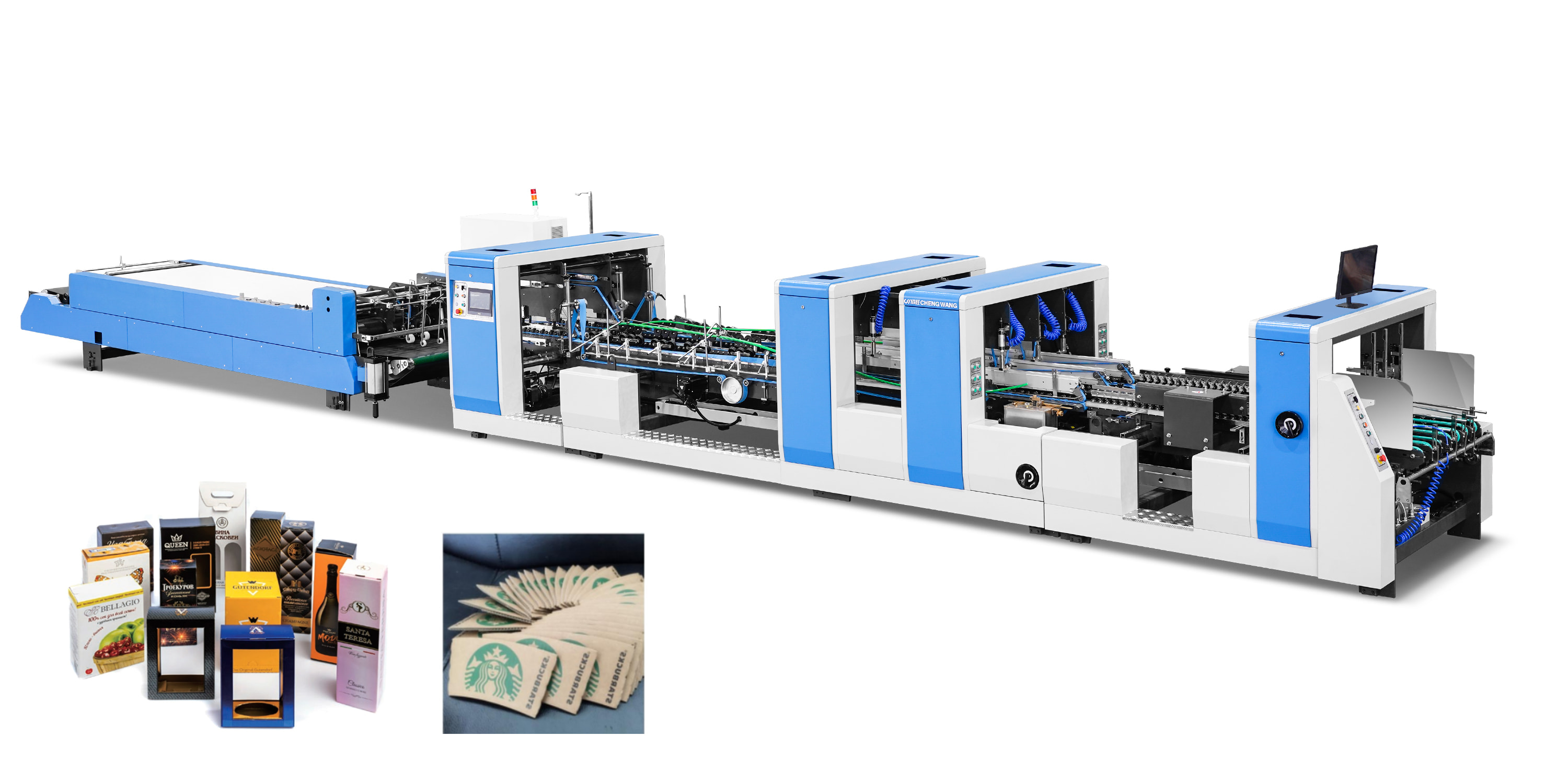
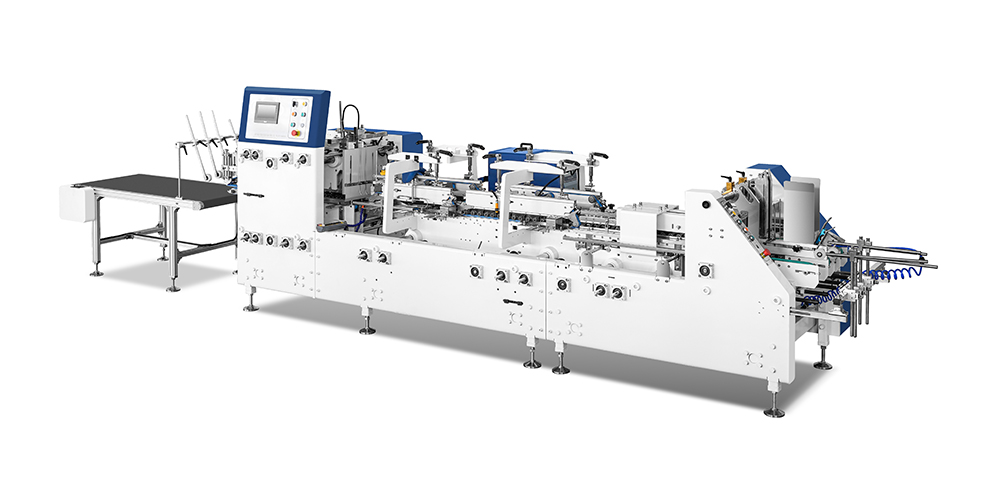
Automatic systems use machines to feed, fold, glue, press, and deliver cartons with minimal human involvement. A modern automatic folding gluing machine manufacturers solution can replace many manual tasks with precise mechanical movements and sensors.
Automation directly impacts labor efficiency by reducing dependency on skilled operators. Instead of several workers handling cartons, a small team supervises the entire line.
Operator Reduction With Automatic Folding and Gluing
One of the biggest advantages of automation is operator reduction. Let us look at a simple comparison.
Manual setup
- 6 to 10 workers per shift
- Separate roles for folding, gluing, stacking
- Constant supervision required
Automatic setup
- 1 to 2 operators per shift
- Machine handles folding and gluing
- Operators focus on monitoring and material loading
This is how automatic folding gluing reduces labor cost by up to 70 percent in real production environments.
Manual vs Automatic Folding and Gluing Comparison
The table below shows how automation impacts production and labor.
| Factor | Manual Process | Automatic Process |
| Operators needed | 6 to 10 | 1 to 2 |
| Production speed | Low | High |
| Quality consistency | Variable | Stable |
| Operator fatigue | High | Low |
| Hourly output | Limited | Very high |
| Cost per carton | High | Lower |
| Scalability | Difficult | Easy |
This comparison clearly shows the manual vs automatic folding gluing comparison in practical terms.
Throughput Gain and Speed Improvements
Automation does not just reduce labor. It also increases speed. A modern automatic high speed cardboard box folding machine can process tens of thousands of cartons per hour depending on size and material.
Typical improvements include:
- Production speed increase of 3 to 5 times
- Faster order completion
- Ability to handle peak demand
- Stable output across long shifts
These throughput gain benefits directly support business growth.
Real Labor Reduction Statistics
Based on real factory use cases:
- Labor reduction typically ranges from 60 to 70 percent
- One automatic line replaces multiple manual stations
- Fewer workers manage higher output
This level of labor savings folder gluer machine adoption helps manufacturers remain competitive even as labor costs rise.
Small Shop vs Large Manufacturer Scenarios
Small Packaging Shop
A small shop running manual folding uses eight workers per shift. After installing an automatic system, only two operators are needed. Output doubles while labor cost drops sharply. This improves cash flow and allows the shop to accept larger orders.
Large Manufacturer
A large plant running multiple shifts replaces several manual lines with automated systems. Operator count drops significantly while production capacity increases. This leads to better planning, fewer errors, and stronger manufacturing efficiency.
Both scenarios demonstrate strong automation ROI in packaging.
Understanding ROI and Payback Period
Automation requires upfront investment, but the return is fast. Let us look at how ROI is calculated.
ROI factors
- Reduced labor cost
- Increased hourly productivity
- Lower waste and rework
- Fewer quality complaints
- Reduced overtime
In many cases, the payback period ranges from 12 to 24 months depending on production volume. After that, the savings continue year after year.
This makes automation one of the strongest cost savings manufacturing strategies available today.
Reduced Operator Fatigue and Better Workplace Safety
Manual folding is repetitive and physically demanding. Automation removes this strain. Operators work in monitoring roles rather than manual handling.
Benefits include:
- Reduced fatigue
- Fewer injuries
- Better morale
- Lower staff turnover
This improvement in working conditions is often overlooked but contributes to long term productivity.
Why Automation Supports Long Term Growth
As businesses grow, manual processes struggle to keep up. Automated systems scale easily by increasing speed or adding lines.
Automation supports:
- Consistent quality
- Predictable output
- Faster delivery timelines
- Lower dependence on labor availability
This is why many factories partner with an oem folder gluer machine supplier or carton folder gluer strapping machine supplier when planning future expansion.
Key Automation Benefits at a Glance
- Up to 70 percent labor cost reduction
- Significant operator reduction
- Strong production automation advantages
- Higher hourly productivity
- Improved manufacturing efficiency
- Faster ROI
These benefits make automation a smart decision for modern packaging operations.
Conclusion
Labor cost pressures are rising, and manual folding and gluing can no longer support long term growth. Automatic folding and gluing systems reduce manpower, increase speed, and improve consistency across every shift. By cutting labor needs by up to 70 percent, automation delivers measurable savings and faster returns.
Cenwan focuses on providing reliable solutions that help manufacturers achieve these gains with confidence. Whether operating a corrugated box folding machine or investing in an automatic high speed cardboard box folding machine, automation supports stable production, reduced fatigue, and predictable output for both small shops and large factories.
Frequently Asked Questions
1. How does automatic folding and gluing reduce labor cost
Automatic systems replace manual folding and gluing tasks with machines. This reduces the number of operators needed and improves labor efficiency, which directly lowers labor expenses.
2. How many operators are required for an automatic folding gluing machine
Most automatic folding gluing machine manufacturers design systems that run with one or two operators. Manual setups usually require four to six people for the same output.
3. What labor savings can a folder gluer machine provide
Factories often see labor savings folder gluer machine results of sixty to seventy percent. Savings depend on production volume and the level of production automation used.
4. Is automation suitable for corrugated box production
Yes. A corrugated box folding machine handles heavy boards efficiently and reduces manual handling, making it ideal for high volume corrugated packaging.
5. How does automation improve manufacturing efficiency
Automation increases hourly productivity, reduces errors, and ensures consistent output. This leads to better manufacturing efficiency across the entire packaging line.
6. What is the ROI of an automatic folder gluer machine
The automation ROI in packaging is usually strong. Many manufacturers recover their investment within twelve to twenty four months through labor savings and higher throughput.
7. How does automatic folding compare to manual folding
A manual vs automatic folding gluing comparison shows that manual processes are slower, require more operators, and cause more fatigue. Automatic machines run faster with fewer people and better consistency.
8. Can small manufacturers benefit from automatic folding and gluing
Yes. Even small shops benefit from reduced manpower and stable output. Entry level machines from an oem folder gluer machine supplier allow gradual scaling without heavy labor dependency.
9. Does automation reduce operator fatigue
Yes. Automation removes repetitive manual tasks. This improves safety, reduces strain, and allows operators to focus on quality checks and machine supervision.
10. What other cost savings come from automatic folding and gluing
Beyond labor, automation improves throughput gain, reduces waste, and lowers rework. These automation benefits contribute to long term cost savings manufacturing operations.
Recommended Products
Focus on providing high-quality folder-gluing equipment to customers around the world.



No.3888, Jiangnan Avenue, Nanbin Street, Ruian City, Wenzhou City, Zhejiang Province, China







Privacy Policy Copyright © Zhejiang Chengwang Intelligent Packaging Equipment Co., Ltd.
High Speed Folder Gluer Factory