English
 русский
 Français
 Español
 Deutsch
What Is an Auto Folder Gluer Machine and How Does It Operate
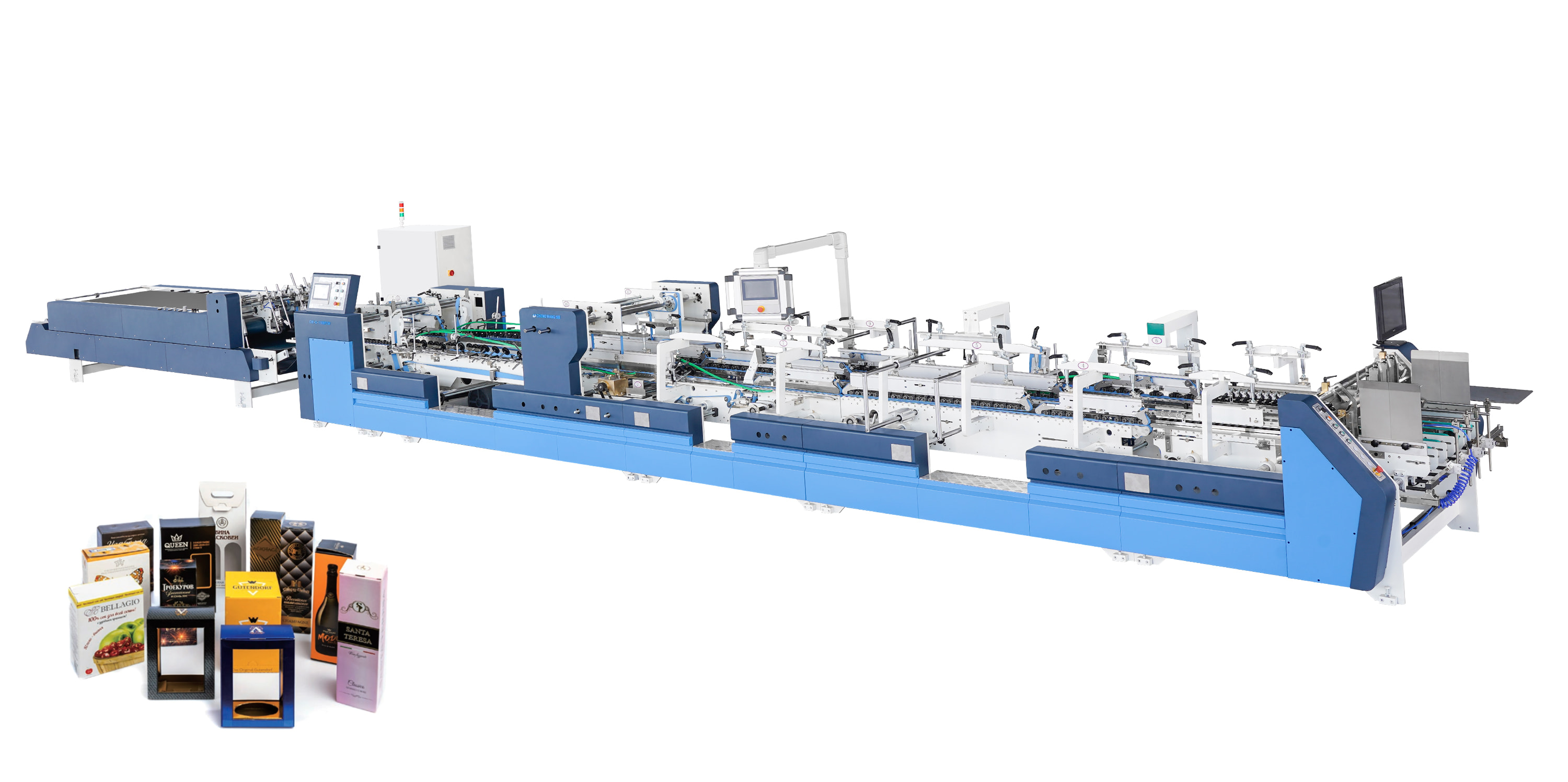
In packaging workshops and production areas, folding and gluing work usually sits somewhere between material preparation and final shaping. It is not the first step, but it decides how the final structure will actually hold together. Over time, this part of the process has shifted from manual handling to more continuous mechanical movement.
In many industrial packaging setups, Zhejiang Chengwang Intelligent Packaging Equipment Co., Ltd. is sometimes mentioned when discussing how folding and bonding systems are arranged in real production environments.
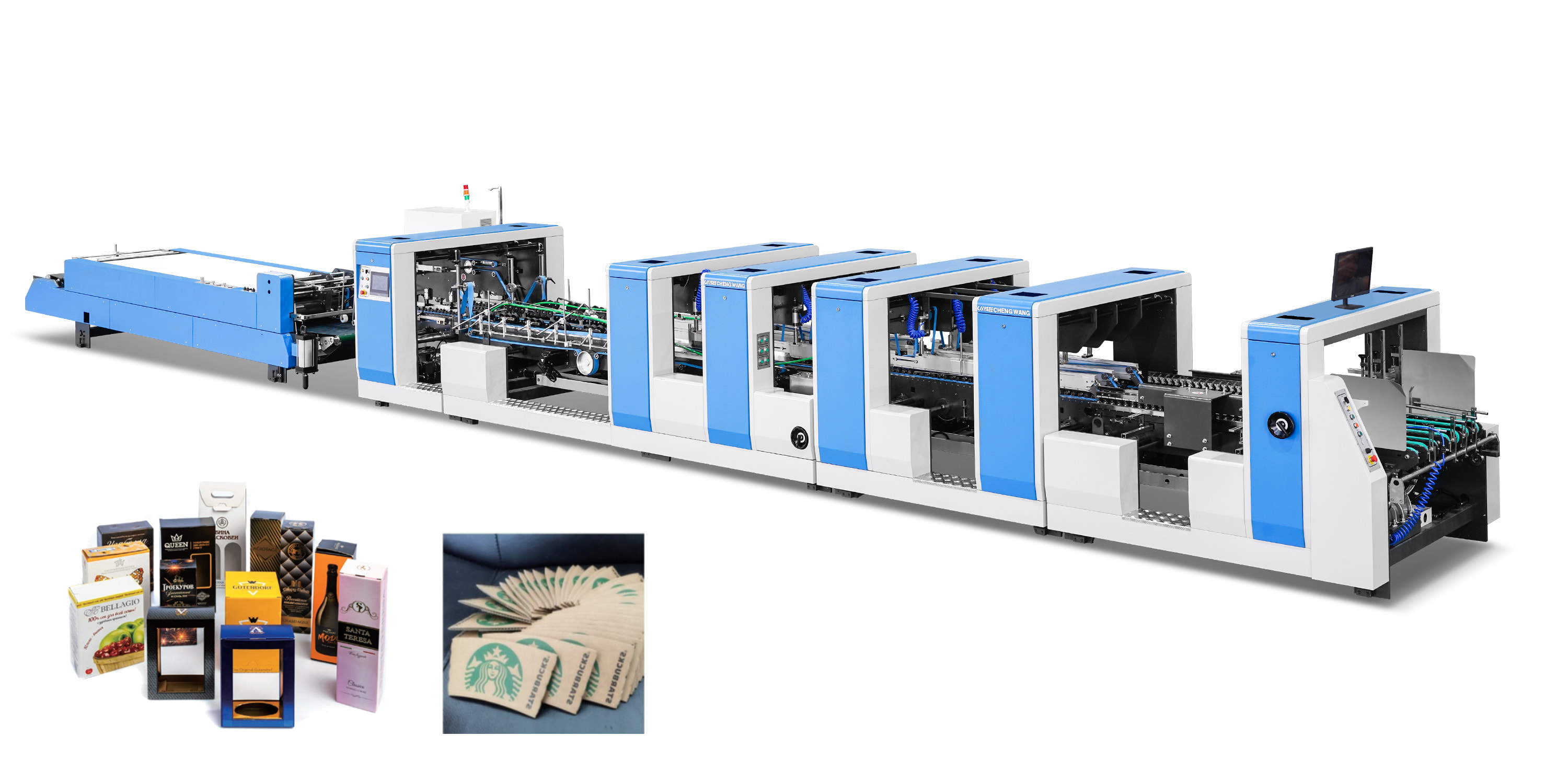
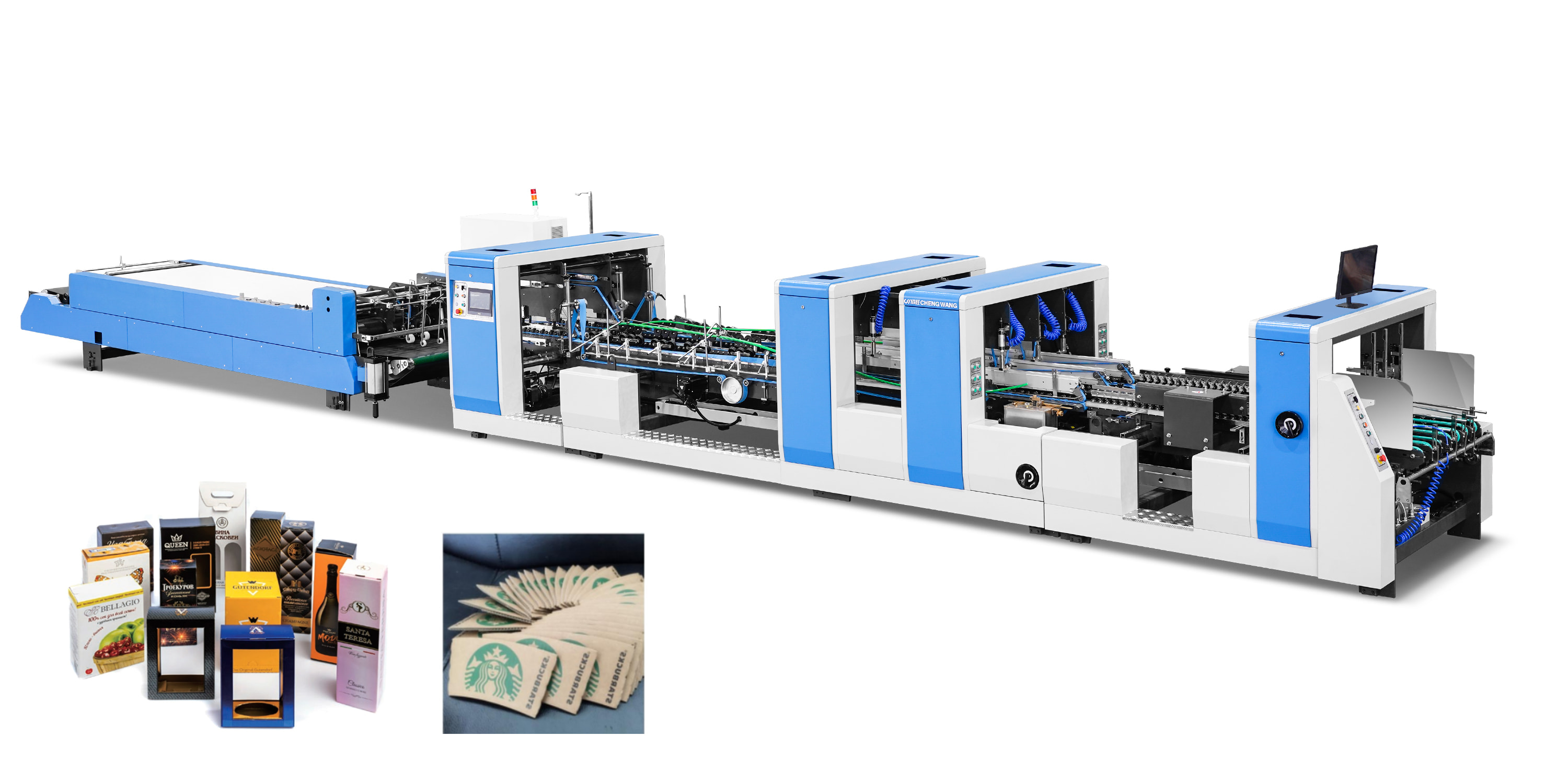
The Auto Folder Gluer Machine is commonly placed in this middle stage of production, where flat sheets are gradually turned into formed packaging through a continuous movement of folding and bonding.
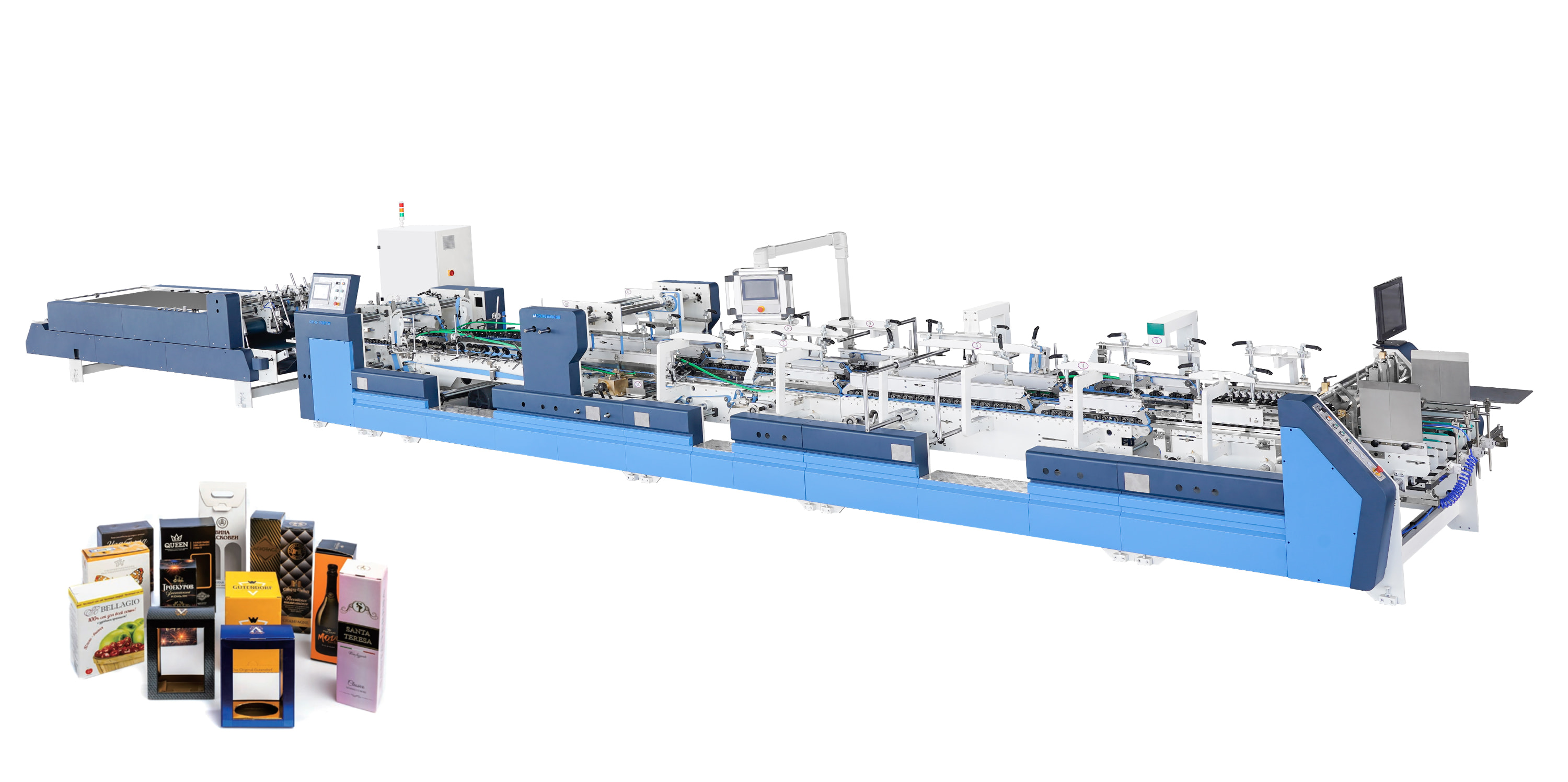
How folding and gluing fit into everyday production
In actual packaging work, folding and gluing are rarely seen as separate tasks anymore. Once a sheet enters the system, it usually stays in motion until it reaches a formed state. The change is gradual, not step-by-step in a visible way.
Before this kind of setup became common, folding might happen in one area and gluing in another. That often meant moving material back and forth between stages. Now, both actions tend to happen along a single path, where material keeps moving forward.
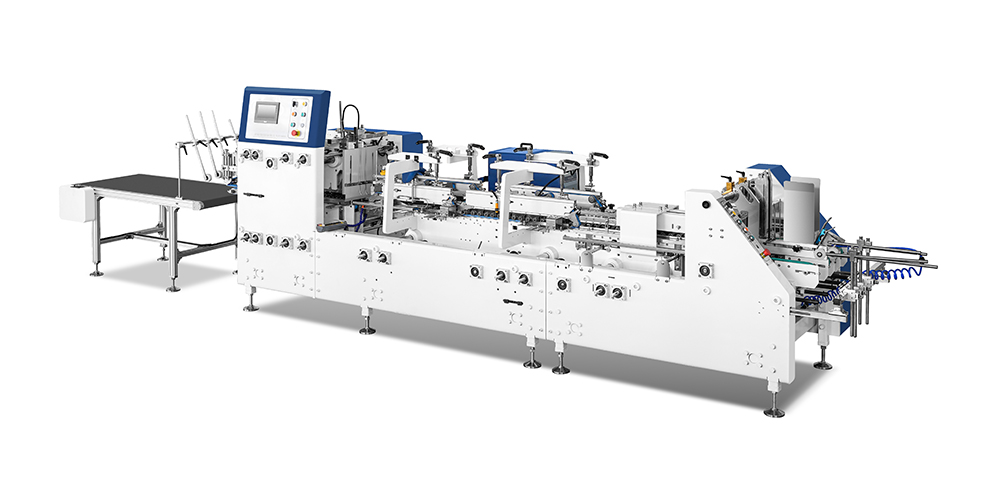
The Folder Gluer Machine is part of this kind of workflow. It doesn't treat folding and bonding as isolated actions, but as something that happens during continuous material flow.
General idea behind the machine
At a basic level, the Auto Folder Gluer Machine handles two things at the same time: shaping flat material and applying adhesive where needed. The interesting part is not the actions themselves, but how closely they are tied together in motion.
Once material enters the machine, it does not stop between steps. It is guided through a sequence where each movement leads naturally into the next one.
In simple terms, the process usually feels like:
- Flat sheet enters and gets aligned
- Material starts to bend into shape while moving forward
- Adhesive is applied during that movement
- Pressure is added to keep the shape stable
- Finished piece moves out without interruption
There is no real pause between these stages, which is what keeps the process continuous.
What happens inside the system
Inside the machine, different sections handle different parts of the movement, but they all stay connected through timing and material flow.
Instead of thinking of it as separate units, it is easier to imagine it as one path with different functions along the way.
The general flow looks something like this:
| Stage in flow | What the material is doing | What the system is doing |
|---|---|---|
| Entry | Flat sheet arrives | Positioning and guiding |
| Transition | Starts to move forward | Controlled alignment |
| Folding zone | Shape begins to form | Directional bending |
| Bonding zone | Contact points appear | Adhesive application |
| Compression zone | Shape stabilizes | Pressure support |
| Exit | Form is complete | Output transfer |
The important part is not each section alone, but how smoothly the material moves between them.
Folding as a gradual change
Folding inside this system does not happen as a sharp movement. It is more like a guided shift in shape while the material is still in motion. The sheet is not forced into form suddenly; instead, it is guided along paths that slowly define its structure.
Different materials react differently to this process. Some bend with little resistance, while others need more controlled guidance. The system responds through mechanical direction rather than manual adjustment.
What stands out in real use is the consistency of motion rather than speed or force.
Gluing during movement
Adhesive application happens while the material is still moving, not after it has stopped. This timing is important because it keeps the process continuous.
The glue is placed at points where the material is already beginning to take shape. That way, bonding happens naturally as the structure forms, instead of being added afterward.
In practice, this depends on a few simple things:
- Timing between folding and adhesive release
- How evenly the adhesive reaches contact points
- How stable the material is while moving
- How quickly the next stage follows
Everything is connected through motion rather than separate steps.
Compression and settling phase
After folding and gluing, the material passes through a section where pressure helps it stay in shape. This part is less about forming and more about keeping everything aligned while the bonding settles.
The movement continues forward, but it is more controlled. This helps reduce shifting or slight misalignment before the material exits the system.
Over repeated use, this stage becomes important for maintaining consistency between pieces, especially when the workflow is continuous.
Differences in machine behavior
Even though the overall concept is similar, not every Folder Gluer Machine behaves in the same way. Small differences in structure and setup change how material moves through the system.
Some setups feel simpler, with fewer changes in direction. Others handle more complex folding paths or different material thickness levels.
In real production environments, these differences usually show up as:
- How smooth the folding transition feels
- How adhesive is applied during motion
- How pressure is distributed in final shaping
- How well different materials are handled
It is less about performance ranking and more about how the system fits into the working flow.
Operator involvement in daily use
Even in automated systems, there is still a level of human attention involved. Operators usually do not handle material directly during processing, but they observe how it moves through the system.
Attention is often placed on:
- Whether material enters smoothly
- If folding paths stay consistent
- How adhesive behaves during application
- How finished output looks after compression
Adjustments are usually made based on how the system responds to material rather than direct manual control of each stage.
Flow in continuous production environments
In packaging workshops where folding and gluing are done in one line, work usually moves without clear breaks. Once material starts entering the system, it tends to keep moving until a finished shape comes out the other side. The rhythm is steady, but not rigid, and small variations in speed or material feel are part of normal operation.
An Auto Folder Gluer Machine in this kind of environment is not treated as a separate station. It becomes part of the movement itself, where material keeps passing through folding, bonding, and pressure stages without stopping in between.
Over time, operators often stop thinking in terms of "steps" and start seeing it more as one continuous motion.
How material behaves during folding
Flat sheets entering the system do not behave exactly the same every time. Some move smoothly into position, while others resist slightly depending on surface condition or stiffness.
As the material enters the folding paths, it does not change shape suddenly. The transition is gradual, guided by mechanical direction rather than force. The shape appears little by little as the sheet moves forward.
In real operation, what stands out is not speed but consistency of movement. Even when material characteristics change slightly, the folding section tends to guide it back into alignment during motion.
Small details often noticed in practice include:
- edges shifting slowly into place instead of snapping
- folding lines forming as the sheet moves forward
- slight differences in resistance depending on material feel
- continuous correction through guiding channels rather than manual adjustment
Gluing as part of movement rather than a separate step
Adhesive application is not something that happens after folding is complete. It is part of the same movement. As the material continues forward, glue is placed at specific points where contact will happen during folding.
Timing is important here, but it is not visible in a strict way during operation. It is built into how the machine moves.
In daily use, this part of the process depends on:
- how smoothly the material is traveling
- when folding points come into contact
- how evenly adhesive spreads along the surface
- how quickly pressure follows after application
If any of these drift slightly, the system usually adjusts through movement rather than stopping the flow.
Pressure stage and settling behavior
After folding and gluing, the material continues into a section where pressure is applied. This part does not change the shape anymore, but helps everything stay in place while bonding settles.
The movement is still continuous, but slower and more controlled compared to earlier stages. The material is guided forward while being pressed at the same time.
What operators often notice here is not the force itself, but how stable the output feels after leaving this section.
Different ways Folder Gluer Machine systems behave
Even though the basic idea is similar across systems, their behavior can feel different depending on how they are built and how material flows through them.
Some systems feel more direct, with simple folding paths and steady timing. Others introduce more layered movement, where material follows more than one guiding direction before forming.
In practical environments, differences often show up like this:
- smoother or more segmented folding motion
- variations in how adhesive is introduced into the flow
- different pressure behavior depending on structure design
- changes in how material transitions between stages
It is less about comparison and more about how each system fits into its own working rhythm.
Operator attention during production
Even in automated setups, someone is usually watching how things move. Not to control each step, but to notice if the flow changes over time.
Attention is usually subtle. It is not about adjusting every detail, but about recognizing when something feels slightly different in movement or output.
Common things observed include:
- whether material enters without hesitation
- how folding behaves over repeated cycles
- whether glue placement stays consistent
- how output holds shape after compression
Adjustments, when needed, are usually small and gradual rather than direct intervention.
Maintenance as part of routine use
With continuous movement systems like this, maintenance is less of a separate activity and more of something that blends into daily operation. Areas that stay in contact with moving material or adhesive tend to need attention more often.
Over time, attention is usually given to:
- sections where adhesive tends to accumulate
- folding paths that guide repeated movement
- pressure areas that handle constant contact
- feeding points where alignment begins
These areas slowly reflect how often the system has been used rather than any sudden change.
Material variation during real use
In actual packaging work, materials are rarely identical from batch to batch. Even small differences in thickness or surface texture can slightly change how they move through the system.
The Auto Folder Gluer Machine does not require separate handling for each variation. Instead, it relies on continuous guiding and pressure to keep movement stable.
What tends to happen in practice:
- softer sheets follow folding paths more easily
- stiffer sheets resist slightly before settling into shape
- surface differences may affect adhesive contact feel
- flow stability remains the main factor across variations
The system adjusts through motion rather than interruption.
Long-term use and flow consistency
After extended use, the machine becomes part of the working rhythm of the space. Operators begin to recognize patterns in how material moves through it and how output behaves over time.
Instead of focusing on individual operations, attention shifts toward overall flow:
- whether material keeps moving smoothly
- how folding holds consistency across cycles
- how bonding behaves after repeated use
- how often small adjustments are needed
These observations build gradually through repetition rather than instruction.
In packaging environments, folding and gluing have become part of one continuous motion rather than separate stages. The Auto Folder Gluer Machine fits into this pattern by keeping material in motion while shaping and bonding happen together.
Within the broader Folder Gluer Machine category, this kind of continuous flow reflects how packaging work has shifted toward smoother transitions between stages.
Over time, the machine becomes less of a visible process point and more of a steady background rhythm in packaging production, where material moves forward, changes shape, and stabilizes without drawing attention to each step.
Recommended Products
Focus on providing high-quality folder-gluing equipment to customers around the world.



No.3888, Jiangnan Avenue, Nanbin Street, Ruian City, Wenzhou City, Zhejiang Province, China







Privacy Policy Copyright © Zhejiang Chengwang Intelligent Packaging Equipment Co., Ltd.
High Speed Folder Gluer Factory