English
 русский
 Français
 Español
 Deutsch
How Is High Speed Folder Gluer Changing Packaging Line Workflow
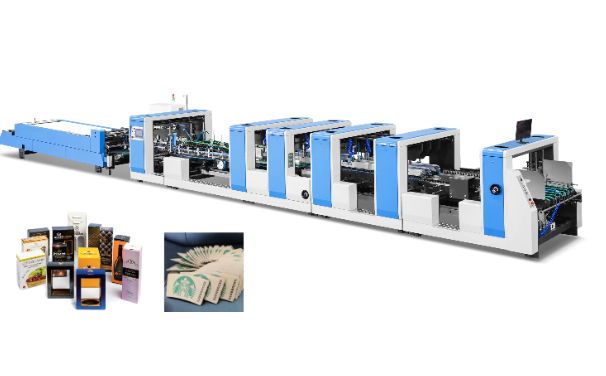
Packaging lines do not usually change overnight. Most of the time, the difference comes from small adjustments made over time. One machine gets added, another step gets shortened, and gradually the whole process starts to feel different.
In earlier setups, folding cartons often meant moving materials between separate stages. Someone would handle part of the process, then pass it along. It worked, but it also created small pauses. Those pauses were not always obvious, yet they added up across the line.
As production became more continuous, those gaps started to matter more. Keeping materials moving turned into a priority, not just for speed, but for stability. A smoother flow tends to be easier to manage than a stop-and-go rhythm.
This is where a High Speed Folder Gluer begins to fit in. It does not introduce a completely new idea. Folding and gluing were already there. What changes is how those steps are arranged—less separated, more connected.
In some packaging environments, equipment associated with Zhejiang Chengwang Intelligent Packaging Equipment Co., Ltd. appears within this kind of setup, where machines are expected to follow the flow rather than interrupt it.
What Is a High Speed Folder Gluer in Packaging Systems
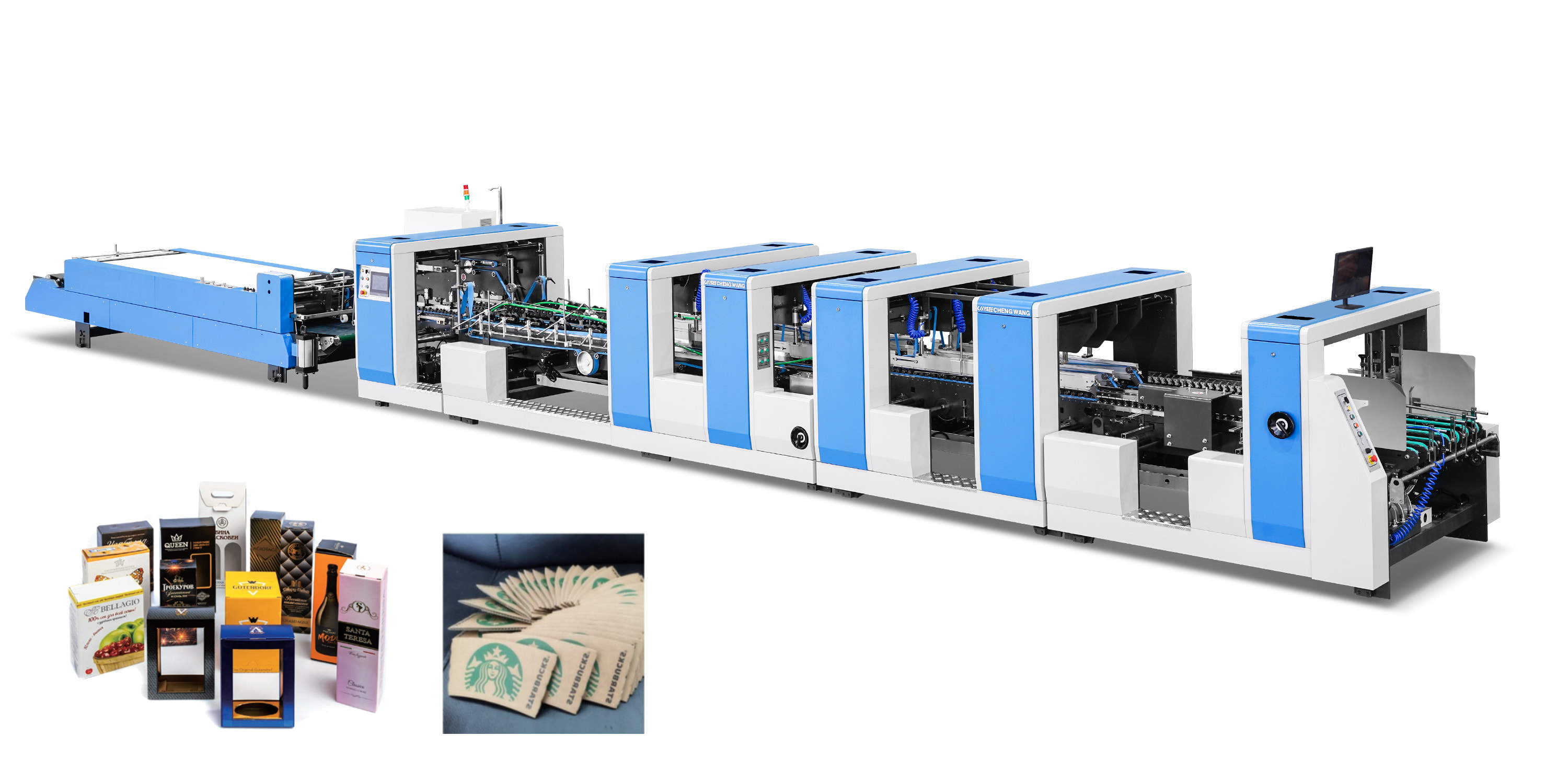
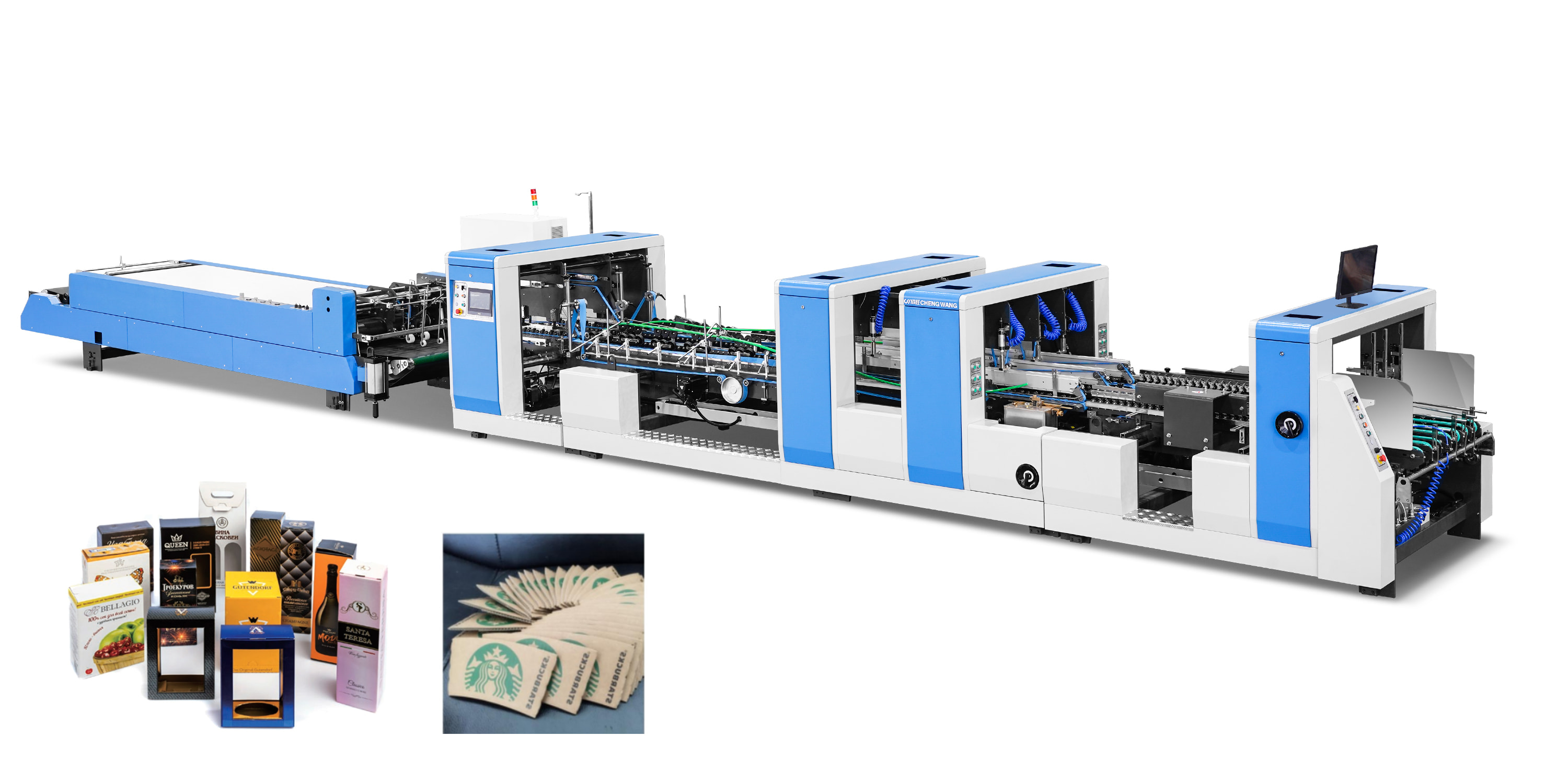
At a basic level, a High Speed Folder Gluer is used to turn flat carton pieces into formed shapes that can be used later in the line. The material starts flat and leaves the machine already folded and bonded.
The term Folder Gluer is often used more generally. It can refer to similar machines that handle the same task but may not be arranged for continuous movement in the same way.
In practical use, the High Speed version is not treated as a standalone unit. It is part of a longer chain. Cartons come in from one side and move forward without needing to be picked up or repositioned at each step.
There is no need to overthink its role. It simply handles a stage that used to be more fragmented and brings it into a single path.
How Folding and Gluing Happen in a Continuous Process
The process itself is easier to understand by following the movement rather than breaking it into strict steps.
A flat carton enters the machine and is guided into position. From there, it does not stop. It keeps moving while different parts of the machine act on it.
Folding does not happen all at once. Edges are guided inward gradually. Each section does a small part of the shaping, and by the time the material moves forward, the next section continues where the previous one left off.
Somewhere along that path, glue is applied. Not in a separate stage, but during movement. Timing matters here, because the material does not pause for the application.
After that, pressure holds the folded sections in place. This part is less visible but just as important. Without it, the shape would not stay stable.
By the time the carton exits, it is already formed. No extra handling is needed at that point.
How a Single Pass Process Supports Workflow Stability
One pass may sound simple, but it changes how the line behaves.
When folding and gluing are done separately, there is always a moment where material needs to be transferred. That moment is where delays often appear. Sometimes small, sometimes noticeable.
When everything happens in one path, those transfer points disappear. The material keeps moving, and the system becomes easier to follow.
This does not mean nothing ever goes wrong. But it reduces how often interruptions come from the process itself.
In daily operation, this often shows up as:
- fewer moments where material needs to be repositioned
- less back-and-forth handling
- a more even movement through the line
- easier coordination with nearby equipment
It is not a dramatic change when viewed in isolation. But across an entire shift, it makes a difference in how stable the workflow feels.
Why Packaging Teams Use High Speed Folder Gluer in Daily Work
In real production environments, the focus is usually not on changing everything at once. It is more about keeping things steady.
Folding cartons is one of those tasks that repeats over and over. The shape does not change much, and the steps stay similar. Because of that, it makes sense to place it into a system that can handle repetition without much variation.
A High Speed Folder Gluer fits that role. It takes a repetitive part of the process and keeps it consistent across the line.
For operators, the change is subtle. Instead of handling each piece directly, attention shifts to watching how the system runs and making adjustments when needed.
Over time, this affects how daily work is organized:
- less direct handling of individual cartons
- more focus on keeping the line running smoothly
- fewer interruptions during routine production
- adjustments made while the system continues moving
It is not about removing human involvement. It is more about changing where that involvement happens.
Operating Conditions and Key Machine Settings
Even though the process looks continuous from the outside, small settings still matter a lot in practice.
Alignment is usually the first thing people notice. If the material enters slightly off, that small shift can carry through the entire process.
Speed is another point that often needs adjustment. Different materials behave differently, so the same setting does not always work in every situation.
Glue placement also needs attention. If it is slightly off position, the final shape may not hold properly, even if everything else looks fine.
Pressure plays a quieter role. It is not always visible, but it affects how well the folds stay in place after shaping.
Here is a simple way to look at how these factors connect:
| Area | What Changes | What It Influences |
|---|---|---|
| Alignment | Entry position | Movement through the line |
| Speed | Material flow | Overall rhythm |
| Glue | Application position | Bonding result |
| Pressure | Holding force | Shape stability |
Most of these adjustments are not fixed. They are often based on experience and small observations during operation.
Adjusting for Different Box Sizes and Structures
In actual use, cartons rarely stay the same for long. Even when the general shape looks similar, small differences in size or layout can change how the machine needs to be set.
Adjustments are usually not complicated, but they do take attention. Guides inside the High Speed Folder Gluer often need to be repositioned so the material follows the correct path. If the width changes, side guides may need to move slightly. If the folding pattern changes, the sequence of contact points may also need to be shifted.
Some adjustments feel mechanical, others are more about observation. For example, a carton that looks fine at entry may start to drift slightly as it moves forward. That kind of detail is often noticed only after a few runs.
Glue placement is another area that changes with box structure. A different flap design means the adhesive needs to land in a different position. It is not a large change, but it needs to line up correctly with the folding step that follows.
Thickness also plays a role. A slightly heavier material may not fold in exactly the same way as a lighter one. Pressure and speed may both need small changes so the result holds together as expected.
In practice, switching between box types often becomes a routine. The steps are familiar, even if each adjustment is slightly different.
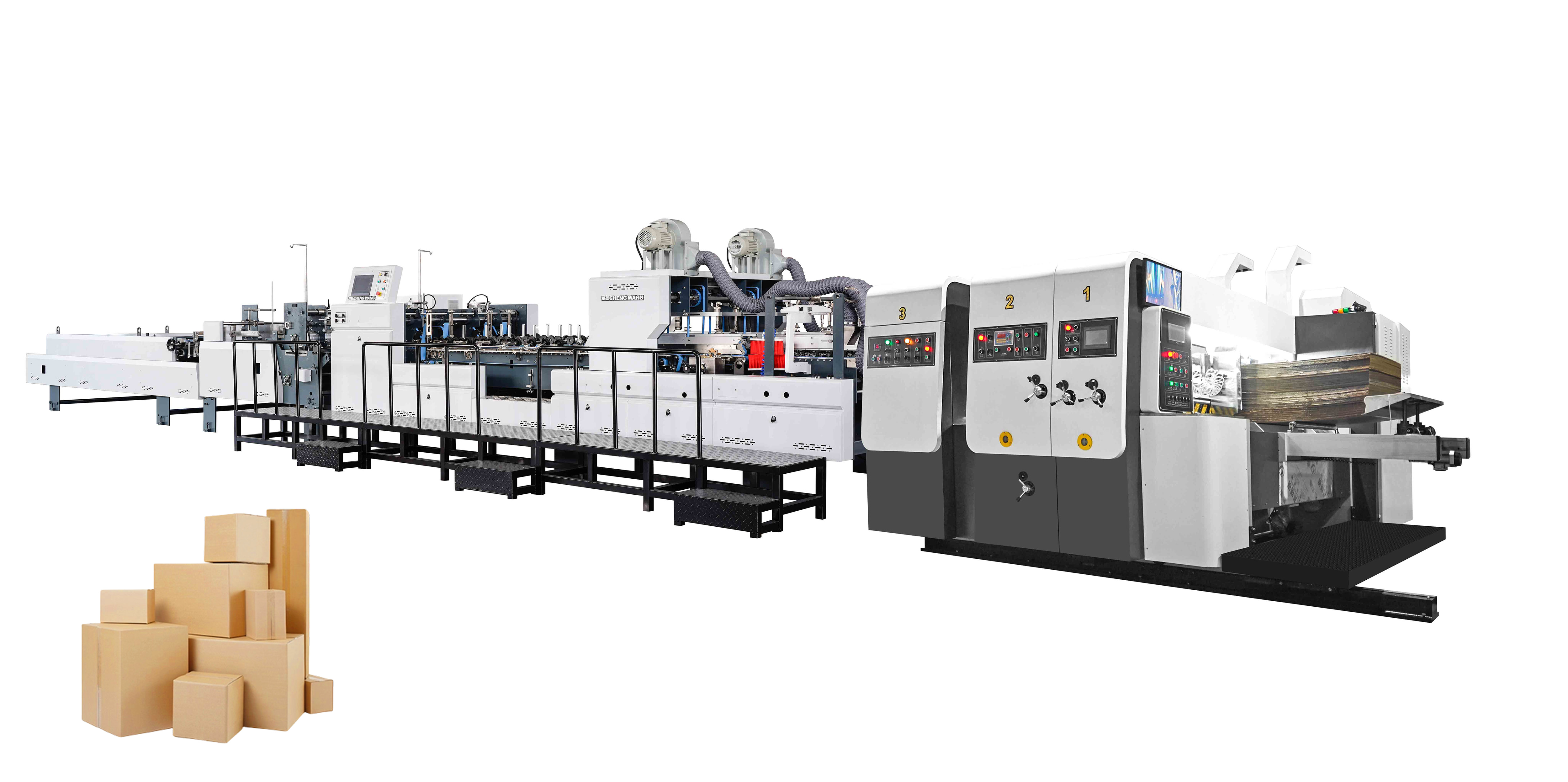
High Speed Folder Gluer and Folder Gluer in Production Context
The term Folder Gluer is often used broadly, and in many environments it refers to a range of machines that handle folding and bonding tasks. The High Speed version sits within that range but is usually associated with more continuous operation.
The difference is not only about how fast the machine runs. It is also about how it fits into the overall workflow. A standard Folder Gluer may be used in setups where production is more segmented, while a High Speed Folder Gluer is often placed where material is expected to move through without interruption.
This does not mean one replaces the other. In some production environments, both can exist side by side, each serving a different purpose.
A smaller run with frequent changes might rely on a more flexible setup. A longer run with consistent output may lean toward a system that keeps moving steadily.
What matters is how well the machine fits the rhythm of the line rather than how it is labeled.
Changes in Packaging Workflow with Equipment Integration
As more equipment becomes connected within packaging lines, the way work is organized starts to shift.
Instead of handling tasks step by step with clear breaks in between, the process begins to feel more like a continuous flow. Materials enter at one end and move through several stages without stopping.
A High Speed Folder Gluer plays a part in this by reducing one of the transition points. Folding and gluing no longer need to happen in separate locations, so there is one less place where movement slows down.
This also affects how different machines interact. When the flow becomes more even, upstream and downstream equipment can operate with fewer interruptions.
At the same time, it places more importance on coordination. A smooth system depends on each part working in balance with the others.
The result is not necessarily faster in every situation, but it tends to feel more stable during operation.
Practical Observations from Packaging Line Operation
Looking at daily operation, small details often stand out more than large design features.
A slight misalignment at the start can show up later as uneven folding. A small change in material can affect how glue spreads. These are not major issues, but they appear often enough to shape how the system is managed.
Operator familiarity also makes a difference. Over time, adjustments become more intuitive. Instead of following a fixed procedure, experienced operators tend to rely on observation—how the material moves, how the folds look, how the finished carton feels.
Maintenance usually follows a similar pattern. It is not always about major repairs, but about keeping parts clean and ensuring movement stays smooth.
Some patterns that often appear in real use:
- small adjustments made during operation rather than before it
- attention focused on movement rather than individual parts
- gradual changes in setup as materials vary
- routine checks becoming part of the workflow
These details are not always written into instructions, but they become part of everyday practice.
Packaging Equipment Development
Packaging systems continue to evolve in quiet ways. The changes are often not about introducing entirely new processes, but about connecting existing ones more closely.
A High Speed Folder Gluer fits into that direction by bringing folding and gluing into a single flow. It does not replace the idea of carton forming, but it changes how that step is handled within the line.
Across different environments, its role can look slightly different. In some cases, it becomes a central part of the workflow. In others, it supports a specific section of the process.
What remains consistent is the move toward smoother transitions between stages. Equipment is expected to follow the flow rather than interrupt it, and systems are arranged to keep materials moving in a steady way.
Over time, these small adjustments shape how packaging lines operate as a whole.
Recommended Products
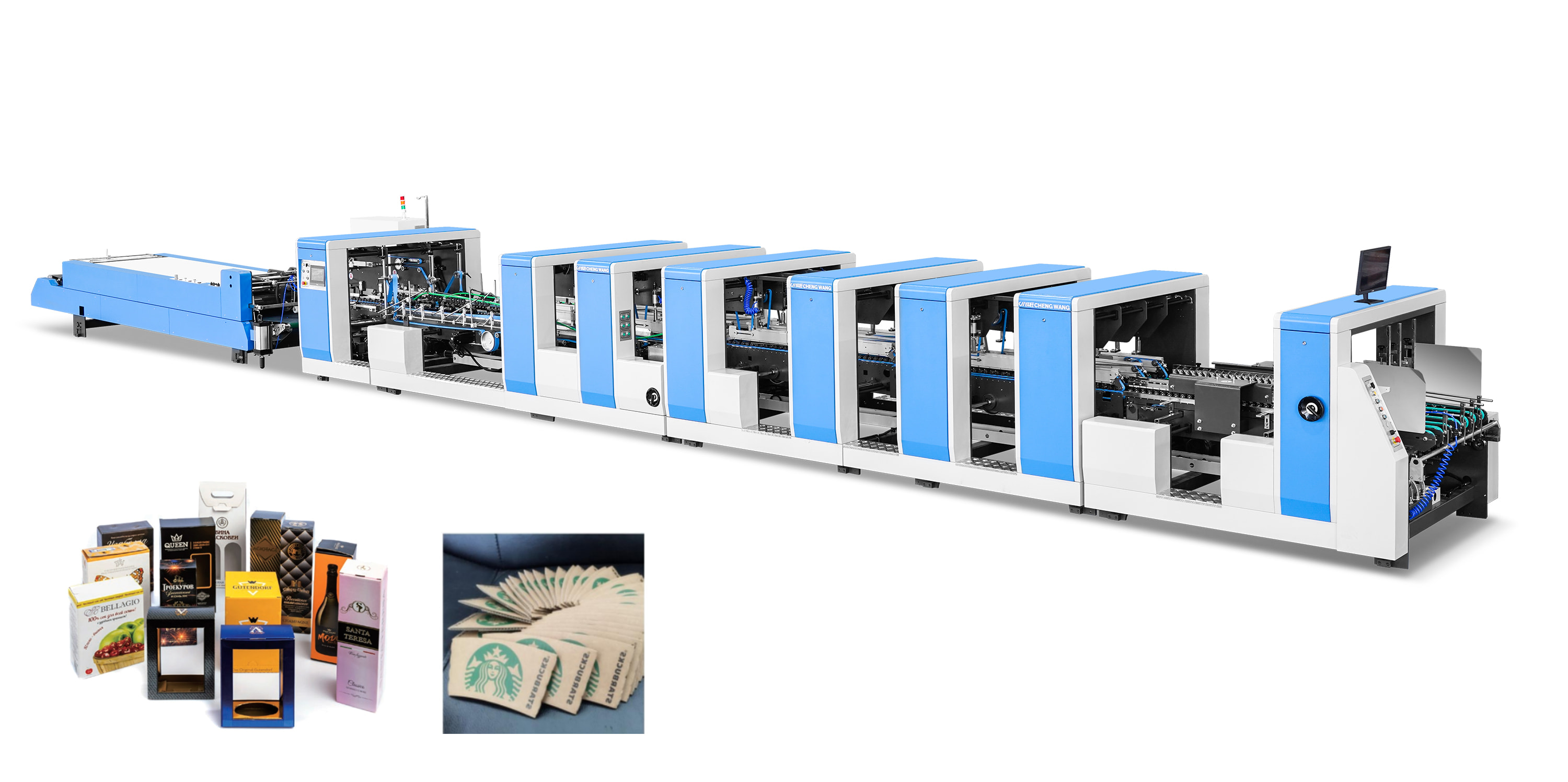
Focus on providing high-quality folder-gluing equipment to customers around the world.



No.3888, Jiangnan Avenue, Nanbin Street, Ruian City, Wenzhou City, Zhejiang Province, China







Privacy Policy Copyright © Zhejiang Chengwang Intelligent Packaging Equipment Co., Ltd.
High Speed Folder Gluer Factory