English
 русский
 Français
 Español
 Deutsch
What Should You Consider When Choosing an Auto Folder Gluer Machine for Your Packaging Needs?

If you have ever ordered groceries online, waited for a package on your doorstep, or opened a box containing a birthday gift, you have experienced the result of something most people never think about—the machines that fold and glue cardboard boxes. Those boxes don’t magically take shape on their own. Before they reach your hands, flat sheets of cardboard go through a machine called an Auto Folder Gluer Machine.
This machine takes printed or plain cardboard and folds it into the box shape we all know, then glues the seams together so it can safely carry products. While the name sounds technical, the idea is simple: it turns cardboard into usable boxes.
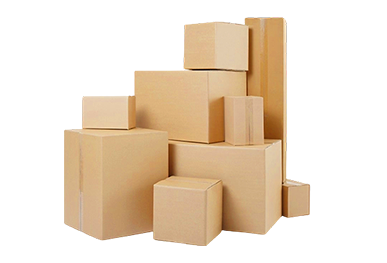
Today, online shopping continues to expand, and businesses of all sizes—from small bakeries to global shipping companies—rely on well-made boxes. Choosing the right auto folder gluer machine matters not only for big factories but also for smaller packaging workshops and companies just beginning to scale up. People want equipment that works smoothly, doesn’t waste materials, and produces reliable boxes without constant troubleshooting.
Manufacturers like Cenwan Machine, who share detailed product information for corrugated box folder gluer machines on their website, give buyers a clearer picture of what such machines do. This article explores what everyday readers—and small business owners—should know if they ever need to understand or choose an auto folder gluer machine.
The goal is not to persuade you to buy anything. Instead, this guide explains the process in a clear and relatable way, connecting technical details to everyday packaging experiences.
1. What Does an Auto Folder Gluer Machine Actually Do?
Imagine a stack of flat cardboard sheets. Now imagine those sheets folded into strong boxes ready to hold shoes, books, electronics, or snacks. That transformation happens inside an auto folder gluer machine.
It Performs Three Main Tasks:
| Function | What It Means in Simple Terms |
|---|---|
| Folding | Turns flat sheet into box shape |
| Gluing | Seals the seams so the box holds together |
| Pressing | Ensures glue bonds firmly and the box keeps its shape |
If you have ever assembled a cardboard box by hand and taped it shut, you already understand the basic idea. The machine simply automates the process and does it much faster.
Why consistency matters
If a box isn’t folded correctly, even by a few millimeters, it can:
- not close properly
- buckle when stacked
- fail during shipping
And if the glue isn’t applied evenly, the box may pop open. This can lead to damage, returns, or waste. So precision isn't about perfection—it’s about reliability.
2. Why These Machines Matter to Everyday Life
We live in a world where boxes move everything:
- medicines
- online orders
- groceries
- fragile electronics
- bakery products
- clothing
Even small neighborhood stores rely on packaging machines through their suppliers. So when choosing a machine, companies think about:
- Can it handle different box sizes?
- Will it keep up with daily orders?
- Is it easy for workers to operate?
- Does it support recycled cardboard?
Although customers rarely see packaging machines, they feel the results in every box that arrives safely.
3. Types of Auto Folder Gluer Machines
There are different kinds of machines based on how automated they are.
| Type | Good For | Why |
|---|---|---|
| Manual | Small workshops | Low cost, slower, more hands-on |
| Semi-Automatic | Growing small businesses | Balance between speed and cost |
| Fully Automatic | Medium-large factories | Fastest, consistent, least labor-intensive |
Most medium-sized packaging workshops eventually move toward automatic models because they save time and reduce mistakes.
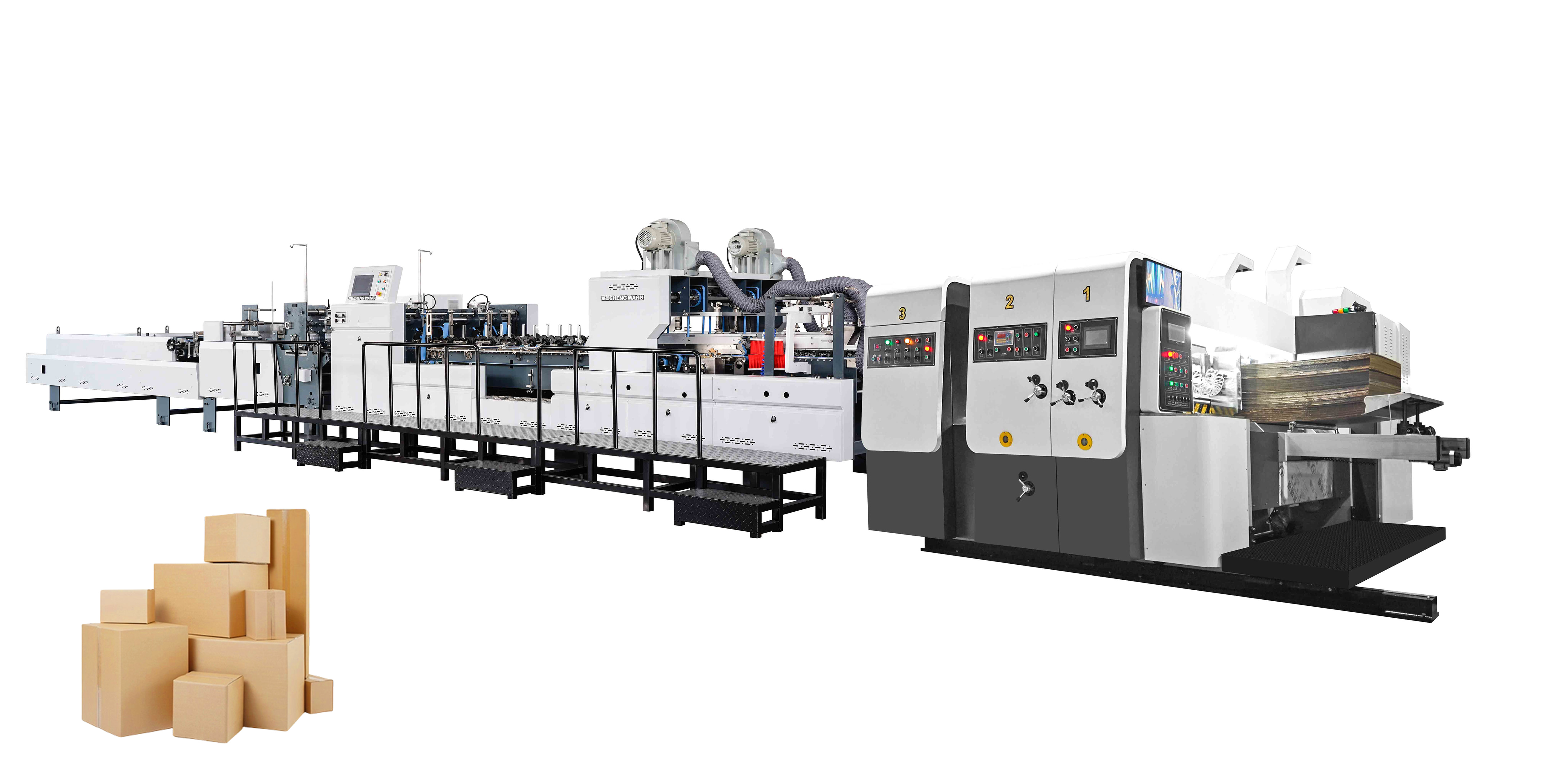
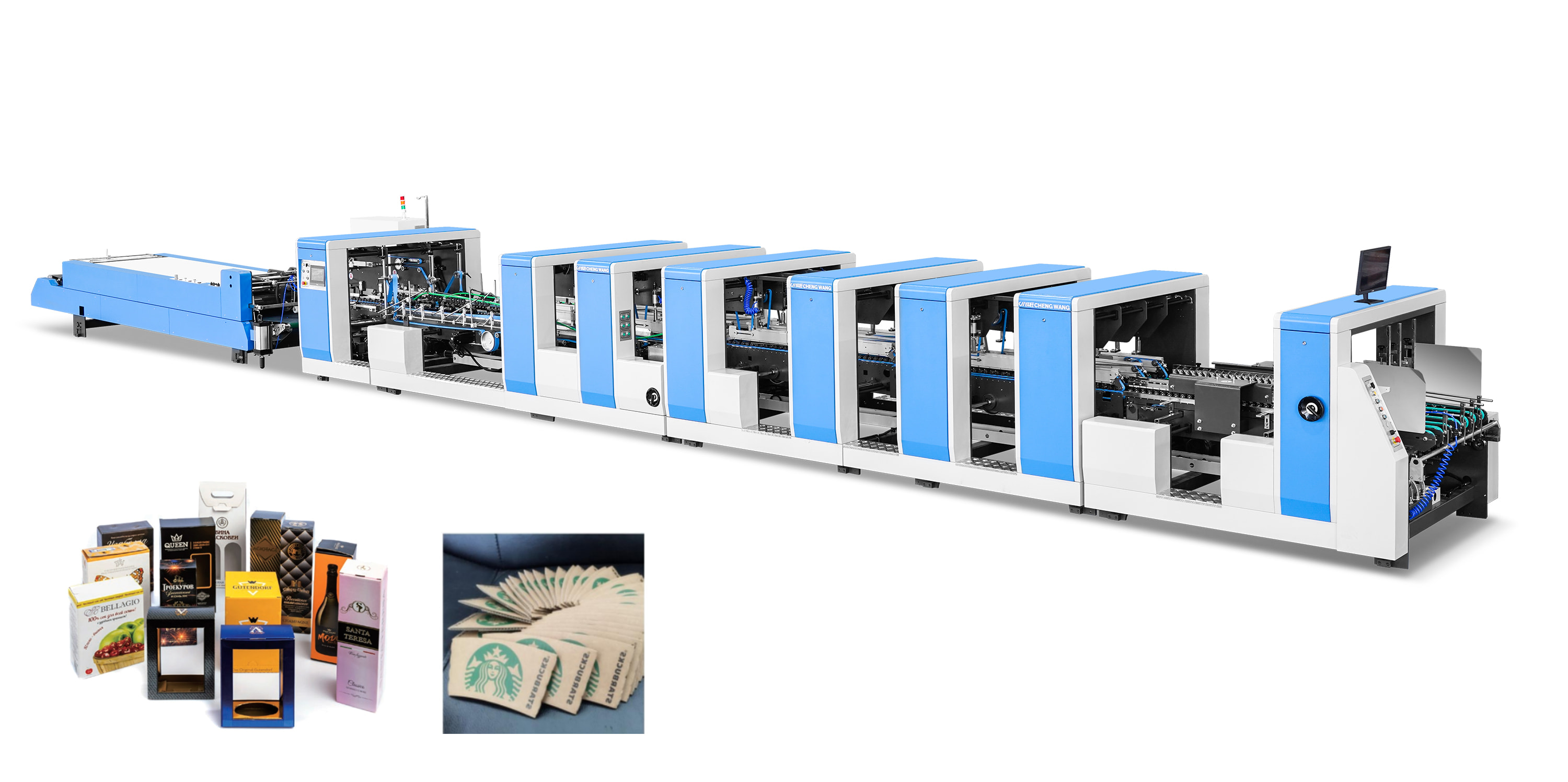
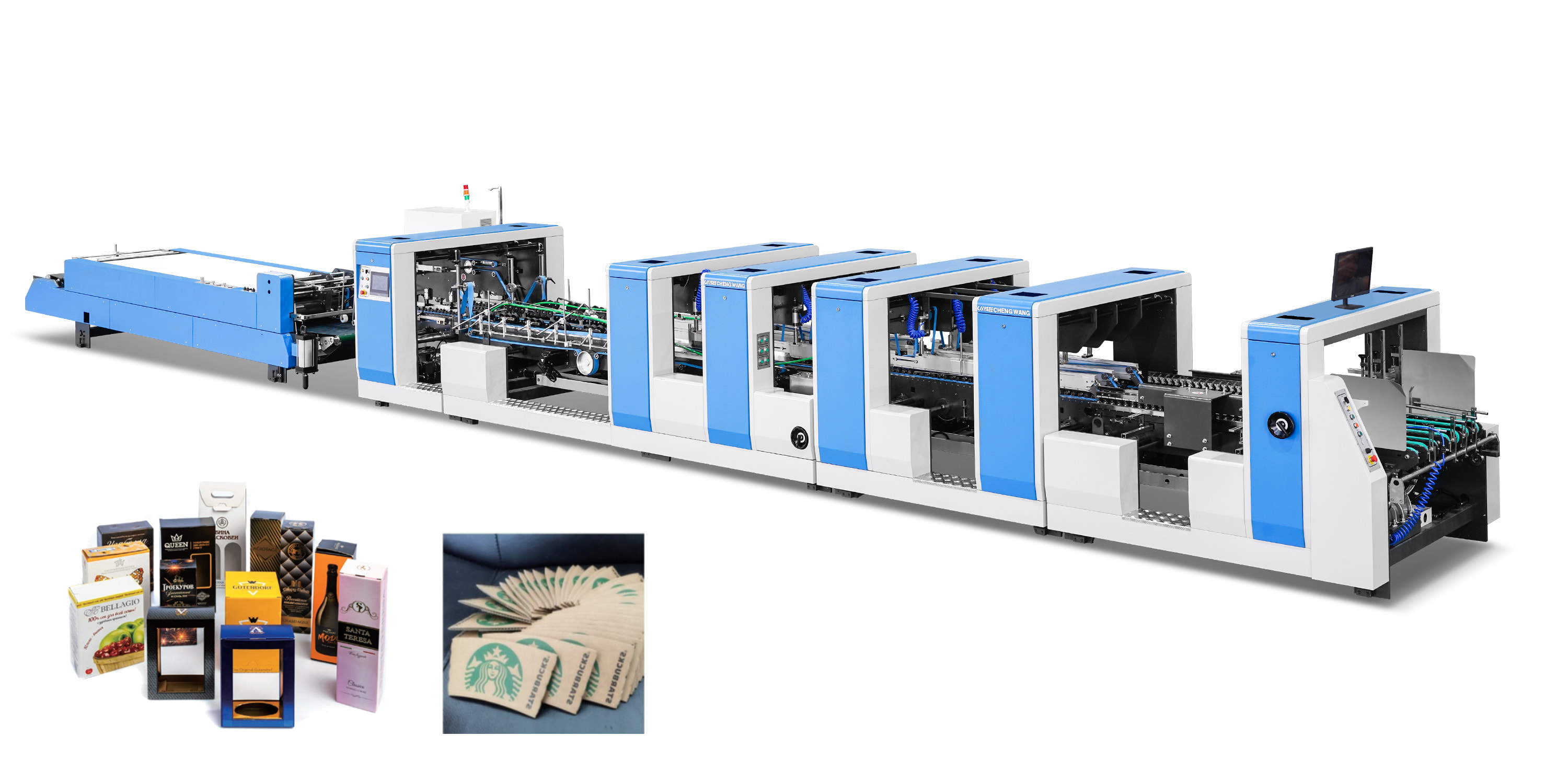
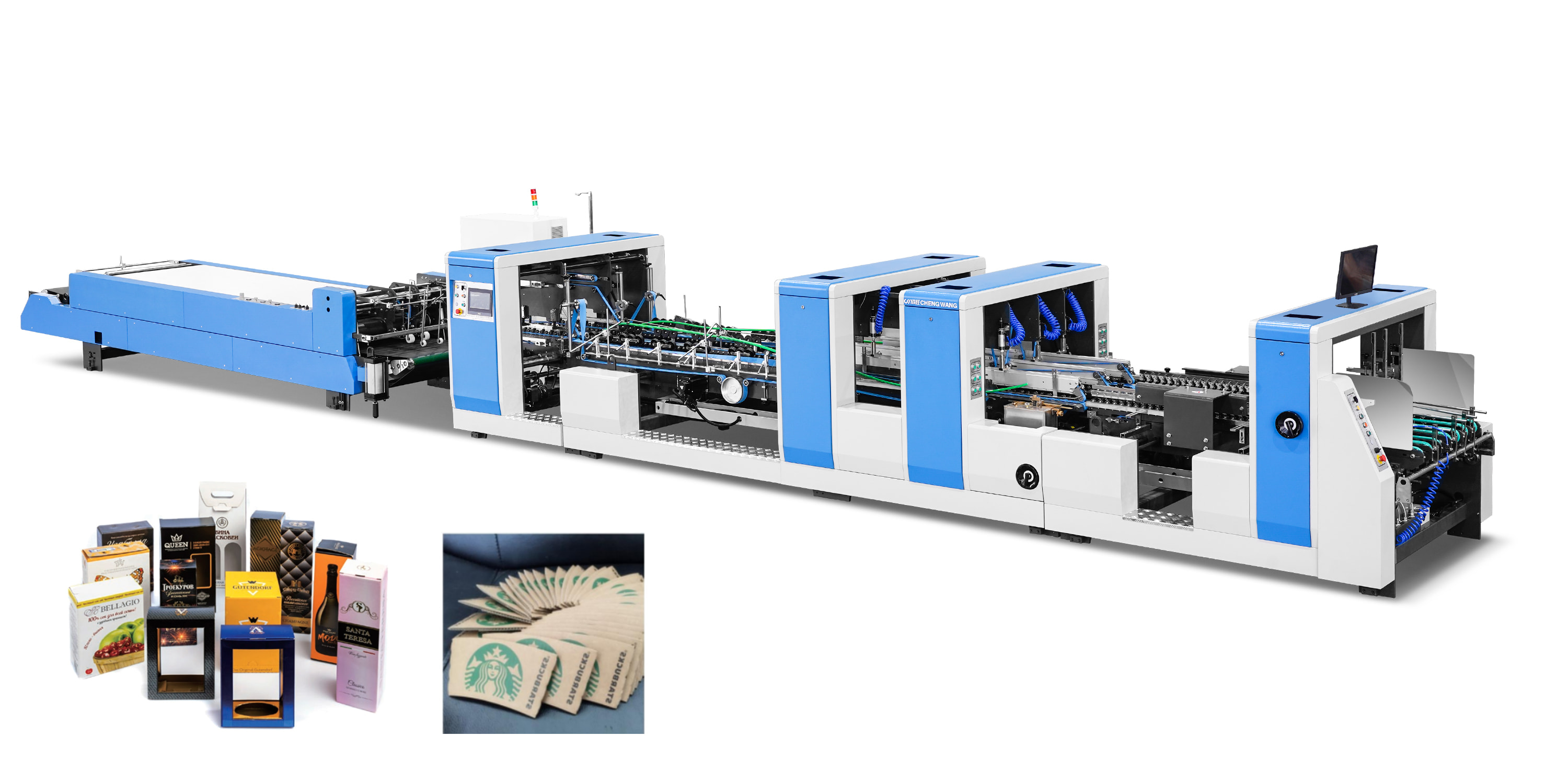
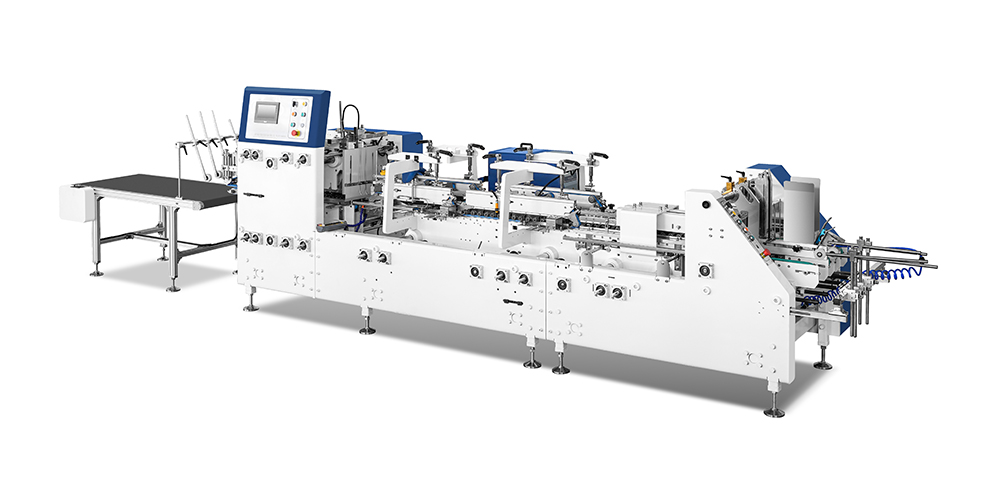
On the website of Cenwan Machine, you can find equipment designed for corrugated boxes, which fits environments ranging from small packaging shops to high-volume operations. Their listed models visually show feeding belts, folding tracks, and glue application systems—helpful information for buyers trying to understand how a machine looks and operates.
4. What Materials Can These Machines Handle?
These machines mainly work with corrugated cardboard, the type used for shipping boxes. It comes in different thicknesses:
| Type | Use Case |
|---|---|
| Single-wall board | Everyday shipping boxes |
| Double-wall board | Heavy items like appliances |
Some cardboard is made from recycled fibers. Machines must be able to fold and glue both recycled and virgin cardboard without tearing or jamming.
A good machine handles slight variations in cardboard quality—something small businesses especially pay attention to because cardboard supply may vary across vendors.
5. How Fast Do These Machines Work?
Speed isn’t always about being the fastest in the world—it’s about matching needs.
| Business Type | Machine Needs |
|---|---|
| Home-based packaging | Basic solutions |
| Small workshop | Moderate speed, flexible setup |
| Large fulfilment warehouse | Fast and continuous output |
Some machines count boxes per hour; others measure meters of cardboard processed per minute. Modern machines often include automatic feeding so workers don’t need to load sheets one by one.
For example, equipment shown by Cenwan Machine highlights conveyor systems and folding belts designed for stable feeding and smooth flow—a useful reference point for buyers.
6. Practical Features to Look For
Ease of adjustment
If you make many box sizes, you want:
- adjustable guides
- quick setup changes
- clear control panels
Machines that store box settings digitally can switch jobs faster.
Glue system quality
You want glue applied:
- evenly
- at the right thickness
- with good drying pressure
Consistent glue means strong boxes.
Alignment accuracy
This is like making sure every slice of bread in a loaf lines up. If the sheets enter even slightly crooked, the final box won’t be straight.
Safety Features
Typical safeguards include:
- protective covers
- emergency stop buttons
- overload protection
Even simple safety features prevent accidents.
7. Durability and Maintenance in Daily Routine
Just like cars need oil changes, machines need upkeep. Good design makes cleaning and maintenance easy.
Routine checks include:
wiping glue nozzles
tightening belts
cleaning rollers
lubricating moving parts
The goal isn't complicated engineering—just consistent care to avoid bigger repairs.
When looking at manufacturers, clear machine diagrams and descriptions help buyers understand where maintenance points are. Cenwan Machine provides visible component layouts that let users see how rollers, belts, and glue lines are arranged, which helps evaluate usability.
8. Noise, Energy Use, and Workspace Fit
For many buyers, practical questions matter more than specs:
- Is it loud?
- How much electricity does it use?
- Does it fit in the room?
- How many workers does it need?
Some workshops operate near office areas. A quieter machine improves comfort.
9. Why Choosing the Right Supplier Matters
Even a great machine needs support. People often look for:
- clear manuals
- available replacement parts
- stable component sourcing
- knowledgeable service teams
- transparent specifications
Suppliers who provide detailed machine specs help customers choose more confidently. On Cenwan Machine's website, information like machinery size, structure photos, and corrugated compatibility helps buyers evaluate practical fit.
10. Frequently Asked Reader-Friendly Questions
Do these machines only make one kind of box?
Most make standard shipping boxes. Some can handle specialty designs depending on configuration.
Can they work with recycled cardboard?
Yes, but the machine must handle slightly softer fibers and potential surface variation.
Do small businesses need one?
Some do, especially packaging workshops and growing e-commerce brands. Others outsource to corrugated plants.
How long do they last?
With maintenance, many run for years. Durability depends on workload and upkeep.
Is speed the most important factor?
Not always. Accuracy, ease of adjustment, and reliability often matter more for small-to-medium companies.
Auto Folder Gluer Machines play a quiet but essential role in modern life. From moving simple home goods to delivering medical supplies, reliable corrugated packaging supports global commerce and everyday convenience. For readers exploring packaging machinery, the goal isn't just to find the fastest equipment but to match machine capabilities with real-world needs—such as material compatibility, ease of use, operator safety, and maintenance accessibility.
Manufacturers like Cenwan Machine, who share structured product details publicly, help users understand machine functions and design features more clearly. With thoughtful evaluation and practical planning, businesses can choose machines that support steady production and consistent packaging quality.
Recommended Products
Focus on providing high-quality folder-gluing equipment to customers around the world.



No.3888, Jiangnan Avenue, Nanbin Street, Ruian City, Wenzhou City, Zhejiang Province, China







Privacy Policy Copyright © Zhejiang Chengwang Intelligent Packaging Equipment Co., Ltd.
High Speed Folder Gluer Factory