English
 русский
 Français
 Español
 Deutsch
How Does Auto Folder Gluer Machine Shape the Boxes Behind Your Deliveries?
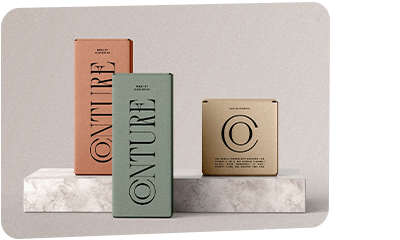
In the modern world, a simple cardboard box plays a quiet but essential role. Every time a package arrives at someone’s doorstep, it arrives inside a structure designed to protect the product and withstand transportation. The rise of online shopping, food delivery services, subscription boxes, and warehouse-to-home logistics has made corrugated packaging an everyday element of global life. Yet few people stop to think about how these boxes are formed.
While the packaging industry once relied heavily on manual labor, rising order volumes and the need for consistent quality have led to widespread adoption of automated equipment. Among these systems, the auto folder gluer machine stands out as a key link in the chain. It takes flat sheets of corrugated material and transforms them into functional, precisely folded boxes capable of surviving long delivery journeys.
This machine is increasingly important as businesses — from small e-commerce sellers to large logistics facilities — seek reliable packaging output without compromising structural integrity. Selecting and understanding such equipment has also become relevant for small workshop operators, packaging enthusiasts, and curious consumers who enjoy learning how everyday objects are produced.
Several structured manufacturers contribute to this field, including companies like Cenwan Machine, which produces folder gluer solutions for corrugated packaging workflows. Their equipment reflects industry trends toward consistent alignment systems, automated glue delivery, and adjustable machine sections suitable for different box types. Understanding the fundamentals behind this technology helps illuminate why automation matters — and how it shapes the boxes used in everyday deliveries.
What Is an Auto Folder Gluer Machine?
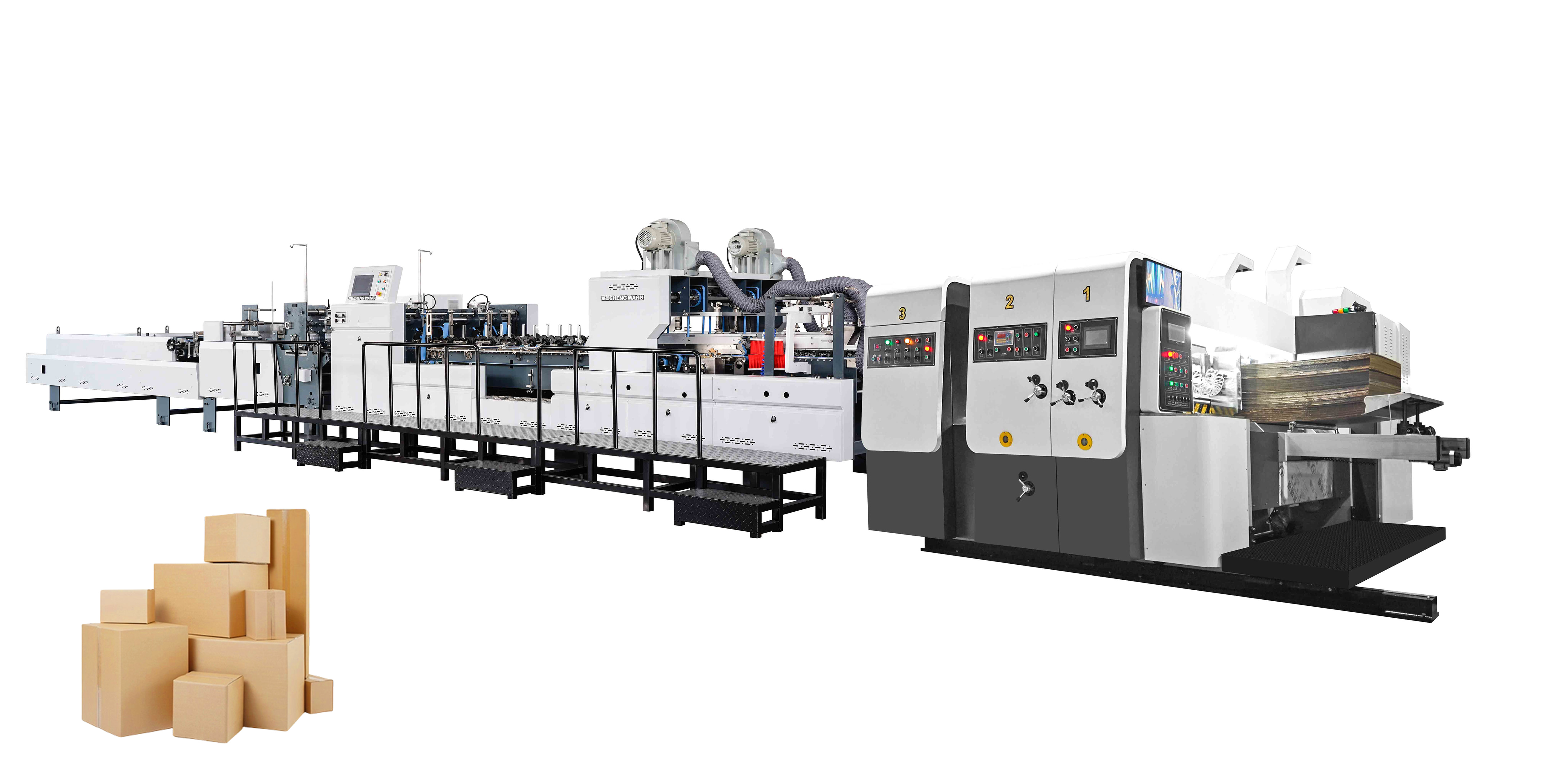
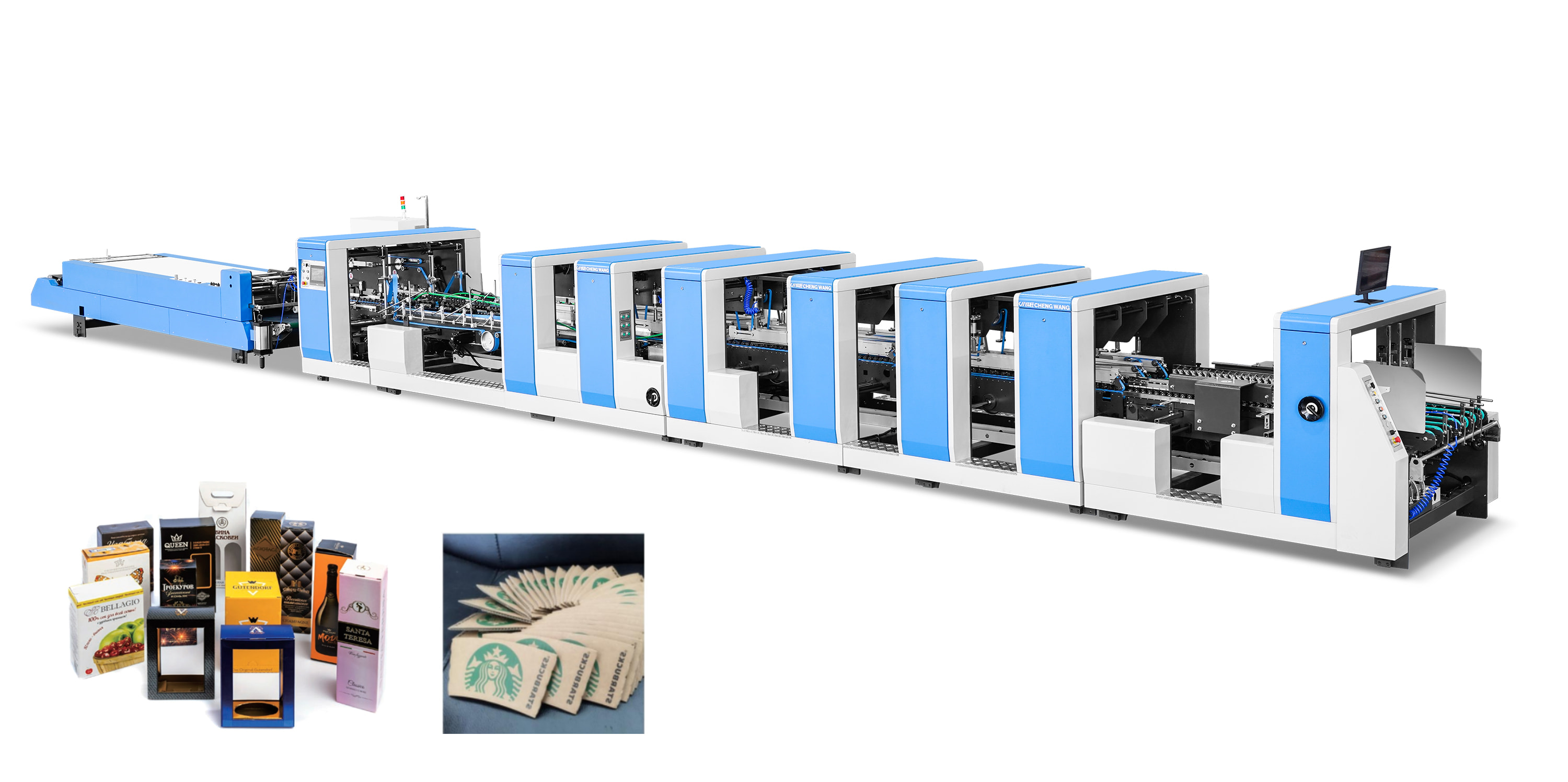
An auto folder gluer machine folds and glues flat corrugated sheets into assembled boxes. It replaces multiple manual operations by feeding sheets through rollers, applying adhesive, folding scored lines, and pressing glued areas together until they bond.
These machines operate at different scales:
- Small-workshop machines: Suitable for short runs and varied box types
- Mid-range systems: Designed for flexible daily production
- High-volume industrial models: Used in large distribution and manufacturing facilities
They serve industries that need dependable packaging performance, including:
E-commerce and mailing services
Grocery and retail distribution
Electronics and appliance packaging
Food delivery supply chains
Warehouse logistics
Whether boxes hold fruit, medicines, electronic devices, or clothing, they must support stacking, survive shipping vibration, and protect contents. Automated folding and gluing help ensure this reliability.
Materials and Box Types Processed
Most auto folder gluer machines are built to handle:
Corrugated cardboard sheets (B, C, or E flute, and combinations)
Paperboard carton materials
Pre-cut die-cut shapes for special packaging
Common box types include:
| Box Style | Where It’s Seen |
|---|---|
| Regular Slotted Container (RSC) | Standard shipping boxes |
| Die-Cut Mailer Boxes | E-commerce clothing, cosmetics, accessories |
| Self-locking cartons | Goods requiring secure edges |
| Folding cartons | Smaller products like snacks or small goods |
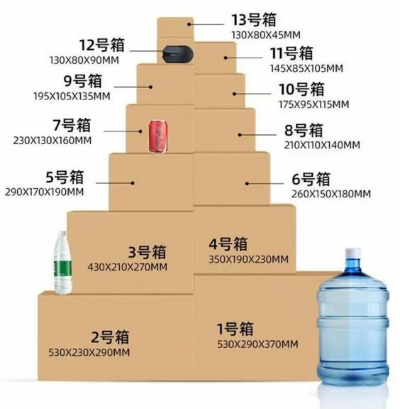
To maintain structural reliability, the machine must fold the board along precise score lines. Adhesion consistency also matters, as weak glue lines can open during transport. Structured manufacturers, including Cenwan Machine, emphasize compatibility with corrugated packaging lines and steady transport belts that maintain sheet alignment.
How the Machine Works: Step-by-Step
Understanding the machine's internal workflow provides insight into the unseen craftsmanship involved in every shipping box.
1. Feeding and Alignment
- Sheets are stacked and fed into the machine
- Side guides align sheets to avoid skewing
- Sensors maintain spacing
- This prevents misfolding and uneven glue contact.
2. Pre-Folding and Scoring Reinforcement
- Scored lines are prepared for bending
- Pre-folding ensures uniform shape memory
- Helps boxes pop open cleanly later for packing
3. Controlled Glue Application
- Water-based adhesive lines are applied at set points
- Pumps and precision nozzles ensure clean glue paths
- Avoids excess adhesive and contamination
4. Folding and Bonding
- Belts guide flaps and panels into place
- Folding arms apply pressure gradually to avoid tearing
- The glued areas press together to bond
5. Stacking and Output
- Finished boxes are counted and stacked
- Operators check adhesion, alignment, and clean folds
- Boxes move directly to packing lines or storage
Machines must remain adjustable to accommodate different box sizes and flute strengths. Cenwan Machine, for instance, lists models designed for corrugated board applications with adjustable folding sections and glue control systems — a typical industry design approach.
Why Automation Matters for Everyday Deliveries
As online shopping expands, the volume of boxes in circulation increases dramatically. Manual folding and gluing struggle to keep up with:
- Daily output expectations
- Standardized quality requirements
- Cost-efficient labor usage
- Structural consistency for stacking and transport
Automated folder gluer machines support these needs by:
- Delivering predictable box dimensions
- Applying adhesive uniformly
- Reducing material waste
- Removing bottlenecks in packaging lines
Customers rarely notice this machinery, but its work ensures that orders arrive safely and boxes retain their shape throughout handling and travel.
Where These Machines Work in Real Life
Auto folder gluer machines shape boxes used in many familiar settings:
- Fulfillment centers preparing home-delivery packages
- Retail warehouses sending bulk stock to stores
- Independent online shops producing branded mailer boxes
- Food and grocery delivery systems
- Subscription box services
Every time a package sits on a doorstep, the hidden precision of folding and gluing machinery supports it.
Manufacturers such as Cenwan Machine typically configure machines to serve corrugated packaging environments, offering layouts that suit varied production spaces from compact workshops up to coordinated factory floors. This reflects the industry’s shift toward flexible automation.
Key Considerations When Evaluating a Folder Gluer
When packaging teams or small workshop owners select equipment, they often consider:
- Material compatibility
- Folding accuracy and stable alignment
- Glue delivery control
- Belt durability and maintenance accessibility
- Safety systems and emergency stops
- Power consumption
- Space requirements and workshop layout
- Ability to handle multiple box styles
Cenwan’s published product pages list machine widths, optional alignment devices, and structural components — similar to standard industry reference points buyers examine when evaluating folder gluer options.
Who Operates These Machines?
Although automated, folder gluer systems require trained operators who:
- Load material and monitor sensors
- Adjust score alignment and folding belts
- Inspect glue nozzles and feeding guides
- Manage regular cleaning and lubrication
- Perform safety checks
Skill development is part of packaging industry practice, whether in small workshops or larger production lines.
Industry Example: Structured Manufacturing Approach
In structured production environments, machine manufacturers typically:
- Use precision components to maintain alignment stability
- Test folding sections to verify accuracy
- Ensure glue systems support consistent flow
- Provide options for corrugated board thickness
Cenwan Machine’s public product descriptions reference mechanical accuracy, servo systems on select models, and suitability for corrugated lines — features aligned with industry norms across structured packaging machinery suppliers.
Practical Tips for Buyers and Users
For those researching or planning to introduce a machine:
- Match machine size to expected box dimensions
- Review supported corrugated grades
- Confirm the glue system design
- Seek machines with accessible service panels
- Review training and operating guidance
- Consider space for feeding and stacking sections
Evaluating sample boxes from a test run can help verify machine suitability before installation.
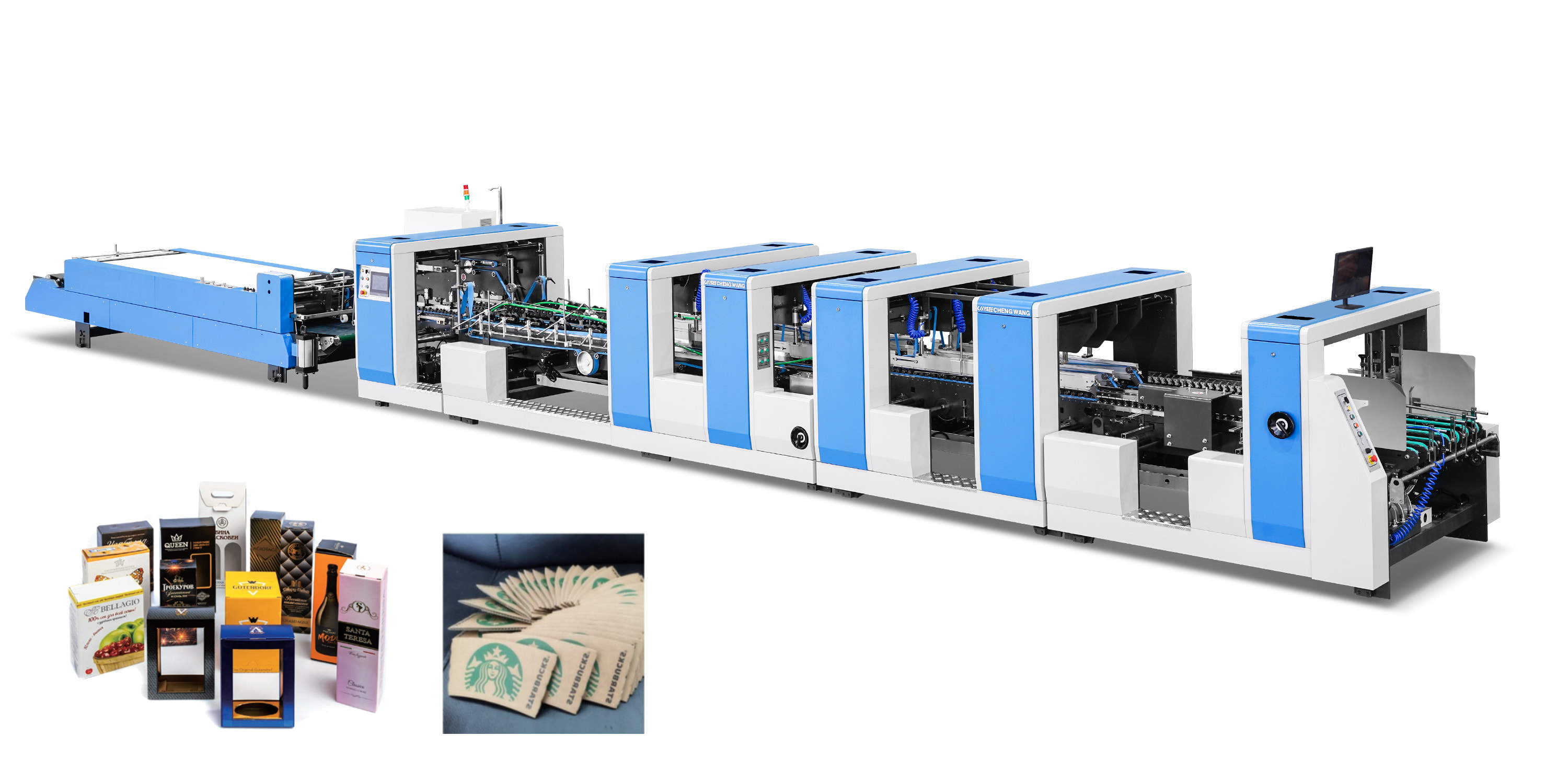
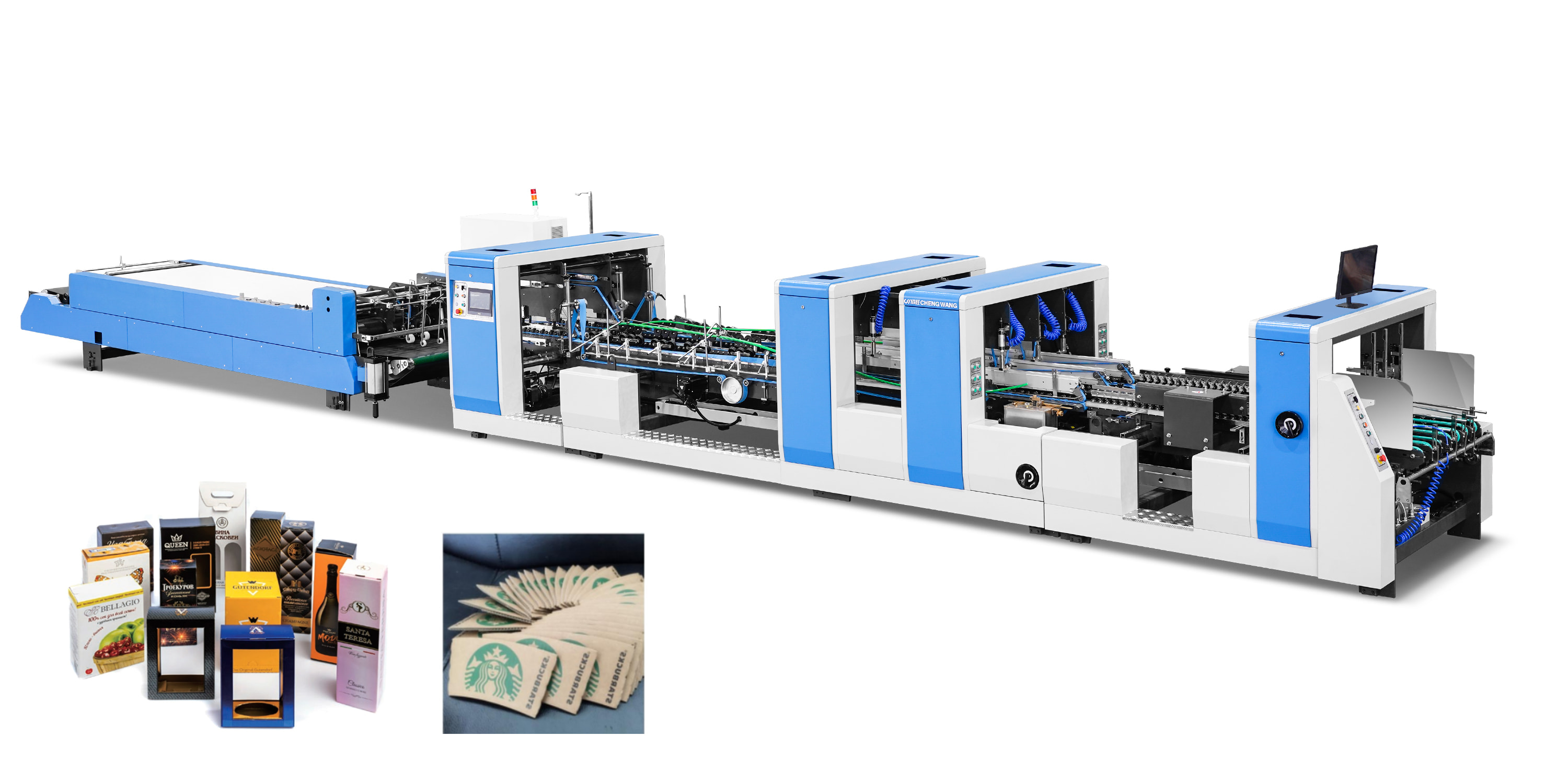
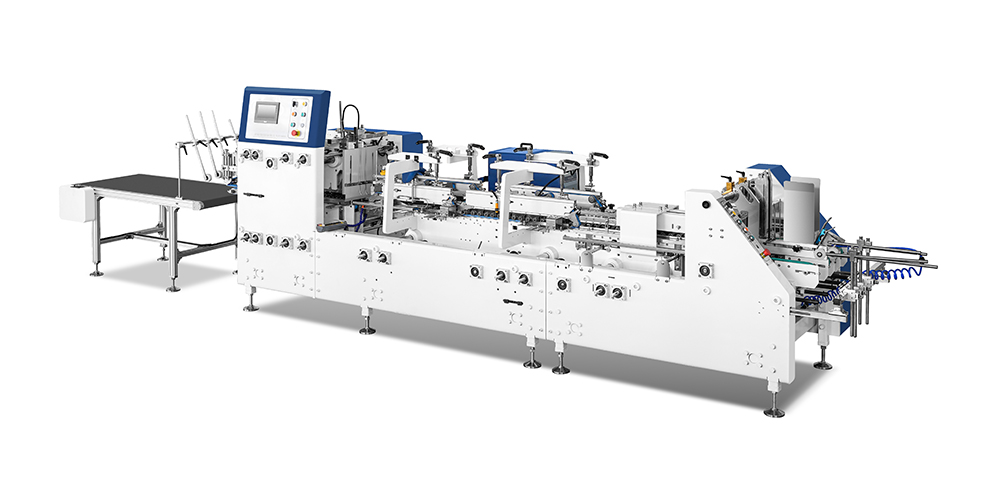
Recommended Products
Focus on providing high-quality folder-gluing equipment to customers around the world.



No.3888, Jiangnan Avenue, Nanbin Street, Ruian City, Wenzhou City, Zhejiang Province, China







Privacy Policy Copyright © Zhejiang Chengwang Intelligent Packaging Equipment Co., Ltd.
High Speed Folder Gluer Factory