English
 русский
 Français
 Español
 Deutsch
What Way Can Automatic Folder Gluer Improve Carton Edge Folding Quality
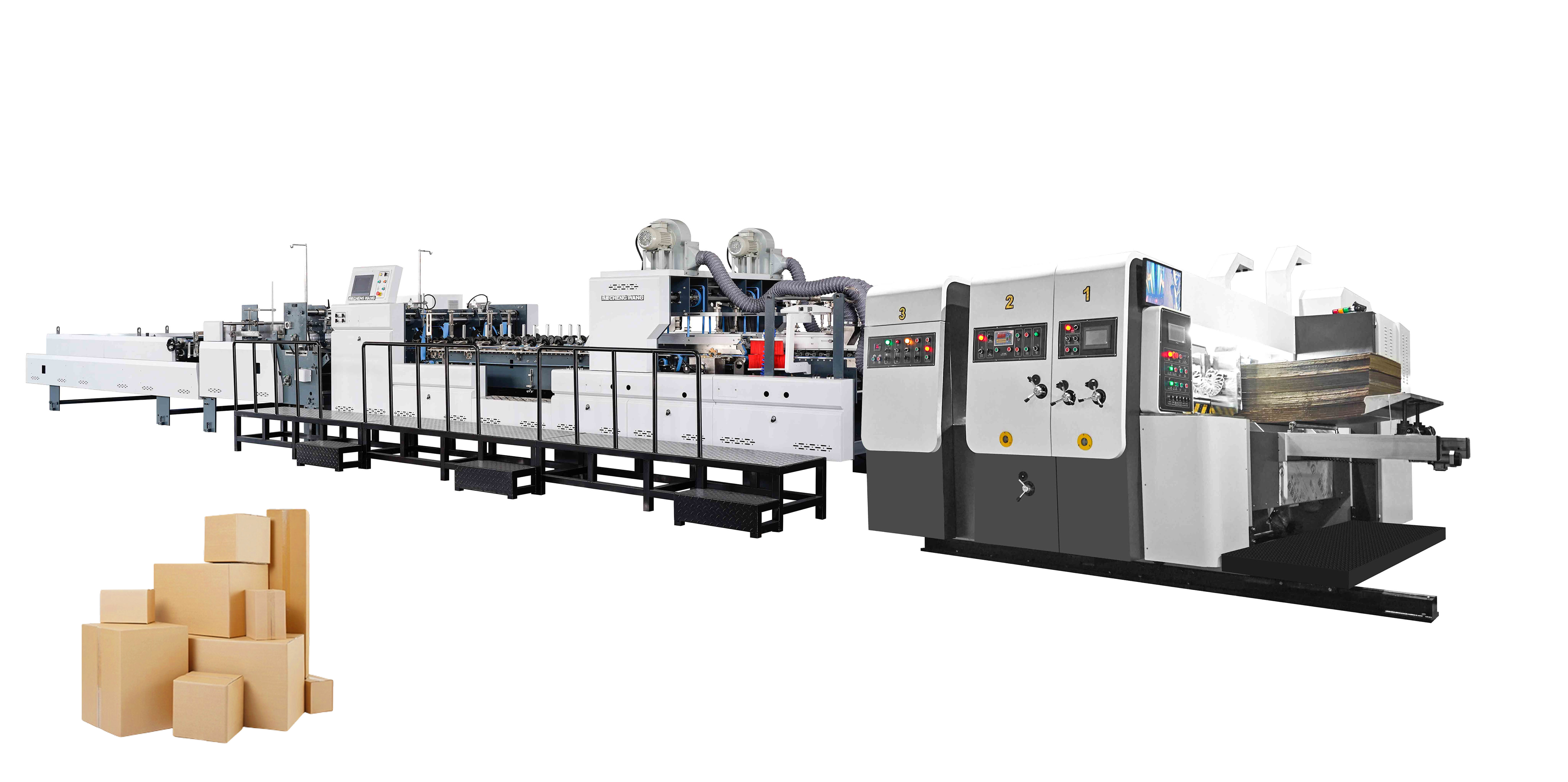
Walk through any packaging plant and flat sheets of board feed into machines at one end. Folded cartons come out the other end. Somewhere in between, those flat sheets get bent along scored lines to form the box shape. That bending step is where the carton becomes a carton.
The score lines are put in during a previous step. They weaken the board in specific places so it bends cleanly. Fold along the score and the board folds without cracking. The edges meet at the right spots when everything goes well.
When folds go wrong, problems appear. The edges might overlap or separate. The carton may look crooked. A poorly folded edge can fail when the carton gets filled, spilling product or creating a bulging box that won't stack.
Cartons go through folding at speed. The machine handles hundreds of sheets per minute. Every one of those sheets needs the same fold. The machine has to do it the same way each time.
What Defines an Automatic Folder Gluer in Carton Manufacturing
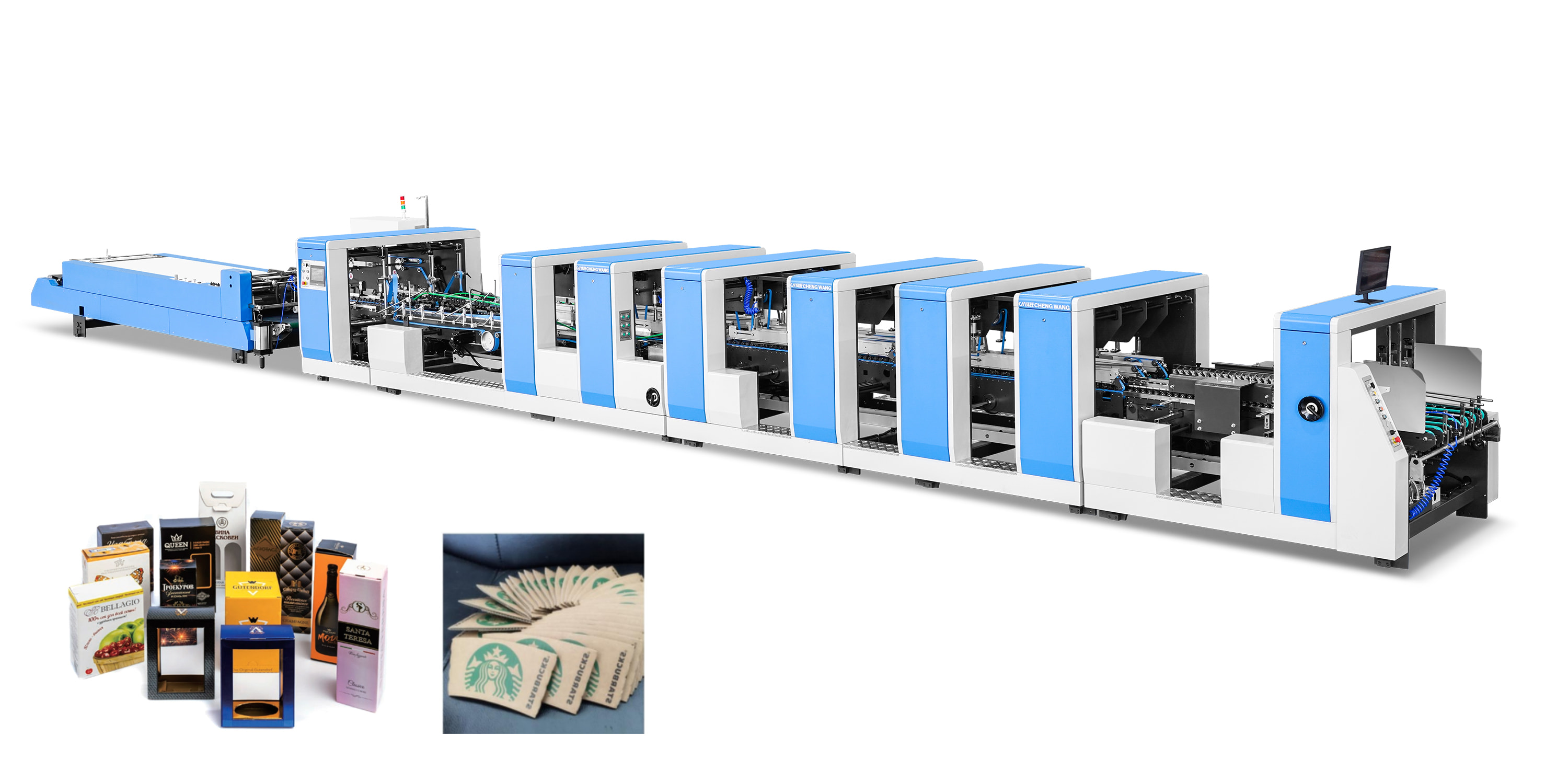
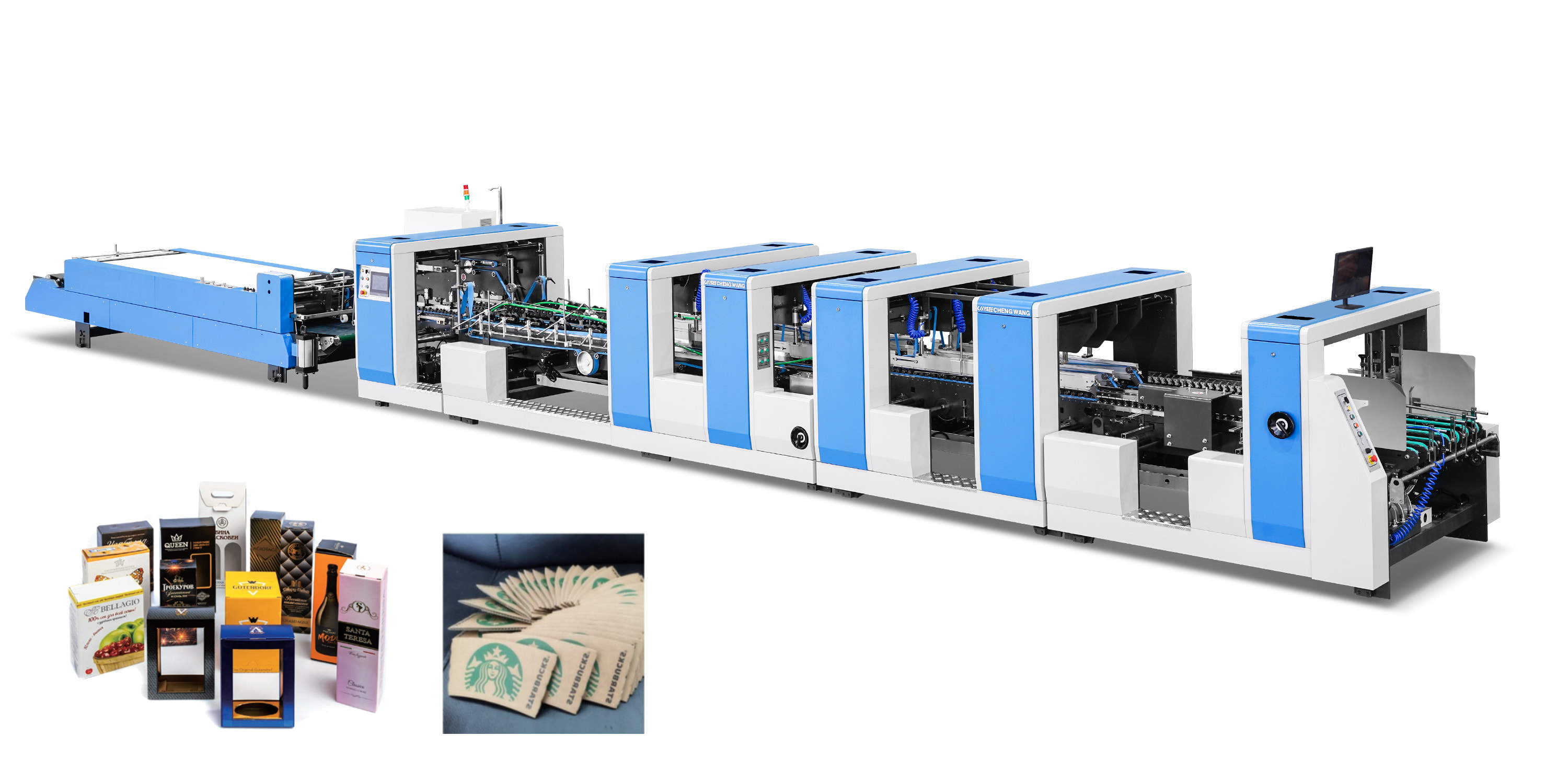
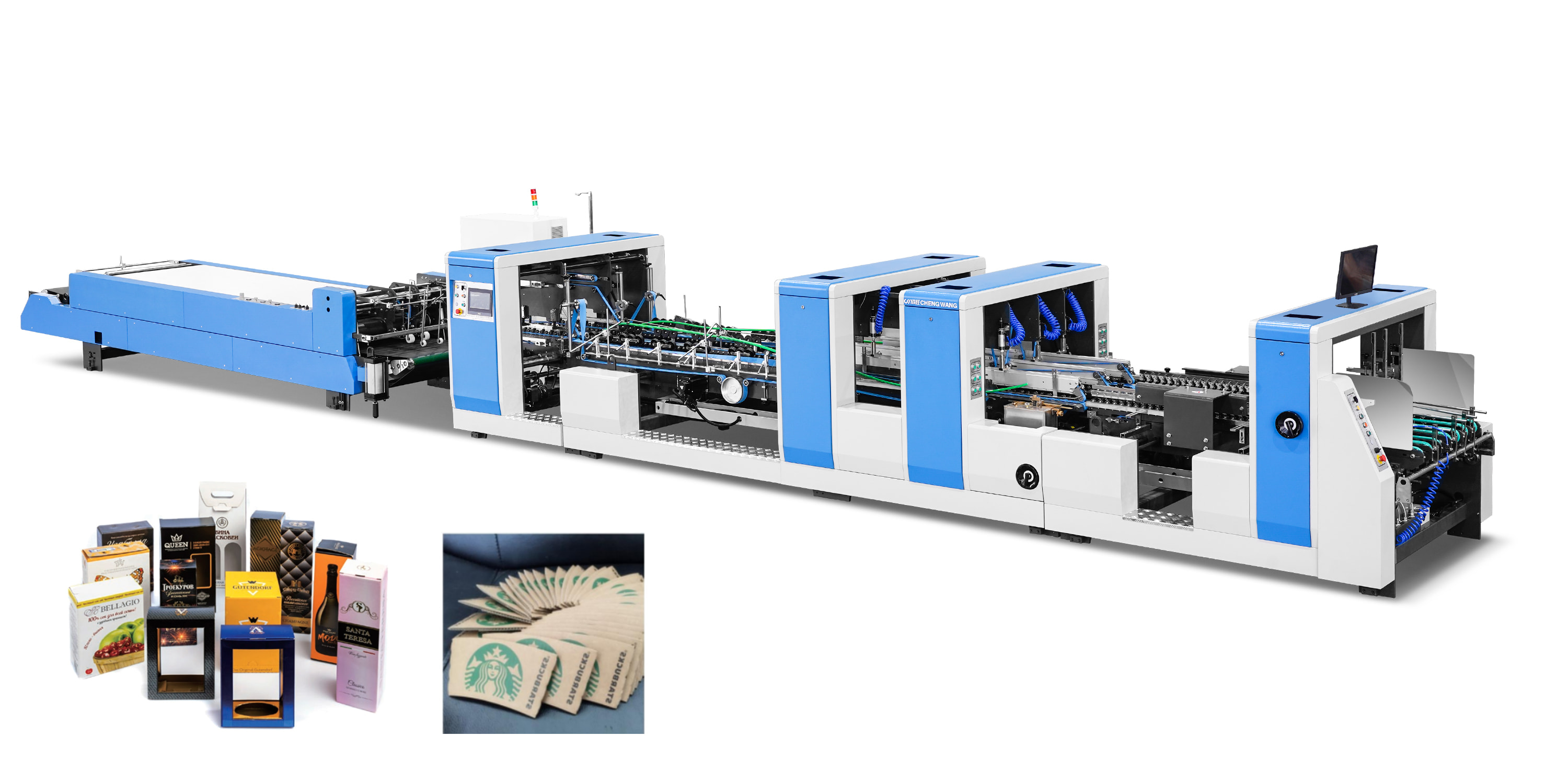
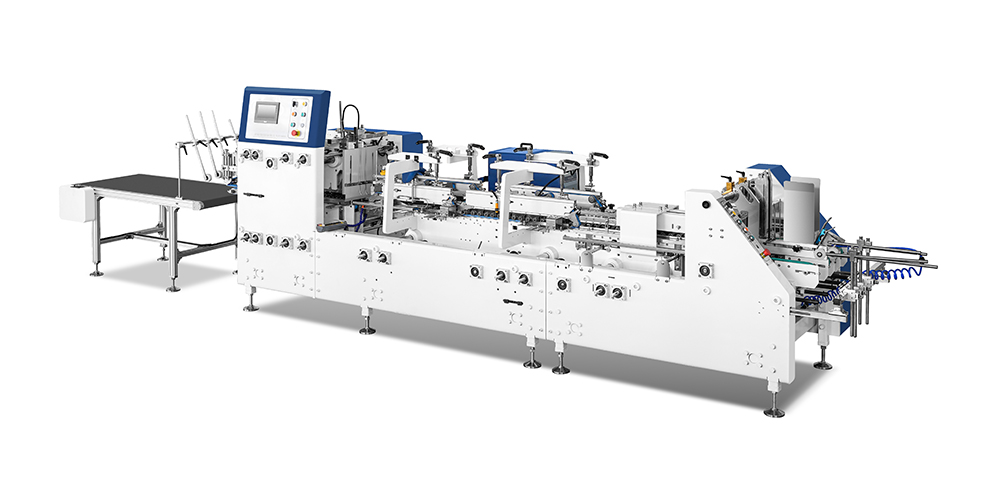
An Automatic Folder Gluer does exactly what the name suggests. It folds carton blanks and puts glue on the right spot. The machine pulls flat sheets from a stack, runs them through folding stations, applies adhesive, and delivers finished cartons ready for use.
The machine has sections. The feed end takes in the blanks. The folding section does the folding. The gluing section applies adhesive. The delivery end stacks the finished product. Each section works with the others.
Movement through the machine gets controlled carefully. Blanks travel at a steady speed through the folding section. The folding elements need to hit each blank at the right time and position. An Automatic Folder Gluer uses a control system to keep everything coordinated.
Folder Gluer Equipment handles different board types and sizes. The operator adjusts the machine when changing over from one carton size to another. The same machine runs small boxes one day and large boxes the next.
How Does Folding Accuracy Affect Final Carton Quality
A fold made in the wrong place changes where the edges meet. That changes the whole carton size. The carton might not fit the filling equipment anymore. Cartons that don't fill properly cause production stops.
Square corners matter too. Cartons with corners that are not square do not stack straight. They lean. A pallet full of crooked boxes is unstable. Boxes shift during transport. Damage happens.
Glue joints depend on accurate folds. The glue goes on one edge and needs to contact the matching edge when the fold completes. If the edges don't line up, the joint is weak. A weak joint opens up. Product spills out.
Clean folds look better. Cartons with sharp folds look professional. Consumers notice the difference. Good-looking boxes suggest a good product inside.
What Mechanisms in Automatic Folder Gluer Support Edge Quality
Several parts of the machine work together to make consistent folds. Each part has a job, and they need to work together.
Folding belts move the blanks through the machine. The belts touch the board surface and pull it through the folding section. The belt speed sets how fast the blank travels. Folder Gluer Equipment depends on belt condition for consistent performance.
Folding rails guide the fold formation. These fixed parts contact the board in specific places and steer it along the pre-scored creases. The angle of the rails determines how the fold forms. The rails stay in place while the blank moves past.
Pressure elements hold the board against the folding surfaces. They press on the board during folding, helping the fold form along the score line. Enough pressure folds the board. Too much pressure crushes it.
| Mechanism | What It Does | How It Affects Folding |
|---|---|---|
| Folding belts | Moves blanks through | Keeps speed and position steady |
| Folding rails | Guides fold formation | Sets fold location |
| Pressure elements | Holds board contact | Creates clean fold lines |
| Timing system | Coordinates operation | Keeps folding sequence correct |
The timing system coordinates all these parts. Each component needs to act at the right moment. When the timing stays correct, every blank folds the same way.
How Does Speed Control Influence Folding Consistency
The speed of the Automatic Folder Gluer changes how the board folds. Board moving fast has less time to bend into shape. The fold happens quickly. That works fine with some boards and not so well with others.
Steady speed helps. The same machine running at constant speed folds each blank in the same time. That consistency reduces variation in fold quality. When speed changes, the board behaves differently.
Startup creates variation. The machine takes time to reach operating speed after a stop. Cartons produced during that startup time may fold differently. The same thing happens during slowdown at the end of a run.
Operators balance speed and quality. Faster output means more cartons per hour. Slower running usually gives better folds. The right speed depends on the board, the carton size, and the machine condition. Good Folder Gluer Equipment holds its performance across a range of speeds.
Why Do Carton Stiffness and Board Type Matter for Folding
Not all board folds the same way. Some bends easily. Others fight back. The stiffness of the board changes how the fold forms.
Thicker paperboard needs more force to fold. The fold has to happen right on the score line. If the board resists, the fold drifts away from the score. The edge ends up in the wrong place.
Corrugated board adds its own complications. Flutes run in one direction. Folding with the flutes works differently than folding across them. The machine has to handle the board the right way for the fold to work.
Moisture changes how board behaves. Damp board folds differently than dry board. Changes in the plant's humidity can change folding from one day to the next. What worked yesterday may not work today.
Switching from one board type to another means changing the machine setup. Pressure, speed, and rail positions may all need adjustment. Folder Gluer Equipment with easy changeovers makes the job faster and reduces errors.
How Does Glue Application Relate to Edge Folding Quality
Glue placement matters as much as the fold. The adhesive has to be where the edge will meet when the fold finishes. Wrong placement means the joint doesn't hold.
Timing matters too. Glue applied too early may dry out before the edges meet. Glue applied too late may not spread properly. The machine times the glue application to match the folding sequence so the adhesive is fresh when the edges come together.
The amount of glue counts. Too much glue squeezes out and makes a mess. Too little glue leaves a weak joint. The glue system needs to put down a consistent amount on every blank.
A clean fold helps glue do its job. Straight edges meet evenly, letting the glue spread across the whole joint. Crooked folds leave gaps where the glue doesn't touch the matching edge.
What Operator Adjustments Affect Folding Performance
Operators make many adjustments when setting up a machine. Those adjustments determine how well the folding works. Careful setup gives good folding. Sloppy setup causes problems that may not show up until the run is well underway.
Folding belt tension needs to be right. Too tight and the belts stretch. Too loose and they slip. The blank loses position when belts slip, and the fold ends up wrong.
Folding rail positions change with carton size. The rails have to contact the blank at the right spot to guide the fold. Rails set too wide let the fold drift. Rails set too narrow buckle the board.
Pressure needs to match the board thickness. Thicker boards need more pressure. Thinner boards need less. The right pressure makes a clean fold without damaging the board.
| Adjustment | What It Does | What Happens If Wrong |
|---|---|---|
| Belt tension | Controls grip | Slips or stretches |
| Rail position | Guides fold | Fold drifts or buckles |
| Pressure setting | Applies force | Poor fold or damaged board |
| Speed setting | Controls rate | Variation in fold quality |
Experienced operators know how to set up the machine. They know where to start with each adjustment. They also know what to look for when checking the results.
How Does Maintenance Affect Folding Quality Over Time
A machine that folds well today may not fold well next month if maintenance gets ignored. Parts wear. Dirt builds up. Timing drifts. The changes are small at first, but they add up.
Folding belts wear down from constant use. The surface gets smooth and loses grip. Belts that slip cause the blank to move through the machine at the wrong position. New belts restore consistent folding.
Dirt and glue residue build up on folding surfaces. The buildup changes the surface profile. The board doesn't move the same way. Regular cleaning keeps the surfaces clean.
Timing belts stretch over time. When they stretch, the timing shifts. A fold that should happen at one point happens somewhere else. The timing belts need periodic replacement.
Operators who check the machine at the start of each shift notice small problems early. A quick cleaning or minor fix can prevent hours of bad folding later.
What Quality Checks Confirm Good Edge Folding
Operators pull cartons off the line during production and check them. The checks tell whether the machine is folding correctly. Problems get caught early.
Visual inspection is the first step. The operator looks at the folded edges. Misaligned edges show up right away. The operator can see if the edges meet squarely or overlap.
Squareness gets checked. Square cartons have corners that meet at right angles. Cartons that are not square may cause problems down the line.
| Quality Check | What Gets Examined | Good Result |
|---|---|---|
| Edge alignment | Where edges meet | Edges meet without gap or overlap |
| Fold straightness | Fold line appearance | Straight, consistent line |
| Squareness | Corner angles | Right angles at all corners |
| Glue joint | Adhesive contact | Full contact without squeeze-out |
| Board condition | Surface integrity | No cracking or crushing |
The glue joint gets looked at too. The operator checks that the glue spread across the full joint. Incomplete coverage means the edges didn't align during folding.
The checks happen while the machine runs. The operator adjusts the machine based on what they see. Small adjustments fix small problems before they become big ones.
Quality feedback guides the adjustments. When the checks show problems, the operator knows where to look. The adjustments that follow improve folding for the rest of the run.
Recommended Products
Focus on providing high-quality folder-gluing equipment to customers around the world.



No.3888, Jiangnan Avenue, Nanbin Street, Ruian City, Wenzhou City, Zhejiang Province, China







Privacy Policy Copyright © Zhejiang Chengwang Intelligent Packaging Equipment Co., Ltd.
High Speed Folder Gluer Factory