English
 русский
 Français
 Español
 Deutsch
How Does Corrugated Box Gluer Machine Handle Different Paper Grades In Real Use
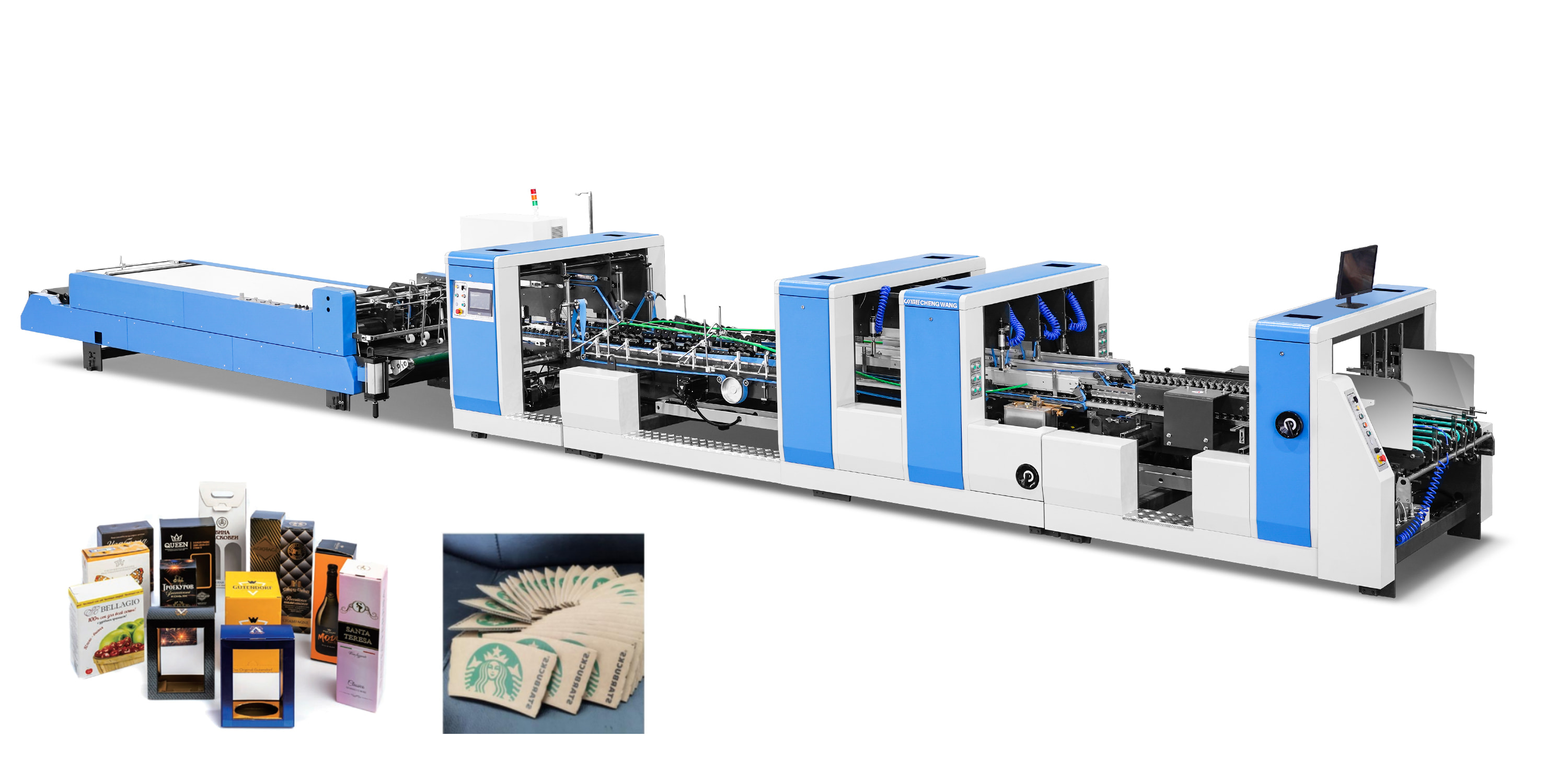
In many packaging lines, a Corrugated Box Gluer Machine sits near the end of the forming process where flat corrugated sheets begin turning into complete cartons. At that point, most shaping work has already been done, and the machine focuses on folding and bonding, turning loose structures into closed boxes through adhesive contact and controlled pressure.
Material enters the machine in a steady flow, then passes through guiding sections that keep alignment in place while folding arms and pressing rollers work together. Glue is applied at specific contact areas, then pressure is added so the surfaces stay fixed long enough to form a stable bond. What seems like a simple step is actually a chain of small mechanical actions that need to stay in rhythm.
In real production, the machine rarely handles only one type of board. Different orders move through the same line, which means the gluing stage must deal with changing surface behavior, folding resistance, and bonding response. A Folder Gluer Factory often looks at this stage closely, since final carton strength depends heavily on how stable the gluing process remains across different material conditions.
The machine does not just "stick" paper together. It manages timing, pressure, and movement so that bonding happens under controlled contact rather than random adhesion.
What Are Common Paper Grades Used In Corrugated Box Processing
Corrugated board used in box making is not uniform in behavior. Even when the shape looks similar, the inner structure can react very differently once it enters a Corrugated Box Gluer Machine.
Light boards bend easily and respond quickly to folding pressure. Medium boards hold a more balanced structure, staying flexible enough to fold while still keeping shape after pressing. Heavier boards resist bending more strongly, which changes how much force is needed during folding and how long glue needs to stay in contact before bonding stabilizes.
Surface condition also plays a quiet role. Some boards allow glue to soak in quickly, while others hold adhesive near the surface for longer periods. That difference changes how rollers must apply pressure and how the machine should time each stage of movement.
| Paper Grade Type | Folding Behavior | Glue Response | Machine Interaction |
|---|---|---|---|
| Light board | Easy bending, low resistance | Fast absorption | Needs gentle pressing |
| Medium board | Balanced folding control | Moderate absorption | Works with steady settings |
| Heavy board | Strong resistance during fold | Slower bonding response | Requires stronger pressing balance |
In daily use, these differences explain why machine settings cannot remain completely fixed when material types change across production batches.
How Does Corrugated Box Gluer Machine Adjust To Thin Paper Materials
Thin corrugated sheets behave in a more sensitive way once they enter the machine, since both folding and gluing happen quickly and small pressure changes can affect the final shape. Inside a Corrugated Box Gluer Machine, handling this type of material often depends on reducing unnecessary force while keeping alignment stable.
Glue application on thin surfaces spreads fast, sometimes faster than expected. When too much adhesive is applied, the material can soften along fold lines, which may cause slight shape changes after pressing. A more controlled application keeps bonding areas stable without weakening the structure.
During folding, thin sheets tend to react immediately to movement. That means even small alignment shifts can show up later at the edges of the finished box. For that reason, guiding sections inside the machine play an important role in keeping feed direction steady.
In practical use, thin materials usually behave better when the machine runs in a smoother rhythm, where pressure is consistent and transitions between folding stages are not abrupt.
How Does The Machine Respond To Medium Thickness Corrugated Boards
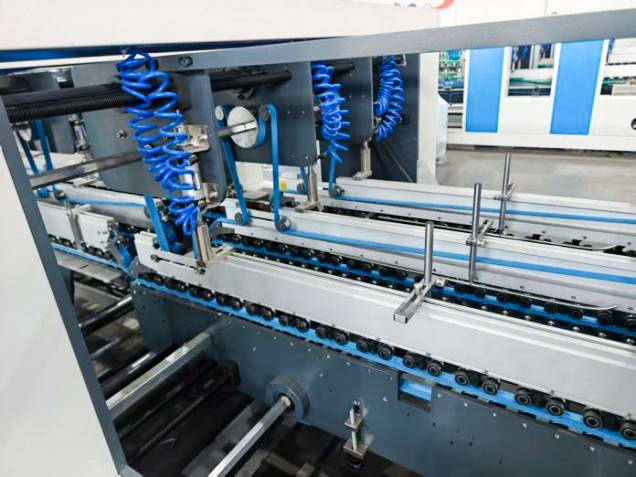
Medium thickness boards often move through a Corrugated Box Gluer Machine with fewer surprises, since their structure sits between flexibility and strength. Folding does not happen too easily, yet resistance is not strong enough to slow down production flow.
Glue behavior on this type of board tends to stay near the surface for a short period before bonding, which allows pressing rollers to complete their role without needing sudden adjustments. This creates a stable working condition where folding and bonding feel more predictable.
Alignment also remains more stable, since the board holds its shape during transitions between machine sections. Once the feed is set correctly, the material usually continues through the system without frequent correction.
Typical working characteristics include:
- Balanced folding resistance during shaping
- Moderate glue absorption at contact points
- Stable movement through guiding rollers
- Reduced need for frequent adjustment during operation
Because of this balance, medium boards are often used in continuous production runs where material consistency is important for stable output.
What Challenges Appear When Handling Heavy Corrugated Paper Grades
Heavy corrugated boards bring a different level of resistance into the machine. Folding requires stronger mechanical force, and that force must be distributed evenly so that fold lines do not become stressed or uneven during shaping.
Inside a Corrugated Box Gluer Machine, glue behaves differently on heavy surfaces. It does not move into the material quickly, so bonding depends more on pressure and contact time rather than absorption speed. If pressure is uneven, some areas may bond later than others, which affects overall carton stability.
The mechanical load also increases across folding sections and pressing rollers. Movement becomes more demanding, not because the machine changes function, but because the material itself resists more strongly at each stage.
| Board Type | Folding Resistance | Glue Behavior | Machine Demand |
|---|---|---|---|
| Light | Low resistance | Fast absorption | Light handling |
| Medium | Balanced resistance | Moderate bonding | Stable handling |
| Heavy | High resistance | Slow bonding response | Strong mechanical support needed |
Heavy materials usually require slower and more controlled passage through the system to keep bonding consistent across all fold areas.
How Does Folder Gluer Factory Testing Influence Machine Adaptation To Materials
Before a Corrugated Box Gluer Machine starts running in everyday production, it is usually put through a stage of repeated checks in a Folder Gluer Factory environment. That stage is not about output volume, it is more about watching how small behaviors change when different boards pass through the same folding and gluing path again and again.
During these runs, attention often goes to details that are easy to miss in fast production. Glue lines may look fine at a glance, yet under repeated folding the way adhesive spreads can shift slightly from one material to another. Some boards take glue quickly, others hold it longer on the surface, and that small difference changes how pressure needs to be felt through the rollers.
Feed movement is also watched in a quiet way. A sheet that enters slightly off line may still pass through the machine, yet later the fold edge may drift. In testing, that drift is noticed early, when it is still easy to adjust.
The goal is not to force all materials into one behavior, more like letting the machine and materials settle into a workable rhythm before real use begins.
How Does Adhesive Behavior Change Across Different Paper Grades
Glue inside a Corrugated Box Gluer Machine does not behave in a fixed way. Once it touches the surface, everything depends on the structure of the board.
On lighter paper, adhesive spreads fast, almost without waiting. It moves into the surface quickly and starts holding shape sooner than expected. Medium boards slow that movement down a bit, so glue stays visible on the surface for a short time before bonding starts to settle. Heavier boards feel even more resistant, where glue sits longer before it finally connects through pressure.
Surface treatment also changes the feeling of bonding. Some boards let glue travel evenly across fold lines, while others interrupt the spread slightly, which makes pressure timing more important than glue amount alone.
| Paper Type | Glue Behavior | Bonding Feeling | Machine Reaction |
|---|---|---|---|
| Light board | Fast spread, quick soak | Quick set | Gentle control |
| Medium board | Balanced surface hold | Steady set | Normal settings |
| Heavy board | Slow movement, delayed bonding | Pressure-based set | Strong pressing needed |
The same glue behaves differently simply because the surface underneath is different.
How Does Machine Speed Affect Gluing Quality Across Materials
Speed inside a Corrugated Box Gluer Machine quietly changes how glue behaves. When sheets move too quickly, glue may not have enough time to sit evenly before folding pressure arrives. That can leave small weak zones along edges, even if everything looks fine during operation.
Light boards sometimes cope better with faster movement because glue spreads quickly on their surface. Medium boards prefer a slower, more even rhythm where folding and pressing stay in balance. Heavy boards usually need slower movement so pressure can fully carry through the thickness.
Speed also affects how steady the sheet stays while moving through rollers. A slightly unstable feed at high speed can turn into uneven edges after folding, even when the difference is small during entry.
So speed is not only about output. It also decides how calm or rushed the bonding process feels inside the machine.
What Operational Adjustments Help Improve Compatibility With Multiple Paper Types
In real use, a Corrugated Box Gluer Machine rarely works with only one kind of board for long periods. Material changes are normal, so small adjustments become part of the daily rhythm rather than something special.
Roller pressure is often adjusted first. Heavier boards need stronger contact so folds close properly. Lighter boards need softer pressure so they do not get marked or bent in unwanted ways.
Glue amount also shifts depending on surface response. Some materials take glue quickly, others hold it longer, so the same setting does not always behave the same way across different boards.
Feed alignment is another point that quietly affects results. If sheets enter slightly off center, folding accuracy can drift later in the process, especially when switching between stiff and flexible materials.
Common adjustment points in practice:
- Roller pressure balance during folding
- Glue spread amount based on surface response
- Entry alignment of paper sheets
- Folding stability during transition between materials
Most of these changes are small, almost like fine tuning rather than full adjustment.
How Do Real Use Conditions Influence Long Term Machine Performance
Over time, a Corrugated Box Gluer Machine starts to reflect the way it is used every day. Different paper grades passing through the same system create different kinds of pressure on rollers, folding sections, and guiding parts.
Heavier boards tend to leave more load on pressing components, while lighter boards create less resistance but demand more precise control to keep shape steady. When both types are used regularly, wear does not appear evenly, and that becomes part of how the machine gradually changes in feel during operation.
Maintenance habits also play a quiet role. Clean glue paths, steady roller surfaces, and regular alignment checks help keep movement smooth even when material types keep changing. Without that, small shifts in performance slowly build up over time.
In real working conditions, long-term behavior is not shaped by a single factor. It comes from repeated contact between material, pressure, glue, and movement. Over time, the machine settles into that pattern, and its stability depends on how balanced those small daily conditions remain.
Recommended Products
Focus on providing high-quality folder-gluing equipment to customers around the world.



No.3888, Jiangnan Avenue, Nanbin Street, Ruian City, Wenzhou City, Zhejiang Province, China







Privacy Policy Copyright © Zhejiang Chengwang Intelligent Packaging Equipment Co., Ltd.
High Speed Folder Gluer Factory