English
 русский
 Français
 Español
 Deutsch
Why Does Automatic Folder Gluer Need Stable Glue Application
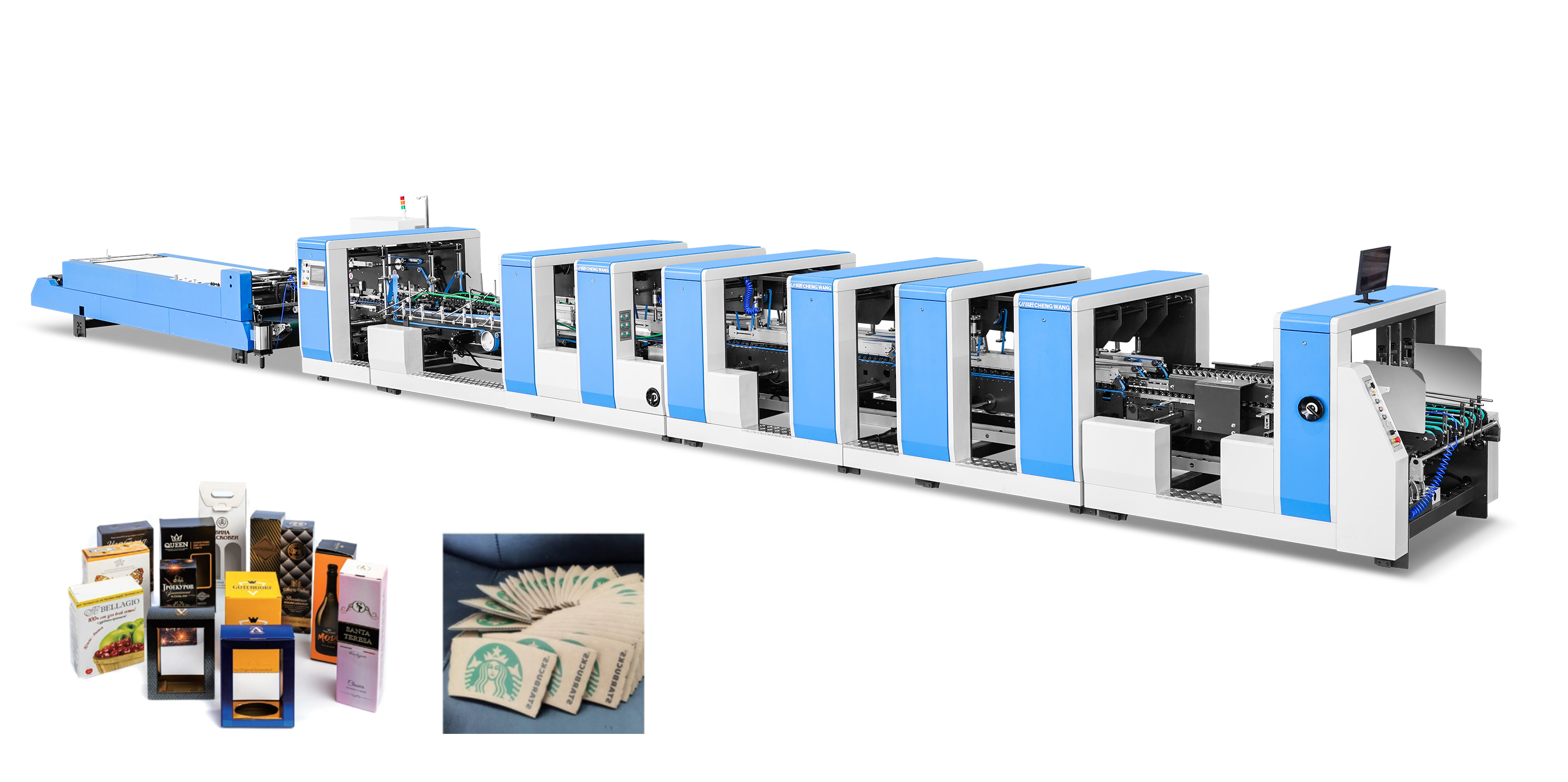
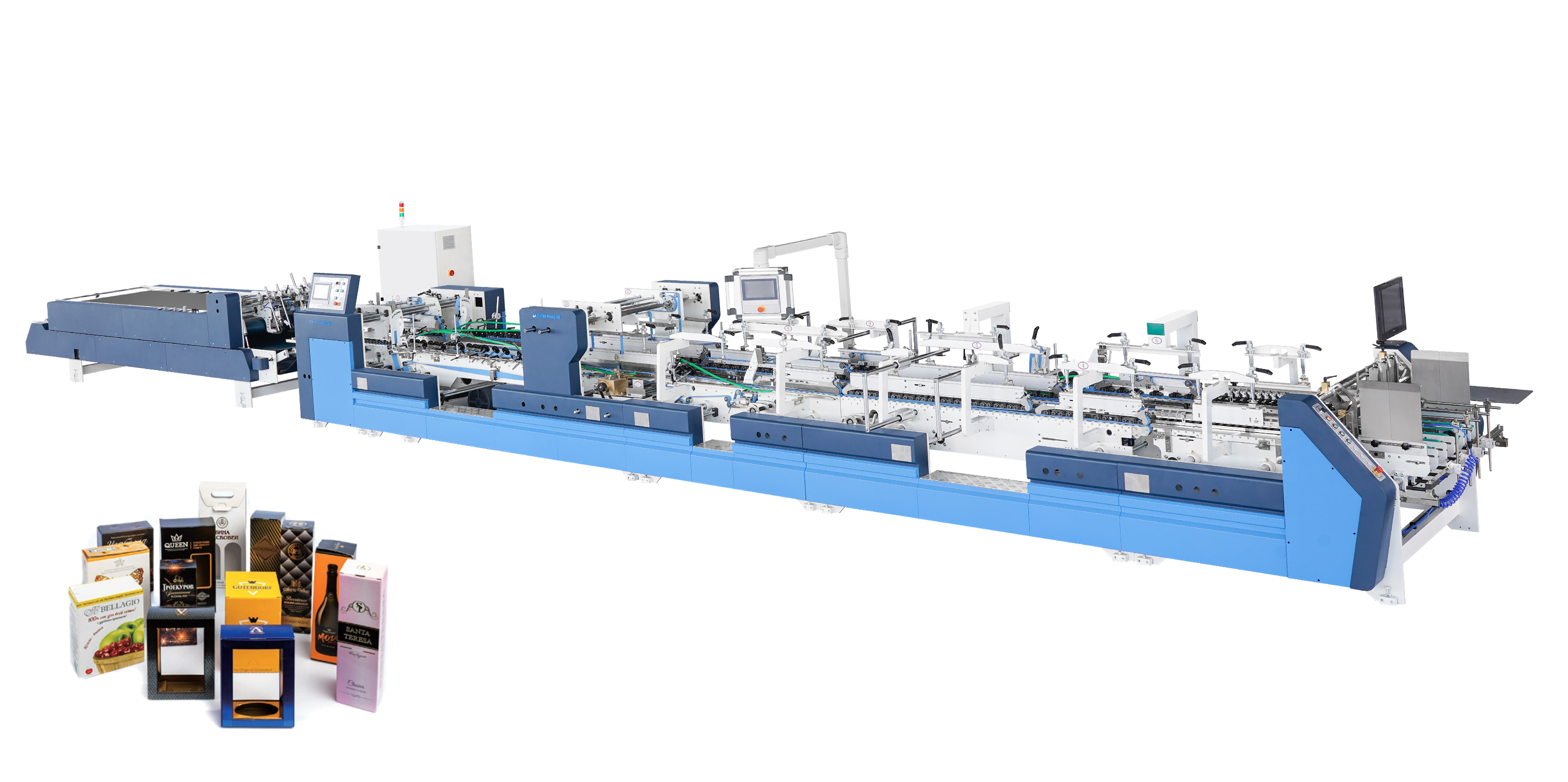
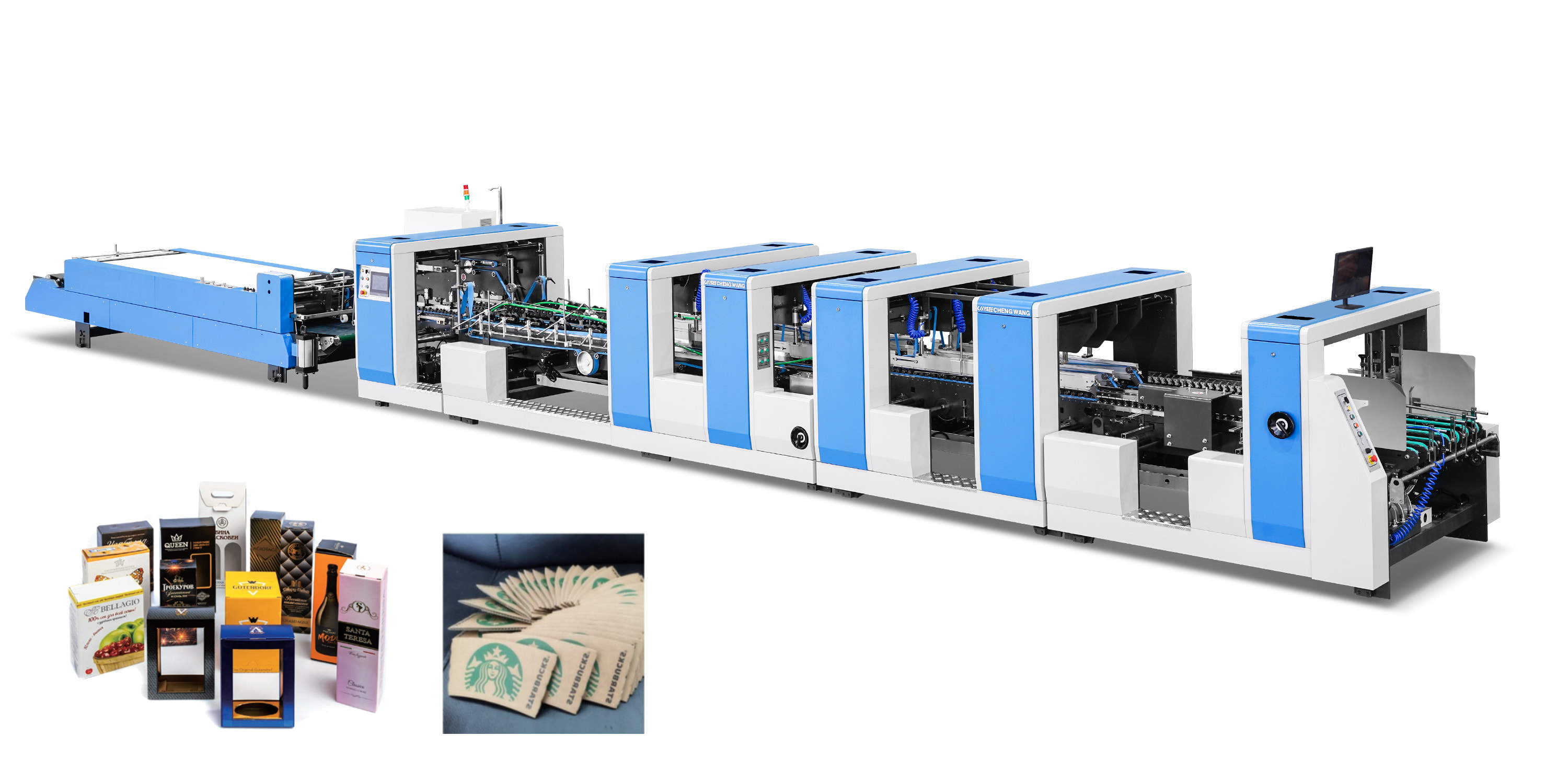
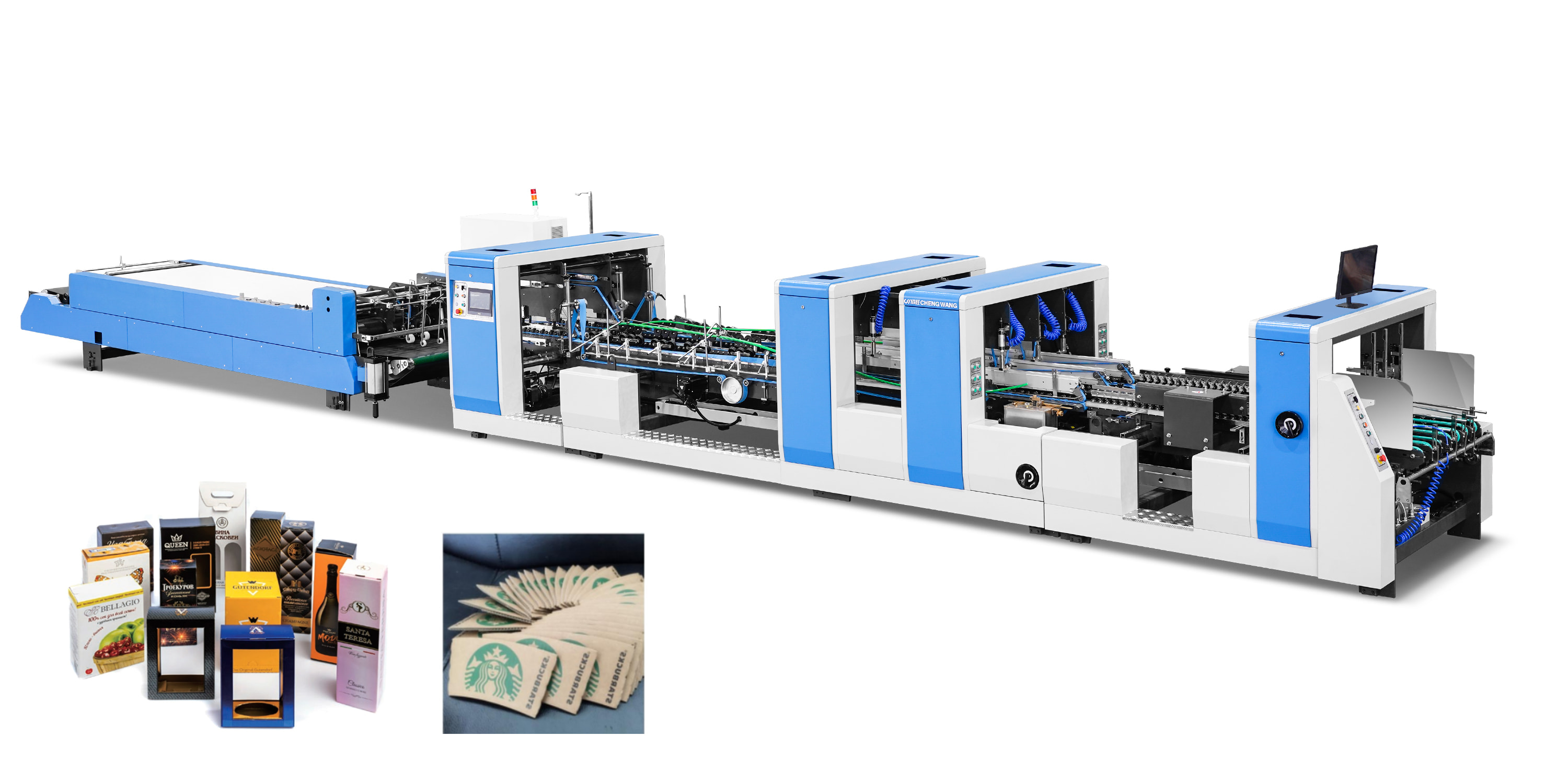
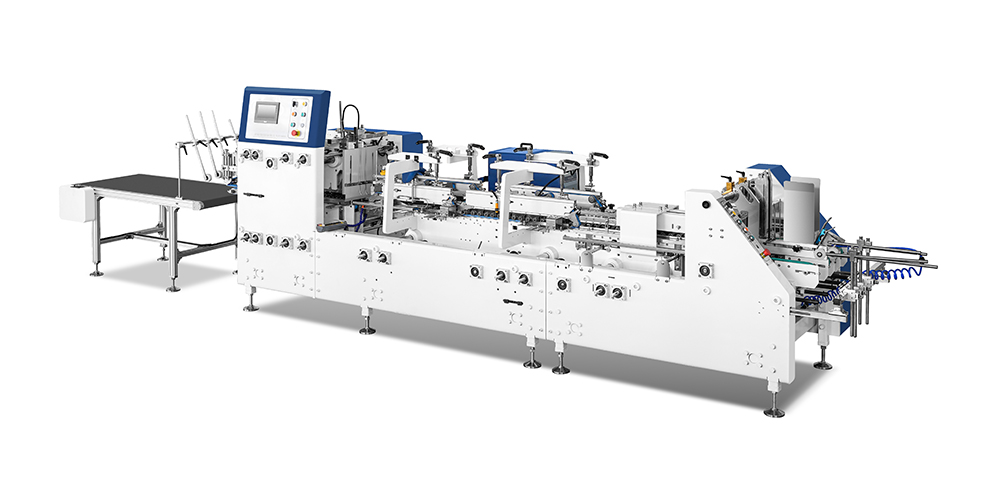
An Automatic Folder Gluer takes flat sheets of cardboard and turns them into finished cartons ready for filling. The machine feeds a blank from the stack, folds it along scored lines, applies adhesive to the designated flap or seam, and presses the glued joint together until the bond holds. The gluing system sits at the heart of the process. Without reliable adhesive delivery, the entire operation falls apart.
The machine handles various box styles, from simple tuck-end cartons to more complex lock-bottom designs. Different box styles place different demands on the glue system, but the need for consistent adhesive application remains constant across all of them. A folder gluer factory designs its equipment around that need, building glue systems that deliver the right amount of adhesive exactly where it belongs on every cycle.
Why Does Glue Application Need to Be Stable
The stability of glue application affects everything that follows in the packaging line. A carton that leaves the folder gluer with a properly bonded seam will hold its contents through filling, sealing, shipping, and shelf display. One that leaves with a weak seam or an excess of adhesive creates problems at every step downstream.
Inconsistent glue application costs money in multiple ways. Too little adhesive results in joints that pull apart. The carton may pass initial inspection but fail during filling or transport. Too much adhesive wastes material and creates messy surfaces that stick together in storage or cause problems for automatic filling equipment. The carton may also show visible bleed-through, an aesthetic problem that customers reject.
End users expect packaging that looks clean and holds together. A carton with glue smeared across the outside or seeping through the seam signals poor quality. Customers may not know why the packaging looks wrong, but they notice the problem and form opinions about the product inside. Stable glue application keeps the packaging looking professional and performing reliably.
What Happens When Glue Application Varies During Production
Variation in glue amount creates a range of problems. A carton receiving too little adhesive along its seam may stay open or pull apart under the lightest pressure. The box may survive the initial compression section of the folder gluer only to fail when stacked on a pallet or filled with product. The resulting rejections add waste and slow down the production line.
Too much adhesive causes its own difficulties. Excess glue squeezed out of the joint when the carton passes through the compression section leaves sticky surfaces that attract dust and pick up adjacent cartons. The cartons may stick together in the stack, causing jams in the filling machine or tearing when someone tries to separate them. Excess adhesive also takes longer to set, slowing the overall process while the glue dries.
The placement of the glue bead matters as much as the amount. A bead that wanders off the designated area fails to bond the carton properly. A bead that shifts position across the production run creates inconsistent bonding, with some boxes holding and others failing. Operator adjustments can compensate for some drift, but frequent adjustments interrupt the production flow.
How Does Glue Viscosity Affect the Application Process
Glue viscosity changes with temperature. Cold glue flows slowly and may not spread evenly across the surface. Warm glue flows more easily but may run or drip. The folder gluer factory chooses glue system designs that account for viscosity variation, but the nature of the adhesive itself means some variation will occur.
The viscosity also changes as the glue sits in the supply tank. Freshly mixed glue has different flow characteristics than glue that has been circulating for hours. The supply system must maintain consistent viscosity throughout the run. Temperature control, agitation, and proper replenishment all contribute to viscosity stability.
Viscosity affects how glue passes through the application system. A wheel applicator relies on the glue transferring from the reservoir to the wheel and then to the carton surface. Thicker glue transfers differently than thinner glue. A nozzle system depends on consistent pressure and flow to deliver a precise bead. Changes in viscosity alter the flow through the nozzle, requiring pressure adjustments to maintain the same delivery rate.
What Role Does the Gluing System Design Play
Folder gluer factories build two main types of glue application systems. Wheel applicators use a rotating wheel that picks up glue from a reservoir and transfers it to the moving carton. The glue film thickness depends on the gap between the wheel and a scraper or doctor blade. Setting that gap correctly delivers the desired coating thickness.
Nozzle systems apply glue as a bead directly onto the carton surface. The bead size and shape depend on nozzle design, glue pressure, and the viscosity of the adhesive. Nozzle systems offer more precise control over bead placement and can apply glue in patterns rather than continuous lines. The ability to turn the nozzle on and off allows spot application where needed.
Both systems require maintenance to keep delivering consistent results. Worn wheels or damaged nozzles produce uneven glue patterns. Clogged supply lines restrict flow and cause dry spots. A folder gluer factory pays attention to these design details because they affect how the machine performs over years of operation.
| Feature | Wheel Applicator | Nozzle System |
|---|---|---|
| Glue delivery method | Transfer from wheel to carton | Direct bead application |
| Control precision | Set by gap adjustment | Set by pressure and timing |
| Pattern flexibility | Continuous coating only | Continuous or spot application |
| Maintenance focus | Wheel and scraper condition | Nozzle cleanliness and alignment |
| Viscosity sensitivity | Moderate, affected by film thickness | High, directly affects flow rate |
| Setup complexity | Straightforward | Requires nozzle alignment and timing |
How Do Operating Conditions Influence Glue Stability
Machine speed changes how glue transfers from the applicator to the box. Running faster means less time for the glue to leave the applicator and spread across the seam. The same glue volume that works at moderate speed may fall short at higher speeds because the contact time has shortened. Operators often adjust glue delivery upward when speeding up the line, but those adjustments need care to avoid delivering too much adhesive when the machine slows down.
Temperature and humidity in the plant affect the glue's behaviour. A warm, dry environment pulls moisture from the adhesive, making it thicker and slower to flow. A cool, humid environment keeps the glue wetter and thinner, causing it to spread more easily. These shifts happen gradually through the day as the plant warms up in the morning and cools down in the evening. The glue system that runs perfectly at 9 AM may not run the same way at 2 PM.
The material being folded makes a difference too. Some boxboard absorbs moisture from the glue quickly, so the adhesive sets fast. Other materials resist absorption, leaving the glue wet longer and creating a higher risk of smearing. The folder gluer factory cannot control the substrate, but the glue system must handle these variations without requiring constant operator intervention.
Why Does the Folder Gluer Factory Focus on Glue System Quality
A folder gluer factory puts effort into the glue system because the factory knows what happens when that system fails. A machine that applies glue inconsistently will produce inconsistent boxes. The factory builds its reputation on machines that run reliably hour after hour, and the glue system plays a central role in that reliability.
Material choices for glue system components affect long-term performance. Metals that resist corrosion from water-based adhesives keep the system working longer. Plastics that do not deform under pressure maintain their seals and prevent leaks. The factory selects materials that withstand the chemical and mechanical demands of continuous glue application.
Testing procedures at the factory level check glue system performance before machines ship to customers. The factory runs the glue system under different speed and temperature conditions to confirm it delivers consistent results across the operating range. Any problems discovered during testing get fixed before the customer ever sees the machine.
What Maintenance Practices Support Stable Glue Application
Cleanliness keeps glue applicators working right. Dried adhesive builds up on wheels and nozzles, changing how the glue transfers to the box. Regular cleaning prevents this buildup from reaching a point where it affects application quality. The cleaning schedule depends on the type of adhesive used and the operating schedule of the machine.
Nozzles need periodic inspection for wear or damage. The tiny openings that shape the glue bead can become worn or distorted over time. A damaged nozzle produces a misshapen bead that does not stick properly or lands in the wrong place. Replacing worn nozzles before they fail prevents quality problems and reduces scrap.
Calibration of glue volume controls keeps the delivered amount consistent. The settings that worked on one box material may not work on another. Even within a single material lot, the controls can drift over time due to mechanical wear or temperature changes. Checking calibration regularly and making small adjustments keeps the glue delivery within the desired range.
What Production Problems Trace Back to Glue Variation
A few boxes with poor glue joints might not seem like a serious problem, but those few boxes represent a pattern that will continue through the run. Reworking the boxes takes time and labour. Scrapping them wastes material. The cost adds up across thousands of boxes.
Customer complaints about packaging that does not hold together create more serious issues. A carton that opens during shipment exposes the product to damage. A carton that arrives at a store with a loose flap creates a poor impression. The customer blames the product manufacturer, not the folder gluer operator.
Production downtime for glue system adjustments or cleaning pulls operators away from their main work. Each interruption in the production flow costs time that cannot be recovered. Frequent interruptions reduce overall output and make the process less predictable.
How Does Stable Glue Application Benefit the Entire Production Chain
Consistent glue application delivers consistent packaging quality from the start of the production run to the end. The first box off the line meets the same standard as the thousandth box. Operators do not have to make frequent adjustments, and the production flow continues without interruptions for rework or cleaning.
Waste reduction represents a direct cost saving. Less rework means more boxes shipped. Less scrap means more material used productively. The savings from reduced waste often pay for glue system improvements within a reasonable time frame.
A reliable glue application process also gives the packaging operation flexibility. The line can switch between different box styles and materials with confidence that the glue system will perform. The predictable results make scheduling easier and reduce the risk of delays caused by glue problems.
The final packages reaching customers arrive intact and looking professional. The end user opens the box and finds the product as expected, with no surprises from failing seams or sticky surfaces. That experience builds trust in the packaging and the product it carries. Stable glue application on the folder gluer makes that experience possible day after day.
Recommended Products
Focus on providing high-quality folder-gluing equipment to customers around the world.



No.3888, Jiangnan Avenue, Nanbin Street, Ruian City, Wenzhou City, Zhejiang Province, China







Privacy Policy Copyright © Zhejiang Chengwang Intelligent Packaging Equipment Co., Ltd.
High Speed Folder Gluer Factory