English
 русский
 Français
 Español
 Deutsch
Which Factors Affect Glue Accuracy In Carton Folder Gluer Systems
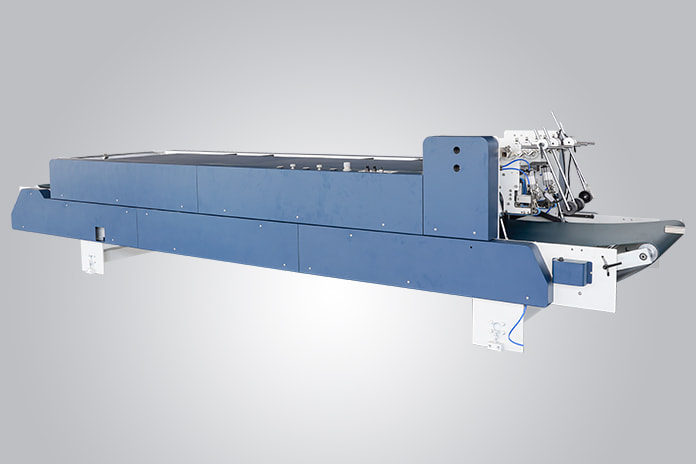
In packaging production, glue placement may look like a small detail, yet it often decides whether a carton closes cleanly or opens again during handling. A box that looks fine at the folding stage can still cause trouble later if adhesive lands too close to the edge, too far inside, or slightly off the folding line. In daily production, that kind of shift may lead to weak corners, uneven bonding, or extra rework at the end of the line.
A Carton Folder Gluer is built to keep folding and gluing working together in one flow. Paperboard enters the machine, gets guided into shape, receives adhesive, then moves toward the final closing stage. The process seems simple from a distance. In practice, every small movement inside the machine affects glue placement. A slight change in carton position, conveyor movement, or folding pressure may change where the adhesive ends up.
The same logic applies to an Automatic Folder Gluer. Automation helps reduce variation, yet stable glue accuracy still depends on how the machine is set up, how the material behaves, and how the moving sections stay aligned during operation. For daily packaging work, glue control is not just a machine feature. It is part of the full production rhythm.
What Glue Accuracy Means In Carton Folder Gluer Systems
Glue accuracy refers to whether adhesive reaches the right place on the carton at the right time. In simple terms, the glue strip has to match the folding area closely enough for the carton to close and hold its shape during later use. When the adhesive line moves away from the intended spot, the bond may still form, yet the carton may not keep the same strength or shape.
In real production, this becomes visible in ordinary situations. A carton used for shipping may open slightly at a corner. A display box may show an uneven seam. A food carton may lose shape during stacking. The problem often starts with glue placement that looked acceptable during machine operation, then turned into a bonding issue later.
- the glue line has to follow the fold position
- the carton has to move through the machine in a steady path
- the adhesive has to release at the right moment
- the folding section has to hold the shape long enough for bonding
When those parts move together in a stable way, the carton usually closes with a cleaner seam and stronger hold.
Why Mechanical Alignment Matters So Much
A Carton Folder Gluer works like a chain. One section feeds the carton, another section guides it, another section folds it, and the glue zone sits in between. If the carton enters slightly off-center, even a small shift can affect how the adhesive lands.
In a warehouse or packaging workshop, this may happen more often than expected. Cartons may vary a little in thickness. Edges may not be cut with the same stiffness. Guide parts may wear down after repeated use. Once the carton path starts drifting, glue position follows that drift.
- the feeding section keeps the carton moving in the right direction
- the guide rails hold the carton body in place
- the folding section shapes the edges before glue contact
- the glue area depends on all three sections staying in step
A simple example helps. A folding carton for a store shelf may pass through smoothly in the morning, then begin to show glue shift later in the day after repeated runs. The cause may not be the glue unit alone. It may come from slight movement in the guiding parts or a small change in how the carton travels through the machine.
How The Glue Application Zone Affects Placement
The adhesive zone inside the machine does not work in isolation. It is positioned along the carton path so glue can be placed before the folding edges meet. The layout of this zone affects whether the glue line lands where the carton can actually hold it.
- it keeps adhesive flow even during long production runs
- it matches glue release with carton movement
- it places glue where the fold will press later
- it avoids unnecessary spread near edges
In everyday production, glue problems often show up as small visual signs. The line may be too narrow on one side and slightly wider on another. Adhesive may sit too close to the surface edge. A folded seam may look clean but feel loose when handled. Those signs often point back to the glue application zone.
The operator may notice that the machine looks normal from the outside, yet the cartons coming out are not sealing in the same way. In many cases, the issue is less about the amount of glue and more about where the glue reaches the carton surface.
How Timing Control Affects Everyday Production
Timing is one of the easiest parts to overlook and one of the easiest parts to disturb. The carton needs to reach the glue zone at the exact moment the adhesive is released. If the glue comes out too early, it may spread before the fold reaches it. If it comes out too late, the carton may pass the contact point before bonding begins.
In a busy packaging line, timing may change for simple reasons. A carton stack may feed unevenly. One batch may be slightly stiffer than the next. A conveyor may slow down for a moment during a line adjustment. Any of these can change the relationship between carton movement and glue release.
A practical way to think about timing is this: the machine does not only need the right glue position, it needs the right glue position at the right moment. That timing link is what keeps the bond useful after folding and handling.
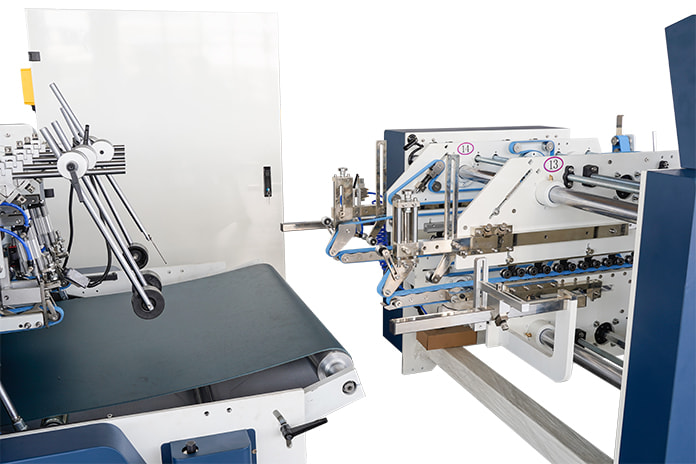
How Carton Material Changes Glue Behavior
Cartons do not behave the same way from one type to another. Some surfaces take adhesive in a steady way. Others absorb it more quickly. Some boards are stiff and hold their shape. Others flex a little more when passing through the machine. Those differences affect glue accuracy more than many people expect.
- smoother cartons allow glue to stay more defined
- more absorbent surfaces may spread adhesive slightly
- stiffer board may keep folding lines cleaner
- softer board may shift more under pressure
A packing line that handles folded cartons for shipping boxes, retail display packaging, or food containers may see different bonding behavior from each material group. A setup that works well for one carton style may need adjustment for another. Glue accuracy is therefore tied not only to the machine, but to what the machine is feeding.
How Conveyor Stability Supports Clean Glue Placement
The conveyor acts like the road under the carton. When the carton moves in a steady way, glue placement becomes easier to control. When the movement changes even a little, adhesive may land outside the intended area.
- speed changes during setup
- uneven carton feeding
- slight slippage at contact points
- pauses between batches
A stable conveyor path helps the carton pass through the glue section with the same position each time. That consistency matters when the line has to keep running for repeated cartons with the same shape. Without it, glue placement may drift from one piece to the next.
| Real Production Factor | What It Changes In Practice | Common Result On Cartons |
|---|---|---|
| Mechanical alignment | Carton path position | Glue line shifts slightly |
| Glue zone timing | Release moment | Bonding area becomes uneven |
| Carton material | Glue spread and hold | Seam strength changes |
| Conveyor movement | Carton travel consistency | Glue placement varies |
| Folding pressure | Final seam contact | Edge closure becomes loose or tight |
How Folding Pressure Affects The Final Bond
Folding does more than change shape. It presses the glued surface into contact so the bond can hold. If pressure is too weak, the carton may not close fully. If pressure is uneven, one side may bond while the other side stays loose.
In practical work, this often shows up on cartons that look folded but do not stay closed during stacking or transport. A folding section that presses too early or too late may disturb the glue area before the bond settles. A section that presses unevenly may create a seam that appears correct at a glance and weak after handling.
The folding stage therefore works as part of glue accuracy. Adhesive placement and folding contact have to support one another. A machine may apply glue well and still produce weak cartons if the folding pressure does not match the glue position.
How Automatic Folder Gluer Systems Keep The Flow Steady
An Automatic Folder Gluer is usually chosen to reduce manual variation. In daily operation, the value lies in its ability to keep cartons moving through the same path again and again. The more stable the path, the more stable the glue placement.
- feeding stays aligned with the carton entry point
- glue application follows the moving carton
- folding parts shape the board at the right stage
- output sections keep the carton moving after bonding
When the machine runs smoothly, the cartons coming out of it are easier to stack, pack, and ship. When one part of the flow changes, the result may show up later as adhesive offset or seam weakness.
How Operator Setup Influences Glue Accuracy In Daily Work
Even when a Carton Folder Gluer system is designed for stable operation, the initial setup still shapes how glue behaves during production. In many workshops, small adjustments made before running a batch often decide whether cartons come out clean or show slight bonding deviation.
- alignment of feeding guides before carton input
- positioning of side rails to keep carton travel steady
- basic confirmation of glue flow before continuous run
- adjustment of folding pressure depending on carton stiffness
In practical use, setup differences become more visible when switching between carton styles. A carton that feeds smoothly in one run may require slight guide correction in the next. When these adjustments are skipped or rushed, glue placement tends to drift along the folding edge.
Experience in production environments shows that stable glue accuracy often begins before the machine fully starts running, not during operation itself.
How Environmental Conditions Affect Glue Behavior
Glue performance inside a Carton Folder Gluer is not only controlled by mechanical structure. Surrounding conditions in the workspace also influence how adhesive behaves once applied.
- changes in surrounding temperature affecting glue texture
- airflow around the machine influencing surface drying speed
- dust presence near feeding zones affecting carton surface contact
- long operation cycles causing gradual changes in adhesive consistency
These factors do not always stop production, yet they can change how glue spreads on the carton surface. In some cases, adhesive may appear stable at the start of a shift, then behave slightly differently after long continuous operation.
Workshops often notice that glue lines become less uniform during long runs. The cause is rarely one single factor. It is usually a mix of environment, material condition, and machine movement working together.
Maintenance Habits And Their Impact On Glue Consistency
Inside Automatic Folder Gluer systems, small mechanical components play an important role in keeping glue application stable. When these parts are not maintained regularly, glue accuracy may gradually shift without immediate notice.
- glue nozzles collecting residue over time
- guide rails losing smooth contact surfaces
- conveyor belts showing slight wear affecting carton movement
- folding components losing consistent pressure points
In daily operation, these changes are slow. The machine may still run, cartons may still form, yet glue placement can begin to shift slightly from intended positions.
A common observation in production lines is that glue inconsistency is often noticed only after several runs, not immediately. By that time, small structural changes inside the machine may already be influencing carton flow.
Regular cleaning and simple mechanical checks often help maintain more stable glue behavior across longer production cycles.
How Material Flow Inside The System Affects Glue Placement
Carton movement inside the machine is not a single straight path. It passes through feeding, alignment, folding, glue application, and output stages. Each stage influences how the next one behaves.
When material flow remains steady, glue placement tends to follow a predictable path. When flow becomes uneven, glue position may shift even if the glue unit itself remains unchanged.
- slight variation in carton stacking before feeding
- uneven entry speed into the guide section
- resistance changes when carton passes folding points
- minor delays between conveyor segments
These small differences can accumulate. A carton that enters slightly off-center may still pass through the system, yet receive adhesive in a slightly shifted position. Over time, this creates visible variation in sealing lines across multiple cartons.
Where Glue Accuracy Issues Commonly Appear In Production Lines
In real packaging environments, glue accuracy issues tend to appear in predictable areas of the process. These are usually points where movement, timing, and material pressure meet.
- entry zone where cartons first align into the system
- transition area between feeding and folding sections
- glue application zone during continuous motion
- final folding stage before carton sealing completes
Each of these points carries different pressure on the carton. When alignment is slightly off at one stage, the effect often becomes clearer in the next.
For example, a minor shift at the feeding section may not be visible immediately. Once the carton reaches the glue zone, that shift becomes a visible offset in adhesive position.
How System Design Supports More Stable Glue Behavior
Design structure inside a Carton Folder Gluer plays a quiet but steady role in glue accuracy. Instead of focusing on one component, system layout distributes control across multiple sections working together.
- smoother transition between feeding and folding paths
- reduced sudden changes in carton direction
- controlled spacing between mechanical sections
- consistent support for carton alignment during movement
These design choices reduce the chance of sudden position changes. When carton movement stays predictable, glue application becomes easier to control without frequent adjustment.
Automatic Folder Gluer systems rely on this coordination to maintain steady operation across repeated production cycles.
| Factor Area | What Happens In Operation | Effect On Carton Outcome |
|---|---|---|
| Operator setup | Initial guide positioning | Early alignment stability |
| Environmental condition | Workspace influence on glue behavior | Variation in adhesive spread |
| Maintenance status | Condition of mechanical parts | Long-term consistency change |
| Material flow | Carton movement through system | Glue position shift risk |
| System structure | Layout of machine sections | Overall stability of bonding |
Glue accuracy inside Carton Folder Gluer systems is not controlled by a single mechanism. It forms through continuous interaction between movement, material, and machine structure.
In real production work, Automatic Folder Gluer systems rely on stable coordination across multiple stages. When feeding, folding, glue application, and conveyor movement remain aligned, carton bonding tends to stay consistent across long runs.
Small variations in setup, environment, or material flow may not stop production, yet they gradually shape how glue behaves on each carton. Over time, these subtle differences define whether sealing lines remain steady or begin to shift across batches.
Recommended Products
Focus on providing high-quality folder-gluing equipment to customers around the world.



No.3888, Jiangnan Avenue, Nanbin Street, Ruian City, Wenzhou City, Zhejiang Province, China







Privacy Policy Copyright © Zhejiang Chengwang Intelligent Packaging Equipment Co., Ltd.
High Speed Folder Gluer Factory