Why Does Carton Folder Gluer Produce Uneven Folding During Operation
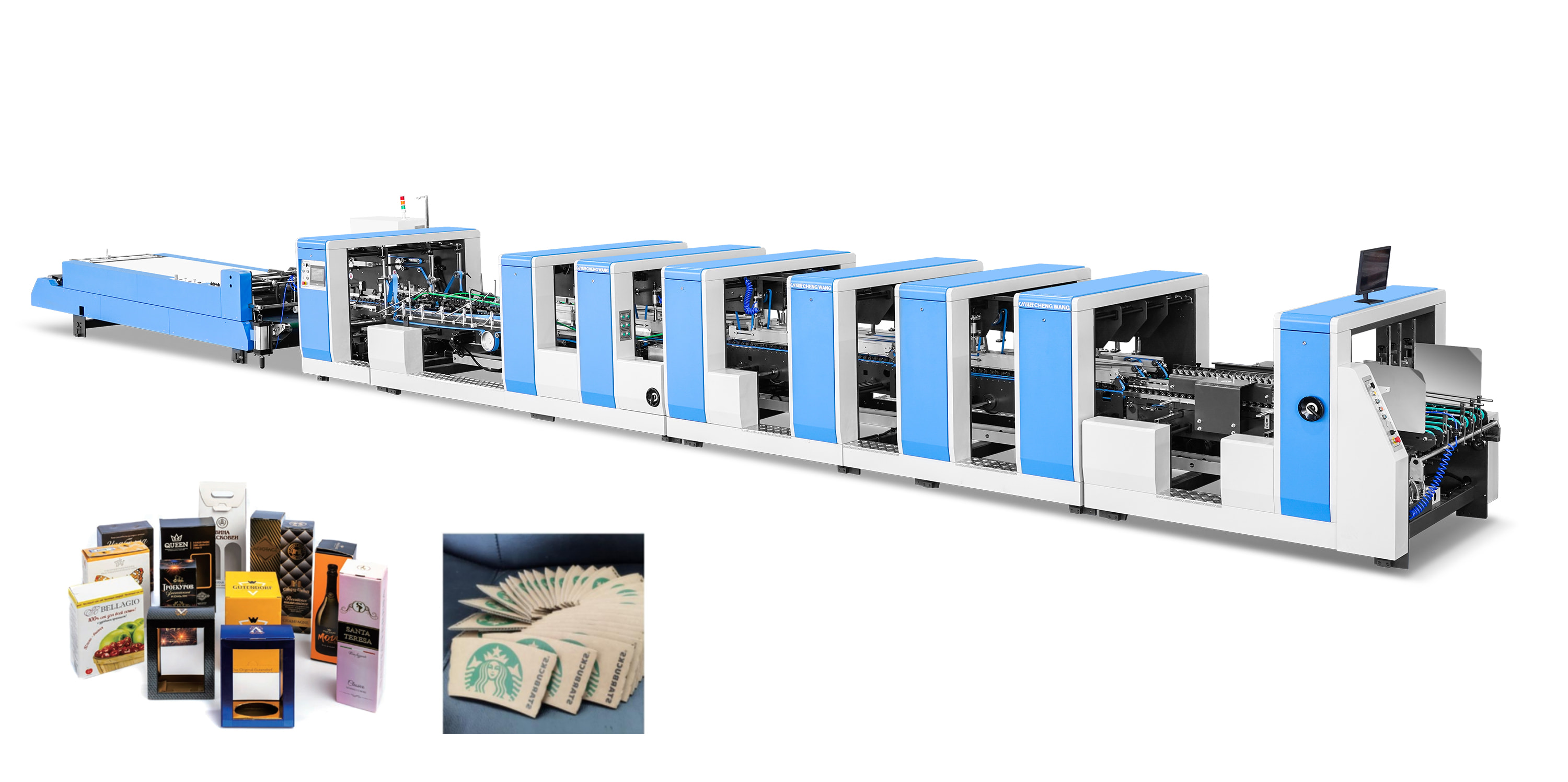
In carton production work, folding is one of those steps that quietly decides whether everything that follows feels smooth or slightly off. When a fold starts drifting, even by a small margin, the carton stops sitting straight. Stacking becomes uneven, edges look slightly different from each other, and later packaging work starts to need extra attention.
A Carton Folder Gluer is expected to keep this process steady while running continuously. Sheets enter, get guided, folded, and then glued in one movement. In real conditions, nothing changes suddenly. Instead, small things build up over time. A belt stretches a little. A roller surface collects residue. A batch of paper feels slightly different in stiffness. Any one of these can start shifting the folding path.
Inside a Folder Gluer Factory, uneven folding is rarely treated as a single fault. It is usually something that appears slowly, then becomes obvious only after a few stacks are checked. Often the machine itself is still running, just not holding symmetry as well as before.
What Does Uneven Folding Mean In Carton Folder Gluer Operation?
Uneven folding is not always dramatic. Most of the time, cartons still pass through the machine and look acceptable. The issue shows up in balance.
One side may fold a bit earlier than the other. Sometimes the crease line drifts slightly off center. In other cases, the box looks fine when flat, but once it stands or stacks, a tilt becomes visible.
Typical signs noticed during operation include:
- One edge pulling tighter than the opposite side
- Fold line slowly moving away from center over repeated sheets
- Carton body leaning slightly during transfer
- Stack showing a mild diagonal pattern instead of straight alignment
At the beginning, these changes are easy to miss. They do not stop production, and output still moves forward. But as sheets continue passing through, the same small deviation repeats again and again, and that repetition is what makes the issue noticeable.
A Carton Folder Gluer does not usually "create" uneven folding all at once. It comes from small differences stacking up across feeding, guiding, and folding sections.
Why Do Folding Belts And Rollers Affect Folding Accuracy?
Inside Folder Gluer Equipment, folding belts and rollers are responsible for keeping the carton moving in a controlled line. If they are not balanced, the carton loses its straight path before folding even fully begins.
One common situation is belt tension difference. When one side is slightly looser, that side cannot pull with the same force. The stronger side starts guiding the carton more than it should, and the sheet slowly drifts off center.
Rollers behave in a similar way. Over time, they do not stay perfectly clean or uniform. Glue residue, paper dust, or ink buildup can change surface grip. One roller may start pulling harder than the other without it being obvious.
Gap adjustment also plays a quiet role. If spacing is not matched well to carton thickness, pressure becomes uneven. One side gets more contact force, while the other side moves with less resistance.
In real workshop use, these issues rarely appear alone. They usually overlap:
- One belt slightly looser than the other
- Roller surface becoming uneven due to buildup
- Small friction difference between left and right sides
- Gap setting not matching current material thickness
A simple way to picture it:
| Condition inside machine | What carton usually does |
|---|---|
| Both belts balanced | Straight, stable folding path |
| One belt slightly loose | Gradual sideways drift |
| Clean rollers both sides | Even movement control |
| One roller dirty or worn | One-sided pulling effect |
| Proper gap setting | Smooth fold formation |
| Poor gap match | Uneven pressure during fold |
Even a small imbalance in this section can slowly change how every carton behaves after folding starts.
How Does Infeed Alignment Influence Folding Symmetry?
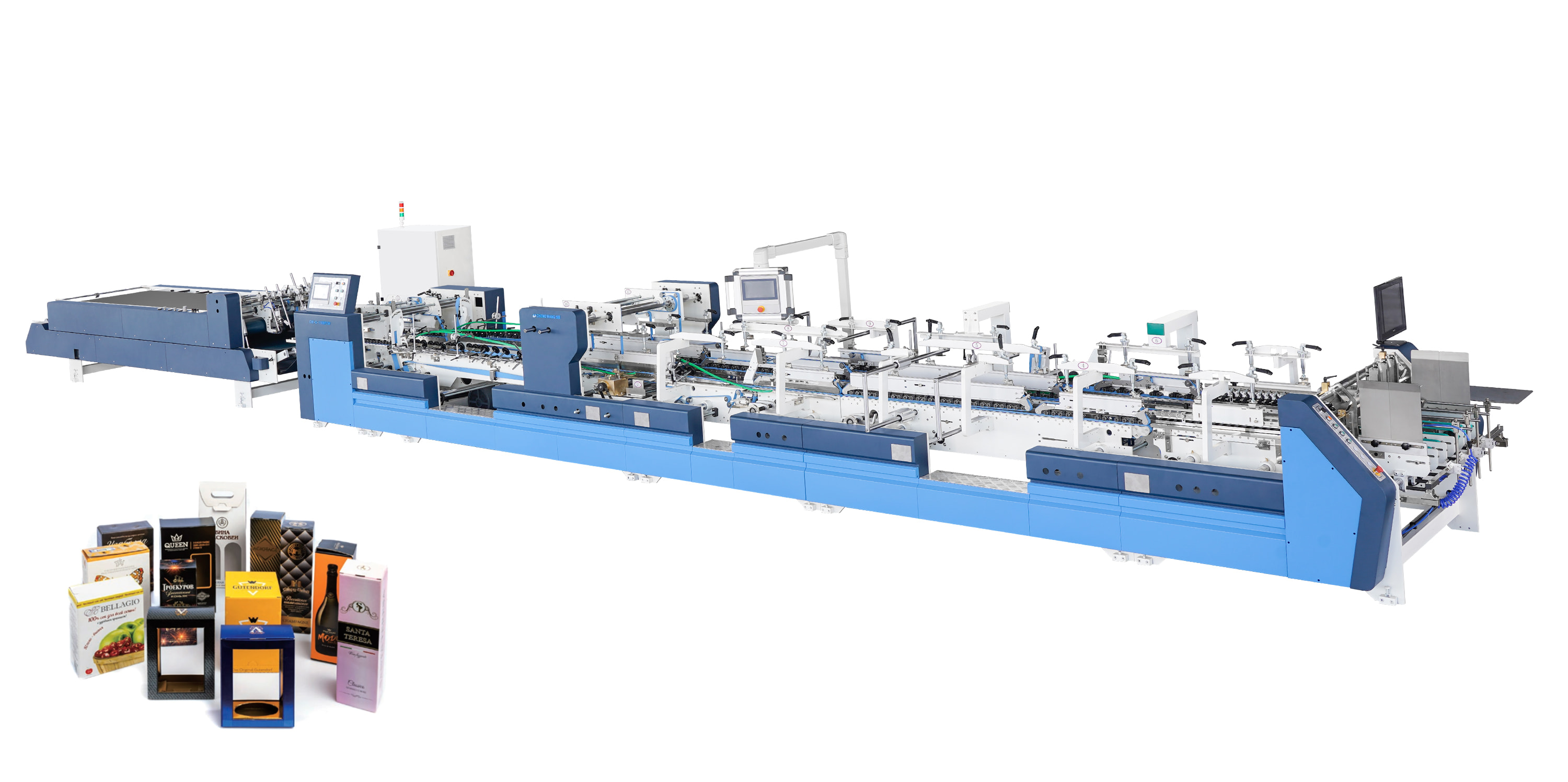
Before folding begins, carton position already sets direction. If entry is slightly off, folding rarely returns it to center later.
Infeed alignment decides how blanks enter the machine. When entry is not straight, the carton already carries a direction bias into the folding section. From that point, every movement follows the same angle.
Side guides are part of this control. If guides are not properly aligned, cartons slowly shift to one side during feeding. It may not be obvious because movement is continuous, not abrupt.
Transfer pressure also matters. Too much pressure from belts or rollers can stop the carton from adjusting naturally. Instead of correcting its position, it stays locked into the initial offset.
Common feeding-related issues seen in practice:
- Blank entering at a slight angle without immediate detection
- Side guide not fully matching feed direction
- Transfer belt pressure restricting natural correction
- Timing mismatch between feeding and folding entry
Once this stage is off, folding section only continues the same direction. It rarely fixes the alignment by itself.
What Role Do Die Cutting And Material Quality Play In Folding Behavior?
Even when machine settings are stable, material itself can shift how folding behaves. Carton performance depends heavily on how the sheet was prepared before it reaches the machine.
Die cutting quality is often one of the things noticed when folding becomes inconsistent. If crease lines are not deep or clear enough, carton does not follow them cleanly. Instead, bending may drift slightly beside the intended line.
Fiber direction inside the paper also changes resistance. Paper bends more easily in one direction than another. When that direction does not match folding layout, one side feels stiffer than the other during bending.
Moisture condition adds another layer. Slight humidity can make material softer and easier to fold, but edge definition becomes less sharp. Dry material feels more rigid, and folding resistance increases.
Typical material effects:
- Weak crease line leading to unclear fold path
- Uneven cutting causing slight directional resistance
- Fiber direction mismatch creating uneven bending force
- Moisture variation changing stiffness across sheets
Simple comparison from production behavior:
| Material condition | Folding behavior seen in line |
|---|---|
| Clear crease lines | Smooth guided folding |
| Weak crease lines | Slight path deviation |
| Aligned fiber direction | Balanced folding force |
| Misaligned fiber direction | One side resists more |
| Stable moisture | Predictable folding response |
| Variable moisture | Irregular folding feel |
Inside Folder Gluer Factory environments, material variation often explains changes in folding behavior even before mechanical inspection begins.
How Do Mechanical Settings Inside Carton Folder Gluer Affect Folding Balance?
Once carton blanks enter the folding section, everything becomes about balance between movement, pressure, and timing. A Carton Folder Gluer does not "decide" folding quality in one place. It depends on how several parts behave together while running.
Folding arms are often where imbalance shows up. When pressure on one side feels slightly stronger, that side finishes folding earlier. The carton then continues moving with a small twist that becomes more obvious after stacking. It is rarely a sudden change, more like something that slowly builds during continuous running.
Speed also matters. If conveyor movement is a bit too fast for folding pressure to fully settle, the carton leaves the folding zone before both sides align completely. If speed is too slow, material may start resisting inside the folding path, which also leads to uneven stress.
Glue timing sometimes plays a quiet role. When adhesive reaches one side a little earlier, that side holds shape sooner. The other side is still adjusting, and the final fold ends up slightly uneven without an obvious cause sight.
In real production, it is often not one setting. It is a few small shifts happening together.
Why Does Maintenance Condition Inside Folder Gluer Factory Matter?
Inside a Folder Gluer Factory, machines rarely stay in identical condition from day to day. Even when everything is running normally, wear and residue slowly change how parts interact.
Dust from paper and dried glue can build up on rollers and belts. It does not look serious, yet it changes surface grip. One side may start pulling a bit stronger than the other without being noticed immediately.
Rollers also do not stay perfectly even after long use. Slight wear patterns form where contact happens more often. That uneven surface is enough to create small differences in pulling force, which later shows up as folding drift.
Another quiet factor is timing drift caused by long operation cycles. When machines run continuously, small calibration shifts can appear. Nothing stops the line, but folding balance becomes slightly less stable over time.
Common workshop observations include:
- Thin glue or dust layer changing roller traction
- One-side wear on folding belt paths
- Slow drift in mechanical alignment over long runs
- Small changes in folding sound or resistance feel
These are not sudden faults. They build gradually, often noticed only when folding symmetry starts to look slightly off.
How Does Production Environment Influence Folding Stability?
Even when the machine is stable, the environment around it changes how carton behaves. Paper is sensitive to surrounding conditions, and folding response follows that sensitivity.
Humidity is one of the clearest influences. When air carries more moisture, carton becomes softer and bends more easily. Folding may feel smoother, yet edges sometimes lose sharp definition. In drier conditions, material becomes stiff, and folding resistance increases. That difference alone can shift balance between left and right folding behavior.
Temperature also affects glue reaction. Adhesive does not behave the same under all conditions. Slight changes in setting speed can influence how quickly folded sections lock into shape.
Vibration from nearby machines is another factor. In a busy Folder Gluer Factory, several machines often run at the same time. Small floor vibrations travel through structures and can affect alignment stability during long runs.
Storage condition of raw sheets matters as well. If stacks are stored unevenly, some sheets may carry slight internal stress. Once they enter the machine, folding response becomes inconsistent even though material looks identical.
What Practical Troubleshooting Steps Help Reduce Uneven Folding?
When uneven folding appears, correction usually starts with simple checks rather than complex adjustments. Most issues can be traced back to a few basic areas.
A common method is to run a single sheet through the machine while it is stopped. This helps feel whether both sides move with the same resistance. If one side feels tighter, it usually points to roller or belt imbalance.
Cleaning is another practical step. Glue residue and paper dust may not be visible at a glance, but even a thin layer can change friction. Once removed, movement often becomes smoother again.
Belt tension is also checked regularly. If one side pulls slightly stronger, carton will slowly drift during folding. Adjusting both sides evenly often restores balance without major changes.
Typical actions in workshop handling include:
- Single-sheet manual feeding to check movement balance
- Cleaning rollers and removing adhesive buildup
- Adjusting belt tension in small steps
- Checking side guides for straight entry
- Matching conveyor speed with folding response
Most corrections are small. Large adjustments are usually avoided because folding systems respond better to gradual changes.
How Do Operational Habits Influence Long-Term Folding Consistency?
Over time, even stable machines reflect the habits of operation. Small repeated actions slowly shape how folding behaves during long production cycles.
Starting a run without checking alignment can allow small deviation to enter early. Once it enters, it often continues through the whole batch.
Adjustments made too quickly can also create imbalance. Folding systems tend to respond better when changes are gradual, giving each section time to settle.
Observation during early output is another important habit. Small changes in sound, folding resistance, or carton movement often appear before visible defects. Noticing them early helps keep stability.
In many production lines, steady habits include:
- Checking alignment before full-speed operation
- Making small, gradual parameter adjustments
- Watching early sheets during each run
- Keeping rollers and belts clean on a regular cycle
- Preparing material evenly before feeding
These habits do not change the machine itself, but they strongly influence how stable folding remains over time.
How Does Uneven Folding Develop Across Different Box Structures?
Carton structure also plays a role in how uneven folding appears. Simple designs usually pass through the machine with less resistance change. Folding imbalance may still happen, but it develops slowly.
More complex structures behave differently. Multiple crease lines mean multiple bending points. If one section reacts slightly differently, the imbalance becomes more visible as the carton moves forward.
Longer panels also show deviation more clearly. Even a small angle difference becomes noticeable across length, especially during stacking.
So structure does not create the issue alone. It changes how fast and how clearly the issue becomes visible.
Uneven folding in Carton Folder Gluer operation usually comes from a mix of small factors rather than one clear cause. Mechanical condition, material behavior, environment, and daily handling all play a part.
Folder Gluer Equipment works as a connected system, where slight imbalance in belts, rollers, feeding, or material condition can gradually affect final shape. Inside a Folder Gluer Factory, stability often depends more on steady observation and small corrections than large adjustments.
In real production, folding balance is less about fixing one problem and more about keeping many small parts moving in the same direction over time.
Recommended Products
Focus on providing high-quality folder-gluing equipment to customers around the world.



No.3888, Jiangnan Avenue, Nanbin Street, Ruian City, Wenzhou City, Zhejiang Province, China







Privacy Policy Copyright © Zhejiang Chengwang Intelligent Packaging Equipment Co., Ltd.
High Speed Folder Gluer Factory