English
 русский
 Français
 Español
 Deutsch
Why Understanding Box Gluing Machines Can Help You Appreciate Packaging Design
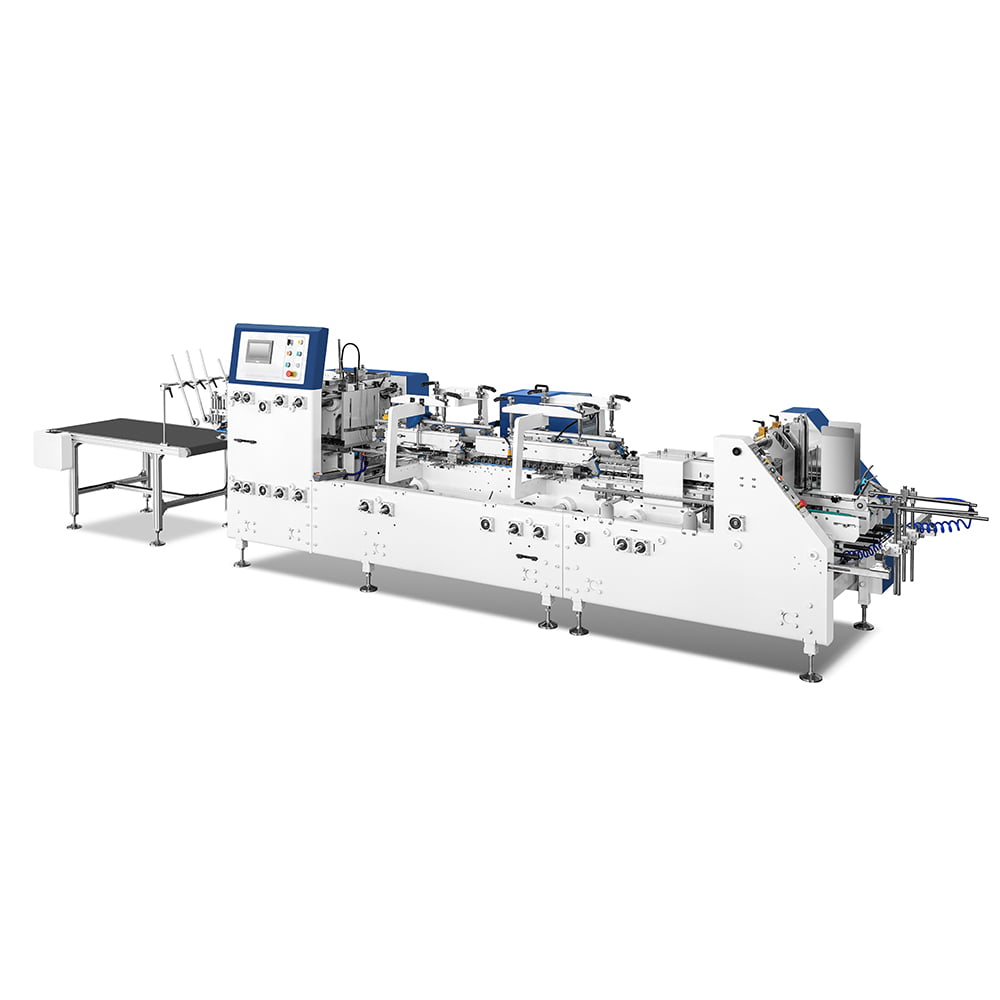
Walk into any home, office, or retail store, and you’ll find cardboard boxes—stacked in closets, holding online orders, or protecting products on shelves. These humble containers are so integral to daily life that we rarely stop to consider how they’re made. Yet behind every sturdy, well-sealed box lies a feat of engineering: the Box Gluing Machine. This industrial workhorse transforms flat sheets of cardboard into functional, durable packaging, bridging the gap between raw materials and the products we rely on.
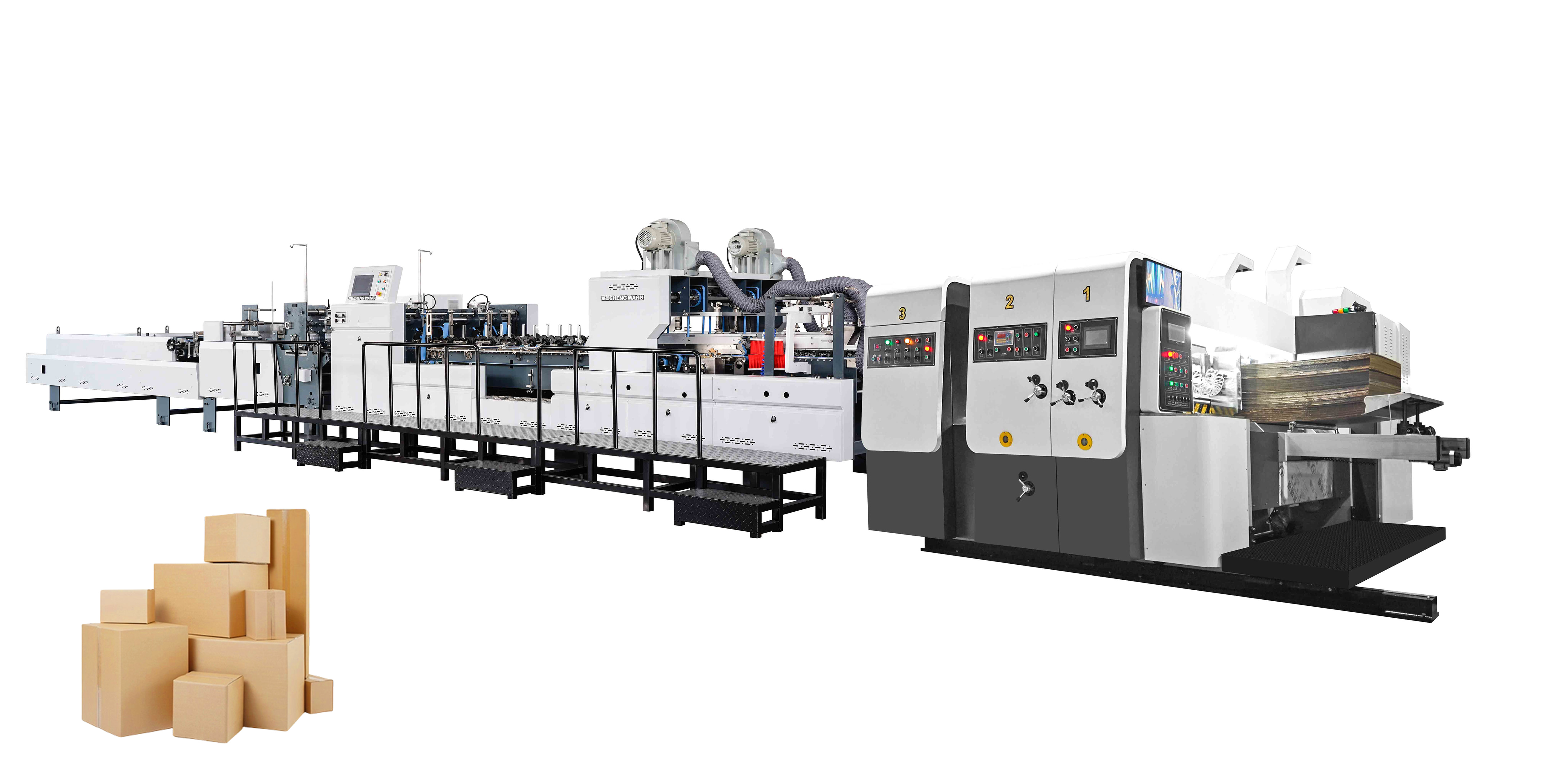
The rise of e-commerce has amplified the importance of these machines. In 2024 alone, global e-commerce sales exceeded $6 trillion, with each order requiring a box that can withstand sorting, shipping, and handling across continents. Where manual box assembly once sufficed for small-scale operations, today’s demand for speed, consistency, and quality demands automation. A single modern Box Gluing Machine can assemble thousands of boxes per hour—far outpacing human capacity—while ensuring every fold is precise and every glue application is uniform.
Companies like Cenwan Machine, a leading manufacturer of box gluing equipment, design machines tailored to the needs of corrugated packaging production lines. Their systems integrate features like adjustable glue application, precise fold alignment, and high-speed feeding to meet the industry’s strict standards. By understanding how these machines work, we gain a new perspective on packaging: it’s not just a “container”—it’s a carefully engineered solution, shaped by the technology that brings it to life.
The Basics of Box Gluing Machines: How They Turn Flat Sheets Into Functional Boxes
At its core, a Box Gluing Machine is designed to automate two critical steps in box production: folding flat cardboard into the desired shape and applying adhesive to create a secure bond. While the technology varies by size and capability, the fundamental process is accessible—and fascinating.
What Is a Box Gluing Machine?
A Box Gluing Machine (also called a Folder Gluer) takes pre-cut, flat cardboard sheets (known as “blanks”) and transforms them into 3D boxes. Unlike manual folding, which is prone to human error, these machines use mechanical guides, sensors, and automated arms to ensure every fold is consistent. Adhesive is applied only at precise points—usually along the “flaps” of the box—creating a strong bond without waste.
Types of Box Gluing Machines (By Scale)
Box Gluing Machines are categorized by their production capacity, making them suitable for businesses of all sizes:
- Small-scale/workshop machines: Compact, portable units ideal for small businesses or custom packaging shops. They handle low to moderate volumes (50–500 boxes per hour) and can be adjusted for different box sizes, from small gift boxes to medium shipping cartons.
- Mid-range machines: Designed for small-to-medium enterprises (SMEs) with regular packaging needs. These machines offer faster speeds (500–2,000 boxes per hour) and features like automatic feeding, reducing the need for manual labor.
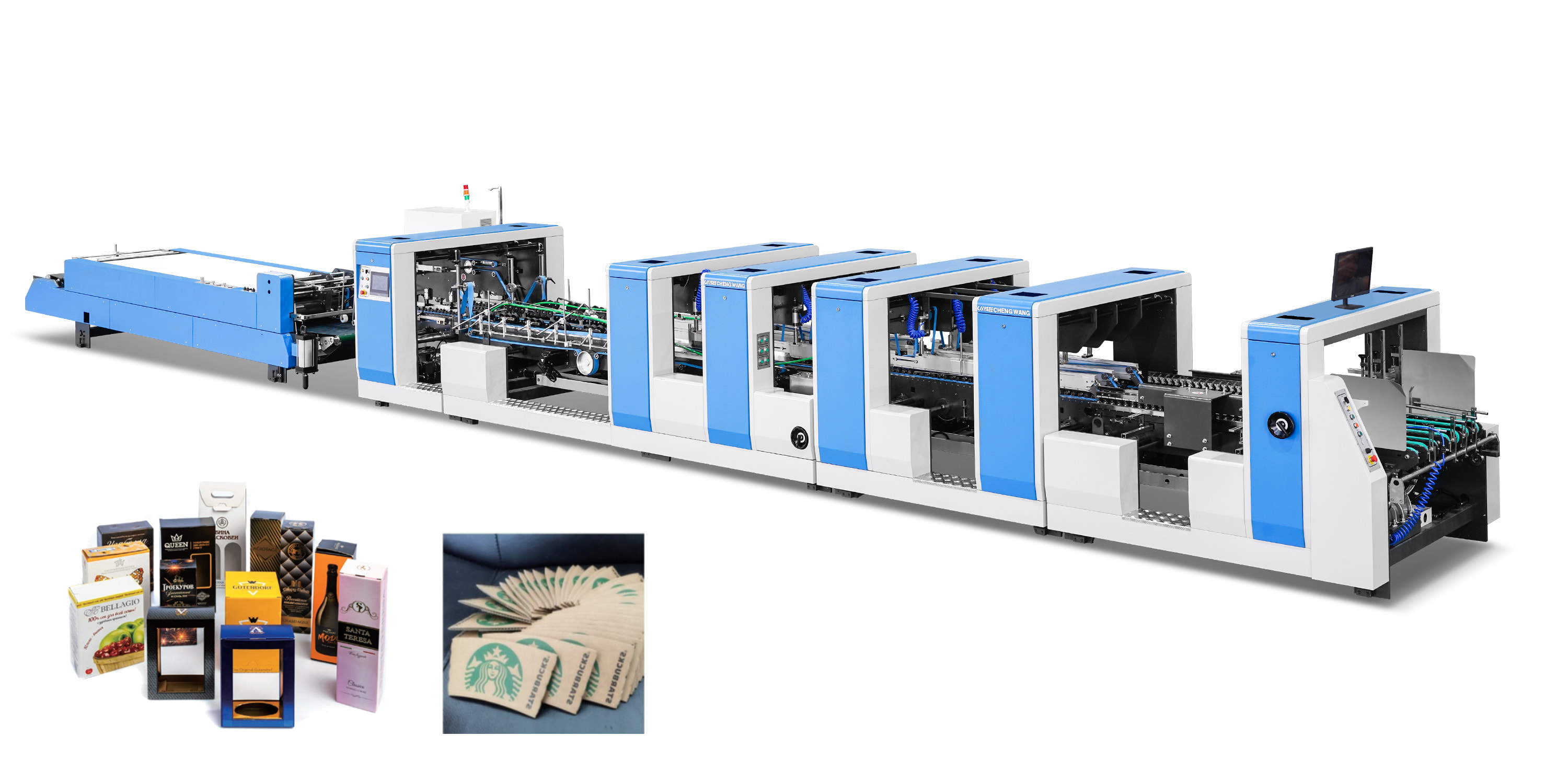
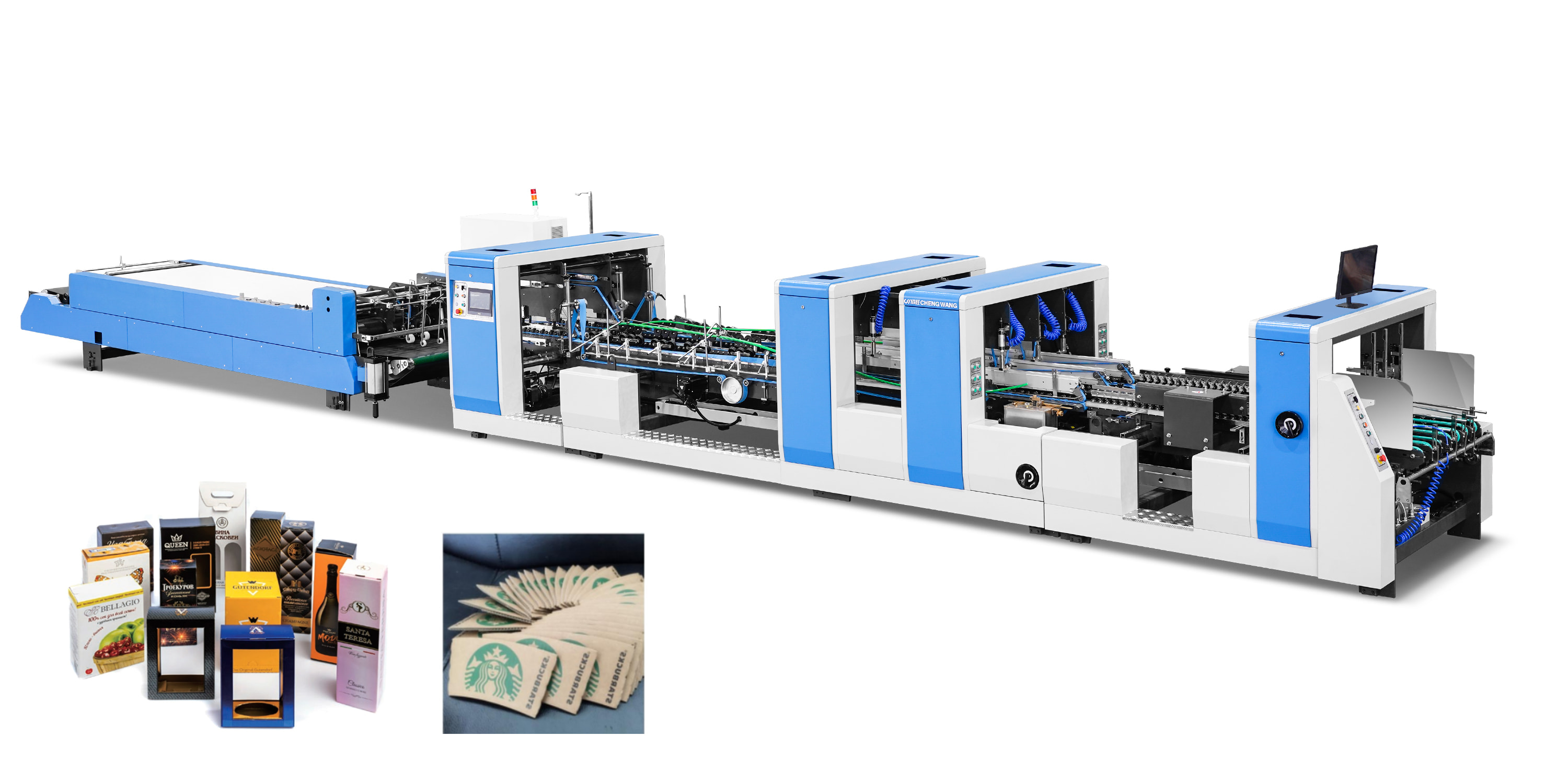
- Large industrial machines: The backbone of e-commerce and mass production. These systems integrate with full packaging lines, handling 2,000–10,000+ boxes per hour. Many, like Cenwan Machine’s Fully Automatic Dual-Channel Integrated Die-Cutting and Gluing Production Line, combine die-cutting (shaping the cardboard blank) and gluing in one seamless process.
Core Functions of a Box Gluing Machine
Every Box Gluing Machine relies on three essential steps to produce a box:
- Feeding: Cardboard blanks are loaded into a hopper or conveyor system, which feeds them into the machine one at a time. Sensors ensure blanks are aligned correctly—even a 1mm misalignment can ruin the final box.
- Folding: The machine uses mechanical arms, rollers, or belts to fold the cardboard along pre-scored lines (created during die-cutting). For example, a Regular Slotted Container (RSC)—the most common shipping box—requires folding four flaps to form the box’s sides and bottom.
- Gluing & Bonding: Adhesive (usually hot melt glue or water-based glue) is applied to the overlapping flaps. The machine then presses the flaps together to create a bond, and some models include a drying or cooling zone to set the glue quickly.
The precision of these steps is non-negotiable. A poorly folded box may collapse during shipping, while too much glue can seep through the cardboard and damage the product inside. Box Gluing Machines eliminate these risks by standardizing every step—turning a simple sheet of cardboard into a reliable package.
Materials and Box Types: What Box Gluing Machines Can Handle
Box Gluing Machines are versatile, designed to work with a range of materials and box styles. This flexibility is key to meeting the diverse needs of industries from food packaging to electronics.
Common Materials Processed
The type of cardboard used depends on the product being shipped, and Box Gluing Machines are engineered to adapt:
- Corrugated cardboard: The most widely used material for shipping boxes. It consists of a fluted (wavy) inner layer sandwiched between two flat outer layers, providing strength and cushioning. Corrugated cardboard comes in different flute sizes (B-flute for small boxes, C-flute for medium boxes, E-flute for lightweight retail packaging), and machines like Cenwan’s High-speed Four-fold Lock Bottom Folder Gluer are calibrated to handle these variations without damaging the flutes.
- Paperboard: A thinner, smoother material used for retail packaging (e.g., cereal boxes, cosmetic containers). Paperboard requires gentle handling to avoid creasing, so Box Gluing Machines for this material use softer rollers and precise pressure controls.
- Die-cut cardboard: Custom-shaped blanks used for specialty boxes (e.g., gift boxes, electronics packaging with foam inserts). Die-cut blanks often have unique folds or cutouts, so machines like Cenwan’s Automatic 4-6 Corner Folder Gluer (Servo System) use servo motors for ultra-precise folding.
Popular Box Styles Assembled by Box Gluing Machines
Box Gluing Machines can produce nearly any box style, but some are more common than others:
- Regular Slotted Containers (RSC): The “standard” shipping box, with flaps that fold over to close the top and bottom. RSCs are easy to assemble and stack, making them ideal for e-commerce.
- Lock Bottom Boxes: These boxes have a self-locking bottom, eliminating the need for tape or additional glue. Cenwan’s Full Servo Lock Bottom Folder Gluer Machine specializes in this style, ensuring the bottom locks securely every time—critical for heavy products like books or kitchen appliances.
- Folding Cartons: Small, lightweight boxes used for food (e.g., snack bars), pharmaceuticals, or beauty products. They’re often printed with branding, so Box Gluing Machines for folding cartons include features to avoid smudging ink during folding.
- Stereo Boxes: 3D boxes with unique shapes (e.g., hexagonal gift boxes or display stands). Cenwan’s Full Automatic Stereo Box Folder Gluer is designed for these complex styles, using multiple folding stations to create precise, symmetrical shapes.
The relationship between material and machine is critical. For example, corrugated cardboard needs a stronger adhesive to bond through its layers, while paperboard requires a lighter application to prevent warping. Box Gluing Machines adjust to these needs—another reason why the final box’s quality depends so heavily on the technology behind it.
Why Automation Matters: The Advantages of Box Gluing Machines Over Manual Labor
Before Box Gluing Machines became widespread, box assembly was a labor-intensive process. Workers folded cardboard by hand, applied glue with brushes, and stacked boxes one by one. This method was slow, inconsistent, and prone to error—especially as demand for packaging grew. Today, automation has transformed box production, offering five key advantages:
1. Consistency: Every Box Is Identical
Manual folding leads to variation: one worker might fold a flap at a 90° angle, while another folds it at 85°. Over time, these small differences add up—resulting in boxes that don’t stack, close poorly, or collapse during shipping. Box Gluing Machines eliminate this variation by using sensors and mechanical guides to ensure every fold is precise. For example, Cenwan’s Full Automatic Intelligent Folder Gluer uses computer vision to check fold angles in real time, making adjustments if a blank is misaligned.
2. Speed: Meeting E-Commerce Demand
E-commerce companies need to ship thousands of orders daily—and manual assembly can’t keep up. A single worker might assemble 50 boxes per hour, while a mid-range Box Gluing Machine can produce 2,000 boxes per hour. Large industrial machines, like Cenwan’s dual-channel production line, can handle even more—up to 10,000 boxes per hour. This speed ensures that orders are processed quickly, reducing shipping delays and improving customer satisfaction.
3. Waste Reduction: Saving Materials and Money
Manual assembly wastes both cardboard and glue. Workers might cut blanks incorrectly, apply too much glue, or fold cardboard in the wrong place—all of which lead to scrapped boxes. Box Gluing Machines minimize waste by:
- Applying glue only where needed (no more overflow or excess).
- Folding precisely along pre-scored lines (no more torn cardboard).
- Rejecting defective blanks before they’re processed (thanks to sensors).
For businesses, this waste reduction translates to lower costs. A study by the Packaging Machinery Manufacturers Institute (PMMI) found that automation can reduce packaging waste by up to 30%—a significant savings for companies that use thousands of boxes monthly.
4. Workplace Safety: Protecting Workers
Manual box assembly is physically demanding. Workers spend hours bending, folding, and lifting—leading to repetitive strain injuries (RSIs) like carpal tunnel syndrome. They also risk exposure to adhesives, which can cause skin irritation or respiratory issues. Box Gluing Machines automate these tasks, reducing the need for manual labor. Most machines include safety features like emergency stops, protective covers, and automated error detection—making the workplace safer for operators.
5. Flexibility: Adapting to Changing Needs
Consumer preferences and product designs change rapidly—and packaging needs to keep up. Box Gluing Machines are designed for flexibility: they can be adjusted to produce different box sizes, styles, and materials in minutes. For example, a small business selling seasonal products (like holiday gifts) can switch from small gift boxes to large shipping boxes using the same machine—no need to invest in new equipment. Cenwan’s Multifunctional Heavy-duty Two-fold Folder Gluer is a prime example: it handles both two-fold boxes (simple shipping boxes) and heavy-duty corrugated boxes, making it ideal for businesses with diverse needs.
Real-World Applications: Where Box Gluing Machines Shine
Box Gluing Machines are used across industries, often behind the scenes. Here are some of the most common applications—showcasing how these machines impact our daily lives:
1. E-Commerce and Retail
Every online order you receive—whether it’s a new shirt, a laptop, or a batch of vitamins—was packed in a box made by a Box Gluing Machine. E-commerce companies rely on these machines to produce consistent, stackable boxes that fit a range of product sizes. For example, Amazon’s fulfillment centers use industrial Box Gluing Machines to produce custom-sized boxes on demand, reducing packaging waste and ensuring products fit snugly.
2. Food and Grocery Packaging
Food packaging requires strict standards: boxes must be sanitary, durable, and able to protect perishable items. Box Gluing Machines for food packaging use food-safe adhesives and easy-to-clean components to meet these standards. For example, cereal boxes, frozen food cartons, and bakery boxes are all assembled by machines like Cenwan’s Full Automatic Four-fold Folder Gluer Machine—which ensures the boxes are sealed tightly to keep food fresh.
3. Warehouse Logistics
Warehouses and distribution centers process thousands of packages daily, and they need boxes that can withstand being stacked, loaded onto trucks, and unloaded multiple times. Box Gluing Machines produce boxes with strong, uniform bonds—critical for preventing damage during transit. For example, a warehouse shipping furniture might use corrugated boxes made by a High-speed Four-fold Lock Bottom Folder Gluer, which have a reinforced bottom to support heavy weights.
4. Small Businesses and Workshops
Box Gluing Machines aren’t just for large corporations. Small businesses—like local bakeries, craft shops, or online sellers—use compact machines to produce custom packaging. For example, a bakery might use a Full Automatic Two-fold Folder Gluer to make small boxes for cookies or cakes, while a craft seller could use a 4/6 Corner Automatic Folder Gluer to make gift boxes for handmade jewelry. These machines let small businesses compete with larger brands by offering high-quality, professional packaging.
Key Considerations When Evaluating a Box Gluing Machine
If you’re a business owner, packaging professional, or simply curious about how to choose a Box Gluing Machine, there are several critical factors to consider. These factors determine whether a machine will meet your needs—and produce high-quality boxes consistently:
1. Material Compatibility
Not all machines handle all materials. Before buying, check if the machine can process the cardboard you use:
- Can it handle corrugated cardboard (and which flute sizes)?
- Is it designed for paperboard or die-cut blanks?
- Does it work with thick or thin materials?
For example, Cenwan’s Multifunctional Heavy-duty Two-fold Folder Gluer is built for heavy-duty corrugated cardboard, while their Full Automatic Stereo Box Folder Gluer is better suited for lighter paperboard or die-cut blanks.
2. Folding Precision
Fold precision is make-or-break for box quality. Look for machines with:
- Servo motors (for ultra-precise control over fold angles).
- Sensors or computer vision to detect misalignments.
- Adjustable guides to accommodate different box sizes.
A machine with poor folding precision will produce boxes that don’t close properly or collapse under weight—costing you time and money.
3. Glue Application Control
Too much glue wastes material and can damage products; too little glue leads to weak bonds. Look for machines with:
- Adjustable glue application (to control how much glue is used).
- Multiple glue heads (for applying glue to different parts of the box).
- Hot melt or water-based glue compatibility (depending on your needs).
Cenwan’s Full Automatic Intelligent Folder Gluer includes a variable glue control system, letting users adjust glue volume based on the material and box style.
4. Durability and Maintenance
Box Gluing Machines run for hours daily, so they need to be durable. Look for machines with:
- Heavy-duty steel frames (to withstand constant use).
- Wear-resistant components (like rollers and belts).
- Easy access to parts for maintenance (to reduce downtime).
Also, check if the manufacturer offers maintenance support—Cenwan Machine, for example, provides training and replacement parts for their equipment, ensuring machines stay operational.
5. Safety Features
Operator safety is a top priority. Look for machines with:
- Emergency stop buttons (to halt operation if there’s a problem).
- Protective covers (to prevent fingers or clothing from getting caught in moving parts).
- Automated error detection (to shut down the machine if a blank is misaligned or jammed).
6. Adaptability
Can the machine handle different box sizes and styles? Look for:
- Quick-changeover features (to switch between box styles in minutes).
- Adjustable folding stations (to accommodate different fold patterns).
- Compatibility with add-ons (like die-cutters or stackers) for expanded functionality.
For example, Cenwan’s Automatic 4-6 Corner Folder Gluer (Servo System) can be adjusted to produce 4-corner or 6-corner boxes—ideal for businesses that need multiple box styles.
Operator Skills and Workflow: The Human-Machine Partnership
While Box Gluing Machines are highly automated, they still require human oversight. Operators play a critical role in ensuring the machine runs smoothly and produces high-quality boxes. Here’s what operators do:
1. Material Loading and Alignment
Operators load cardboard blanks into the machine’s hopper, ensuring they’re aligned correctly. Even the best machine can’t fix a misaligned blank—so this step requires attention to detail. Some machines, like Cenwan’s Full Automatic Dual-Channel Integrated Die-Cutting and Gluing Production Line, include automatic feeding systems, but operators still need to monitor the hopper to avoid jams.
2. Machine Setup and Adjustment
Before starting production, operators adjust the machine for the specific box style and material. This includes:
- Setting fold angles (using the machine’s controls or guides).
- Adjusting glue volume (based on the material thickness).
- Calibrating sensors (to detect blanks and misalignments).
For example, if switching from a small RSC box to a large lock-bottom box, an operator would adjust the folding stations and glue heads to match the new box’s dimensions.
3. Monitoring and Quality Control
Operators monitor the machine during production, checking for:
- Defective boxes (e.g., misfolded flaps, too little glue).
- Jams (if a blank gets stuck in the machine).
- Glue levels (to avoid running out mid-production).
Many machines include quality control features—like cameras that check fold angles—but operators still need to inspect boxes manually to ensure consistency.
4. Maintenance and Cleaning
Regular maintenance keeps Box Gluing Machines running smoothly. Operators are responsible for:
- Cleaning glue heads (to prevent clogs).
- Lubricating moving parts (like rollers and belts).
- Inspecting components for wear (and replacing them if needed).
Proper maintenance extends the machine’s lifespan and reduces downtime—critical for businesses that rely on consistent box production.
Structured Manufacturing: The Key to Reliable Box Gluing Machines
The quality of a Box Gluing Machine depends on how it’s made. Structured manufacturers—like Cenwan Machine—focus on precision, durability, and practicality, rather than marketing gimmicks. Here’s what sets structured manufacturing apart:
1. Precision Engineering
Structured manufacturers use advanced engineering techniques to ensure every component works together seamlessly. For example, Cenwan’s Full Servo Lock Bottom Folder Gluer Machine uses servo motors (instead of manual controls) for precise fold alignment. Servo motors are controlled by computers, so they can adjust fold angles in real time—ensuring every box is identical.
2. Adjustable Mechanisms
Box styles and materials vary, so machines need to be adjustable. Structured manufacturers design machines with flexible components:
- Adjustable folding stations (to handle different box sizes).
- Removable glue heads (to switch between hot melt and water-based glue).
- Modular designs (so businesses can add features like die-cutters or stackers later).
This flexibility means a single machine can meet a business’s changing needs—no need to buy a new machine every time you introduce a new box style.
3. Robust Components
Box Gluing Machines run for hours daily, so they need strong, durable components. Structured manufacturers use high-quality materials like:
- Heavy-duty steel (for the machine’s frame).
- Wear-resistant rubber (for rollers and belts).
- Corrosion-resistant metals (for parts that come into contact with glue).
These components withstand constant use, reducing the need for repairs and extending the machine’s lifespan.
4. Neutral, Data-Driven Design
Structured manufacturers don’t rely on marketing hype—they design machines based on industry needs and data. For example, Cenwan Machine’s product line includes multiple Box Gluing Machines because they’ve identified specific needs:
- Small businesses need compact, affordable machines (like the Full Automatic Two-fold Folder Gluer).
- Large e-commerce companies need high-speed, integrated lines (like the dual-channel die-cutting and gluing system).
This data-driven approach ensures every machine solves a real problem—rather than being a “one-size-fits-all” solution.
Practical Insights for Everyday Readers: How to Appreciate Packaging Through Box Gluing Machines
You don’t need to be a packaging professional to appreciate the role of Box Gluing Machines. Here are simple ways to see these machines’ impact in your daily life:
1. Inspect Your Next Package
The next time you receive an online order, take a moment to examine the box:
- Are the folds straight and even? (A sign of precise machine folding.)
- Is the glue applied neatly, without overflow? (A sign of controlled glue application.)
- Does the box close securely? (A sign of a strong bond from the machine.)
A well-made box is a testament to the Box Gluing Machine that produced it.
2. Notice the Details
Small details reveal a lot about the machine’s work:
- Lock-bottom boxes: If the bottom locks securely without tape, it was likely made by a Full Servo Lock Bottom Folder Gluer.
- Stereo boxes (e.g., hexagonal gift boxes): These complex shapes require a machine like Cenwan’s Full Automatic Stereo Box Folder Gluer, which can handle multiple folds.
- High-speed production: If you receive a box with a printed design that’s perfectly aligned with the folds, it was made by a machine that integrates printing and gluing—ensuring no smudges or misalignments.
3. Understand the “Why” Behind Packaging Choices
When you see a box that’s the perfect size for its contents, or a corrugated box that protects a fragile item, remember: these choices are made possible by Box Gluing Machines. For example, a laptop box uses thick corrugated cardboard and a lock-bottom design—both of which require a machine that can handle heavy materials and precise folding. Without these machines, packaging would be less reliable, more expensive, and less sustainable.
Future Trends in Box Production: What’s Next for Box Gluing Machines
The packaging industry is evolving—and Box Gluing Machines are evolving with it. Here are four key trends shaping the future of these machines:
1. Smarter Automation
Advancements in AI and sensor technology are making Box Gluing Machines even more precise. Future machines will use:
- AI-powered computer vision (to detect defects in real time and adjust the machine automatically).
- Machine learning (to optimize speed and glue usage based on past performance).
- IoT connectivity (so operators can monitor the machine remotely and receive alerts for maintenance).
These features will reduce human error and make production even more efficient.
2. Sustainability
Sustainability is a top priority for the packaging industry, and Box Gluing Machines are adapting:
- Water-based adhesives (replacing solvent-based glues that are harmful to the environment).
- Energy-efficient motors (reducing the machine’s carbon footprint).
- Compatibility with recycled materials (many machines now handle recycled corrugated cardboard, which is thinner and more delicate than new cardboard).
Cenwan Machine, for example, is developing machines that use 20% less energy than traditional models—helping businesses reduce their environmental impact.
3. Smaller, More Flexible Machines
Small businesses and startups need packaging solutions too—and manufacturers are responding with compact, affordable Box Gluing Machines. These machines offer industrial-level precision but are designed for small workshops or home offices. For example, a future Compact Full Automatic Folder Gluer might be the size of a desk but still produce 500 boxes per hour—perfect for a small online seller.
4. Integration with Other Systems
Future Box Gluing Machines will integrate more seamlessly with other packaging equipment, like:
- Die-cutters (to shape the cardboard blank and glue it in one step).
- Labeling machines (to apply shipping labels immediately after the box is assembled).
- Stackers (to automatically stack finished boxes for shipping).
This integration will create “end-to-end” packaging lines that reduce manual labor and speed up production—critical for meeting the growing demand for e-commerce.
Conclusion: The Unsung Heroes of Packaging
Box Gluing Machines are the unsung heroes of the packaging industry. They transform flat sheets of cardboard into the boxes that protect our products, enable e-commerce, and support businesses of all sizes. By understanding how these machines work—their precision, their flexibility, and their role in automation—we gain a new appreciation for the packaging we use every day.
Companies like Cenwan Machine are leading the way, designing machines that balance efficiency, durability, and sustainability. Their product line—from compact two-fold folder gluers to high-speed dual-channel production lines—reflects the diverse needs of the industry. Whether you’re a business owner looking for a machine, a packaging professional, or simply a curious consumer, taking the time to learn about Box Gluing Machines will change how you see the boxes in your life.
The next time you open a package, remember: behind that simple box is a complex machine, a skilled operator, and a commitment to quality. It’s not just a container—it’s a product of engineering, innovation, and care.
For more information on Box Gluing Machines and to explore Cenwan Machine’s product line, visit their website cenwan
Recommended Products
Focus on providing high-quality folder-gluing equipment to customers around the world.



No.3888, Jiangnan Avenue, Nanbin Street, Ruian City, Wenzhou City, Zhejiang Province, China







Privacy Policy Copyright © Zhejiang Chengwang Intelligent Packaging Equipment Co., Ltd.
High Speed Folder Gluer Factory