English
 русский
 Français
 Español
 Deutsch
Hot Melt vs. Cold Glue: Which Adhesive Is Best for Corrugated Folder Gluers
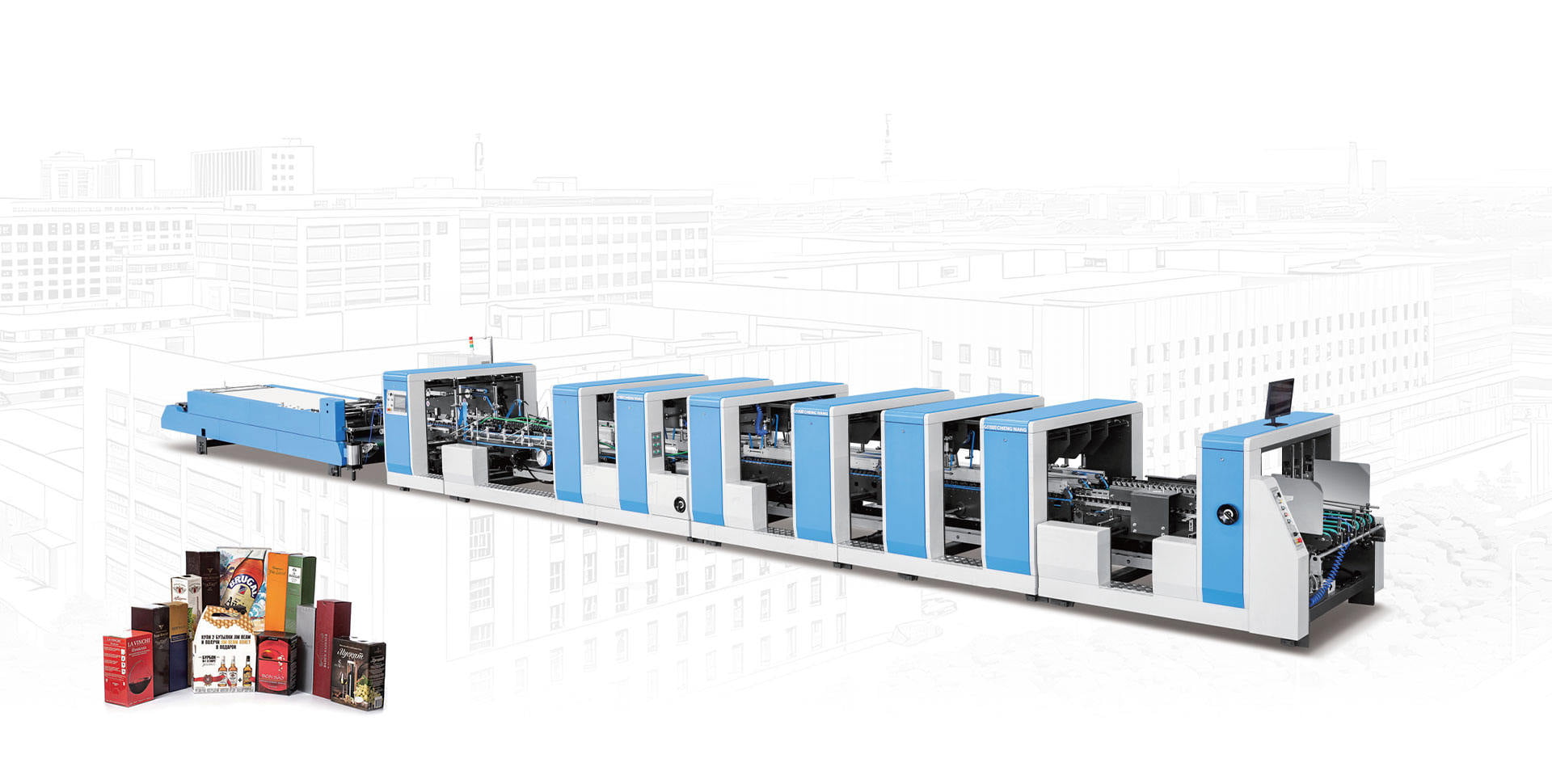
Choosing the right adhesive plays a major role in box strength, production speed, and overall efficiency. In corrugated packaging, glue performance directly affects whether cartons stay closed, survive shipping, and meet customer expectations. When running a automatic box gluing machine, manufacturers often face a key decision between hot melt and cold glue.
Both adhesive types are widely used, but they behave very differently. This guide explains how each option works, how they compare in real production environments, and which adhesive fits different corrugated packaging needs best.
Understanding Corrugated Adhesives
Corrugated packaging relies on controlled bonding between paper fibers. The goal is not just to stick two surfaces together but to create strong fiber tear adhesion that holds under load.
Modern packaging glue technology focuses on speed, consistency, and clean application. Adhesives must perform reliably across different board grades, temperatures, and production speeds.
What Is Hot Melt Glue
Hot melt glue is a thermoplastic adhesive that becomes liquid when heated and solidifies as it cools. It bonds quickly and is widely used in high speed carton production.
Key characteristics of hot melt glue
- Very fast bonding
- Short glue curing time
- Strong initial tack
- Heat activated application
Hot melt works especially well in fast moving lines where cartons need to be folded and stacked immediately after gluing.
What Is Cold Glue
Cold glue is usually water based and bonds by penetrating paper fibers and drying naturally. It creates strong fiber tear adhesion over time.
Key characteristics of cold glue
- Slower curing process
- Longer open time
- Excellent fiber penetration
- Lower application temperature
Cold glue is commonly used where bonding strength and sustainability matter more than speed.
Glue Chemistry and Bonding Performance
Understanding glue chemistry helps explain why these adhesives behave differently.
Hot melt adhesives rely on cooling rather than drying. Once applied, the glue cools rapidly and locks surfaces together. This makes them ideal for high speed production but less forgiving if alignment is off.
Cold glue relies on moisture absorption into the corrugated board. As the water evaporates, fibers bond together. This creates excellent fiber tear adhesion but requires more time before full strength is achieved.
Comparison: Hot Melt vs Cold Glue
Here is a clear comparison of both adhesives used in corrugated folder gluers.
Table. Hot Melt vs Cold Glue Comparison
| Feature | Hot Melt Glue | Cold Glue |
| Adhesive strength | High initial bond | High final fiber tear adhesion |
| Glue curing time | Seconds | Minutes to hours |
| Open time | Very short | Longer |
| Speed compatibility | Ideal for high speed | Moderate speed |
| Cost per unit | Higher | Lower |
| Eco friendliness | Lower | Higher |
| Temperature needs | Heated system | Ambient application |
| Stringing risk | Possible | Minimal |
This corrugated board gluing comparison shows how production needs drive adhesive choice.
Hot Melt Glue in High Speed Folder Gluers
Hot melt glue is preferred in high speed operations. It performs well in an automatic carton folder gluer machine where speed and instant bonding are critical.
Why hot melt works well
- Supports high output rates
- Bonds instantly for fast stacking
- Keeps cartons stable immediately
However, hot melt can suffer from stringing. Fine glue threads may form during application, leading to mess or inconsistent bonding if not controlled properly.
Temperature management is also important. Glue viscosity changes with heat, so precise temperature control is required for stable results.
Cold Glue for Heavy Duty and Eco Packaging
Cold glue is ideal for heavy duty cartons and sustainability focused packaging.
Why cold glue is preferred
- Excellent fiber tear adhesion
- Better penetration into corrugated board
- Lower energy usage
- Safer working conditions
Cold glue is often chosen for applications where cartons carry weight or where environmental goals are a priority. It is also more forgiving in alignment because of its longer open time.
Adhesive Strength and Fiber Tear Performance
One of the most important performance indicators is fiber tear adhesion. This means the paper fibers tear before the glue joint fails.
Cold glue generally provides superior fiber tear adhesion because it soaks into the paper. Hot melt provides strong surface bonding but may not penetrate fibers as deeply.
When choosing the best glue for corrugated folder gluer machines, manufacturers should test fiber tear results under real load conditions.
Speed and Production Workflow Considerations
Glue choice affects the entire production workflow.
Hot melt supports very fast folding and stacking. This makes it ideal for short cycle times and automated lines.
Cold glue requires pressing time and controlled stacking to allow curing. This slightly slows throughput but improves long term bond strength.
When using a corrugated folder gluer, glue selection must match machine speed, board type, and output targets.
Common Issues to Watch For
Each adhesive type has challenges.
Hot melt challenges
- Stringing
- Higher energy use
- Temperature sensitivity
Cold glue challenges
- Longer curing time
- Moisture sensitivity
- Slower production speeds
Understanding these issues helps operators reduce waste and improve consistency.
Which Adhesive Should You Choose
There is no single correct answer. The choice depends on production goals.
Choose hot melt when
- Running high speed lines
- Producing light to medium cartons
- Needing instant bond strength
Choose cold glue when
- Producing heavy duty boxes
- Prioritizing sustainability
- Seeking strong fiber tear adhesion
This hot melt vs cold glue corrugated boxes decision should always be tested with actual board material and production speeds.
Conclusion
Both adhesive types play an important role in modern corrugated packaging. Hot melt offers speed and immediate bonding, while cold glue delivers strength and sustainability. When running a automatic carton board folder gluer machine, matching adhesive type to production demands leads to better efficiency and lower waste. We support manufacturers by designing machines that handle both adhesive systems reliably. Choosing the right adhesive improves bond quality, reduces downtime, and keeps output consistent. Cenwan solutions help operators balance speed, strength, and cost with confidence.
To explore advanced gluing solutions and improve corrugated packaging performance, visit Cenwan and find the right setup for your production line.
Frequently Asked Questions
1. What is the main difference between hot melt and cold glue
Hot melt glue bonds by cooling quickly after application, while cold glue bonds by drying and absorbing into the board. This difference affects speed, handling, and bonding performance in corrugated folder gluer operations.
2. Which adhesive is better for high speed production
Hot melt is usually preferred for high speed lines because it sets almost instantly. It works well with an automatic box gluing machine where fast carton flow is required.
3. Is cold glue strong enough for corrugated boxes
Yes. Cold glue can deliver excellent strength, especially when fiber tear adhesion is required. It is commonly used on heavier cartons in an automatic carton folder gluer machine setup.
4. What does fiber tear adhesion mean
Fiber tear adhesion means the paper fibers break before the glue joint fails. This indicates strong bonding performance, which is often achieved with cold glue on corrugated boards.
5. How does glue curing time affect production
Glue curing time determines how fast cartons can be stacked or shipped. Hot melt cures almost immediately, while cold glue needs more time. This impacts speed on an automatic carton board folder gluer machine.
6. Which adhesive works better for eco friendly packaging
Cold glue is often considered more eco friendly because it is water based and has lower energy requirements. It is commonly chosen by plants focused on sustainability and reduced emissions.
7. What are common issues with hot melt glue
Hot melt can cause stringing, nozzle buildup, and temperature sensitivity. Proper control of viscosity levels and temperature helps reduce these issues.
8. Does cold glue work well at high speeds
Cold glue can work at high speeds, but it requires longer compression time. For very fast lines, hot melt is usually more compatible with adhesive for high speed folder gluers.
9. How do temperature conditions affect glue performance
Hot melt requires stable heating, while cold glue performance can change with humidity and temperature. Understanding temperature considerations is important for consistent bonding.
10. How do I choose the best glue for my folder gluer
The best choice depends on speed, carton weight, sustainability goals, and cost. An experienced oem box folder gluer machine supplier can help match the right adhesive to your production needs.
Recommended Products
Focus on providing high-quality folder-gluing equipment to customers around the world.



No.3888, Jiangnan Avenue, Nanbin Street, Ruian City, Wenzhou City, Zhejiang Province, China







Privacy Policy Copyright © Zhejiang Chengwang Intelligent Packaging Equipment Co., Ltd.
High Speed Folder Gluer Factory