English
 русский
 Français
 Español
 Deutsch
Production Speed Optimization in Carton Processing Lines
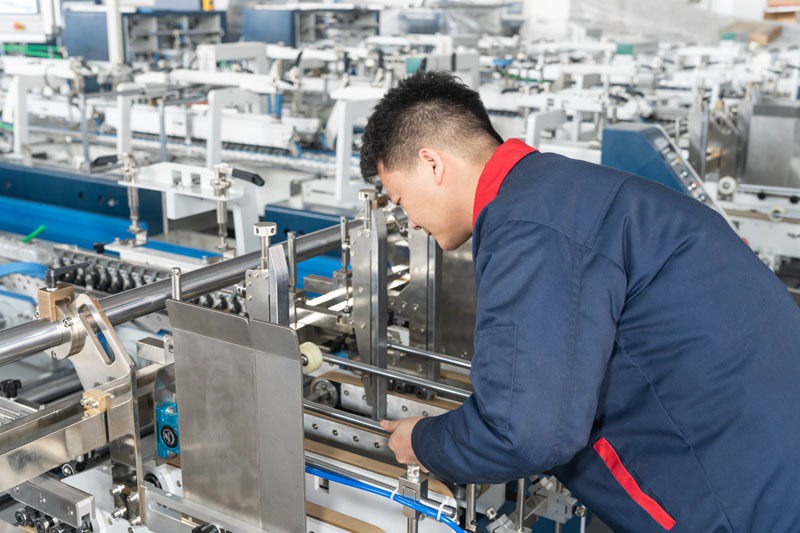
A packaging factory has a busy season. Orders come in fast. But the production line cannot keep up. The Carton Folding Gluing Machine runs at its top speed. It is still not enough. Deadlines are missed. Customers might leave. The factory faces fines.
How can a factory make more boxes faster? The easy answer is to buy a faster, more expensive machine. But there is another way. Often, the current line has hidden capacity. The key is to look at the whole system, not just one machine. True speed improvement comes from four areas working better together. These areas are the machine itself, the flow of materials, the people, and the production plan. This is a project based on looking at real data and making smart changes.

Part One: Machine Performance – Let Your Equipment Work Its Best
A machine must run as it was designed to run. Poor maintenance or wrong settings can hide its true speed.
First, do regular maintenance. Check key parts. Look at bearings, gears, and belts. Make sure they are clean and lubricated. Worn parts cause vibration. Vibration forces you to run the machine slower to avoid problems. Check motors and drives. They must deliver steady power. Check vacuum pumps and air lines. Clean the filters. Fix any leaks. These systems help pick and move paperboard quickly. If they are weak, the whole machine slows down.
Next, look at the machine settings. The glue system is very important. For different cardboard weights, you need different glue amounts and temperatures. Find the perfect setting. Use enough glue for a strong bond, but not so much that you must wait long for it to dry. This waiting time is part of the cycle. Reducing it speeds things up.
Check the folding sections. Adjust the guides, rails, and folding arms. Make sure every box folds correctly the first time. If a box is crooked, the machine might stop to fix it. Or a worker might have to fix it later. This kills your speed.
Also, look at how the machine moves. Machines do not just run at one speed. They speed up, run steady, and slow down. Work with a technician. See if you can make these movements smoother and faster without shaking the machine. Sometimes you can save seconds on every cycle.
Finally, reduce changeover time. When you switch from making one box size to another, you must stop the machine. This is downtime. Use a method called SMED. Separate tasks you can do while the machine runs (like getting tools ready) from tasks you must do while it is stopped (like changing parts). Do all the preparation first. Then change the parts quickly. This can cut changeover time in half.
Part Two: Material Flow – Keep the Line Fed and Moving
A fast machine is useless if it has to wait for materials. Smooth flow is critical.
Start at the beginning. Look at how cardboard sheets are fed. They must be stacked neatly. They must not stick together. The pile must be at the right height for the feeder. If the suction cups cannot pick up one sheet cleanly, the machine stops. This happens many times a day. Fixing this feed problem is a huge speed gain.
Think about automation. If workers load sheets by hand, they can only go so fast. An automatic lift table or a robotic arm can feed sheets non-stop. This is an investment, but it removes a major human bottleneck.
Now look at the work in process. Boxes move from folding to gluing to pressing. If one section is slightly faster than another, boxes will pile up. Or, a section will wait. Small buffers between stations can help. They let one station work a little longer if the next station has a small problem. This keeps the whole line running.
How do materials move between stations? Is it by hand? A conveyor belt is much faster. Design the line so boxes flow directly to the next step. Reduce walking and carrying.
Finally, look at the end of the line. How are finished boxes handled? Do they stack up? Are they counted and packed quickly? If the exit gets blocked, the whole machine must slow down. Make sure the output process is as smooth as the input.
Part Three: People and Operations – Consistency is Speed
People run the line. Different people work in different ways. This variation can slow things down. Make things standard.
Create clear work instructions. These are called Standard Operating Procedures (SOPs). Make a visual guide for every task: starting the machine, watching it run, adding glue, changing a roll of paper, clearing a simple jam, shutting down. Train everyone to do it the same, best way. This reduces mistakes and hesitation. People work faster when they are confident.
Train your workers to know more than one job. If the person at the gluing station is away, someone else should be able to cover. This is called cross-training. It makes your team flexible. It prevents the line from stopping for small reasons.
Look at the machine’s control screen. Is it easy to understand? Can workers find the settings they need quickly? Are alarm messages clear? A good interface helps people react faster. They spend less time figuring out problems.
Also, manage fatigue. Tired workers are slow workers. Plan breaks well. Make sure your team is well-rested and focused.
Part Four: Production Planning – The Brain of the Operation
Good machines and workers can be wasted by a bad plan. Smart scheduling puts the right work on the line at the right time.
Group similar orders together. If you have many orders for the same size box, run them all at once. This minimizes how often you stop to change the machine settings. Changeovers are a major source of lost time. Fewer changeovers mean more production time.
When you make the schedule, be realistic. Know the true speed of your Carton Folding Gluing Machine. Know how long a changeover takes. Do not plan more work than the line can actually do. This seems obvious, but it is a common mistake.
Use data. Track your Overall Equipment Effectiveness (OEE). This number combines availability, performance, and quality. It shows you where time is being lost. Is the machine often stopped? Is it running slower than it should? Are you making many bad boxes? OEE helps you find the biggest problem to fix first.
Keep records. Write down how fast you ran, why you stopped, and how many boxes were rejected. Look at this data every week. You will see patterns. You will find ways to improve.
Making a carton line faster is a system project. You must look at the machine, the material flow, the people, and the plan. Small problems in many areas add up to big slowdowns. Fixing them one by one adds up to big speed gains.
This kind of optimization needs more than ideas. It needs equipment that is reliable and can be fine-tuned. It needs machines that can provide data about how they are running.
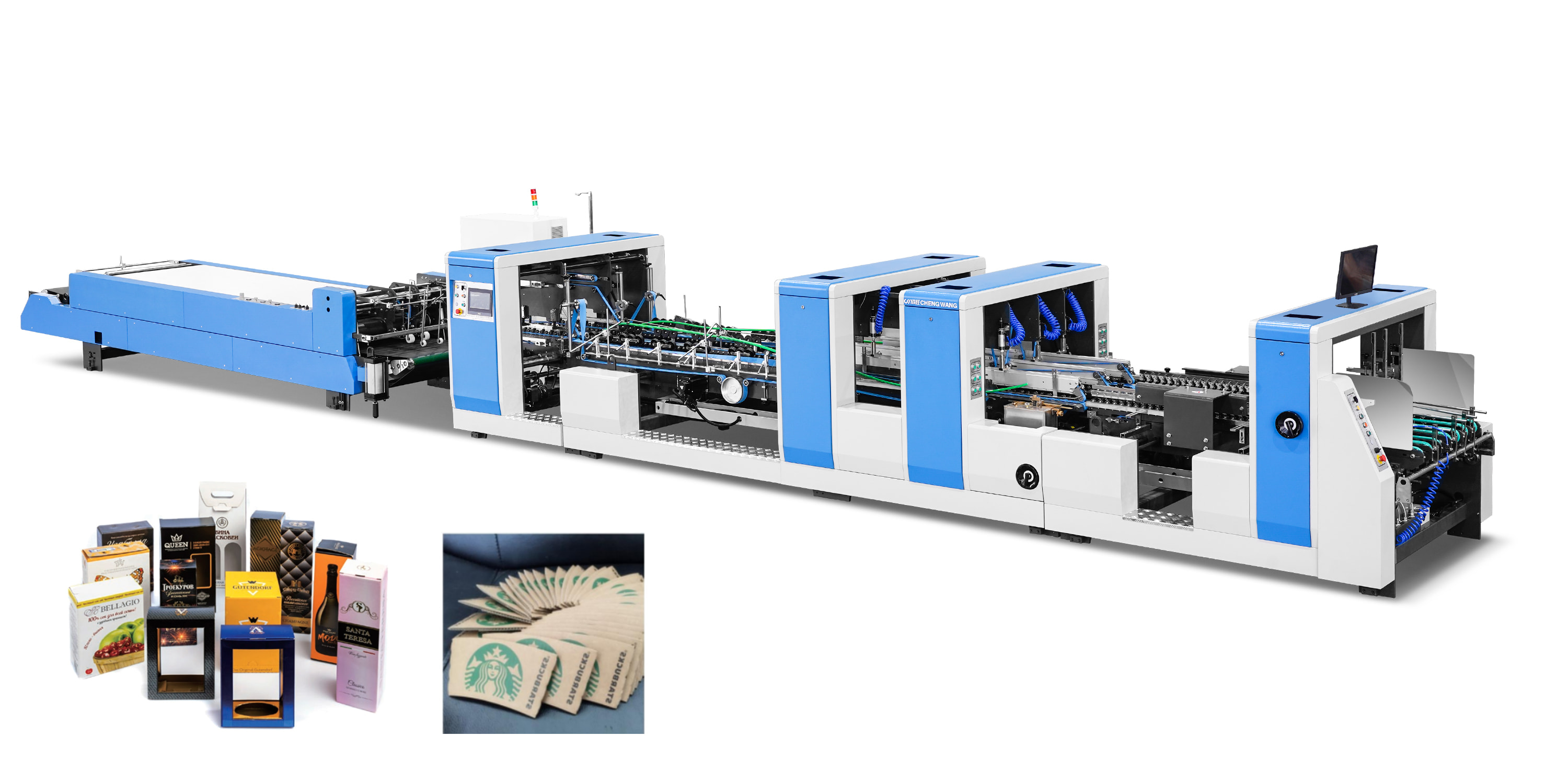
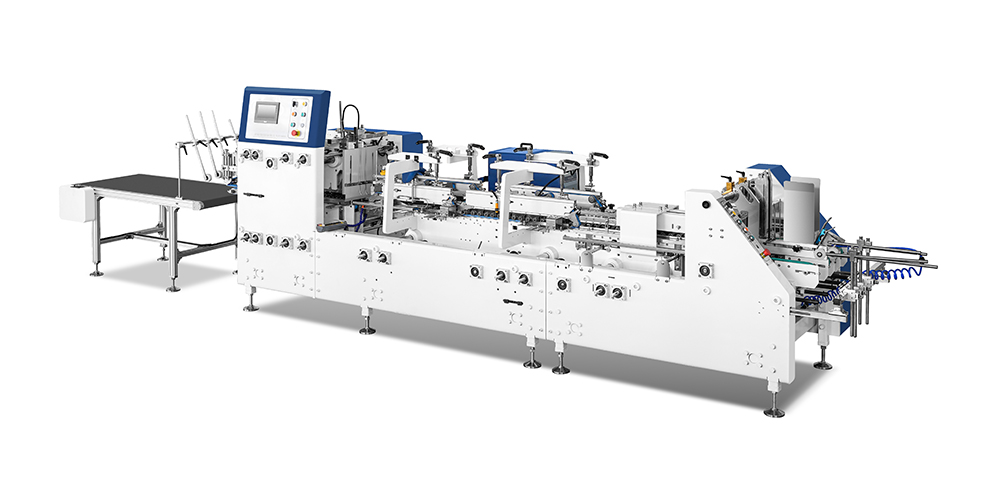
At CENWAN, we design our machines with this in mind. Every Carton Folding Gluing Machine we build is made for stability and precision at high speeds. But we also build in features for optimization. Our machines have clear data outputs. They have modular designs that make changeovers easier. We give our customers detailed performance reports. We do not just sell a machine. We provide the tools and support to help you make your entire line run faster and smarter.
Is your packaging line struggling to meet demand? Do you want to find the hidden speed in your current operation? Contact the CENWAN engineering support team. We can help you analyze your line and build a complete plan to increase your production speed, from machine adjustments to workflow changes.
Recommended Products
Focus on providing high-quality folder-gluing equipment to customers around the world.



No.3888, Jiangnan Avenue, Nanbin Street, Ruian City, Wenzhou City, Zhejiang Province, China







Privacy Policy Copyright © Zhejiang Chengwang Intelligent Packaging Equipment Co., Ltd.
High Speed Folder Gluer Factory