English
 русский
 Français
 Español
 Deutsch
How Does a Carton Folding Gluing Machine Support Modern Packaging Work
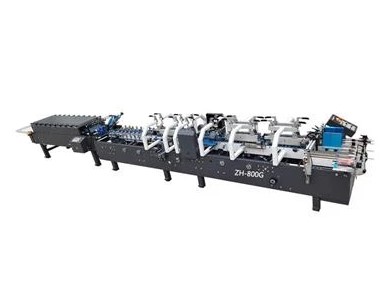
Packaging has changed a lot over the years, but one thing has stayed the same: businesses still need packaging that protects products, looks clean, and fits smoothly into daily operations. In fields like pharmaceuticals, medical supplies, electronics, food, and consumer goods, the package is not just a container. It is part of how the product moves, how it is stored, and how it is seen by the customer.
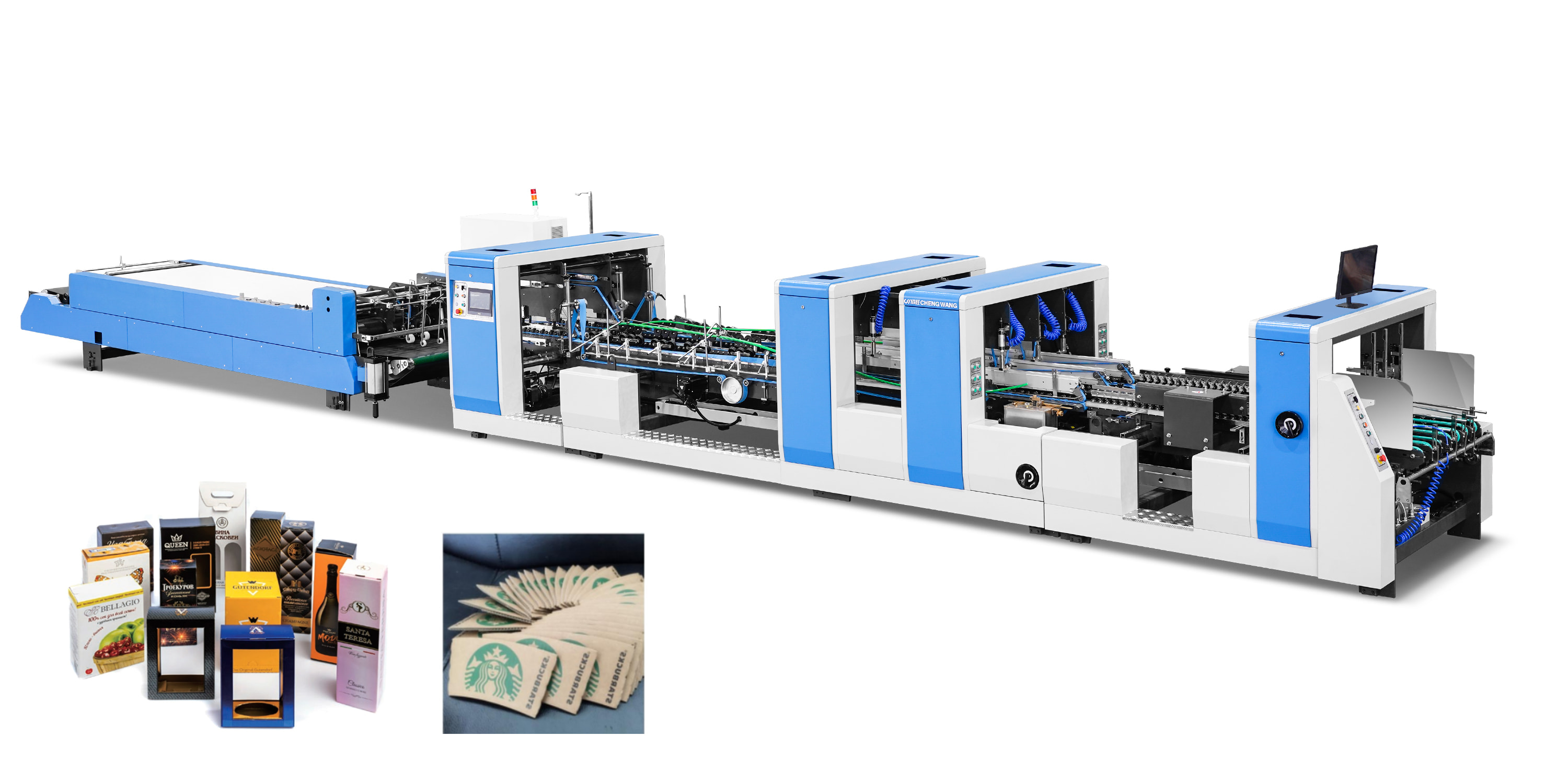
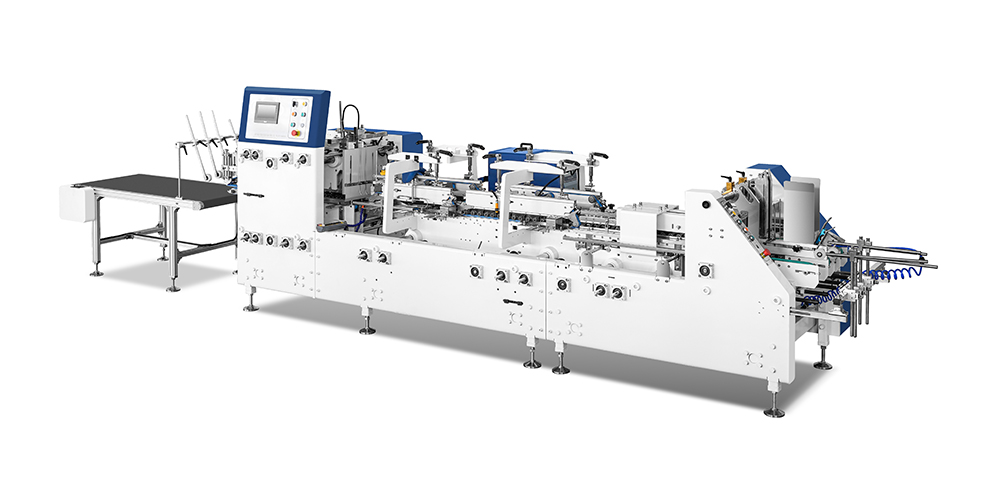
That is one reason cartons, trays, blister formats, and clamshell styles continue to matter. Each one solves a different problem. Some keep items separated. Some make handling easier. Some help products look neat on a shelf. Behind many of these formats, the Carton Folding Gluing Machine plays a practical role by helping packaging lines form cartons with more consistency and less manual effort.
Why Packaging Still Deserves Attention
It is easy to treat packaging as the final step, but in real production settings it often affects much more than appearance.
Packaging can influence:
- product protection during transport and storage
- the way workers organize items on the line
- how easy it is to inspect, sort, and pack goods
- how the product looks when it reaches the shelf or customer
- how smoothly a facility runs from one stage to the next
For that reason, packaging is usually chosen with the full workflow in mind. A package that works well in one industry may be awkward in another. A medical product may need tight control and separation. A retail item may need visibility and fast handling. A food package may need a structure that opens cleanly and closes securely.
Blister Packs: Simple, Clear, and Controlled
Blister packs are still widely used because they solve a basic problem very well: they keep individual items separated while letting people see what is inside.
Common uses
- tablets and capsules
- small health products
- single-use items
- compact consumer goods
What makes them useful
- each item sits in its own space
- the layout makes products easy to identify
- the sealed format helps limit handling
- the clear front supports retail display
Blister packaging is common in settings where order matters. It helps reduce confusion and keeps products aligned in a neat format. That can be useful in dispensing, stocking, or direct sale, especially when the product needs to stay intact and easy to inspect.
Thermoformed Plastic Trays in Practical Use
Thermoformed trays are another format that shows up across a wide range of industries. Their value comes from flexibility. They can be shaped in different ways, which makes them useful for products that do not fit well into a standard box.
Typical applications
- medical supplies
- lab materials
- electronic components
- industrial parts
- in-plant storage and handling
Why companies use them
- they hold items in place
- they help reduce movement during transport
- they can be stacked or stored efficiently
- they can be shaped around the product
For delicate or small items, trays help keep everything organized. Deep pockets can support larger or more fragile parts, while shallower layouts work well for compact items that need to stay grouped. In facilities where speed and order matter, that kind of structure can make daily work easier.
Clamshell Containers: Visibility With a Firm Hold
Clamshell containers are often chosen when a product needs to be visible and protected at the same time. Their hinged design gives them a familiar shape that is easy to open, close, and display.
Where they often appear
- food packaging
- display items
- small accessories
- products that need quick access
Why they remain popular
- the product stays enclosed
- the contents remain easy to see
- the shape supports retail presentation
- the package can be sealed in different ways
Clamshells are practical because they balance access and protection. That makes them useful for products that may pass through several hands before reaching the buyer. They also create a clean, organized presentation that fits well on shelves or in storage.
Where Cartons Still Fit In
Carton packaging continues to be a familiar choice because it is easy to handle, easy to stack, and easy to present. For many products, the outer carton does more than hold the item. It becomes part of the product’s identity.
This is where the Carton Folding Gluing Machine becomes relevant in everyday production. It supports the creation of cartons that need to fold properly, stay aligned, and hold their shape through packing and transport. In many operations, that kind of consistency matters just as much as the look of the final package.
Cartons are often used because they:
- create a clean outer presentation
- support organized storage
- work well in retail settings
- fit into automated production flows
- help protect the inner product during handling
A carton that folds neatly and stays uniform can make a line feel more controlled. It also helps the final package look more finished, which matters in competitive product categories.
How Packaging Affects the Whole Workflow
The impact of packaging goes beyond the package itself. A good format can help a line run more smoothly, while a poor one can create slowdowns or unnecessary handling.
On the production side
- workers can pack items more quickly
- products are easier to sort
- quality checks become simpler
- storage takes less effort
On the shipping side
- items are less likely to shift
- packages stack more cleanly
- transport can be more efficient
- damage risk can be reduced
On the customer side
- the product looks more organized
- the contents are easier to understand
- the package feels more reliable
- the brand presentation appears more polished
That is why packaging decisions are often made with both operations and presentation in mind. The same package needs to work inside the factory and outside it.
A Simple Comparison of Common Packaging Formats
| Packaging Format | Main Use | What It Does Well | Where It Helps Most |
|---|---|---|---|
| Blister packs | Small unit items | Keeps each item separated | Pharmacy, retail, health products |
| Thermoformed trays | Structured item placement | Holds products in fixed positions | Medical, lab, electronics |
| Clamshell containers | Display and protection | Combines visibility with enclosure | Food, retail, accessories |
| Cartons | Outer packaging | Supports clean presentation and stacking | Consumer goods, shipping, retail |
What Businesses Usually Look For
Most companies are not choosing packaging only for appearance. They are usually trying to solve practical problems.
A few common questions come up:
- Does the product need to stay separated?
- Will the package be opened often?
- Does it need to look neat on a shelf?
- Is the product fragile or sensitive to movement?
- Does the packaging need to fit existing equipment?
Different industries often prioritize different things:
- medical and pharmaceutical work usually focuses on cleanliness, order, and protection
- electronics packaging often needs precise placement and reduced movement
- food packaging may need visibility and easy access
- consumer goods may need strong shelf appeal and efficient handling
That is why packaging choices tend to be specific rather than general. What works well for one line may not suit another at all.
Why Automation Keeps Coming Up
Packaging has become more connected to automation because companies want consistency without adding unnecessary manual work. That does not mean people become less important. It usually means the process becomes easier to manage.
The Carton Folding Gluing Machine fits into that shift by helping packaging teams create cartons with repeatable results. When the carton shape stays consistent, the rest of the line can move with fewer interruptions. That matters in busy facilities where speed, alignment, and appearance all need to stay under control.
Automation can help with:
- repetitive folding tasks
- regular carton shaping
- more predictable output
- smoother line coordination
For many operations, the real benefit is not just speed. It is stability. A more stable packaging process can reduce waste, lower confusion, and help teams stay focused on the product itself.
Packaging Trends Are Moving Toward Practical Design
Across industries, the direction is fairly clear. Packaging is becoming more organized, more structured, and more tied to the needs of production.
What that looks like in practice:
- more attention to product separation
- better use of shaped packaging
- stronger focus on shelf presentation
- closer connection between equipment and package design
These shifts show that packaging is not standing still. It keeps adapting to the way goods are made, packed, shipped, and sold. Companies that treat packaging as part of the workflow usually have an easier time keeping things consistent.
Future Direction of Packaging Solutions
Packaging may look simple from the outside, but it affects almost every stage of a product’s journey. Blister packs, thermoformed trays, clamshell containers, and cartons each serve a different purpose, and each one can support a different kind of operation.
For businesses working with folded cartons, the Carton Folding Gluing Machine remains part of a larger move toward cleaner presentation and smoother production. Readers who are comparing packaging options and equipment can also look at cenwanmachine as one reference point in that broader conversation.
Recommended Products
Focus on providing high-quality folder-gluing equipment to customers around the world.



No.3888, Jiangnan Avenue, Nanbin Street, Ruian City, Wenzhou City, Zhejiang Province, China







Privacy Policy Copyright © Zhejiang Chengwang Intelligent Packaging Equipment Co., Ltd.
High Speed Folder Gluer Factory