English
 русский
 Français
 Español
 Deutsch
What Makes a Carton Folding Gluing Machine Valuable in Packaging
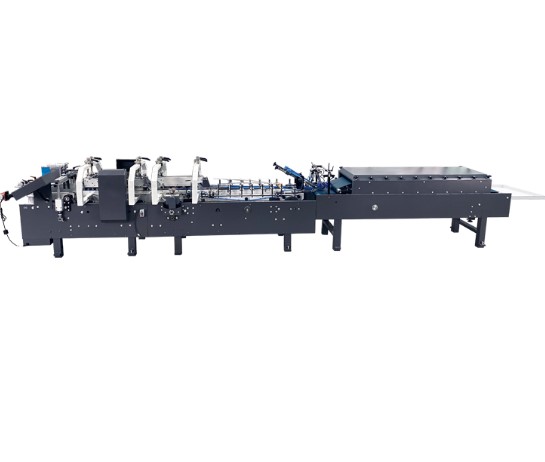
Packaging production is changing as manufacturers look for cleaner workflows, steadier output, and better control across every stage of the line. In that shift, folding and gluing processes have moved from being simple finishing steps to becoming central parts of production planning. A carton must not only look correct after printing, but also fold cleanly, hold its shape, and move through assembly without slowing the line. That is why the role of a Carton Folding Gluing Machine has become a topic of interest across print and packaging operations.
Folding, sometimes referred to as breaking in paper processing, is the controlled bending of a sheet so it reaches a required final form. The concept sounds simple, yet the process depends on alignment, timing, paper behavior, and the end use of the product. When folding is done well, cartons, leaflets, books, and business materials can move into the next production step with fewer issues. When it is done poorly, the result can affect presentation, assembly, and efficiency.
Folding as a Core Part of Packaging Work
In modern print and packaging environments, folding is no longer treated as a side task. It supports product structure, helps define how a carton opens, and prepares materials for binding or gluing. That makes folding important in both creative and technical terms.
Common production uses
- Advertising materials and printed promotions
- Office and business documents
- Books prepared for binding
- Leaflets and inserts
- Maps and folded reference materials
Each of these applications depends on a fold that matches the final purpose. A brochure may need a clean sequence for reading. A carton may need folds that support later assembly. A book section may need accurate folding before binding begins. The need for precision grows when paper is thicker, production volumes are higher, or the final product must fit into a specific format.
Why Accuracy Matters in Folding
A fold can seem minor, but it influences the entire path of a printed product. If the fold is uneven, the rest of the workflow may be affected. Pages may not stack properly. Carton panels may not align. Glue points may shift. For these reasons, folding is often treated as a controlled technical stage rather than a simple manual action.
In packaging lines, accuracy supports:
- Consistent appearance
- Easier assembly
- Better downstream handling
- Less waste during production
- More predictable final results
A folding process that stays consistent helps maintain the quality of the finished item. That can reduce delays and support smoother operation across the line. For carton work, the fold must also cooperate with the later gluing stage, since even a small shift can influence how the product closes or holds together.
The Rise of Machine-Based Folding
As production demands grow, manual folding can become difficult to control at scale. Machine-based folding offers a way to keep the process steady and efficient. It helps guide the sheet through the folding path, supports repeatable output, and reduces variation from one piece to the next.
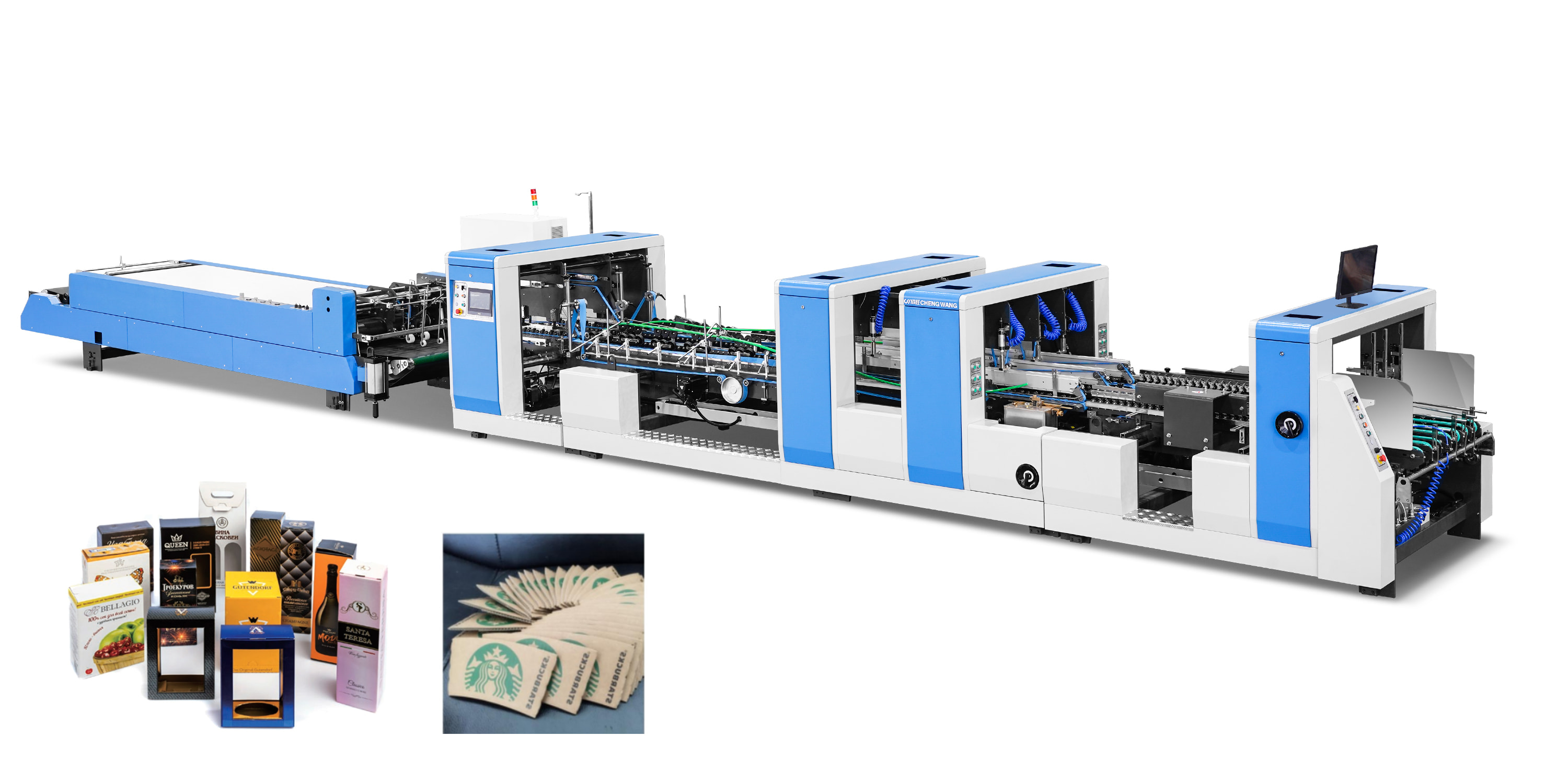
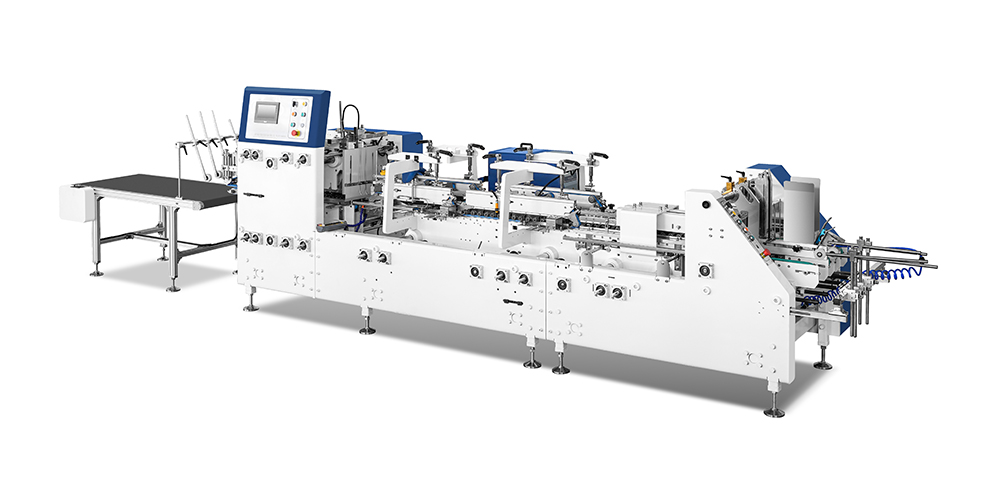
This is where a Carton Folding Gluing Machine becomes relevant in a broader production discussion. In many facilities, folding and gluing are connected tasks. Once the carton is folded properly, the machine can support the next stage of assembly so the product moves forward with less interruption. That connection makes the equipment valuable in packaging work where timing and consistency matter.
Why machine-based folding is used
- It supports repeatable folds
- It helps manage larger production runs
- It improves control during assembly
- It reduces dependence on manual handling
- It fits packaging workflows that need steady output
In practical terms, machines help bring order to a process that would otherwise require a great deal of manual attention. For print shops and packaging producers, that can mean a more reliable production environment and less strain on workers handling large volumes of paper or carton stock.
A Closer Look at Folding and Gluing Workflows
Carton production often follows a sequence. First comes the printed sheet or blank. Then comes folding. After that, the product may move into gluing and assembly. Each step depends on the one before it. If folding is inaccurate, the glue stage may not perform as intended.
Typical workflow stages
| Stage | Purpose | Production Impact |
|---|---|---|
| Material preparation | Sets up the sheet or blank for processing | Helps establish a stable starting point |
| Folding | Shapes the material into the required form | Supports alignment and structure |
| Gluing | Joins the folded sections | Helps the carton hold its final shape |
| Assembly | Forms the completed carton or printed product | Finalizes usability and appearance |
The Role of Cassette Folding Systems
Among common folding setups, cassette-based machines are widely used for standard folding tasks. Their structure relies on rollers and a guided path that helps move the paper into the correct folding position. The process is designed to keep the sheet under control as it travels through the machine.
The value of this approach lies in its balance of simplicity and consistency. In a production setting, cassette systems can support routine tasks without requiring complex handling. They are often used where a steady folding result is needed for office work, printed materials, or other paper applications.
Typical advantages of cassette folding systems
- They support regular folding tasks
- They help keep the process steady
- They work well in office and print environments
- They suit common production needs
For packaging teams, the appeal is practical. When a fold needs to happen in a controlled way and at a workable pace, cassette systems can fit into a larger line without complicating the process. That makes them a familiar choice in many folding operations.
Where Folding Meets Packaging Design
Carton folding is not only about function. It also affects how the final package looks and feels. A folded carton must present clean lines, open correctly, and support the product inside. That makes folding part of the design process as well as the production process.
In packaging development, teams often think about:
- How the carton opens and closes
- How the panels align after folding
- Whether the structure supports glue points
- How the finished carton will be handled
- Whether the final shape matches the intended use
These details explain why folding equipment matters beyond basic paper movement. It influences the final result that customers see and the practical behavior of the carton during use.
Production Planning and Workflow Efficiency
Manufacturers and print operators increasingly look for equipment that supports stability across the full line. A folding system that works in harmony with gluing and assembly can help reduce friction in production. That is especially important when output volume is high or when the product must maintain a uniform appearance.
A well-planned folding stage can:
- Help reduce rework
- Support cleaner production handoff
- Improve the fit of glued sections
- Lower the chance of misalignment
- Keep packaging work moving in sequence
For these reasons, folding is often treated as a production control point. It is a place where quality can be protected before the product reaches later stages. In packaging work, that can make a noticeable difference.
Industry Interest in Flexible Equipment Choices
As production lines become more specialized, equipment choices also become more targeted. Some operations need machines focused on simple folding. Others need systems that work as part of a larger carton-making line. The equipment must match the material, the workflow, and the output target.
That is why conversations about folding machines now often include the full path from paper input to final carton assembly. The value is not only in making a fold. It is in creating a process that can support printing, folding, gluing, and finishing in one connected sequence. In that context, the Carton Folding Gluing Machine stands out as part of a broader production strategy rather than a single isolated tool.
Looking Ahead in Packaging Production
Packaging continues to move toward cleaner automation, more accurate finishing, and stronger line coordination. Folding remains one of the stages that determines whether the rest of the process stays smooth. When the fold is correct, the gluing stage becomes easier to manage and the final carton is more likely to meet production needs.
As the sector keeps adapting, businesses are paying more attention to machines that support reliable folding and gluing in one workflow. That trend reflects a wider shift toward efficiency, consistency, and material control. For readers looking into related packaging solutions and workflow tools, further details can be explored through cenwanmachine.
Recommended Products
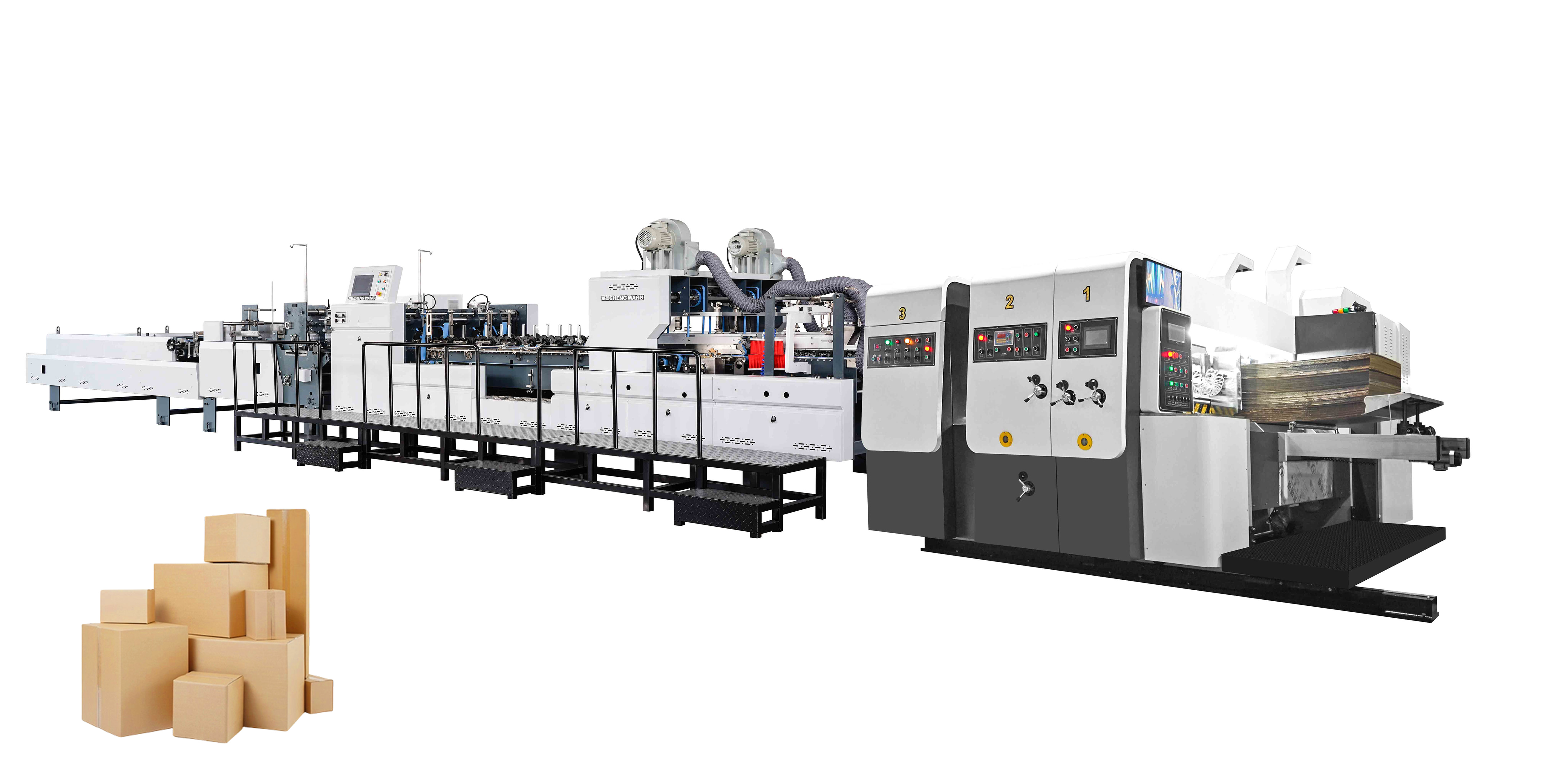
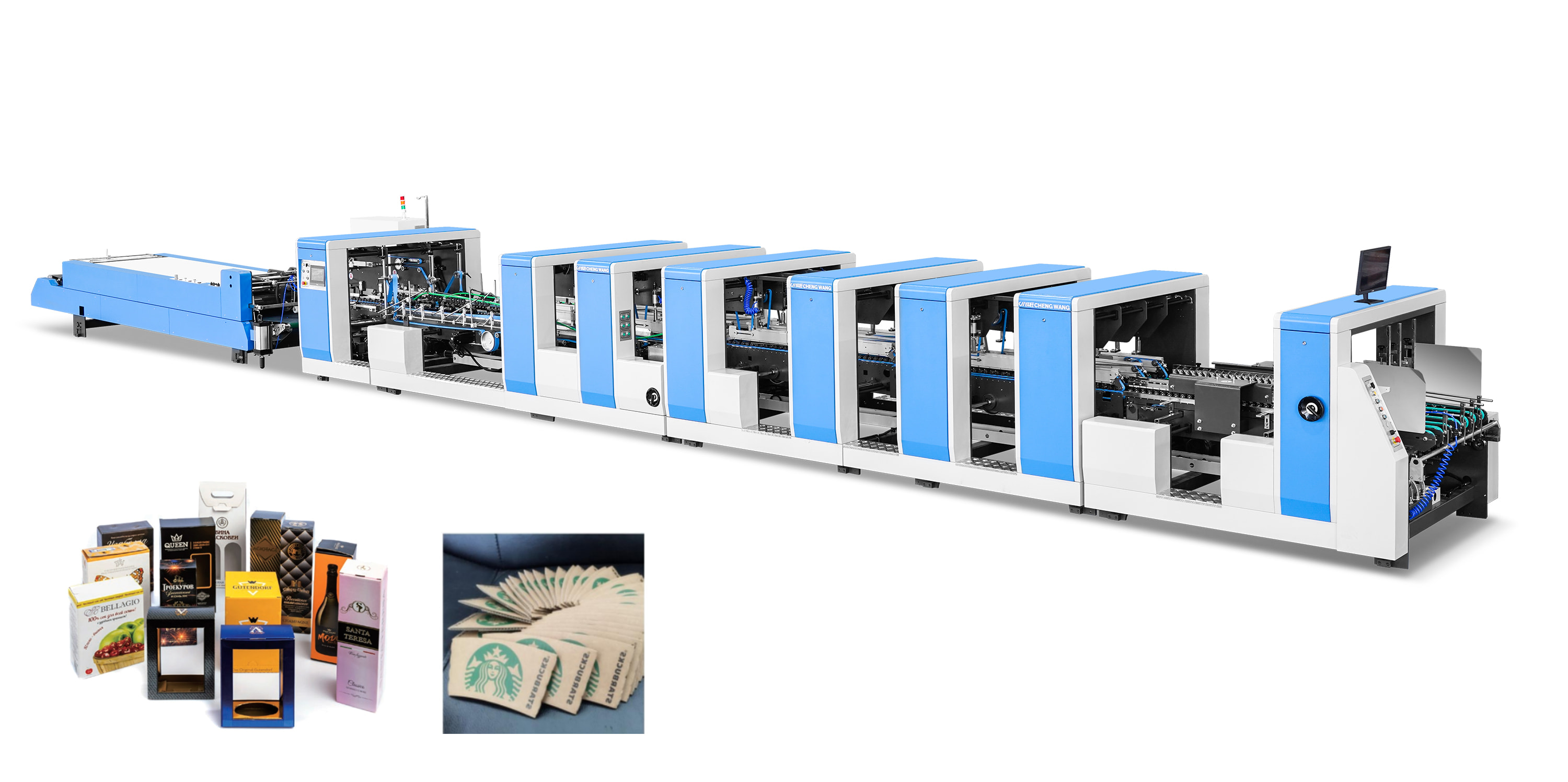
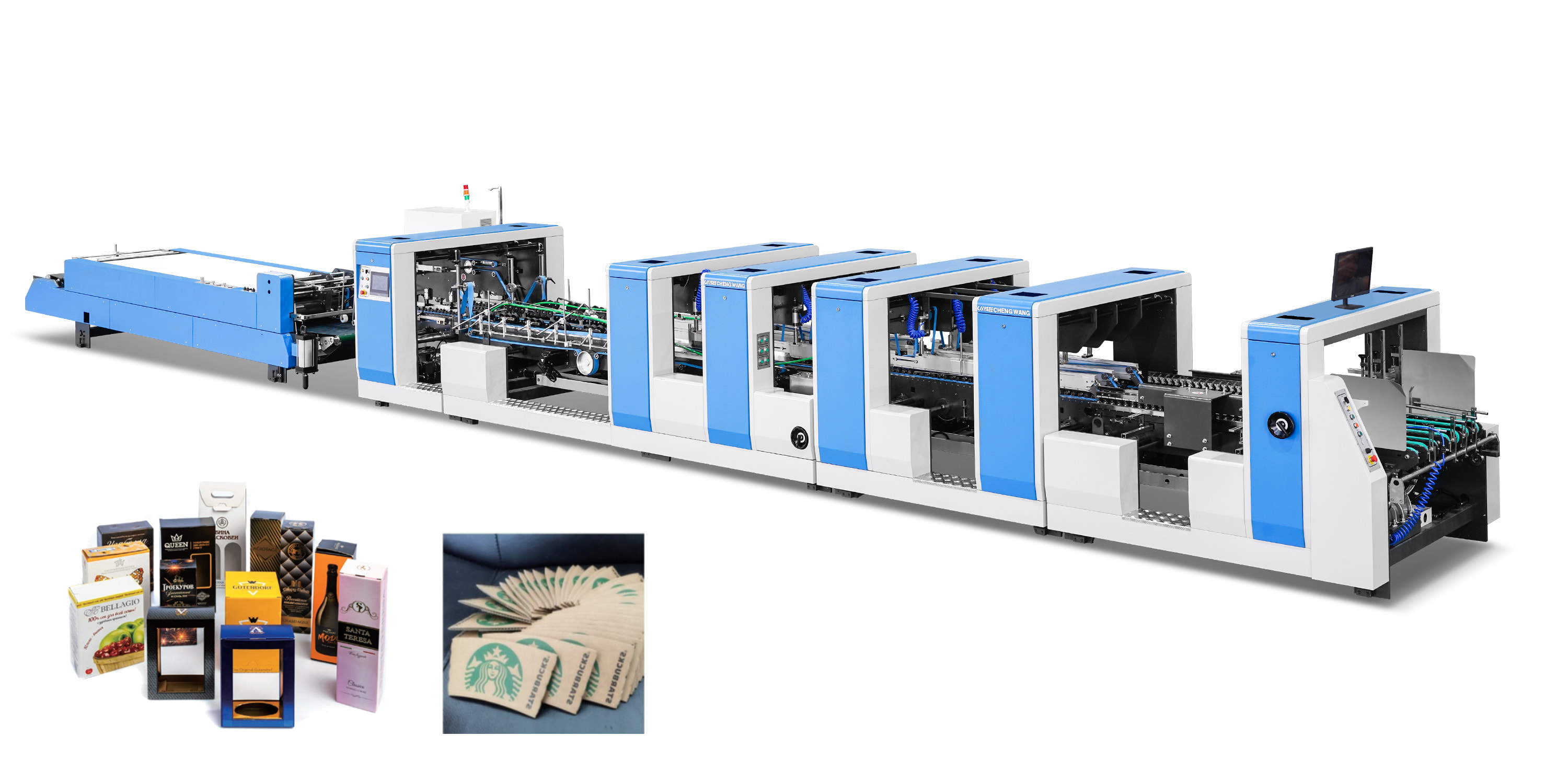
Focus on providing high-quality folder-gluing equipment to customers around the world.



No.3888, Jiangnan Avenue, Nanbin Street, Ruian City, Wenzhou City, Zhejiang Province, China







Privacy Policy Copyright © Zhejiang Chengwang Intelligent Packaging Equipment Co., Ltd.
High Speed Folder Gluer Factory