English
 русский
 Français
 Español
 Deutsch
How Does Automatic Folder Gluer Handle Different Carton Structures
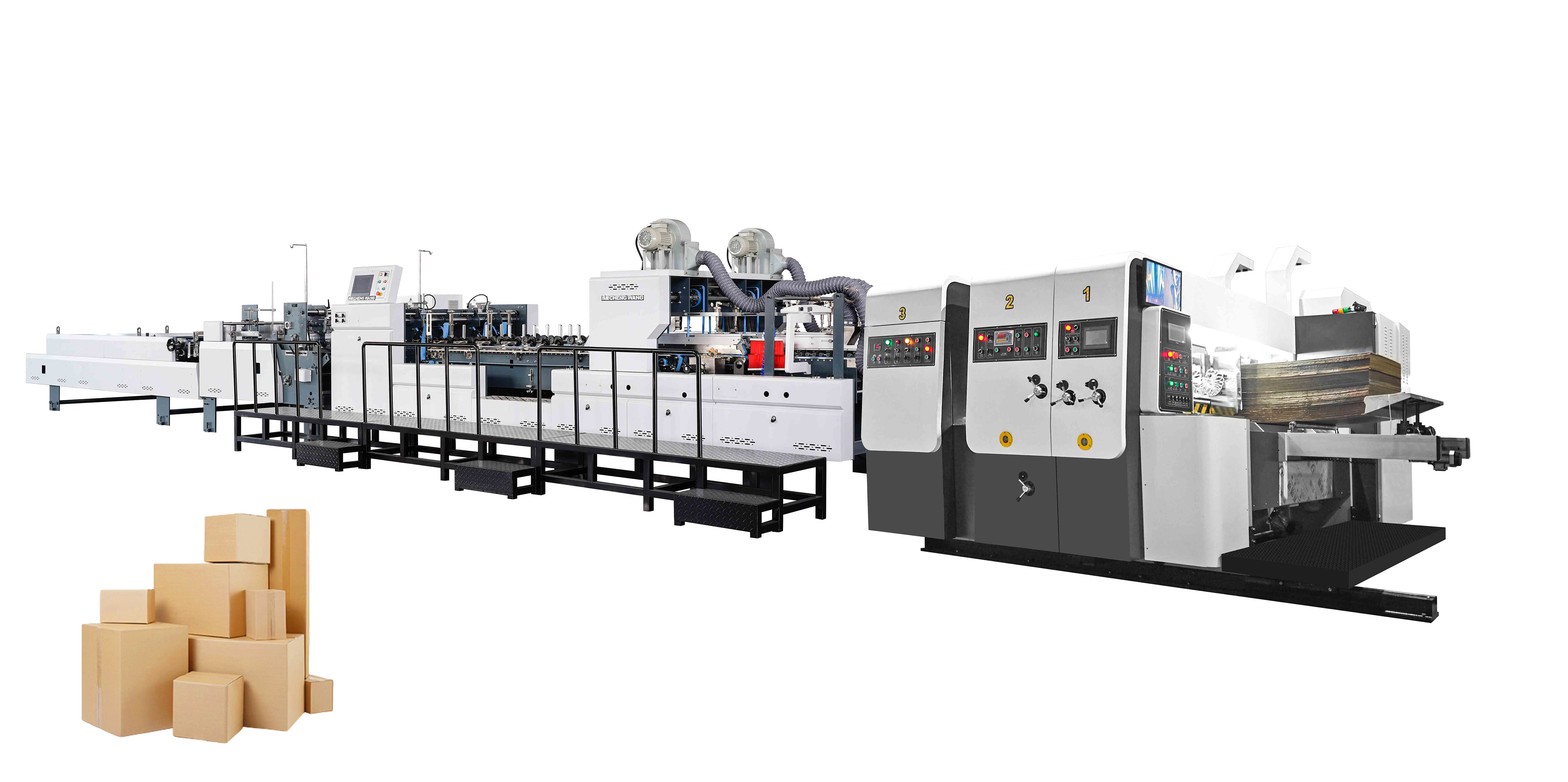
Why do different carton structures require adaptive handling in an Automatic Folder Gluer?
In real packaging work, cartons rarely stay in one simple shape for long periods. One batch may pass through as straight-line cartons, later shift into lock-bottom style, and sometimes move into more complex multi-corner formats. From a distance they all look like flat sheets, yet their behavior changes once they enter the machine.
An Automatic Folder Gluer does not treat every carton in the same way. Each structure brings its own movement pattern. Some move forward with little resistance, while others change direction several times before reaching final shape. These small differences decide how feeding, folding, and gluing will behave together.
Straight-line cartons usually move through in a steady path. Lock-bottom cartons add extra folding steps near the base area. Multi-corner cartons need several folding points to work in sequence. Nothing about the machine changes, yet the way it reacts has to follow these structural differences.
In daily operation, the main difficulty is not running the machine, but keeping the rhythm stable when carton types change. When one section reacts slightly earlier than another, even by a small margin, the final shape can drift. That is why structure awareness matters during setup and adjustment.
How does the feeder section handle different carton materials and structures?
The feeding section is where the whole process begins, and small changes here often affect everything that follows. Cartons may look similar at the start, but material stiffness and surface feel can be quite different.
Feeding depends on a balance between suction and friction. Suction helps lift and separate sheets one by one. Friction supports forward movement and keeps spacing under control. These two forces work together so that sheets enter the machine in a stable way.
Corrugated sheets tend to feel firmer and less flexible. Paperboard behaves more lightly and may respond faster to movement. Because of this, feeding pressure and separation need small adjustments depending on material type.
In practice, operators often focus on simple signs during feeding:
- whether sheets separate cleanly without overlap
- whether movement feels steady without hesitation
- whether entry timing stays consistent across cycles
- whether stack edges remain aligned during intake
A small shift at this stage can travel through folding and gluing sections later. That is why feeding stability is often watched closely, even before the rest of the machine is fully active.
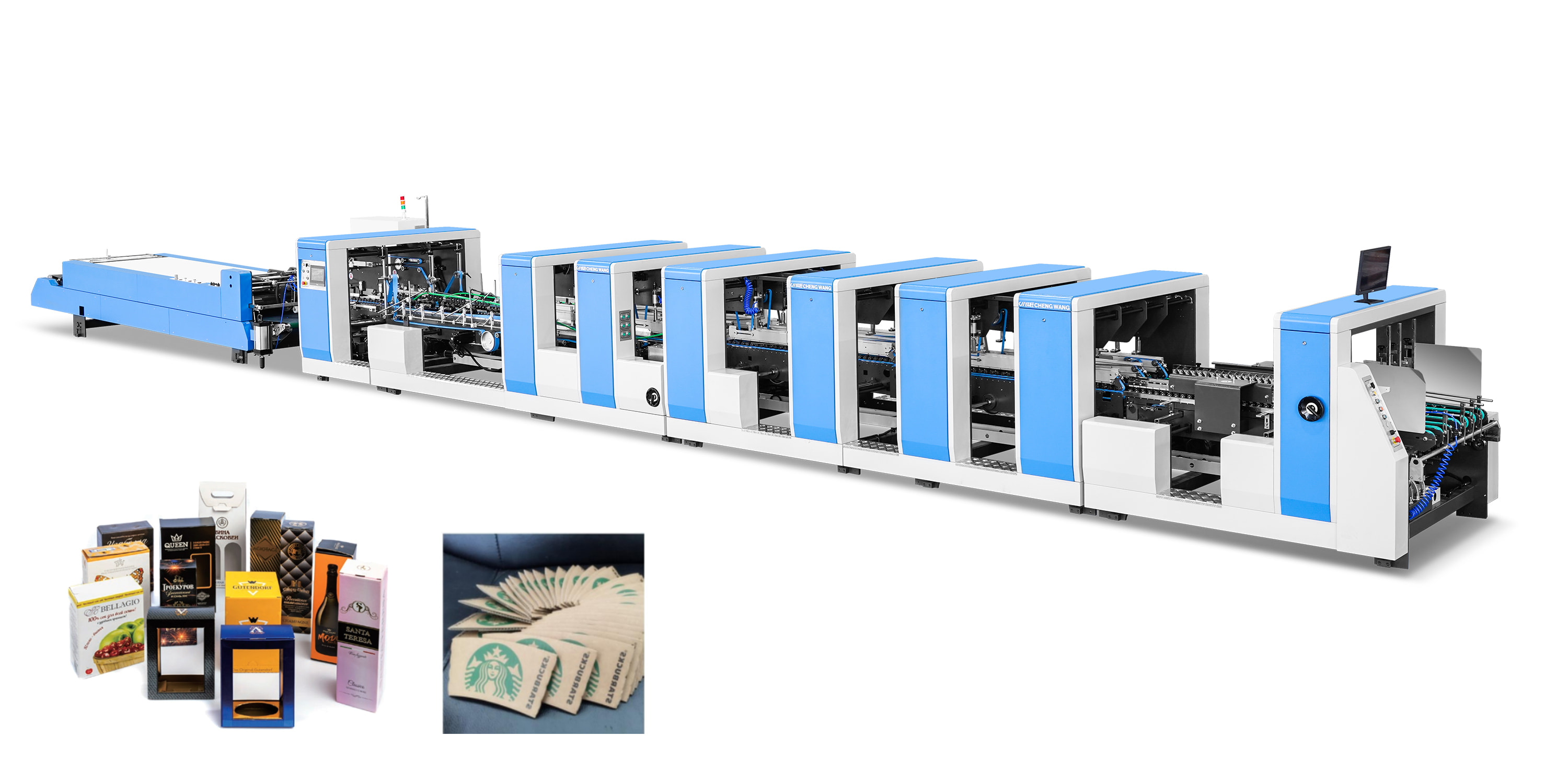
What role does the pre-folding section play in structure adaptation?
Pre-folding works like a preparation step before the main folding process begins. Instead of forcing material into final shape directly, it gently guides fold lines into position first.
When cartons include multiple panels or deeper fold lines, material resistance becomes more noticeable during final shaping. Pre-folding helps reduce that resistance by starting the bending process early.
This section helps in a few practical ways:
- fold lines settle before full pressure is applied
- resistance during final folding becomes lighter
- panel alignment stays closer to intended shape
- movement through later sections feels smoother
In lock-bottom cartons, several folds meet at the base area. Without early preparation, that section can feel tight during closure. Pre-folding reduces that tension and allows movement to stay more controlled.
The effect is not dramatic at a single moment. It builds gradually across the process and becomes clearer during continuous operation.
How does the folding and gluing system adjust to structural complexity?
Folding and gluing is where carton structure becomes most visible. At this stage, shape and bonding happen together, and timing between movements becomes more sensitive.
Straight-line cartons move through a direct folding path. Glue is applied along a clear edge, and movement remains simple. Lock-bottom cartons add extra steps near the base, which means folding and gluing must match a layered sequence. Multi-corner cartons involve several folding points working together, which increases coordination needs.
To handle these differences, the machine uses adjustable belts, guiding hooks, and multiple glue heads. These parts are not fixed in one position. They can be shifted slightly to match carton shape and folding path.
Glue application also changes depending on structure. Some cartons need continuous adhesive lines. Others only require glue at specific points where panels meet.
Timing is important here. Folding movement and glue release need to stay close to each other. If one happens too early or too late, bonding may shift slightly.
At this stage, the machine is not just moving material. It is balancing several actions that must stay in sync.
How does the compression section ensure final carton stability?
After folding and gluing, cartons pass through compression. This section does not change the shape anymore. It only holds the carton in place so the glue can settle properly.
Pressure is applied evenly so that bonded areas stay in contact for a short period. This helps reduce small gaps that may appear after folding movement stops.
Different carton structures react differently here. Simple cartons may only need brief holding time. More complex shapes may require longer contact so that all folded areas settle evenly.
Compression is less about force and more about stability. It keeps the carton in its formed shape until it becomes steady enough to move out of the machine.
How are straight-line cartons processed in an Automatic Folder Gluer?
Straight-line cartons follow a direct movement path through the machine. Their structure is simple, so folding and gluing stay consistent without many changes in direction.
In normal operation:
- feeding moves forward without interruption
- folding follows a straight guiding path
- glue is applied along a simple edge line
- compression holds shape evenly before exit
Because the structure is straightforward, adjustments are usually small once settings are stable. The movement feels continuous from start to finish.
How are lock-bottom cartons handled during production?
Lock-bottom cartons include additional folding steps near the base. These steps need more coordination because several folds come together in a small area.
The base section does not close in one movement. It forms gradually through a sequence of folding actions. Each step depends on the previous one staying in position.
Pre-folding helps reduce resistance in this area. Glue placement also needs careful timing so that bonding matches the closing sequence.
Compared with straight-line cartons, the movement feels more layered. Each step plays a role in how the final bottom structure forms.
How are 4-corner and 6-corner cartons processed?
Multi-corner cartons involve several folding points working together. Instead of a single direction, the material moves through multiple paths at the same time.
Different sections of the carton must reach their position in coordination. Glue is applied at several points, and each point must match a folding action.
This structure type depends heavily on timing alignment. Small differences in movement can affect how corners meet at the end.
To support this, the system uses multiple folding guides and glue heads working in sequence. Movement is carefully balanced so that each section arrives at the right position without interruption.
| Carton Type | Folding Behavior | Glue Application | Operational Sensitivity |
|---|---|---|---|
| Straight-line | Direct movement path | Continuous edge bonding | Lower adjustment need |
| Lock-bottom | Layered folding steps | Multiple bonding points | Medium timing sensitivity |
| 4/6 Corner | Multi-direction folding | Multi-point glue coordination | Higher alignment requirement |
How are lock-bottom cartons handled during production?
Lock-bottom cartons behave differently once they enter the folding path. Instead of closing in a single smooth motion, the bottom area forms through a sequence of smaller steps. Each step depends on the previous one staying in the right position, so the movement feels more staged than linear.
Inside the machine, the base flaps begin to move inward, overlap, and gradually lock into place. The process does not feel sudden. It develops step by step as the carton passes through different folding points. Because of this, timing between sections becomes more noticeable.
Pre-folding quietly supports this structure. It does not force the shape but prepares the fold lines so that the material does not resist too much during closing. Without this preparation, the lower section often feels tighter during movement, especially where multiple folds meet.
Glue application also becomes more sensitive in this structure. The adhesive needs to reach the correct points before the locking action finishes. If glue arrives slightly earlier or later than expected, bonding may feel uneven across the base area.
In actual production, lock-bottom cartons often require small adjustments in guiding parts and belt pressure. Nothing large, just enough to keep movement stable while the extra folding steps take place.
How are 4-corner and 6-corner cartons processed?
Multi-corner cartons add another layer of coordination. At the beginning, they still look like flat blanks, but once folding starts, several movement points begin working together.
Different parts of the carton do not move in a single direction. One section may fold inward while another shifts slightly before meeting at the final position. The machine has to keep these movements aligned so that all corners come together cleanly.
Glue is not applied in a single line here. It appears at several points across the structure. Each point must match a folding action happening at almost the same time. If one side moves a little earlier or later, the final shape may feel slightly off.
To manage this, folding guides and glue heads are adjusted to match the carton layout. They are not fixed permanently in one position. Small changes help the machine adapt to different corner patterns.
During operation, timing becomes the most sensitive part. Even a small delay in one folding arm can affect how the corners meet. That is why stable rhythm matters more than fast movement in these cases.
How does timing coordination affect different carton structures?
Timing inside an Automatic Folder Gluer is shared across several sections. Feeding, folding, and gluing all depend on each other. When carton structure changes, the relationship between these timings also changes.
Straight-line cartons usually move in a steady rhythm. The path is direct, so each section follows a simple sequence.
Lock-bottom cartons introduce extra steps, which means timing must stretch slightly to allow additional folding actions to complete. The machine keeps moving, but internal coordination becomes more layered.
Multi-corner cartons require closer synchronization. Several actions happen in a short span of time, and each one depends on the previous step finishing in the right position.
In real operation, timing differences often show up as:
- slight gap between feeding and folding
- glue reaching slightly off-position areas
- uneven arrival of folded panels
- small variation in compression contact time
These changes are not always obvious at first, but carton structure decides how sensitive the system becomes to them.
How does material stiffness influence structural handling?
Material stiffness changes how cartons behave inside the machine, even when the structure design stays the same.
Stiffer material holds its shape more firmly. This can make folding feel stronger at crease points. Softer material moves more easily, but it may shift slightly during alignment if not guided well.
Because of this difference, each section responds in a slightly different way:
- feeding may need steadier separation
- folding may require more guided support
- glue contact may need tighter alignment control
These adjustments are not large changes. They are small corrections that help the machine stay balanced during continuous operation.
How do operators adjust settings for different carton structures?
Adjustments are usually based on observation during early movement. Operators do not rely on a fixed rule for every carton type. Instead, they respond to how the machine behaves once the structure enters the system.
Typical small adjustments include:
- shifting folding guides to match crease positions
- changing belt pressure to support material movement
- correcting glue position for better contact alignment
- running short test cycles before full operation
In many cases, operators notice changes through sound and movement feel. A slightly heavier tone or small vibration difference can signal that adjustment is needed.
Experience helps here. With time, operators become familiar with how each structure behaves, even before full cycles begin.
How does trial operation support structure switching?
When carton types change, trial operation acts as a short transition phase. It allows the machine to settle into a new movement pattern without pressure from full production.
During this stage, attention usually stays on:
- alignment across folding sections
- timing between glue release and folding movement
- feeding stability under new structure
- compression consistency after bonding
Small irregularities are easier to adjust at this point. Once continuous production starts, changes are less flexible.
Trial operation is not about speed or output. It is about checking whether all movements feel coordinated under the new structure.
How does modular design support flexibility in carton processing?
Modular design allows different sections of the Automatic Folder Gluer to be adjusted instead of replaced. Feeding units, folding guides, and glue sections can be repositioned depending on carton requirements.
This makes switching between carton types more practical. Instead of rebuilding the setup, only specific parts are adjusted. It reduces interruption between different production tasks.
In daily use, this flexibility helps handle a mix of straight-line, lock-bottom, and multi-corner cartons within the same working environment without major setup changes.
Recommended Products
Focus on providing high-quality folder-gluing equipment to customers around the world.



No.3888, Jiangnan Avenue, Nanbin Street, Ruian City, Wenzhou City, Zhejiang Province, China







Privacy Policy Copyright © Zhejiang Chengwang Intelligent Packaging Equipment Co., Ltd.
High Speed Folder Gluer Factory