English
 русский
 Français
 Español
 Deutsch
Why Is Automatic Folder Gluer Becoming Common In Packaging Factories
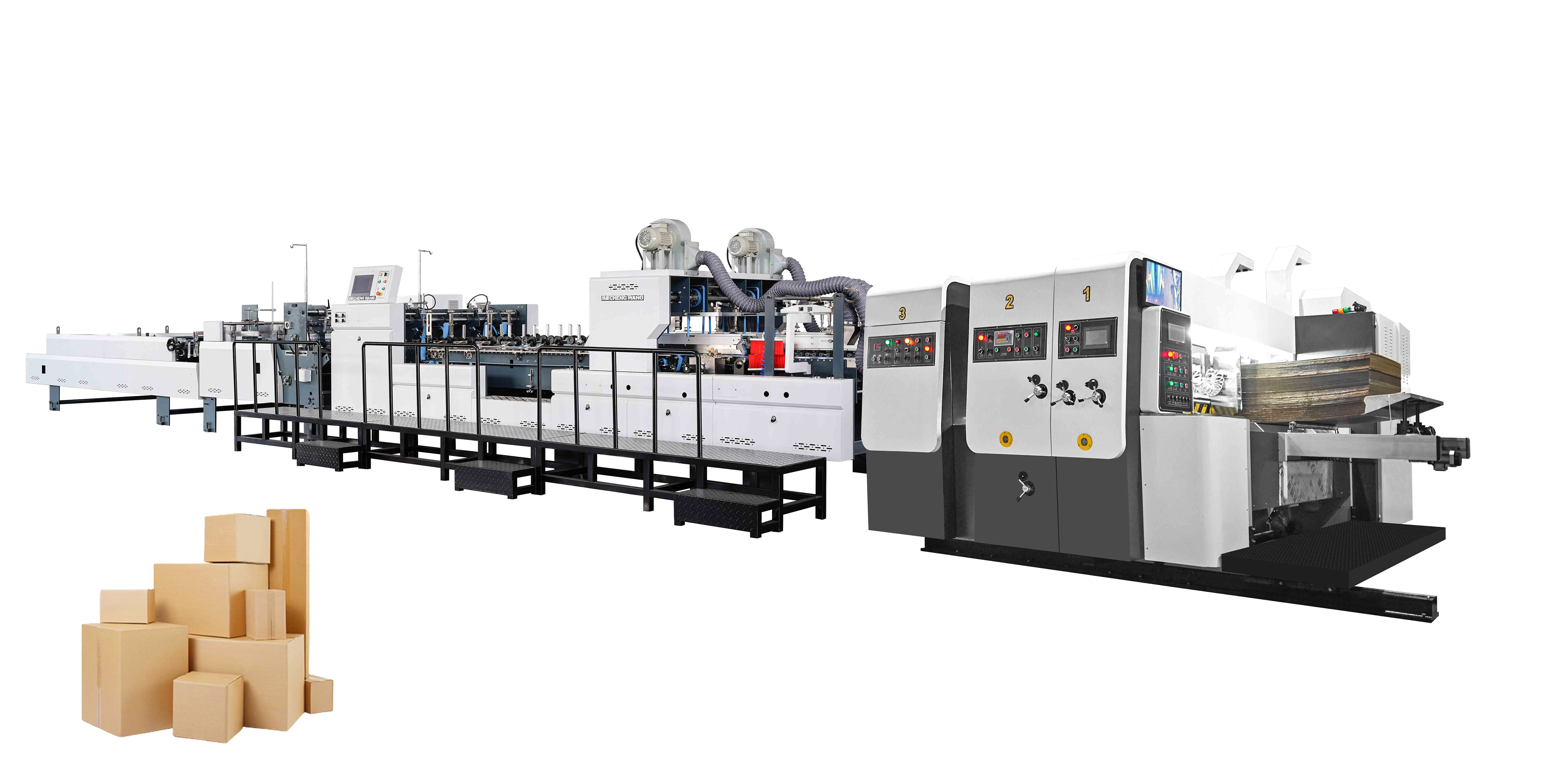
In many packaging workshops, carton work is not a single action. It is a chain of small steps that repeat every day. Flat sheets come in, and after several movements they become folded cartons ready for packing.
In older setups, workers often handled each stage separately. One person folded, another added glue, and someone else collected finished cartons. This worked, but it also meant more handling and more chances for small differences between cartons.
Now the pattern is different in many places. Cartons tend to move through one continuous path. The idea is simple: less stopping, fewer transfers, and a more steady flow from start to finish.
An Automatic Folder Gluer fits into this kind of setup because it connects folding and gluing in one direction of movement instead of splitting them into separate tasks.
Why Is Automatic Folder Gluer Becoming Common In Packaging Factories
The main reason is not complicated. Factories prefer processes that feel stable and predictable over time.
When cartons are moved too many times by hand, small shifts in position can appear. At first, these shifts may not look important, but later they can affect how cartons stack or close.
With an Automatic Folder Gluer, cartons travel through folding and bonding steps without being picked up and repositioned again and again. That alone reduces a lot of small variation in daily work.
Another reason is workflow rhythm. Packaging lines often need to keep moving without long pauses. When folding and gluing are connected, there are fewer breaks between steps, and the line feels more continuous.
In simple terms, the change can be described like this:
- less manual movement between stages
- more steady carton flow
- fewer interruptions during production
- more consistent carton shaping over time
It is not about replacing workers. It is more about reducing repeated handling and keeping the process smoother.
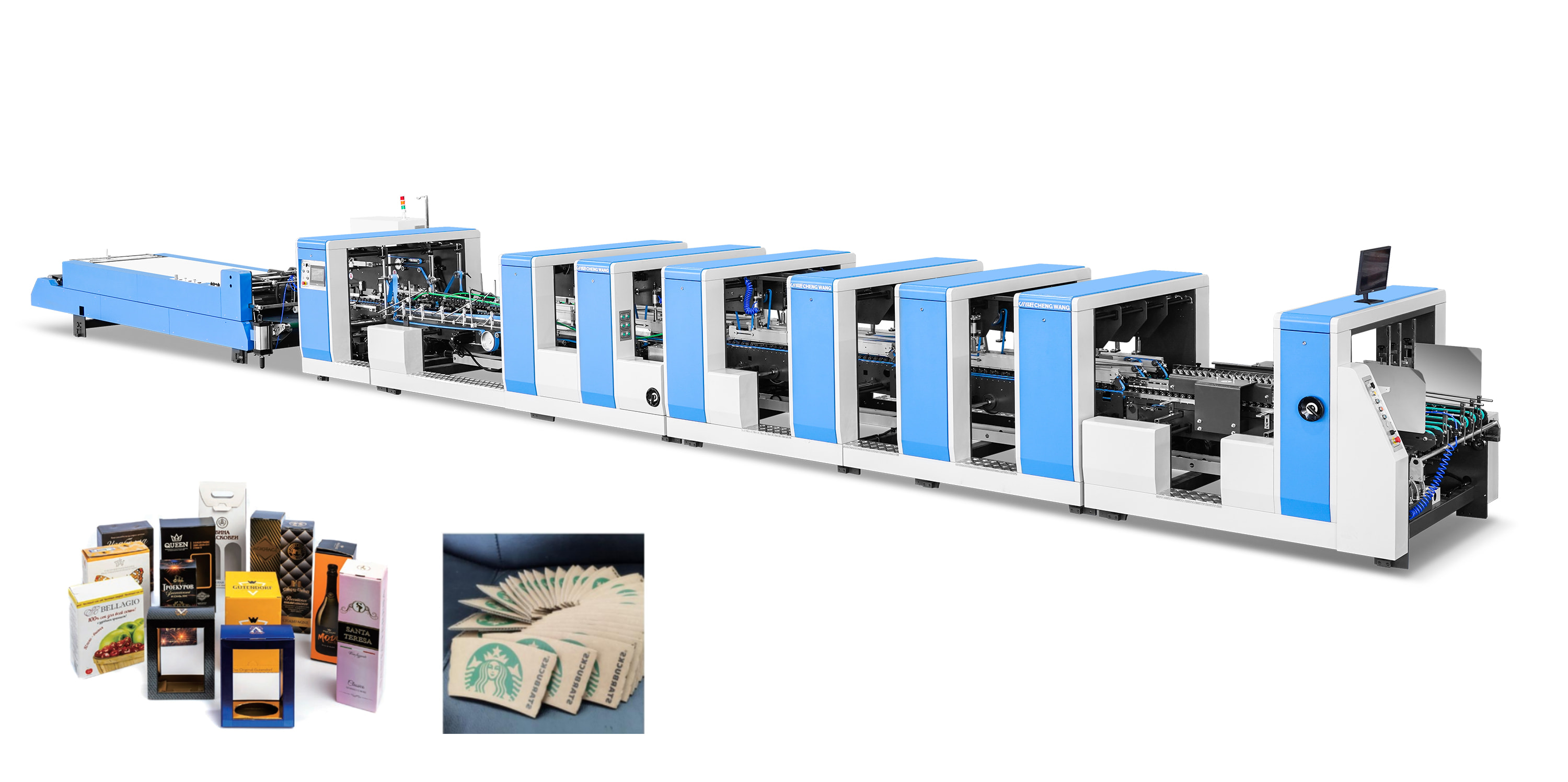
How Automatic Folder Gluer Changes The Way Work Is Organized
In traditional carton work, each step is usually separated. Folding happens in one place, glue is applied somewhere else, and final stacking is handled later.
This kind of separation requires more coordination between workers. Each transfer between steps also adds a small chance of misalignment.
With a connected system like an Automatic Folder Gluer, the carton stays in one movement path. Folding leads directly into gluing, and then into pressing and output.
A simple comparison helps make this clearer:
| Work Step | Traditional Setup | Connected Setup |
|---|---|---|
| Carton Movement | Hand transfer between stations | Continuous flow |
| Folding Action | Separate handling step | Integrated movement |
| Glue Application | Manual or separate stage | Linked with folding |
| Output Collection | Grouped after processing | Continuous stacking |
| Adjustment | Frequent repositioning | Occasional fine tuning |
The main change is not complexity. It is how work is connected.
Which Packaging Products Can Be Processed By Automatic Folder Gluer
An Automatic Folder Gluer is used in many packaging situations where flat material needs to be turned into a structured carton.
The products are different in shape and purpose, but they share a similar forming idea. They start flat and become folded and bonded through movement.
Common examples include:
- simple folding cartons used for retail goods
- paper packaging for food and daily products
- standard boxes used for storage and grouping
- lightweight transport cartons for handling items
- cartons with multiple folding sections for edge bonding
Even though these products look different, the processing idea stays similar: controlled folding followed by bonding in a continuous path.
How Carton Design Influences Processing Behavior
Carton structure plays a quiet role in how smoothly production runs. Some designs move through folding sections without much adjustment, while others need more careful positioning.
Straightforward carton shapes usually follow fold lines in a direct way. More complex shapes may involve several fold directions or tighter bonding areas.
A few design-related points that often matter in production:
- placement of fold lines on the sheet
- size and position of bonding areas
- overall shape balance during movement
- number of folding steps required
- edge alignment design
Small differences in design can change how cartons behave once they enter the folding and gluing process.
How Paper Material Changes The Way Cartons Behave
Material is another factor that affects how stable the process feels.
Thin paper usually bends easily and responds quickly to movement. This can help with smooth folding, but it may also require more careful control during pressing.
Thicker paper behaves differently. It often feels more stable during shaping, but it may resist bending slightly more during folding stages.
Surface condition also plays a role. Coated or smoother surfaces may interact differently with glue compared to more textured materials.
In daily production, attention is often placed on:
- how material reacts during folding movement
- how glue spreads across bonding areas
- whether edges stay aligned after pressing
- whether cartons keep shape during transfer
These small behaviors help explain why two cartons with the same design can still feel slightly different in production.
How Carton Workflow Feels In Real Production Lines
In actual packaging workshops, workflow is not something that stays still. It changes depending on workload, carton type, and how stable the process is on that day.
When an Automatic Folder Gluer is in use, cartons usually move in a more continuous line. The operator does not need to carry items from one station to another all the time. Instead, attention shifts to watching movement and checking whether everything stays aligned.
What people usually pay attention to is not complicated:
- cartons moving straight without drifting
- fold lines staying in the right position
- glue areas closing without gaps
- finished cartons stacking in a regular way
These small signs tell whether the workflow is stable or starting to drift slightly.
What Types Of Small Issues Can Appear During Operation
Even in stable production, small issues can still show up. They rarely stop the whole process, but they can affect consistency if not noticed in time.
One common situation is slight carton misalignment during movement. This can happen when paper shifts a little while passing through folding sections.
Another situation is uneven folding pressure. One side of the carton may fold slightly earlier than the other, which can affect how the final shape looks.
Other small things that may appear include:
- glue spreading a little outside the bonding area
- carton corners not closing evenly
- light marks appearing on the surface during transfer
- folded sections opening slightly before final pressing
These are usually adjusted during normal operation rather than requiring full shutdown.
How Daily Maintenance Supports Stable Production
Maintenance in packaging environments is usually simple and repetitive. It is not about complex repair work. It is more about keeping movement areas clean and stable.
Before starting production, workers often walk around the system and check basic points. This helps avoid unexpected issues later in the shift.
Common daily actions include:
- clearing paper dust near folding paths
- checking glue flow areas for buildup
- watching early cartons during startup
- confirming smooth movement through transfer sections
- making small alignment adjustments if needed
These small habits help keep the whole workflow more predictable over long production periods.
How Automatic Folder Gluer Affects Carton Quality In Real Use
Carton quality is not only about how it looks when it comes out of the machine. It also includes how it behaves later during stacking, storage, and transport.
When folding and bonding stay stable, cartons usually keep their shape better over time. If folding is uneven, cartons may still function, but their shape can feel less consistent when stacked together.
Some visible quality points include:
| Quality Area | What It Depends On |
|---|---|
| Shape Stability | Folding accuracy and alignment |
| Edge Cleanliness | Glue position and pressure balance |
| Surface Condition | Movement during transfer |
| Stack Behavior | Overall carton consistency |
| Closing Fit | Fold line stability |
These details often become clearer when cartons are grouped in larger quantities.
How Automation Changes Daily Thinking In Packaging Work
In many factories, automation does not replace attention. It changes where attention is placed.
Instead of focusing on each single carton, operators start to focus more on flow. They watch how cartons move through the system rather than handling each step manually.
This leads to a different way of thinking about production:
- less focus on individual handling steps
- more focus on overall movement stability
- more attention on small changes in flow
- more adjustment based on pattern observation
The work becomes more about watching behavior than repeating actions.
Why Product Variety Matters In Folder Gluing Work
Packaging factories rarely produce only one carton type. Different products require different folding patterns and bonding areas.
Some cartons are simple and move through the system with minimal adjustment. Others have more folds and require slower setup at the beginning.
This variety means the same Automatic Folder Gluer needs to handle different behavior depending on the product being processed.
Key differences between carton types often include:
- fold complexity
- material thickness
- bonding position layout
- movement balance during transfer
- output stacking behavior
Because of this, small setup adjustments are part of normal daily work.
How Long Term Production Changes Work Behavior
Over time, packaging work becomes less about single operations and more about stable repetition. When production runs for long periods, small differences in movement or material behavior become more noticeable.
Workers often start recognizing patterns:
- certain carton types need slightly more adjustment
- some materials react differently after long runs
- small alignment shifts appear after continuous operation
- glue behavior changes slightly with long use cycles
These observations are not unusual. They are part of understanding how the system behaves over time.
How Automatic Folder Gluer Fits Into Modern Packaging Direction
Packaging production is slowly moving toward more connected systems. Folding and gluing are no longer seen as separate tasks, but as parts of one continuous flow.
In this direction, an Automatic Folder Gluer plays a practical role. It helps keep cartons moving steadily from flat material to finished shape without breaking the process into many small steps.
The overall direction of packaging development often focuses on:
- smoother workflow between stages
- more stable carton movement
- easier adjustment for different product types
- fewer interruptions during long production runs
- more consistent output behavior over time
It is less about dramatic change and more about making daily production feel more steady and manageable.
Recommended Products
Focus on providing high-quality folder-gluing equipment to customers around the world.



No.3888, Jiangnan Avenue, Nanbin Street, Ruian City, Wenzhou City, Zhejiang Province, China







Privacy Policy Copyright © Zhejiang Chengwang Intelligent Packaging Equipment Co., Ltd.
High Speed Folder Gluer Factory