What Should Be Checked Before Starting Automatic Folder Gluer
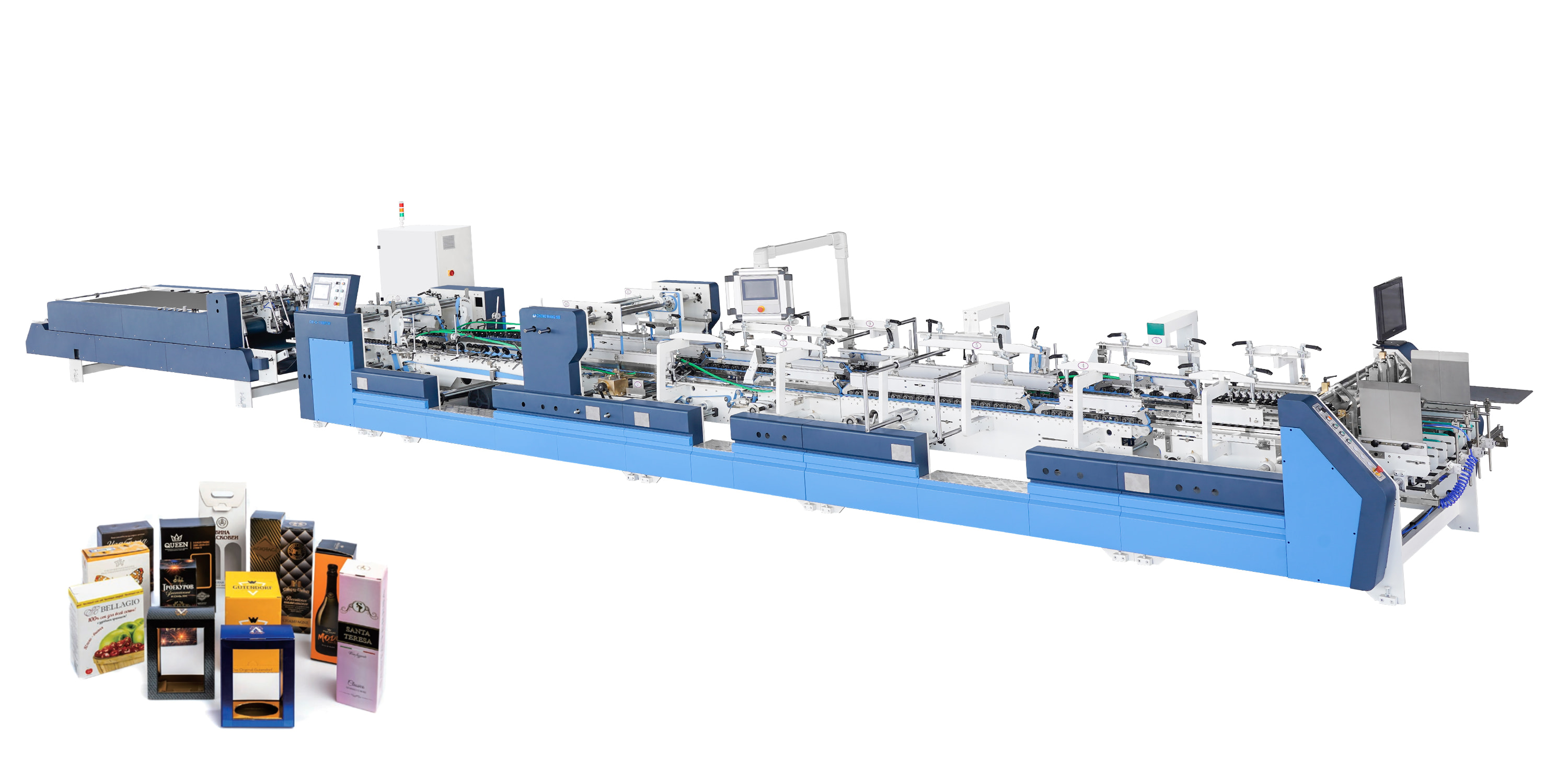
Why is pre-start inspection important for an Automatic Folder Gluer?
In a packaging workshop, an Automatic Folder Gluer usually works as part of a connected flow rather than a single isolated machine. Once it starts running, several sections move together, and even a small mismatch at the beginning can slowly spread through the whole line.
Before operation, workers often treat the machine as something that needs a short "wake-up check" rather than immediate full load use. This habit comes from experience—many small issues do not appear when the machine is idle, but show up only when materials begin moving continuously.
A common situation is that everything looks normal during setup, but once production starts, folding alignment or glue flow begins to shift slightly. That small shift may not stop the machine, but it can affect product consistency.
In real production environments, pre-start inspection is usually done to avoid:
- uneven product folding during continuous operation
- glue marks appearing in irregular positions
- feeding interruptions caused by misalignment
- slow buildup of mechanical stress in moving parts
The idea is simple: a few minutes of checking can prevent longer interruptions later.
What mechanical components should be checked before starting?
Mechanical parts in an Automatic Folder Gluer are always under repeated motion. Even when the machine is not running at full speed, small wear or looseness can still exist.
Operators usually begin with a visual and manual check of key areas:
- feeding section alignment and movement path
- folding section rails and guiding points
- belt tension and roller condition
- structural joints and fastening points
One practical example is belt tension. If it is slightly loose, materials may drift during movement. If it is too tight, the system may create extra resistance, which slowly affects stability.
Another point is rollers. They may still rotate, but uneven wear can cause subtle vibration once the machine is running continuously.
In many workshops, this check is not done in a strict formal way. It is often based on touch, observation, and slow manual rotation of parts when the machine is powered off.
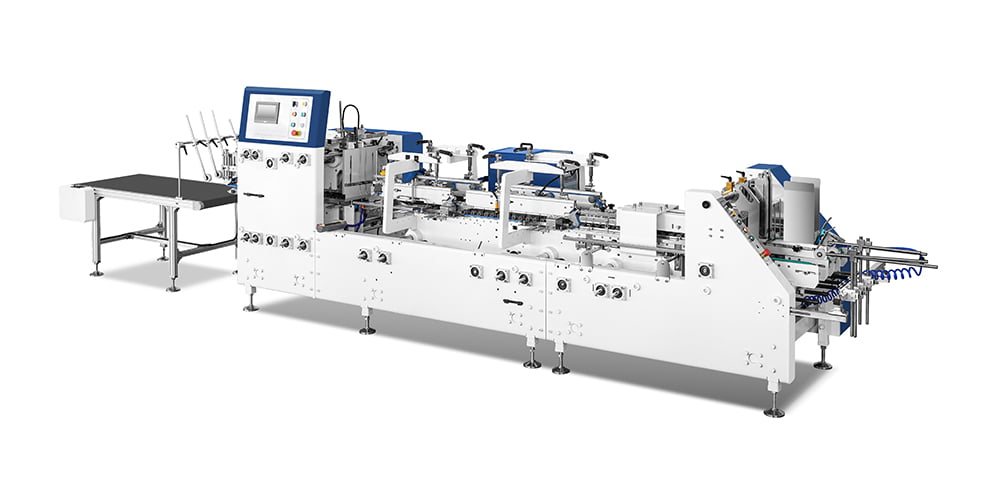
How should the feeding system be evaluated before operation?
The feeding system decides how smoothly materials enter the machine. If feeding is not stable, the rest of the process will also become irregular.
Before starting, operators usually look at:
- whether material stacks are aligned evenly
- whether feeding motion is smooth during idle test
- whether multiple sheets move together or separate correctly
- whether suction or grip strength behaves consistently
A common issue in real use is uneven intake. One sheet may enter slightly faster or slower than the next. At first, this may not seem serious, but over time it affects folding timing and glue positioning.
In some cases, feeding problems are caused not by the machine itself, but by how materials are placed. Slight bending or uneven stacking can already create small interruptions.
What should be checked in the folding section?
The folding section is where material shape begins to change. Even a small misalignment here can affect the final product appearance.
Before operation, attention is usually given to:
- guide rail alignment
- folding pressure consistency
- smooth movement of folding arms
- signs of wear on contact points
If folding rails are not aligned properly, the material may shift slightly during movement. This shift is often small at the beginning but becomes more visible after repeated cycles.
Operators sometimes perform a dry run without full material load. This helps observe whether movement feels smooth or slightly uneven.
In practical situations, folding accuracy is not only about position, but also about timing between sections.
How to inspect the gluing system before starting production?
The gluing system is sensitive because it depends on flow, temperature condition, and nozzle cleanliness. Even a small blockage can change distribution patterns.
Before starting, operators usually check:
- glue flow consistency
- nozzle condition and possible blockage
- distribution pattern during test operation
- glue spread uniformity on sample material
A simple real-world issue is partial drying inside the nozzle. It may not completely block flow, but it can change how glue is released.
Another factor is uneven spread. If glue is not applied consistently, bonding strength may vary across different parts of the product.
Some workshops run a short test cycle using sample material to observe how glue behaves under normal movement speed.
| System Area | Inspection Focus | Operational Risk When Overlooked |
|---|---|---|
| Feeding Section | Alignment and intake behavior | Material delay and misfeed |
| Folding Section | Rail position and pressure balance | Shape inconsistency |
| Gluing System | Flow stability and nozzle condition | Uneven bonding |
| Mechanical Parts | Belt, roller, and joint condition | Vibration and drift |
| Control System | Signal response and timing | Coordination mismatch |
What electrical and control systems need verification?
Before starting, electrical and control systems are usually checked to make sure responses are stable and predictable.
Key points include:
- startup response of control panel
- sensor detection accuracy
- signal stability during idle condition
- alarm response function
Sensors play an important role because they guide timing between sections. If a sensor detects material too early or too late, the folding and gluing process will not stay aligned.
Control response is also important. If commands are delayed, even slightly, the coordination between sections may become uneven during continuous operation.
How to check safety systems before operation?
Safety systems are checked not only for compliance, but also for practical reaction during unexpected situations.
Operators usually confirm:
- emergency stop response
- protective cover position
- safety zone clearance around machine
- indicator lights and warning signals
Emergency stop is often tested at low speed or idle condition to ensure it reacts immediately when pressed.
Safety covers are also checked to make sure they are properly closed and not loose, since vibration during operation can gradually shift poorly secured parts.
Why is a trial run necessary before full operation?
A trial run usually happens right after the basic checks are done. It is not a formal production step, more like a quiet test where the machine is allowed to move in its normal rhythm without full pressure.
On paper, everything may look fine. In real motion, small things start to show. A belt that feels normal when stopped may sound slightly different once it keeps running. A folding section that moves smoothly by hand may show a tiny delay when working together with feeding and gluing.
During this stage, operators tend to pay attention to simple signs:
- whether feeding and folding stay in rhythm
- whether any section sounds heavier than usual
- whether movement feels steady or slightly uneven
whether glue timing matches material flow
Sound is often the first clue. A stable machine usually has a consistent running tone. When that tone changes in certain sections, it often means load is not evenly distributed.
Vibration is another thing people notice quickly. A small vibration at the start is not unusual, but what matters is whether it stays the same or slowly becomes stronger.
Trial runs are also useful for glue behavior. Even if glue flow looks fine during idle checks, real timing during continuous movement can still shift the final result.
This stage is less about finding big problems, more about catching small drift before production becomes continuous.
How does material preparation affect machine start-up?
Material condition often decides how smooth the first minutes of operation will feel. The machine may be in good condition, but uneven material can still create small interruptions.
Before starting, materials are usually checked in a very practical way:
- whether sheets lie flat without curling edges
- whether thickness feels consistent by hand
- whether surface feels too dry or slightly damp
- whether stacking is even from bottom to top
One common issue is slight bending. It may not look serious when materials are stacked, but during feeding it can cause hesitation or uneven intake.
Surface condition also plays a role. Dust or moisture can quietly change how glue behaves later. Sometimes bonding looks fine at the beginning but becomes less stable after repeated cycles.
Stacking is another point that is often underestimated. If the pile is not aligned properly, feeding becomes uneven. One sheet may enter smoothly while the next meets resistance. That small difference slowly affects timing across the whole process.
In real workshop practice, material preparation is often adjusted together with machine setup, not treated as a separate task.
What role does operator readiness play before starting?
Even when a machine is fully prepared, the person operating it still affects how stable the start will be. In daily production, small reactions from the operator often decide how early issues are handled.
Before starting, operators usually follow simple habits:
- standing near control area before power start
- watching the first movement without distraction
- listening to early running sound carefully
- adjusting small changes without delay
Experience matters more than complex procedures. Someone familiar with the machine can often sense when something is slightly off, even before it becomes visible in the product.
In multi-person setups, communication also matters. One person may handle feeding, another may monitor output. If timing is not shared clearly, small mismatches can appear between sections.
A steady start is often less about strict control and more about awareness during the first few cycles.
How does environmental condition influence machine performance?
Environmental conditions are easy to overlook because they do not seem connected to mechanical movement at first. In practice, they slowly influence how both machine and material behave.
Temperature changes can affect glue thickness. When glue becomes slightly thinner or thicker, its spreading pattern changes. That small difference can affect bonding even when the machine is working normally.
Humidity also plays a quiet role. In more humid air, materials may feel softer and slightly less stable during folding. In drier conditions, they may become more rigid and resist movement a little more.
Dust in the working area tends to build up slowly. It can settle on rollers or feeding parts and change how smoothly materials move. This does not happen suddenly, but it can affect long-term stability.
Air movement around the machine can also influence glue drying behavior. In some setups, uneven airflow may cause small differences in how fast glue sets on different sections.
These conditions are usually not controlled directly by the machine, but they still affect final operation results.
How do maintenance records influence pre-start decisions?
Maintenance records are often treated as background information, but in real operation they help explain how a machine behaves at startup.
Before beginning work, technicians often look back at:
- recent part adjustments or replacements
- areas that required repeated attention
- notes about unusual vibration or noise
- sections that were previously unstable
A machine that has been recently adjusted may behave slightly differently during early cycles. This is normal and usually settles after a short period of running.
Records also help focus attention. If a certain roller or feeding section has shown wear before, it often receives closer observation before starting again.
In many workshops, these records are not just documentation. They become part of how operators decide where to watch more carefully during the first minutes of operation.
Recommended Products
Focus on providing high-quality folder-gluing equipment to customers around the world.



No.3888, Jiangnan Avenue, Nanbin Street, Ruian City, Wenzhou City, Zhejiang Province, China







Privacy Policy Copyright © Zhejiang Chengwang Intelligent Packaging Equipment Co., Ltd.
High Speed Folder Gluer Factory