English
 русский
 Français
 Español
 Deutsch
How Does Automatic Folder Gluer Improve Folding And Gluing Workflow
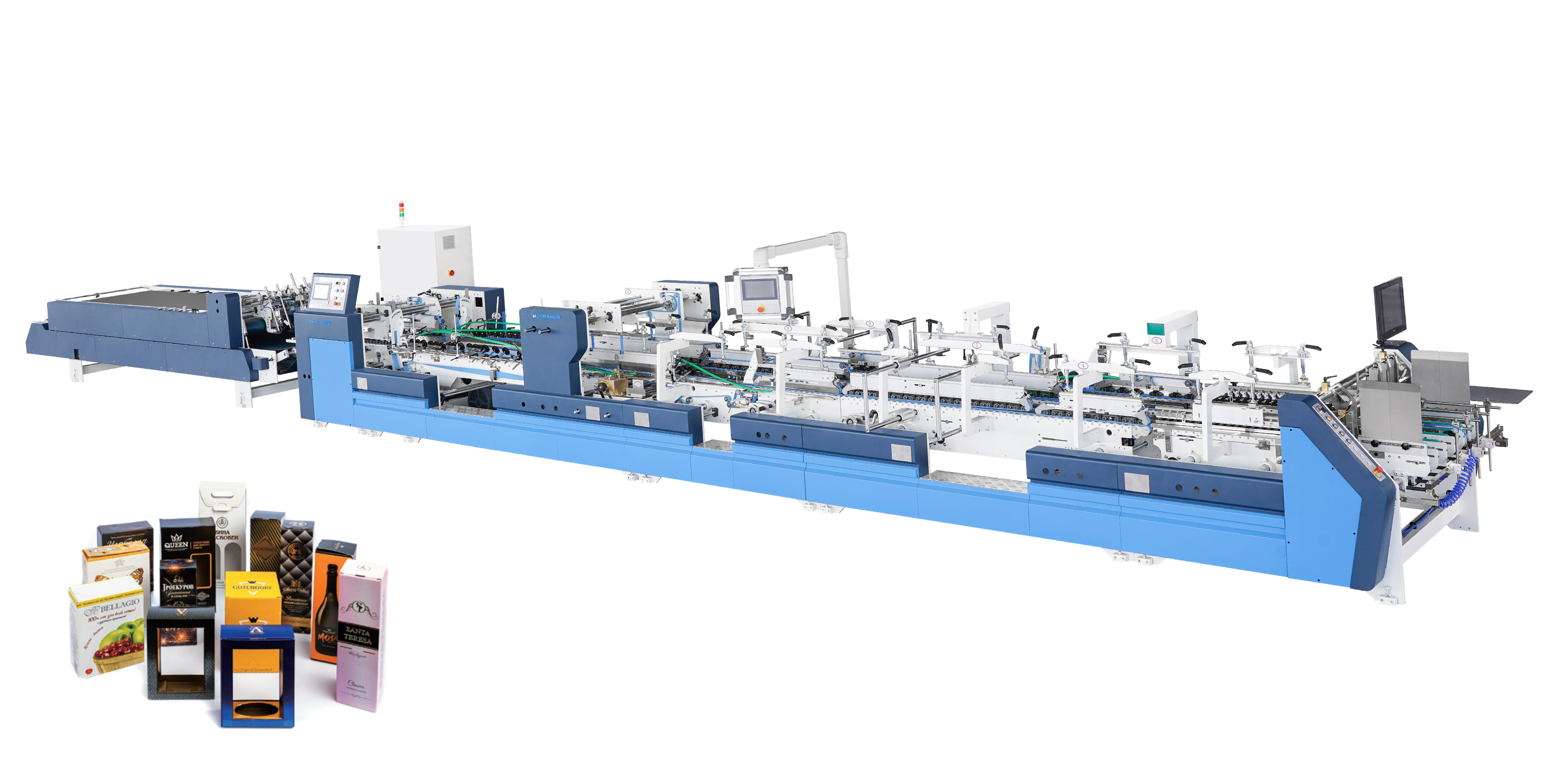
Why Is Carton Folding Still A Key Part Of Packaging Production
Carton production may look simple from the outside, but the folding stage has a strong influence on how packaging performs later. A carton is not only a paper structure. It also becomes part of storage, transport, product protection, and display.
If folding is uneven, many small problems can appear afterward. Boxes may not close properly, edges may shift during stacking, or glued areas may not stay aligned. Because of this, folding is treated as more than a basic shaping process.
In packaging environments, people often focus on:
- keeping carton edges aligned
- maintaining stable fold lines
- avoiding shape changes during movement
- supporting smooth stacking and filling later
Even small differences in folding behavior can affect the next production step.
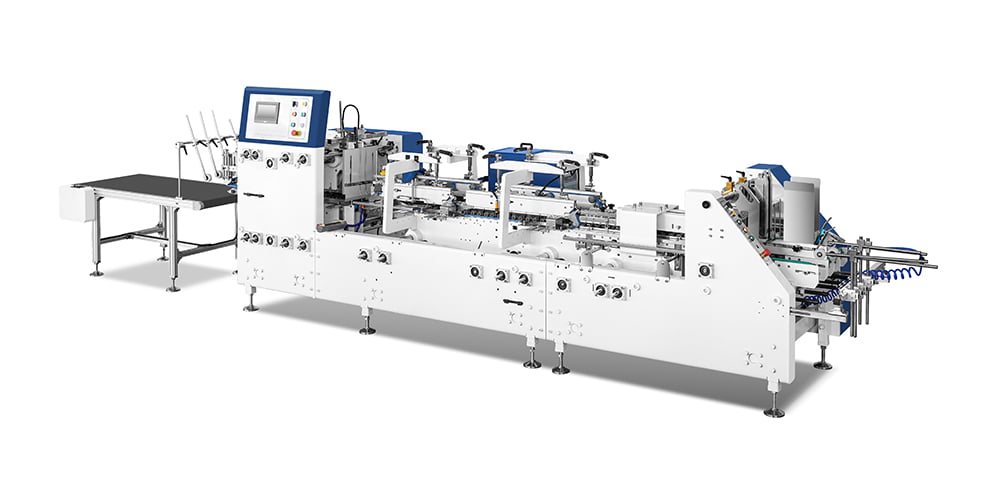
What Makes Automatic Folder Gluer Important In Modern Carton Production
As packaging work became more continuous, factories started relying less on repeated manual folding. The reason is not only speed. Stability and workflow coordination also became important.
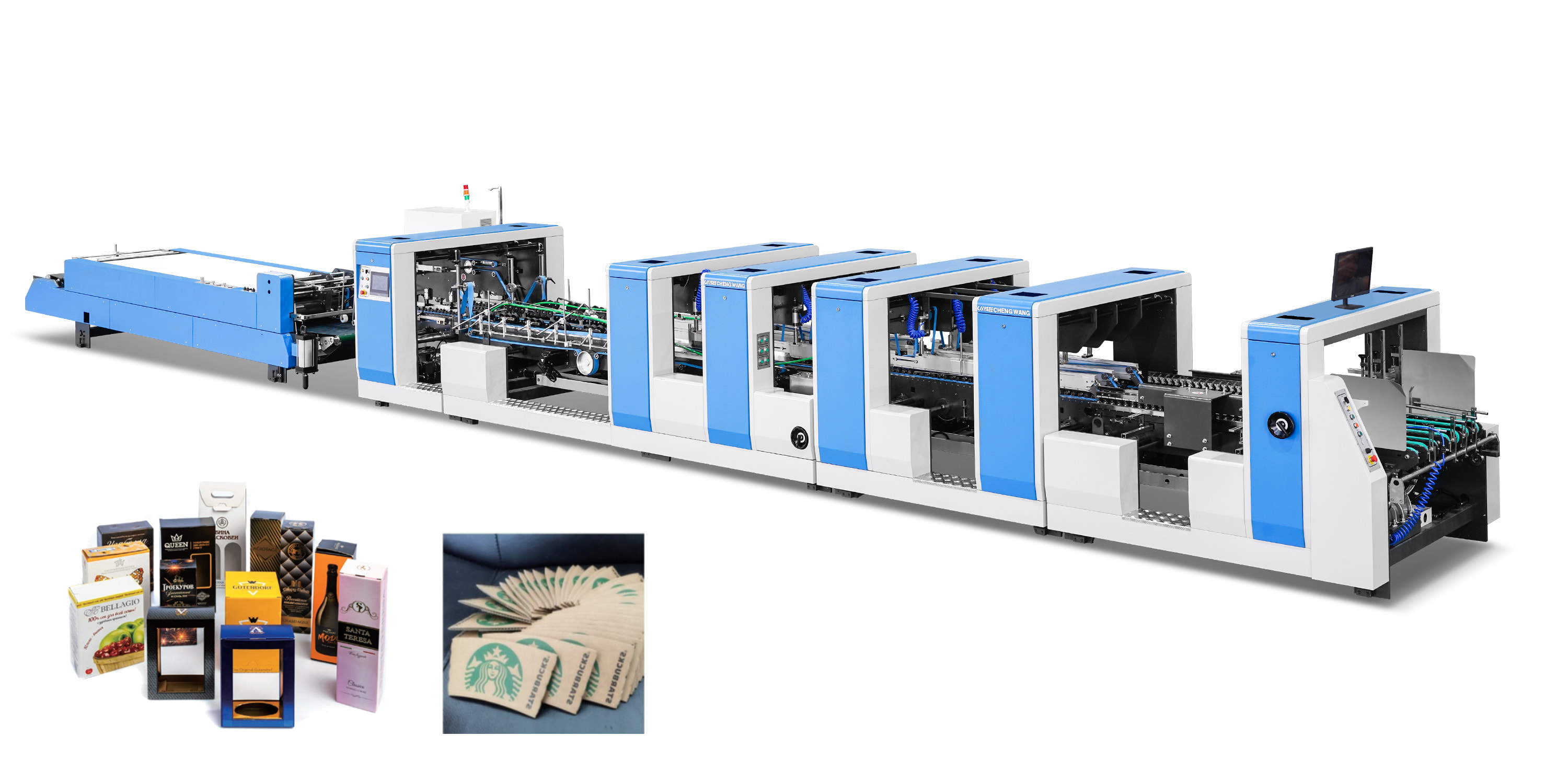
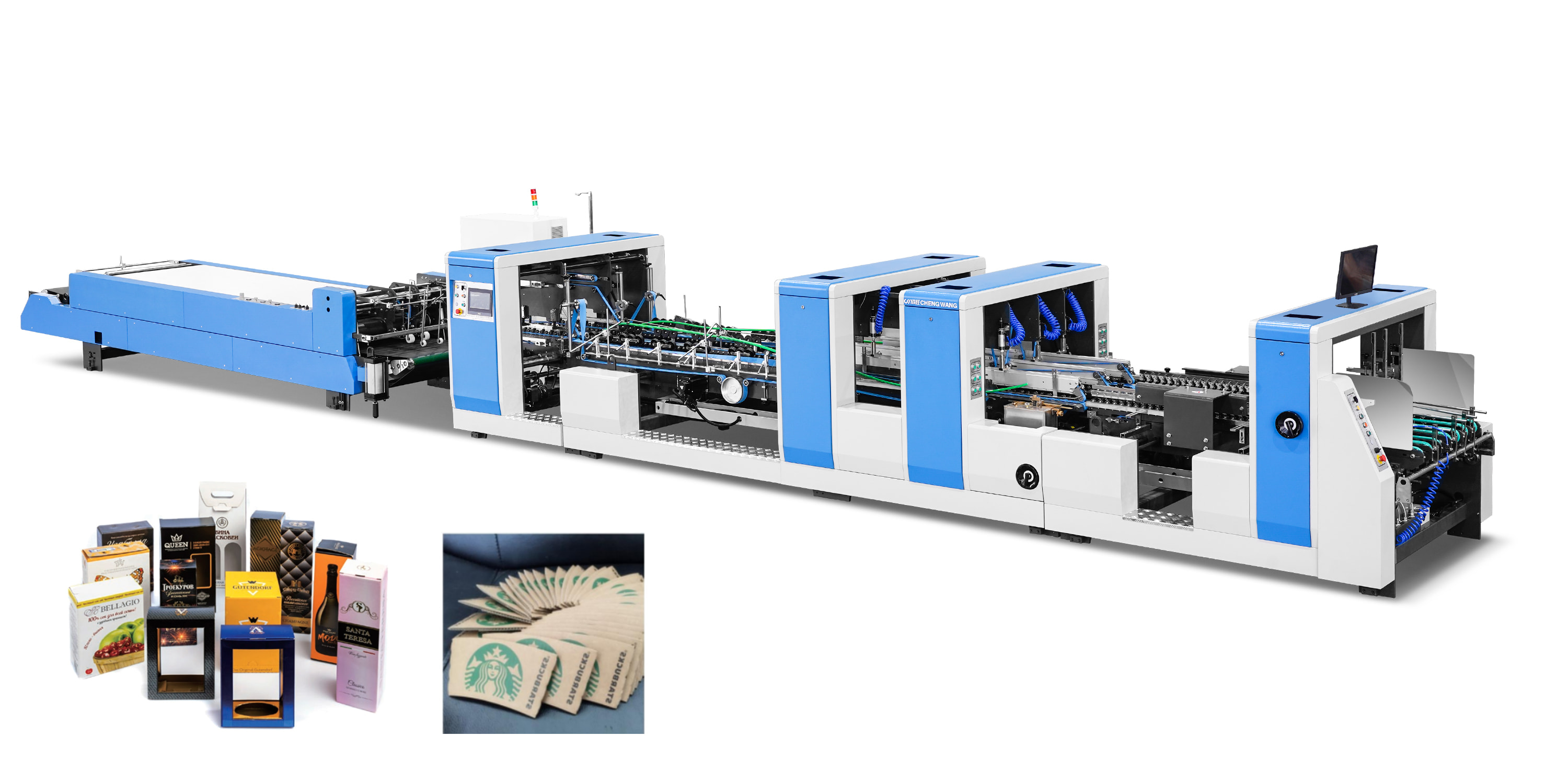
An Automatic Folder Gluer helps connect several packaging actions into one continuous process. Folding, positioning, glue application, and shaping can happen in sequence without repeated interruption.
This changes how production feels inside a packaging environment. Instead of stopping between stages, cartons continue moving through connected operations.
In practical use, this type of equipment supports:
- repeated folding consistency
- smoother carton transfer between stages
- reduction of manual handling during production
- more stable carton shaping behavior
The machine itself is only part of the system. The larger role is creating a more organized workflow.
How Does Automatic Folder Gluer Improve Folding And Gluing Workflow
In older production methods, folding and gluing were often handled separately. This created extra movement between stages and increased the need for repeated adjustment.
With an Automatic Folder Gluer, folding and bonding happen in a connected flow. Cartons move through guiding sections where shape and alignment are controlled step by step.
The process usually follows a simple path:
| Production Stage | Main Action | Purpose |
|---|---|---|
| Feeding | Carton enters system | Maintain steady movement |
| Positioning | Carton alignment adjusts | Support folding accuracy |
| Folding | Structure changes shape | Prepare bonding areas |
| Gluing | Adhesive is applied | Connect carton edges |
| Pressing | Shape becomes stable | Support final bonding |
Because the steps are linked together, workflow becomes more continuous.
Another important point is consistency. When carton movement remains stable, the folding result tends to stay more uniform across repeated production cycles.
How Does Carton Structure Affect Folding And Gluing Process
Not every carton behaves the same during folding. Some structures move easily through the workflow, while others require more careful adjustment.
Simple carton layouts usually fold with fewer positioning changes. More complex shapes may involve multiple fold areas or narrower bonding sections.
The fold line itself also matters. If the folding position shifts slightly, the final carton shape may look uneven later.
Several structure-related factors influence production behavior:
- carton length and width relationship
- fold line placement
- edge connection layout
- opening and closing structure
- overall shape balance during movement
Because of this, adjustment is often linked closely to carton design.
What Happens Inside Automatic Folder Gluer During Production
Inside the workflow, cartons move through several connected stages. Each section has a specific role in shaping and bonding the material.
At the beginning, cartons enter through the feeding area. Here, spacing and alignment start to become controlled.
Then the folding section gradually changes the flat sheet into a shaped structure. During this movement, side panels begin turning inward according to the carton layout.
After the folding stage, glue is applied to selected areas. The amount and position of adhesive influence how stable the bonding becomes later.
Finally, pressure helps keep the structure aligned while the bonded areas settle into place.
Although the process looks continuous from the outside, many small adjustments are happening during movement.
How Do Paper Materials Influence Folding Stability
Paper material affects folding behavior more than many people expect. Different materials respond differently during movement, bending, and bonding.
Thin paper usually bends more easily, but it may also react faster to pressure changes. Thicker material often feels more stable during movement, though it may require stronger shaping control.
Surface condition also influences workflow. Smooth coated surfaces may move differently compared with more textured materials.
In practical production, operators often observe:
- whether fold lines stay clean during bending
- how surfaces respond to glue application
- whether edges keep stable shape after pressing
- how material reacts during repeated movement
Material behavior is closely connected to final carton consistency.
What Factors Affect Glue Application During Carton Production
Glue application is not only about adding adhesive to paper. Timing, alignment, and material movement all influence the bonding result.
If glue is applied unevenly, some areas may not connect properly. Too much adhesive may also affect carton appearance during pressing.
Stable application depends on several connected conditions:
- clean bonding surfaces
- steady carton positioning
- controlled movement during transfer
- balanced pressure after application
Another factor is timing. Folding and gluing need to stay coordinated. If carton movement changes unexpectedly, bonding areas may shift slightly.
This is why operators often pay close attention to carton flow rather than only the glue itself.
How Automatic Folder Gluer Helps Keep Production Moving
In carton factories, work usually does not stop at one single step. After printing and cutting, cartons still need to be folded, glued, stacked, and moved to the next area. If one section slows down, other sections may also become crowded or delayed.
That is why many factories pay attention to folding and gluing workflow. An Automatic Folder Gluer helps cartons move forward in a more connected way instead of being picked up and adjusted again and again by hand.
During production, cartons pass through different areas continuously. Workers mainly watch whether the cartons move straight, whether fold lines stay even, and whether glued parts close correctly.
In real production environments, people often care about simple things like:
- whether cartons stay flat before folding
- whether corners close naturally
- whether glued edges open again later
- whether cartons stack evenly after output
These details affect later packing work more than many people expect.
Small Problems Often Start From Tiny Changes
Most production problems do not appear suddenly. Usually, small changes happen first.
For example, one carton may shift slightly while moving through the line. At first, it may not look serious. But after continuous production, the fold position may slowly become less stable.
Glue condition can also change during long operation. If paper dust builds up near the bonding area, the glued section may not look as clean as before.
Workers sometimes notice situations like:
- one side folding earlier than the other
- carton edges not matching evenly
- glue spreading slightly outside the line
- folded sections opening a little during transfer
In many cases, these are adjusted while the machine is still running. Production does not always stop completely for small corrections.
Daily Maintenance Is Usually Very Ordinary
A lot of people imagine machine maintenance as something complicated, but daily work around folding and gluing is often very routine.
Before production starts, operators usually walk around the equipment and check a few common areas. They look for paper scraps, glue buildup, or anything affecting movement.
Some simple habits are repeated almost every day:
- cleaning paper dust near transfer areas
- checking whether glue areas stay clear
- watching early cartons after startup
- listening for unusual movement sounds
- checking whether cartons come out evenly stacked
Most of these actions only take a short time, but they help avoid larger interruptions later.
In many factories, experienced operators can notice small problems just by watching carton movement for a few minutes.
Carton Appearance Is Closely Connected To Folding Quality
People often focus on printing when talking about packaging appearance, but folding also changes how a carton looks in the final stage.
If fold lines stay straight and edges connect evenly, cartons usually look cleaner after stacking. If folding shifts slightly, the carton may still work normally, but the appearance can look uneven during display or packing.
Several things affect final carton appearance:
| Folding Condition | Result In Final Carton |
|---|---|
| Straight Fold Lines | More balanced carton shape |
| Stable Edge Position | Cleaner closing areas |
| Even Pressure During Bonding | Better surface alignment |
| Smooth Transfer Movement | Fewer visible marks |
| Stable Carton Position | More regular stacking |
These details become more noticeable when cartons are packed together in large quantities.
Automation Changes Daily Work More Than People Expect
When people hear the word automation, they often think only about speed. But inside packaging factories, the bigger change is usually workflow.
Before connected systems became more common, workers often moved cartons manually between stages. Folding, gluing, and stacking could feel separated from each other.
Now, many processes happen continuously. Workers spend more time checking movement and less time carrying cartons from one place to another.
The change is visible in simple ways:
- fewer repeated handling steps
- smoother carton flow between stages
- less stopping during long runs
- easier switching between carton structures
The work becomes more about coordination than repeated physical movement.
Different Cartons Behave Differently During Production
Not all cartons move through the machine in the same way. Some shapes stay stable naturally, while others are more sensitive during folding.
Long cartons sometimes move differently from shorter ones. Cartons with several fold areas may also require slower adjustment at the beginning of production.
Material thickness changes behavior too. Softer paper may bend more easily, while thicker material may need more pressure during shaping.
Because of this, workers often adjust small settings depending on:
- carton width and length
- fold line arrangement
- paper thickness
- bonding area position
- transfer movement behavior
Even when using the same equipment, production behavior can feel different from one carton style to another.
Observation Still Matters During Automated Production
Even with automated systems, people still play an important role during production.
Machines repeat movement very well, but workers often notice gradual changes earlier than the system itself.
During long production runs, operators may quietly watch things like:
- whether cartons begin drifting slightly to one side
- whether folded edges stay even
- whether glue lines look consistent
- whether stacked cartons remain straight after output
A lot of production stability comes from these ordinary observations rather than large adjustments.
Packaging Production Keeps Moving Toward More Connected Workflow
In many factories, packaging stages are becoming more connected than before. Folding and gluing are no longer treated as isolated tasks. They are part of a larger production flow.
Future changes will probably continue focusing on:
- smoother movement between stages
- easier adjustment for different carton styles
- more stable long-run operation
- less interruption during switching work
- more consistent carton handling during output
For many factories, the real goal is not simply faster production. It is keeping the workflow stable enough that daily production becomes easier to manage over time.
Recommended Products
Focus on providing high-quality folder-gluing equipment to customers around the world.



No.3888, Jiangnan Avenue, Nanbin Street, Ruian City, Wenzhou City, Zhejiang Province, China







Privacy Policy Copyright © Zhejiang Chengwang Intelligent Packaging Equipment Co., Ltd.
High Speed Folder Gluer Factory